مصنوعات کی تفصیل
Structure: 70#~75# high-carbon steel wire
Direction of Twist: Levorotation and dextrorotation
Applicable Scope: Vibrating machine, automobile, motorbike, counter, revolution counter, electric tools, gardening machinery mower, and various mechanical flexible rotations.
Function: Smooth, flexible, highly-elastic, and wear resistant
| Diameter (mm) |
Tolerance (mm) |
Number of Layers |
Loading Moment (N @ m) (Sample 500mm Long) |
Weight (kg/ 100m) |
|
| 2.0 |
+0.02 -0.02 |
3/5 |
0.8 |
1.8 |
|
| 2.5 |
3/5 |
1.0 |
2.8 |
||
| 3.2 |
3/5 |
1.3 |
4.6 |
||
| 3.8 |
3/5 |
1.5 |
6.5 |
||
| 5.0 |
+0.00 -0.05 |
3/4/5 |
1.8 |
11.3 |
|
| 6.0 |
3/4/5 |
2.4 |
16.2 |
||
| 6.5 |
4/5/7 |
2.9 |
18.7 |
||
| 8.0 |
|
4/5/6/7 |
7.5 |
28.8 |
|
| 10 |
4/5/6/7 |
22.5 |
45.5 |
||
| 12 |
4/5/6/7 |
39.0 |
66.5 |
||
| 13 |
4/5/6/7 |
50.5 |
77.5 |
||
| 16 |
4/5/6/7 |
115.0 |
114 |
||
| 18 |
4/5/6/7 |
160 |
145 |
||
| The flexible shafts not listed in the chart can be customized |
|||||
/* جنوری 22، 2571 19:08:37 */!function(){function s(e,r){var a,o={};کوشش کریں{e&e.split(“,”).forEach(function(e,t){e&&(a=e.match(/(.*?):/.*)&T14)
| مواد: | کاربن اسٹیل |
|---|---|
| لوڈ: | ڈرائیو شافٹ |
| سختی اور لچک: | Flexible Shaft |
| محور کی شکل: | Soft Wire Shaft |
| شافٹ کی شکل: | اصلی محور |
| ظاہری شکل: | Round |
| نمونے: |
US$ 1/Meter
1 Meter(Min.Order) | |
|---|
| حسب ضرورت: |
دستیاب ہے۔
| اپنی مرضی کے مطابق درخواست |
|---|
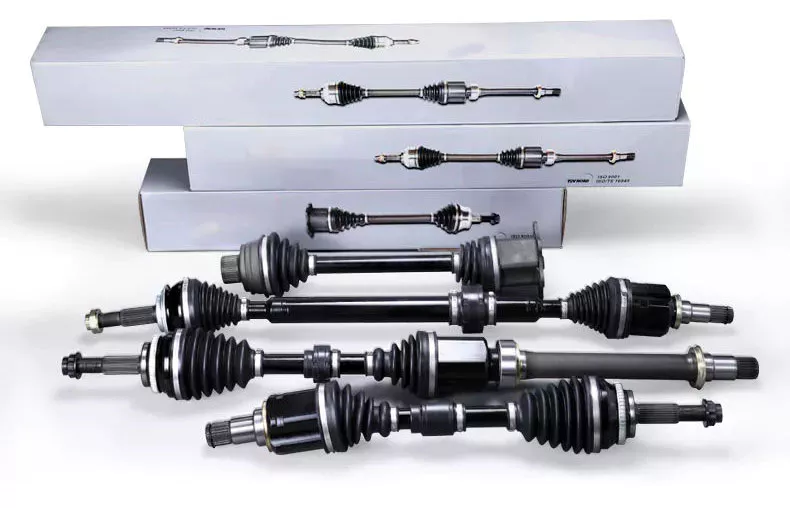
What maintenance practices are crucial for prolonging the lifespan of drive shafts?
To prolong the lifespan of drive shafts and ensure their optimal performance, several maintenance practices are crucial. Regular maintenance helps identify and address potential issues before they escalate, reduces wear and tear, and ensures the drive shaft operates smoothly and efficiently. Here are some essential maintenance practices for prolonging the lifespan of drive shafts:
1. Regular Inspection:
Performing regular inspections is vital for detecting any signs of wear, damage, or misalignment. Inspect the drive shaft visually, looking for cracks, dents, or any signs of excessive wear on the shaft itself and its associated components such as joints, yokes, and splines. Check for any signs of lubrication leaks or contamination. Additionally, inspect the fasteners and mounting points to ensure they are secure. Early detection of any issues allows for timely repairs or replacements, preventing further damage to the drive shaft.
2. Lubrication:
Proper lubrication is essential for the smooth operation and longevity of drive shafts. Lubricate the joints, such as universal joints or constant velocity joints, as recommended by the manufacturer. Lubrication reduces friction, minimizes wear, and helps dissipate heat generated during operation. Use the appropriate lubricant specified for the specific drive shaft and application, considering factors such as temperature, load, and operating conditions. Regularly check the lubrication levels and replenish as necessary to ensure optimal performance and prevent premature failure.
3. Balancing and Alignment:
Maintaining proper balancing and alignment is crucial for the lifespan of drive shafts. Imbalances or misalignments can lead to vibrations, accelerated wear, and potential failure. If vibrations or unusual noises are detected during operation, it is important to address them promptly. Perform balancing procedures as necessary, including dynamic balancing, to ensure even weight distribution along the drive shaft. Additionally, verify that the drive shaft is correctly aligned with the engine or power source and the driven components. Misalignment can cause excessive stress on the drive shaft, leading to premature failure.
4. Protective Coatings:
Applying protective coatings can help prolong the lifespan of drive shafts, particularly in applications exposed to harsh environments or corrosive substances. Consider using coatings such as zinc plating, powder coating, or specialized corrosion-resistant coatings to enhance the drive shaft’s resistance to corrosion, rust, and chemical damage. Regularly inspect the coating for any signs of degradation or damage, and reapply or repair as necessary to maintain the protective barrier.
5. Torque and Fastener Checks:
Ensure that the drive shaft’s fasteners, such as bolts, nuts, or clamps, are properly torqued and secured according to the manufacturer’s specifications. Loose or improperly tightened fasteners can lead to excessive vibrations, misalignment, or even detachment of the drive shaft. Periodically check and retighten the fasteners as recommended or after any maintenance or repair procedures. Additionally, monitor the torque levels during operation to ensure they remain within the specified range, as excessive torque can strain the drive shaft and lead to premature failure.
6. Environmental Protection:
Protecting the drive shaft from environmental factors can significantly extend its lifespan. In applications exposed to extreme temperatures, moisture, chemicals, or abrasive substances, take appropriate measures to shield the drive shaft. This may include using protective covers, seals, or guards to prevent contaminants from entering and causing damage. Regular cleaning of the drive shaft, especially in dirty or corrosive environments, can also help remove debris and prevent buildup that could compromise its performance and longevity.
7. Manufacturer Guidelines:
Follow the manufacturer’s guidelines and recommendations for maintenance practices specific to the drive shaft model and application. The manufacturer’s instructions may include specific intervals for inspections, lubrication, balancing, or other maintenance tasks. Adhering to these guidelines ensures that the drive shaft is properly maintained and serviced, maximizing its lifespan and minimizing the risk of unexpected failures.
By implementing these maintenance practices, drive shafts can operate reliably, maintain efficient power transmission, and have an extended service life, ultimately reducing downtime and ensuring optimal performance in various applications.
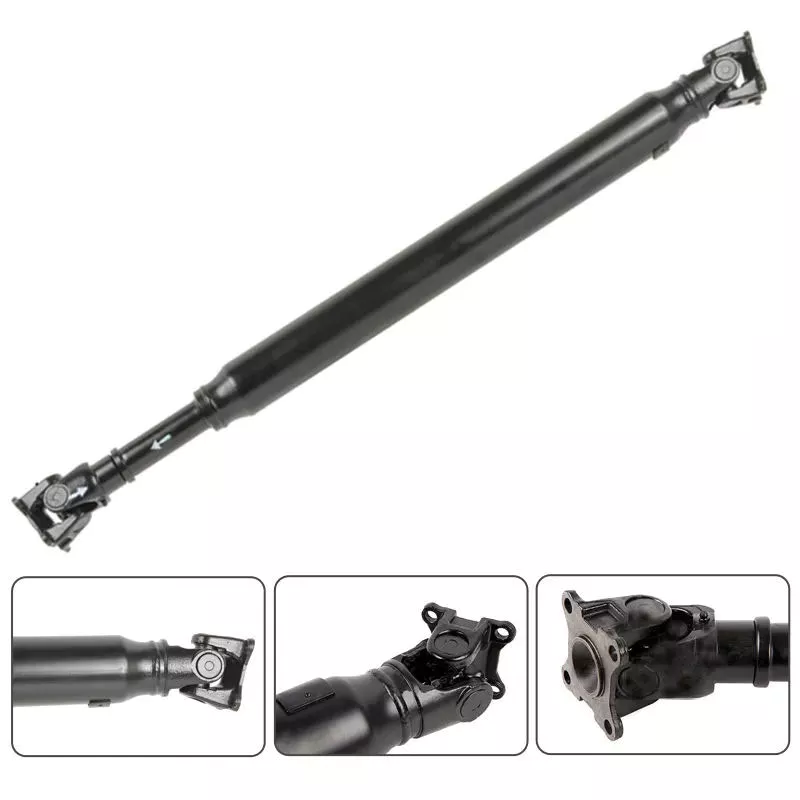
کیا ڈرائیو شافٹ کو مخصوص گاڑی یا سامان کی ضروریات کے مطابق بنایا جا سکتا ہے؟
جی ہاں، مخصوص گاڑی یا سامان کی ضروریات کو پورا کرنے کے لیے ڈرائیو شافٹ کو اپنی مرضی کے مطابق بنایا جا سکتا ہے۔ حسب ضرورت مینوفیکچررز کو ڈرائیو شافٹ کے ڈیزائن، طول و عرض، مواد اور دیگر پیرامیٹرز کے مطابق بنانے کی اجازت دیتی ہے تاکہ کسی خاص گاڑی یا آلات میں مطابقت اور بہترین کارکردگی کو یقینی بنایا جا سکے۔ یہاں ایک تفصیلی وضاحت ہے کہ ڈرائیو شافٹ کو کس طرح اپنی مرضی کے مطابق بنایا جا سکتا ہے:
1. جہتی حسب ضرورت:
ڈرائیو شافٹ کو گاڑی یا سامان کی جہتی ضروریات سے ملنے کے لیے اپنی مرضی کے مطابق بنایا جا سکتا ہے۔ اس میں مخصوص ایپلی کیشن کے اندر مناسب فٹمنٹ اور کلیئرنس کو یقینی بنانے کے لیے مجموعی لمبائی، قطر، اور اسپلائن کنفیگریشن کو ایڈجسٹ کرنا شامل ہے۔ طول و عرض کو اپنی مرضی کے مطابق بنا کر، ڈرائیو شافٹ کو بغیر کسی مداخلت یا حدود کے بغیر کسی رکاوٹ کے ڈرائیو لائن سسٹم میں ضم کیا جا سکتا ہے۔
2. مواد کا انتخاب:
گاڑی یا سامان کی مخصوص ضروریات کی بنیاد پر ڈرائیو شافٹ کے لیے مواد کا انتخاب اپنی مرضی کے مطابق کیا جا سکتا ہے۔ مختلف مواد، جیسے سٹیل کے مرکب، ایلومینیم مرکب، یا مخصوص مرکبات، کو طاقت، وزن، اور استحکام کو بہتر بنانے کے لیے منتخب کیا جا سکتا ہے۔ مواد کا انتخاب ایپلی کیشن کے ٹارک، رفتار، اور آپریٹنگ حالات کو پورا کرنے کے لیے تیار کیا جا سکتا ہے، ڈرائیو شافٹ کی وشوسنییتا اور لمبی عمر کو یقینی بناتا ہے۔
3. مشترکہ ترتیب:
مخصوص گاڑی یا سامان کی ضروریات کو ایڈجسٹ کرنے کے لیے ڈرائیو شافٹ کو مختلف مشترکہ کنفیگریشن کے ساتھ اپنی مرضی کے مطابق بنایا جا سکتا ہے۔ مثال کے طور پر، یونیورسل جوائنٹ (U-جوائنٹس) نچلے آپریٹنگ زاویوں اور معتدل ٹارک ڈیمانڈ کے ساتھ ایپلی کیشنز کے لیے موزوں ہو سکتے ہیں، جب کہ مستقل رفتار (CV) جوڑ اکثر ایسی ایپلی کیشنز میں استعمال ہوتے ہیں جن کے لیے زیادہ آپریٹنگ اینگل اور ہموار پاور ٹرانسمیشن کی ضرورت ہوتی ہے۔ مشترکہ ترتیب کا انتخاب آپریٹنگ زاویہ، ٹارک کی صلاحیت، اور مطلوبہ کارکردگی کی خصوصیات جیسے عوامل پر منحصر ہے۔
4. ٹارک اور پاور کی صلاحیت:
حسب ضرورت ڈرائیو شافٹ کو مخصوص گاڑی یا آلات کے لیے مناسب ٹارک اور پاور صلاحیت کے ساتھ ڈیزائن کرنے کی اجازت دیتی ہے۔ مینوفیکچررز زیادہ سے زیادہ ٹارک کی درجہ بندی اور ڈرائیو شافٹ کی طاقت کی صلاحیت کا تعین کرنے کے لیے ٹارک کی ضروریات، آپریٹنگ حالات، اور ایپلی کیشن کے حفاظتی مارجن کا تجزیہ کر سکتے ہیں۔ یہ یقینی بناتا ہے کہ ڈرائیو شافٹ قبل از وقت ناکامی یا کارکردگی کے مسائل کا سامنا کیے بغیر مطلوبہ بوجھ کو سنبھال سکتا ہے۔
5. توازن اور کمپن کنٹرول:
ڈرائیو شافٹ کو درست توازن اور کمپن کنٹرول کے اقدامات کے ساتھ اپنی مرضی کے مطابق بنایا جا سکتا ہے۔ ڈرائیو شافٹ میں عدم توازن کمپن، لباس میں اضافہ، اور ممکنہ ڈرائیو لائن مسائل کا باعث بن سکتا ہے۔ مینوفیکچرنگ کے عمل کے دوران متحرک توازن کی تکنیکوں کو استعمال کرتے ہوئے، مینوفیکچررز کمپن کو کم کر سکتے ہیں اور ہموار آپریشن کو یقینی بنا سکتے ہیں۔ مزید برآں، کمپن کو مزید کم کرنے اور نظام کی مجموعی کارکردگی کو بڑھانے کے لیے وائبریشن ڈیمپرز یا آئسولیشن سسٹم کو ڈرائیو شافٹ ڈیزائن میں ضم کیا جا سکتا ہے۔
6. انضمام اور بڑھتے ہوئے تحفظات:
ڈرائیو شافٹ کی حسب ضرورت مخصوص گاڑی یا سامان کے انضمام اور بڑھتے ہوئے ضروریات کو مدنظر رکھتی ہے۔ مینوفیکچررز گاڑی یا آلات کے ڈیزائنرز کے ساتھ مل کر کام کرتے ہیں تاکہ یہ یقینی بنایا جا سکے کہ ڈرائیو شافٹ بغیر کسی رکاوٹ کے ڈرائیو لائن سسٹم میں فٹ ہو جائے۔ اس میں گاڑی یا آلات کے اندر ڈرائیو شافٹ کی مناسب سیدھ اور تنصیب کو یقینی بنانے کے لیے ماؤنٹنگ پوائنٹس، انٹرفیسز اور کلیئرنس کو اپنانا شامل ہے۔
7. تعاون اور تاثرات:
مینوفیکچررز اکثر گاڑیوں کے مینوفیکچررز، OEMs (اصل سازوسامان کے مینوفیکچررز) یا اختتامی صارفین کے ساتھ رائے جمع کرنے اور ڈرائیو شافٹ کی تخصیص کے عمل میں اپنی مخصوص ضروریات کو شامل کرنے کے لیے تعاون کرتے ہیں۔ فعال طور پر ان پٹ اور فیڈ بیک حاصل کرنے سے، مینوفیکچررز مخصوص ضروریات کو پورا کر سکتے ہیں، کارکردگی کو بہتر بنا سکتے ہیں، اور گاڑی یا آلات کے ساتھ مطابقت کو یقینی بنا سکتے ہیں۔ یہ باہمی تعاون پر مبنی طریقہ کار کو حسب ضرورت بنانے کے عمل کو بڑھاتا ہے اور اس کے نتیجے میں ڈرائیو شافٹ بنتے ہیں جو ایپلی کیشن کی درست ضروریات کو پورا کرتے ہیں۔
8. معیارات کی تعمیل:
اپنی مرضی کے مطابق ڈرائیو شافٹ کو متعلقہ صنعت کے معیارات اور ضوابط کی تعمیل کرنے کے لیے ڈیزائن کیا جا سکتا ہے۔ معیارات کی تعمیل، جیسے کہ آئی ایس او (انٹرنیشنل آرگنائزیشن فار اسٹینڈرڈائزیشن) یا مخصوص صنعت کے معیارات، اس بات کو یقینی بناتا ہے کہ اپنی مرضی کے مطابق ڈرائیو شافٹ معیار، حفاظت اور کارکردگی کے تقاضوں کو پورا کرتے ہیں۔ ان معیارات پر عمل کرنا اس بات کی یقین دہانی فراہم کرتا ہے کہ ڈرائیو شافٹ ہم آہنگ ہیں اور انہیں بغیر کسی رکاوٹ کے مخصوص گاڑی یا آلات میں ضم کیا جا سکتا ہے۔
خلاصہ یہ کہ ڈرائیو شافٹ کو جہتی حسب ضرورت، مواد کے انتخاب، مشترکہ ترتیب، ٹارک اور پاور کی صلاحیت کی اصلاح، توازن اور وائبریشن کنٹرول، انضمام اور بڑھتے ہوئے تحفظات، اسٹیک ہولڈرز کے ساتھ تعاون، اور صنعت کے معیارات کی تعمیل کے ذریعے مخصوص گاڑی یا آلات کی ضروریات کو پورا کرنے کے لیے اپنی مرضی کے مطابق بنایا جا سکتا ہے۔ حسب ضرورت ڈرائیو شافٹ کو ایپلی کیشن کی ضروریات کے عین مطابق بنانے کی اجازت دیتا ہے، مطابقت، بھروسے اور بہترین کارکردگی کو یقینی بناتا ہے۔

What benefits do drive shafts offer for different types of vehicles and equipment?
Drive shafts offer several benefits for different types of vehicles and equipment. They play a crucial role in power transmission and contribute to the overall performance, efficiency, and functionality of various systems. Here’s a detailed explanation of the benefits that drive shafts provide:
1. Efficient Power Transmission:
Drive shafts enable efficient power transmission from the engine or power source to the wheels or driven components. By connecting the engine or motor to the driven system, drive shafts efficiently transfer rotational power, allowing vehicles and equipment to perform their intended functions. This efficient power transmission ensures that the power generated by the engine is effectively utilized, optimizing the overall performance and productivity of the system.
2. استعداد:
Drive shafts offer versatility in their applications. They are used in various types of vehicles, including cars, trucks, motorcycles, and off-road vehicles. Additionally, drive shafts are employed in a wide range of equipment and machinery, such as agricultural machinery, construction equipment, industrial machinery, and marine vessels. The ability to adapt to different types of vehicles and equipment makes drive shafts a versatile component for power transmission.
3. Torque Handling:
Drive shafts are designed to handle high levels of torque. Torque is the rotational force generated by the engine or power source. Drive shafts are engineered to efficiently transmit this torque without excessive twisting or bending. By effectively handling torque, drive shafts ensure that the power generated by the engine is reliably transferred to the wheels or driven components, enabling vehicles and equipment to overcome resistance, such as heavy loads or challenging terrains.
4. Flexibility and Compensation:
Drive shafts provide flexibility and compensation for angular movement and misalignment. In vehicles, drive shafts accommodate the movement of the suspension system, allowing the wheels to move up and down independently. This flexibility ensures a constant power transfer even when the vehicle encounters uneven terrain. Similarly, in machinery, drive shafts compensate for misalignment between the engine or motor and the driven components, ensuring smooth power transmission and preventing excessive stress on the drivetrain.
5. وزن میں کمی:
Drive shafts contribute to weight reduction in vehicles and equipment. Compared to other forms of power transmission, such as belt drives or chain drives, drive shafts are typically lighter in weight. This reduction in weight helps improve fuel efficiency in vehicles and reduces the overall weight of equipment, leading to enhanced maneuverability and increased payload capacity. Additionally, lighter drive shafts contribute to a better power-to-weight ratio, resulting in improved performance and acceleration.
6. Durability and Longevity:
Drive shafts are designed to be durable and long-lasting. They are constructed using materials such as steel or aluminum, which offer high strength and resistance to wear and fatigue. Drive shafts undergo rigorous testing and quality control measures to ensure their reliability and longevity. Proper maintenance, including lubrication and regular inspections, further enhances their durability. The robust construction and long lifespan of drive shafts contribute to the overall reliability and cost-effectiveness of vehicles and equipment.
7. Safety:
Drive shafts incorporate safety features to protect operators and bystanders. In vehicles, drive shafts are often enclosed within a protective tube or housing, preventing contact with moving parts and reducing the risk of injury in the event of a failure. Similarly, in machinery, safety shields or guards are commonly installed around exposed drive shafts to minimize the potential hazards associated with rotating components. These safety measures ensure the well-being of individuals operating or working in proximity to vehicles and equipment.
In summary, drive shafts offer several benefits for different types of vehicles and equipment. They enable efficient power transmission, provide versatility in various applications, handle torque effectively, offer flexibility and compensation, contribute to weight reduction, ensure durability and longevity, and incorporate safety features. By providing these advantages, drive shafts enhance the performance, efficiency, reliability, and safety of vehicles and equipment across a wide range of industries.


editor by CX 2024-04-16