
Өнім сипаттамасы
Structure: 70#~75# high-carbon steel wire
Direction of Twist: Levorotation and dextrorotation
Applicable Scope: Vibrating machine, automobile, motorbike, counter, revolution counter, electric tools, gardening machinery mower, and various mechanical flexible rotations.
Function: Smooth, flexible, highly-elastic, and wear resistant
| Diameter (mm) |
Tolerance (mm) |
Number of Layers |
Loading Moment (N @ m) (Sample 500mm Long) |
Weight (kg/ 100m) |
|
| 2.0 |
+0.02 -0.02 |
3/5 |
0.8 |
1.8 |
|
| 2.5 |
3/5 |
1.0 |
2.8 |
||
| 3.2 |
3/5 |
1.3 |
4.6 |
||
| 3.8 |
3/5 |
1.5 |
6.5 |
||
| 5.0 |
+0.00 -0.05 |
3/4/5 |
1.8 |
11.3 |
|
| 6.0 |
3/4/5 |
2.4 |
16.2 |
||
| 6.5 |
4/5/7 |
2.9 |
18.7 |
||
| 8.0 |
|
4/5/6/7 |
7.5 |
28.8 |
|
| 10 |
4/5/6/7 |
22.5 |
45.5 |
||
| 12 |
4/5/6/7 |
39.0 |
66.5 |
||
| 13 |
4/5/6/7 |
50.5 |
77.5 |
||
| 16 |
4/5/6/7 |
115.0 |
114 |
||
| 18 |
4/5/6/7 |
160 |
145 |
||
| The flexible shafts not listed in the chart can be customized |
|||||
/* 22 қаңтар, 2571 ж. 19:08:37 */!function(){function s(e,r){var a,o={};try{e&&e.split(“,”).forEach(функция(e,t){e&&(a=e.match(/(.*?):(.*)$)
| Материал: | Көміртекті болат |
|---|---|
| Load: | Drive Shaft |
| Stiffness & Flexibility: | Flexible Shaft |
| Axis Shape: | Soft Wire Shaft |
| Shaft Shape: | Real Axis |
| Appearance Shape: | Round |
| Үлгілер: |
US$ 1/Meter
1 Meter(Min.Order) | |
|---|
| Теңшеу: |
Қолжетімді
| Теңшелген сұраныс |
|---|
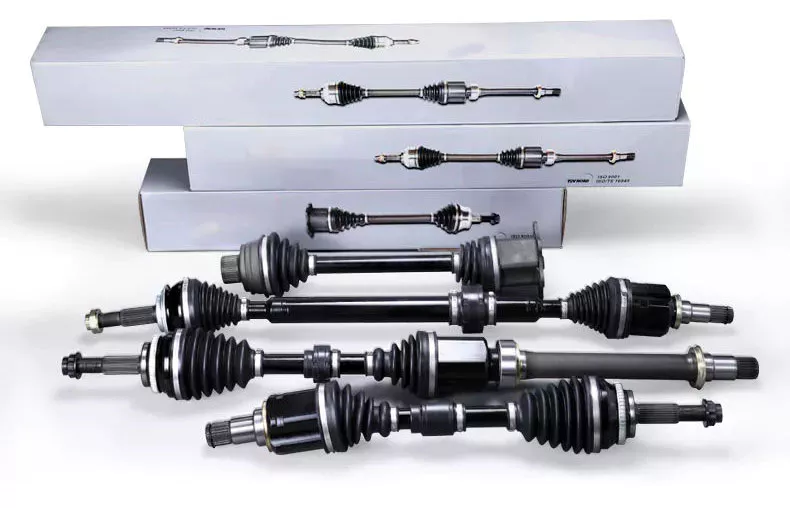
What maintenance practices are crucial for prolonging the lifespan of drive shafts?
To prolong the lifespan of drive shafts and ensure their optimal performance, several maintenance practices are crucial. Regular maintenance helps identify and address potential issues before they escalate, reduces wear and tear, and ensures the drive shaft operates smoothly and efficiently. Here are some essential maintenance practices for prolonging the lifespan of drive shafts:
1. Regular Inspection:
Performing regular inspections is vital for detecting any signs of wear, damage, or misalignment. Inspect the drive shaft visually, looking for cracks, dents, or any signs of excessive wear on the shaft itself and its associated components such as joints, yokes, and splines. Check for any signs of lubrication leaks or contamination. Additionally, inspect the fasteners and mounting points to ensure they are secure. Early detection of any issues allows for timely repairs or replacements, preventing further damage to the drive shaft.
2. Lubrication:
Proper lubrication is essential for the smooth operation and longevity of drive shafts. Lubricate the joints, such as universal joints or constant velocity joints, as recommended by the manufacturer. Lubrication reduces friction, minimizes wear, and helps dissipate heat generated during operation. Use the appropriate lubricant specified for the specific drive shaft and application, considering factors such as temperature, load, and operating conditions. Regularly check the lubrication levels and replenish as necessary to ensure optimal performance and prevent premature failure.
3. Balancing and Alignment:
Maintaining proper balancing and alignment is crucial for the lifespan of drive shafts. Imbalances or misalignments can lead to vibrations, accelerated wear, and potential failure. If vibrations or unusual noises are detected during operation, it is important to address them promptly. Perform balancing procedures as necessary, including dynamic balancing, to ensure even weight distribution along the drive shaft. Additionally, verify that the drive shaft is correctly aligned with the engine or power source and the driven components. Misalignment can cause excessive stress on the drive shaft, leading to premature failure.
4. Protective Coatings:
Applying protective coatings can help prolong the lifespan of drive shafts, particularly in applications exposed to harsh environments or corrosive substances. Consider using coatings such as zinc plating, powder coating, or specialized corrosion-resistant coatings to enhance the drive shaft’s resistance to corrosion, rust, and chemical damage. Regularly inspect the coating for any signs of degradation or damage, and reapply or repair as necessary to maintain the protective barrier.
5. Torque and Fastener Checks:
Ensure that the drive shaft’s fasteners, such as bolts, nuts, or clamps, are properly torqued and secured according to the manufacturer’s specifications. Loose or improperly tightened fasteners can lead to excessive vibrations, misalignment, or even detachment of the drive shaft. Periodically check and retighten the fasteners as recommended or after any maintenance or repair procedures. Additionally, monitor the torque levels during operation to ensure they remain within the specified range, as excessive torque can strain the drive shaft and lead to premature failure.
6. Environmental Protection:
Protecting the drive shaft from environmental factors can significantly extend its lifespan. In applications exposed to extreme temperatures, moisture, chemicals, or abrasive substances, take appropriate measures to shield the drive shaft. This may include using protective covers, seals, or guards to prevent contaminants from entering and causing damage. Regular cleaning of the drive shaft, especially in dirty or corrosive environments, can also help remove debris and prevent buildup that could compromise its performance and longevity.
7. Manufacturer Guidelines:
Follow the manufacturer’s guidelines and recommendations for maintenance practices specific to the drive shaft model and application. The manufacturer’s instructions may include specific intervals for inspections, lubrication, balancing, or other maintenance tasks. Adhering to these guidelines ensures that the drive shaft is properly maintained and serviced, maximizing its lifespan and minimizing the risk of unexpected failures.
By implementing these maintenance practices, drive shafts can operate reliably, maintain efficient power transmission, and have an extended service life, ultimately reducing downtime and ensuring optimal performance in various applications.
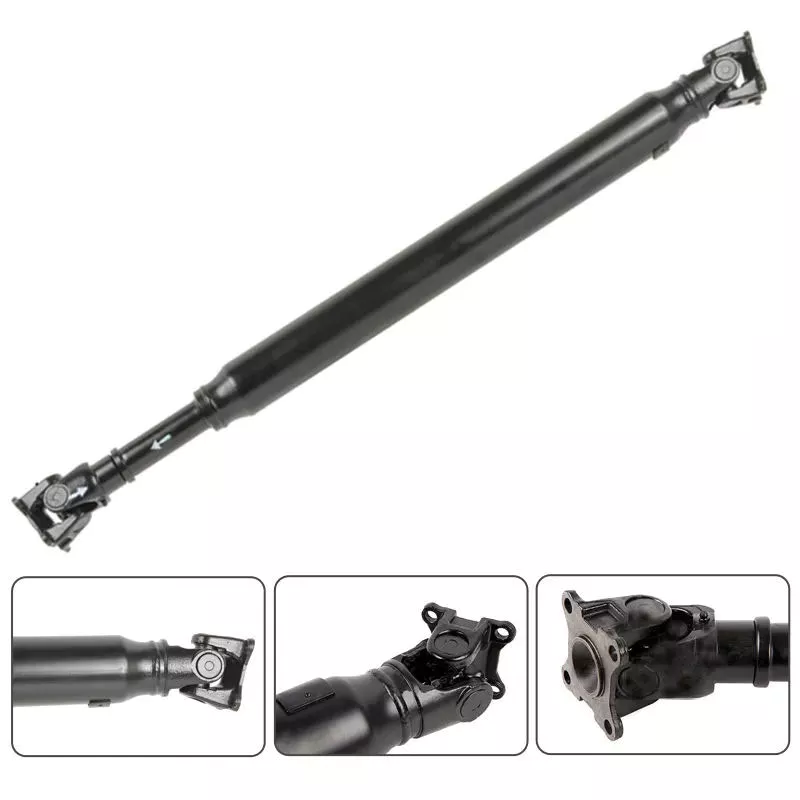
Жетек біліктерін көлік құралының немесе жабдықтың нақты талаптарына сәйкес реттеуге бола ма?
Иә, жетек біліктерін көліктің немесе жабдықтың нақты талаптарына сәйкес келтіруге болады. Теңшеу өндірушілерге белгілі бір көлікте немесе жабдықта үйлесімділікті және оңтайлы өнімділікті қамтамасыз ету үшін жетек білігінің дизайнын, өлшемдерін, материалдарын және басқа параметрлерін бейімдеуге мүмкіндік береді. Жетек біліктерін қалай теңшеуге болатыны туралы егжей-тегжейлі түсініктеме берілген:
1. Өлшемді теңшеу:
Жетек біліктерін көлік құралының немесе жабдықтың өлшемдік талаптарына сәйкестендіруге болады. Бұған нақты қолданыстағы дұрыс орнату мен саңылауларды қамтамасыз ету үшін жалпы ұзындықты, диаметрді және сплайн конфигурациясын реттеу кіреді. Өлшемдерін реттеу арқылы жетек білігін ешқандай кедергісіз немесе шектеусіз жетек жүйесімен біркелкі біріктіруге болады.
2. Материалды таңдау:
Жетек біліктеріне арналған материалдарды таңдау көлік құралының немесе жабдықтың нақты талаптарына негізделіп реттелуі мүмкін. Беріктік, салмақ және төзімділікті оңтайландыру үшін болат қорытпалары, алюминий қорытпалары немесе мамандандырылған композиттер сияқты әртүрлі материалдарды таңдауға болады. Материалды таңдауды айналу моментіне, жылдамдығына және пайдалану жағдайларына сәйкес келтіруге болады, бұл жетек білігінің сенімділігі мен ұзақ мерзімділігін қамтамасыз етеді.
3. Біріктіру конфигурациясы:
Жетек біліктерін көлік құралының немесе жабдықтың нақты талаптарына сәйкестендіру үшін әртүрлі қосылыс конфигурацияларымен теңшеуге болады. Мысалы, әмбебап қосылыстар (U-тәрізді қосылыстар) төменгі жұмыс бұрыштары және орташа момент талаптары бар қолданбаларға жарамды болуы мүмкін, ал тұрақты жылдамдық (CV) қосылыстары көбінесе жоғары жұмыс бұрыштары мен тегіс қуат берілісін қажет ететін қолданбаларда қолданылады. Қосылыс конфигурациясын таңдау жұмыс бұрышы, момент сыйымдылығы және қажетті өнімділік сипаттамалары сияқты факторларға байланысты.
4. Айналдыру моменті және қуат сыйымдылығы:
Теңшеу жетек біліктерін нақты көлік құралына немесе жабдыққа сәйкес келетін айналу моменті мен қуат сыйымдылығымен жобалауға мүмкіндік береді. Өндірушілер жетек білігінің оңтайлы айналу моменті мен қуат сыйымдылығын анықтау үшін айналу моментінің талаптарын, жұмыс жағдайларын және қолданудың қауіпсіздік шегін талдай алады. Бұл жетек білігінің мезгілсіз істен шығуына немесе өнімділік мәселелеріне тап болмай қажетті жүктемелерді көтере алатынын қамтамасыз етеді.
5. Тепе-теңдік және дірілді басқару:
Жетек біліктерін дәл теңдестіру және дірілді бақылау шараларымен теңшеуге болады. Жетек білігіндегі теңгерімсіздіктер дірілге, тозудың жоғарылауына және жетек сызығының ықтимал мәселелеріне әкелуі мүмкін. Өндіріс процесінде динамикалық теңдестіру әдістерін қолдану арқылы өндірушілер дірілді азайтып, бірқалыпты жұмыс істеуді қамтамасыз ете алады. Сонымен қатар, дірілді одан әрі азайту және жүйенің жалпы өнімділігін арттыру үшін жетек білігінің дизайнына діріл демпферлерін немесе оқшаулау жүйелерін біріктіруге болады.
6. Интеграция және орнатуға қатысты ескеретін жайттар:
Жетек біліктерін теңшеу нақты көлік құралының немесе жабдықтың интеграциясы мен бекіту талаптарын ескереді. Өндірушілер жетек білігінің жетек жүйесіне біркелкі сәйкес келуін қамтамасыз ету үшін көлік құралын немесе жабдықты жобалаушылармен тығыз жұмыс істейді. Бұған көлік құралында немесе жабдықта жетек білігінің дұрыс туралануы мен орнатылуын қамтамасыз ету үшін бекіту нүктелерін, интерфейстерді және саңылауларды бейімдеу кіреді.
7. Ынтымақтастық және кері байланыс:
Өндірушілер көбінесе көлік өндірушілерімен, OEM-дермен (түпнұсқа жабдық өндірушілері) немесе соңғы пайдаланушылармен бірлесіп, кері байланыс жинайды және олардың нақты талаптарын жетек білігін теңшеу процесіне енгізеді. Өндірушілер белсенді түрде кіріс және кері байланыс алу арқылы нақты қажеттіліктерді шеше алады, өнімділікті оңтайландыра алады және көлікпен немесе жабдықпен үйлесімділікті қамтамасыз ете алады. Бұл бірлескен тәсіл теңшеу процесін жақсартады және қолданбаның нақты талаптарына сәйкес келетін жетек біліктерін жасауға әкеледі.
8. Стандарттарға сәйкестік:
Жетек біліктерін тиісті салалық стандарттар мен ережелерге сәйкес жобалауға болады. ISO (Халықаралық стандарттау ұйымы) немесе нақты салалық стандарттар сияқты стандарттарға сәйкестік, жеке жетек біліктерінің сапа, қауіпсіздік және өнімділік талаптарына сәйкес келуін қамтамасыз етеді. Осы стандарттарды сақтау жетек біліктерінің үйлесімді екеніне және нақты көлік құралына немесе жабдыққа біркелкі интеграцияланатынына кепілдік береді.
Қысқаша айтқанда, жетек біліктерін өлшемдік теңшеу, материалды таңдау, қосылыс конфигурациясы, айналу моменті мен қуат сыйымдылығын оңтайландыру, теңгерім және дірілді басқару, интеграциялау және орнату мәселелері, мүдделі тараптармен ынтымақтастық және салалық стандарттарға сәйкестік арқылы көлік құралының немесе жабдықтың нақты талаптарына сәйкес теңшеуге болады. Теңшеу жетек біліктерін қолданбаның қажеттіліктеріне дәл бейімдеуге мүмкіндік береді, үйлесімділікті, сенімділікті және оңтайлы өнімділікті қамтамасыз етеді.

What benefits do drive shafts offer for different types of vehicles and equipment?
Drive shafts offer several benefits for different types of vehicles and equipment. They play a crucial role in power transmission and contribute to the overall performance, efficiency, and functionality of various systems. Here’s a detailed explanation of the benefits that drive shafts provide:
1. Efficient Power Transmission:
Drive shafts enable efficient power transmission from the engine or power source to the wheels or driven components. By connecting the engine or motor to the driven system, drive shafts efficiently transfer rotational power, allowing vehicles and equipment to perform their intended functions. This efficient power transmission ensures that the power generated by the engine is effectively utilized, optimizing the overall performance and productivity of the system.
2. Versatility:
Drive shafts offer versatility in their applications. They are used in various types of vehicles, including cars, trucks, motorcycles, and off-road vehicles. Additionally, drive shafts are employed in a wide range of equipment and machinery, such as agricultural machinery, construction equipment, industrial machinery, and marine vessels. The ability to adapt to different types of vehicles and equipment makes drive shafts a versatile component for power transmission.
3. Torque Handling:
Drive shafts are designed to handle high levels of torque. Torque is the rotational force generated by the engine or power source. Drive shafts are engineered to efficiently transmit this torque without excessive twisting or bending. By effectively handling torque, drive shafts ensure that the power generated by the engine is reliably transferred to the wheels or driven components, enabling vehicles and equipment to overcome resistance, such as heavy loads or challenging terrains.
4. Flexibility and Compensation:
Drive shafts provide flexibility and compensation for angular movement and misalignment. In vehicles, drive shafts accommodate the movement of the suspension system, allowing the wheels to move up and down independently. This flexibility ensures a constant power transfer even when the vehicle encounters uneven terrain. Similarly, in machinery, drive shafts compensate for misalignment between the engine or motor and the driven components, ensuring smooth power transmission and preventing excessive stress on the drivetrain.
5. Салмақты азайту:
Drive shafts contribute to weight reduction in vehicles and equipment. Compared to other forms of power transmission, such as belt drives or chain drives, drive shafts are typically lighter in weight. This reduction in weight helps improve fuel efficiency in vehicles and reduces the overall weight of equipment, leading to enhanced maneuverability and increased payload capacity. Additionally, lighter drive shafts contribute to a better power-to-weight ratio, resulting in improved performance and acceleration.
6. Durability and Longevity:
Drive shafts are designed to be durable and long-lasting. They are constructed using materials such as steel or aluminum, which offer high strength and resistance to wear and fatigue. Drive shafts undergo rigorous testing and quality control measures to ensure their reliability and longevity. Proper maintenance, including lubrication and regular inspections, further enhances their durability. The robust construction and long lifespan of drive shafts contribute to the overall reliability and cost-effectiveness of vehicles and equipment.
7. Safety:
Drive shafts incorporate safety features to protect operators and bystanders. In vehicles, drive shafts are often enclosed within a protective tube or housing, preventing contact with moving parts and reducing the risk of injury in the event of a failure. Similarly, in machinery, safety shields or guards are commonly installed around exposed drive shafts to minimize the potential hazards associated with rotating components. These safety measures ensure the well-being of individuals operating or working in proximity to vehicles and equipment.
In summary, drive shafts offer several benefits for different types of vehicles and equipment. They enable efficient power transmission, provide versatility in various applications, handle torque effectively, offer flexibility and compensation, contribute to weight reduction, ensure durability and longevity, and incorporate safety features. By providing these advantages, drive shafts enhance the performance, efficiency, reliability, and safety of vehicles and equipment across a wide range of industries.


CX редакторы 2024-04-16

























