
Descripción del Producto
Structure: 70#~75# high-carbon steel wire
Direction of Twist: Levorotation and dextrorotation
Applicable Scope: Vibrating machine, automobile, motorbike, counter, revolution counter, electric tools, gardening machinery mower, and various mechanical flexible rotations.
Function: Smooth, flexible, highly-elastic, and wear resistant
| Diameter (mm) |
Tolerance (mm) |
Number of Layers |
Loading Moment (N @ m) (Sample 500mm Long) |
Weight (kg/ 100m) |
|
| 2.0 |
+0.02 -0.02 |
3/5 |
0.8 |
1.8 |
|
| 2.5 |
3/5 |
1.0 |
2.8 |
||
| 3.2 |
3/5 |
1.3 |
4.6 |
||
| 3.8 |
3/5 |
1.5 |
6.5 |
||
| 5.0 |
+0.00 -0.05 |
3/4/5 |
1.8 |
11.3 |
|
| 6.0 |
3/4/5 |
2.4 |
16.2 |
||
| 6.5 |
4/5/7 |
2.9 |
18.7 |
||
| 8.0 |
|
4/5/6/7 |
7.5 |
28.8 |
|
| 10 |
4/5/6/7 |
22.5 |
45.5 |
||
| 12 |
4/5/6/7 |
39.0 |
66.5 |
||
| 13 |
4/5/6/7 |
50.5 |
77.5 |
||
| 16 |
4/5/6/7 |
115.0 |
114 |
||
| 18 |
4/5/6/7 |
160 |
145 |
||
| The flexible shafts not listed in the chart can be customized |
|||||
/* 22 de enero de 2571 19:08:37 */!function(){function s(e,r){var a,o={};try{e&&e.split(“”,).forEach(function(e,t){e&&(a=e.match(/(.*?):(.*)$/))&&1
| Material: | Acero carbono |
|---|---|
| Carga: | Eje de transmisión |
| Rigidez y flexibilidad: | Flexible Shaft |
| Forma del eje: | Soft Wire Shaft |
| Forma del eje: | Eje real |
| Appearance Shape: | Round |
| Muestras: |
US$ 1/Meter
1 Meter(Min.Order) | |
|---|
| Personalización: |
Disponible
| Solicitud personalizada |
|---|
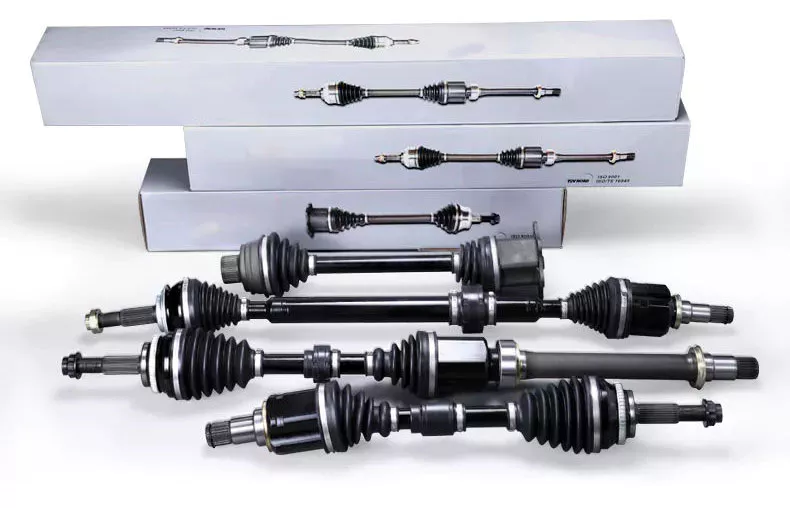
¿Qué prácticas de mantenimiento son cruciales para prolongar la vida útil de los ejes de transmisión?
Para prolongar la vida útil de los ejes de transmisión y garantizar su rendimiento óptimo, es fundamental seguir ciertas prácticas de mantenimiento. El mantenimiento regular ayuda a identificar y solucionar posibles problemas antes de que se agraven, reduce el desgaste y asegura que el eje de transmisión funcione de manera fluida y eficiente. A continuación, se presentan algunas prácticas de mantenimiento esenciales para prolongar la vida útil de los ejes de transmisión:
1. Inspección periódica:
Realizar inspecciones periódicas es fundamental para detectar cualquier signo de desgaste, daño o desalineación. Inspeccione visualmente el eje de transmisión, buscando grietas, abolladuras o cualquier signo de desgaste excesivo en el propio eje y sus componentes asociados, como juntas, horquillas y estrías. Verifique si hay fugas de lubricante o contaminación. Además, inspeccione los sujetadores y los puntos de montaje para asegurarse de que estén bien sujetos. La detección temprana de cualquier problema permite realizar reparaciones o reemplazos oportunos, evitando así daños mayores al eje de transmisión.
2. Lubricación:
Una lubricación adecuada es esencial para el buen funcionamiento y la durabilidad de los ejes de transmisión. Lubrique las juntas, como las juntas universales o las juntas homocinéticas, según las recomendaciones del fabricante. La lubricación reduce la fricción, minimiza el desgaste y ayuda a disipar el calor generado durante el funcionamiento. Utilice el lubricante apropiado para el eje de transmisión y la aplicación específicos, teniendo en cuenta factores como la temperatura, la carga y las condiciones de funcionamiento. Compruebe periódicamente los niveles de lubricación y rellénelos según sea necesario para garantizar un rendimiento óptimo y evitar fallos prematuros.
3. Equilibrio y alineación:
Mantener un correcto equilibrio y alineación es fundamental para la vida útil de los ejes de transmisión. Los desequilibrios o desalineaciones pueden provocar vibraciones, desgaste acelerado y posibles fallos. Si se detectan vibraciones o ruidos inusuales durante el funcionamiento, es importante solucionarlos de inmediato. Realice los procedimientos de equilibrado necesarios, incluido el equilibrado dinámico, para garantizar una distribución uniforme del peso a lo largo del eje de transmisión. Además, verifique que el eje de transmisión esté correctamente alineado con el motor o la fuente de alimentación y los componentes accionados. Una desalineación puede generar una tensión excesiva en el eje de transmisión, lo que puede provocar un fallo prematuro.
4. Recubrimientos protectores:
La aplicación de recubrimientos protectores puede prolongar la vida útil de los ejes de transmisión, especialmente en aplicaciones expuestas a entornos hostiles o sustancias corrosivas. Considere el uso de recubrimientos como el galvanizado, el recubrimiento en polvo o recubrimientos especiales resistentes a la corrosión para mejorar la resistencia del eje de transmisión a la corrosión, el óxido y los daños químicos. Inspeccione periódicamente el recubrimiento para detectar cualquier signo de degradación o daño, y vuelva a aplicarlo o repárelo según sea necesario para mantener la barrera protectora.
5. Comprobaciones de par y de los elementos de fijación:
Asegúrese de que los elementos de fijación del eje de transmisión, como pernos, tuercas o abrazaderas, estén correctamente apretados y sujetos según las especificaciones del fabricante. Los elementos de fijación flojos o mal apretados pueden provocar vibraciones excesivas, desalineación o incluso el desprendimiento del eje de transmisión. Revise y vuelva a apretar periódicamente los elementos de fijación según lo recomendado o después de cualquier procedimiento de mantenimiento o reparación. Además, supervise los niveles de par durante el funcionamiento para asegurarse de que se mantengan dentro del rango especificado, ya que un par excesivo puede sobrecargar el eje de transmisión y provocar una falla prematura.
6. Protección del medio ambiente:
Proteger el eje de transmisión de los factores ambientales puede prolongar significativamente su vida útil. En aplicaciones expuestas a temperaturas extremas, humedad, productos químicos o sustancias abrasivas, tome las medidas adecuadas para proteger el eje. Esto puede incluir el uso de cubiertas, sellos o protectores para evitar la entrada de contaminantes y daños. La limpieza regular del eje, especialmente en entornos sucios o corrosivos, también ayuda a eliminar residuos y a prevenir la acumulación de suciedad que podría comprometer su rendimiento y durabilidad.
7. Directrices del fabricante:
Siga las directrices y recomendaciones del fabricante para el mantenimiento específico del modelo y la aplicación del eje de transmisión. Las instrucciones del fabricante pueden incluir intervalos específicos para inspecciones, lubricación, equilibrado u otras tareas de mantenimiento. Seguir estas directrices garantiza el correcto mantenimiento del eje de transmisión, maximizando su vida útil y minimizando el riesgo de fallos inesperados.
Mediante la implementación de estas prácticas de mantenimiento, los ejes de transmisión pueden funcionar de manera confiable, mantener una transmisión de potencia eficiente y tener una vida útil prolongada, lo que en última instancia reduce el tiempo de inactividad y garantiza un rendimiento óptimo en diversas aplicaciones.
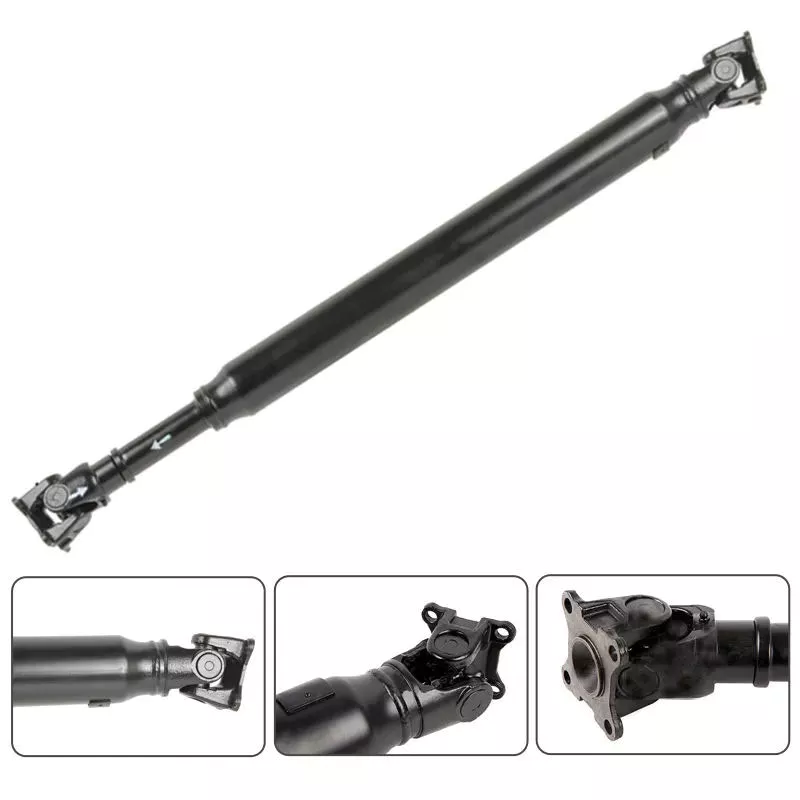
Can drive shafts be customized for specific vehicle or equipment requirements?
Yes, drive shafts can be customized to meet specific vehicle or equipment requirements. Customization allows manufacturers to tailor the design, dimensions, materials, and other parameters of the drive shaft to ensure compatibility and optimal performance within a particular vehicle or equipment. Here’s a detailed explanation of how drive shafts can be customized:
1. Dimensional Customization:
Drive shafts can be customized to match the dimensional requirements of the vehicle or equipment. This includes adjusting the overall length, diameter, and spline configuration to ensure proper fitment and clearances within the specific application. By customizing the dimensions, the drive shaft can be seamlessly integrated into the driveline system without any interference or limitations.
2. Material Selection:
The choice of materials for drive shafts can be customized based on the specific requirements of the vehicle or equipment. Different materials, such as steel alloys, aluminum alloys, or specialized composites, can be selected to optimize strength, weight, and durability. The material selection can be tailored to meet the torque, speed, and operating conditions of the application, ensuring the drive shaft’s reliability and longevity.
3. Joint Configuration:
Drive shafts can be customized with different joint configurations to accommodate specific vehicle or equipment requirements. For example, universal joints (U-joints) may be suitable for applications with lower operating angles and moderate torque demands, while constant velocity (CV) joints are often used in applications requiring higher operating angles and smoother power transmission. The choice of joint configuration depends on factors such as operating angle, torque capacity, and desired performance characteristics.
4. Torque and Power Capacity:
Customization allows drive shafts to be designed with the appropriate torque and power capacity for the specific vehicle or equipment. Manufacturers can analyze the torque requirements, operating conditions, and safety margins of the application to determine the optimal torque rating and power capacity of the drive shaft. This ensures that the drive shaft can handle the required loads without experiencing premature failure or performance issues.
5. Balancing and Vibration Control:
Drive shafts can be customized with precision balancing and vibration control measures. Imbalances in the drive shaft can lead to vibrations, increased wear, and potential driveline issues. By employing dynamic balancing techniques during the manufacturing process, manufacturers can minimize vibrations and ensure smooth operation. Additionally, vibration dampers or isolation systems can be integrated into the drive shaft design to further mitigate vibrations and enhance overall system performance.
6. Integration and Mounting Considerations:
Customization of drive shafts takes into account the integration and mounting requirements of the specific vehicle or equipment. Manufacturers work closely with the vehicle or equipment designers to ensure that the drive shaft fits seamlessly into the driveline system. This includes adapting the mounting points, interfaces, and clearances to ensure proper alignment and installation of the drive shaft within the vehicle or equipment.
7. Collaboration and Feedback:
Manufacturers often collaborate with vehicle manufacturers, OEMs (Original Equipment Manufacturers), or end-users to gather feedback and incorporate their specific requirements into the drive shaft customization process. By actively seeking input and feedback, manufacturers can address specific needs, optimize performance, and ensure compatibility with the vehicle or equipment. This collaborative approach enhances the customization process and results in drive shafts that meet the exact requirements of the application.
8. Compliance with Standards:
Customized drive shafts can be designed to comply with relevant industry standards and regulations. Compliance with standards, such as ISO (International Organization for Standardization) or specific industry standards, ensures that the customized drive shafts meet quality, safety, and performance requirements. Adhering to these standards provides assurance that the drive shafts are compatible and can be seamlessly integrated into the specific vehicle or equipment.
In summary, drive shafts can be customized to meet specific vehicle or equipment requirements through dimensional customization, material selection, joint configuration, torque and power capacity optimization, balancing and vibration control, integration and mounting considerations, collaboration with stakeholders, and compliance with industry standards. Customization allows drive shafts to be precisely tailored to the needs of the application, ensuring compatibility, reliability, and optimal performance.

What benefits do drive shafts offer for different types of vehicles and equipment?
Drive shafts offer several benefits for different types of vehicles and equipment. They play a crucial role in power transmission and contribute to the overall performance, efficiency, and functionality of various systems. Here’s a detailed explanation of the benefits that drive shafts provide:
1. Efficient Power Transmission:
Drive shafts enable efficient power transmission from the engine or power source to the wheels or driven components. By connecting the engine or motor to the driven system, drive shafts efficiently transfer rotational power, allowing vehicles and equipment to perform their intended functions. This efficient power transmission ensures that the power generated by the engine is effectively utilized, optimizing the overall performance and productivity of the system.
2. Versatilidad:
Drive shafts offer versatility in their applications. They are used in various types of vehicles, including cars, trucks, motorcycles, and off-road vehicles. Additionally, drive shafts are employed in a wide range of equipment and machinery, such as agricultural machinery, construction equipment, industrial machinery, and marine vessels. The ability to adapt to different types of vehicles and equipment makes drive shafts a versatile component for power transmission.
3. Torque Handling:
Drive shafts are designed to handle high levels of torque. Torque is the rotational force generated by the engine or power source. Drive shafts are engineered to efficiently transmit this torque without excessive twisting or bending. By effectively handling torque, drive shafts ensure that the power generated by the engine is reliably transferred to the wheels or driven components, enabling vehicles and equipment to overcome resistance, such as heavy loads or challenging terrains.
4. Flexibility and Compensation:
Drive shafts provide flexibility and compensation for angular movement and misalignment. In vehicles, drive shafts accommodate the movement of the suspension system, allowing the wheels to move up and down independently. This flexibility ensures a constant power transfer even when the vehicle encounters uneven terrain. Similarly, in machinery, drive shafts compensate for misalignment between the engine or motor and the driven components, ensuring smooth power transmission and preventing excessive stress on the drivetrain.
5. Reducción de peso:
Drive shafts contribute to weight reduction in vehicles and equipment. Compared to other forms of power transmission, such as belt drives or chain drives, drive shafts are typically lighter in weight. This reduction in weight helps improve fuel efficiency in vehicles and reduces the overall weight of equipment, leading to enhanced maneuverability and increased payload capacity. Additionally, lighter drive shafts contribute to a better power-to-weight ratio, resulting in improved performance and acceleration.
6. Durability and Longevity:
Drive shafts are designed to be durable and long-lasting. They are constructed using materials such as steel or aluminum, which offer high strength and resistance to wear and fatigue. Drive shafts undergo rigorous testing and quality control measures to ensure their reliability and longevity. Proper maintenance, including lubrication and regular inspections, further enhances their durability. The robust construction and long lifespan of drive shafts contribute to the overall reliability and cost-effectiveness of vehicles and equipment.
7. Safety:
Drive shafts incorporate safety features to protect operators and bystanders. In vehicles, drive shafts are often enclosed within a protective tube or housing, preventing contact with moving parts and reducing the risk of injury in the event of a failure. Similarly, in machinery, safety shields or guards are commonly installed around exposed drive shafts to minimize the potential hazards associated with rotating components. These safety measures ensure the well-being of individuals operating or working in proximity to vehicles and equipment.
In summary, drive shafts offer several benefits for different types of vehicles and equipment. They enable efficient power transmission, provide versatility in various applications, handle torque effectively, offer flexibility and compensation, contribute to weight reduction, ensure durability and longevity, and incorporate safety features. By providing these advantages, drive shafts enhance the performance, efficiency, reliability, and safety of vehicles and equipment across a wide range of industries.


editor by CX 2024-04-16

























