
Produktbeskrivning
Structure: 70#~75# high-carbon steel wire
Direction of Twist: Levorotation and dextrorotation
Applicable Scope: Vibrating machine, automobile, motorbike, counter, revolution counter, electric tools, gardening machinery mower, and various mechanical flexible rotations.
Function: Smooth, flexible, highly-elastic, and wear resistant
| Diameter (mm) |
Tolerance (mm) |
Number of Layers |
Loading Moment (N @ m) (Sample 500mm Long) |
Weight (kg/ 100m) |
|
| 2.0 |
+0.02 -0.02 |
3/5 |
0.8 |
1.8 |
|
| 2.5 |
3/5 |
1.0 |
2.8 |
||
| 3.2 |
3/5 |
1.3 |
4.6 |
||
| 3.8 |
3/5 |
1.5 |
6.5 |
||
| 5.0 |
+0.00 -0.05 |
3/4/5 |
1.8 |
11.3 |
|
| 6.0 |
3/4/5 |
2.4 |
16.2 |
||
| 6.5 |
4/5/7 |
2.9 |
18.7 |
||
| 8.0 |
|
4/5/6/7 |
7.5 |
28.8 |
|
| 10 |
4/5/6/7 |
22.5 |
45.5 |
||
| 12 |
4/5/6/7 |
39.0 |
66.5 |
||
| 13 |
4/5/6/7 |
50.5 |
77.5 |
||
| 16 |
4/5/6/7 |
115.0 |
114 |
||
| 18 |
4/5/6/7 |
160 |
145 |
||
| The flexible shafts not listed in the chart can be customized |
|||||
/* 22 januari 2571 19:08:37 */!function(){function s(e,r){var a,o={};try{e&&e.split(“,”).forEach(function(e,t){e&&(a=e.match(/(.*?):(.*)$/)))
| Material: | Kolstål |
|---|---|
| Ladda: | Drivaxel |
| Styvhet och flexibilitet: | Flexible Shaft |
| Axelform: | Soft Wire Shaft |
| Axelform: | Real Axis |
| Appearance Shape: | Round |
| Prover: |
US$ 1/Meter
1 Meter(Min.Order) | |
|---|
| Anpassning: |
Tillgänglig
| Anpassad förfrågan |
|---|
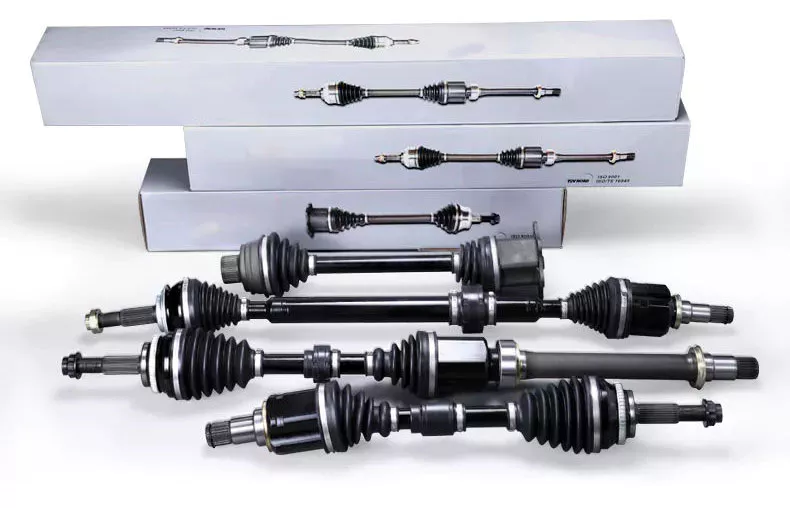
Vilka underhållsrutiner är avgörande för att förlänga livslängden på drivaxlar?
För att förlänga livslängden på drivaxlar och säkerställa optimal prestanda är flera underhållsrutiner avgörande. Regelbundet underhåll hjälper till att identifiera och åtgärda potentiella problem innan de eskalerar, minskar slitage och säkerställer att drivaxeln fungerar smidigt och effektivt. Här är några viktiga underhållsrutiner för att förlänga livslängden på drivaxlar:
1. Regelbunden inspektion:
Att utföra regelbundna inspektioner är avgörande för att upptäcka tecken på slitage, skador eller feljustering. Inspektera drivaxeln visuellt och leta efter sprickor, bucklor eller tecken på kraftigt slitage på själva axeln och dess tillhörande komponenter, såsom leder, ok och splines. Kontrollera om det finns tecken på smörjläckage eller kontaminering. Inspektera dessutom fästelement och monteringspunkter för att säkerställa att de är säkra. Tidig upptäckt av eventuella problem möjliggör snabba reparationer eller utbyten, vilket förhindrar ytterligare skador på drivaxeln.
2. Smörjning:
Korrekt smörjning är avgörande för smidig drift och livslängd hos drivaxlar. Smörj lederna, såsom universalkopplingar eller konstanthastighetskopplingar, enligt tillverkarens rekommendationer. Smörjning minskar friktion, minimerar slitage och hjälper till att avleda värme som genereras under drift. Använd lämpligt smörjmedel som specificeras för den specifika drivaxeln och tillämpningen, med hänsyn till faktorer som temperatur, belastning och driftsförhållanden. Kontrollera regelbundet smörjnivåerna och fyll på vid behov för att säkerställa optimal prestanda och förhindra för tidigt haveri.
3. Balansering och uppriktning:
Att upprätthålla korrekt balansering och uppriktning är avgörande för drivaxlarnas livslängd. Obalanser eller feljusteringar kan leda till vibrationer, snabbare slitage och potentiellt haveri. Om vibrationer eller ovanliga ljud upptäcks under drift är det viktigt att åtgärda dem omedelbart. Utför balanseringsprocedurer vid behov, inklusive dynamisk balansering, för att säkerställa jämn viktfördelning längs drivaxeln. Kontrollera dessutom att drivaxeln är korrekt uppriktad i förhållande till motorn eller kraftkällan och de drivna komponenterna. Feljustering kan orsaka överdriven belastning på drivaxeln, vilket kan leda till förtida haveri.
4. Skyddande beläggningar:
Att applicera skyddande beläggningar kan bidra till att förlänga livslängden på drivaxlar, särskilt i tillämpningar som utsätts för tuffa miljöer eller frätande ämnen. Överväg att använda beläggningar som zinkplätering, pulverlackering eller specialiserade korrosionsbeständiga beläggningar för att förbättra drivaxelns motståndskraft mot korrosion, rost och kemiska skador. Inspektera regelbundet beläggningen för tecken på nedbrytning eller skador och applicera på nytt eller reparera vid behov för att bibehålla den skyddande barriären.
5. Kontroll av vridmoment och fästelement:
Säkerställ att drivaxelns fästelement, såsom bultar, muttrar eller klämmor, är korrekt åtdragna och säkrade enligt tillverkarens specifikationer. Lösa eller felaktigt åtdragna fästelement kan leda till kraftiga vibrationer, feljustering eller till och med lossning av drivaxeln. Kontrollera och dra åt fästelementen regelbundet enligt rekommendationer eller efter underhålls- eller reparationsprocedurer. Övervaka dessutom åtdragningsmomentnivåerna under drift för att säkerställa att de håller sig inom det angivna intervallet, eftersom för högt vridmoment kan belasta drivaxeln och leda till förtida haveri.
6. Miljöskydd:
Att skydda drivaxeln från miljöfaktorer kan avsevärt förlänga dess livslängd. I tillämpningar som utsätts för extrema temperaturer, fukt, kemikalier eller slipande ämnen, vidta lämpliga åtgärder för att skydda drivaxeln. Detta kan inkludera att använda skyddskåpor, tätningar eller skydd för att förhindra att föroreningar tränger in och orsakar skador. Regelbunden rengöring av drivaxeln, särskilt i smutsiga eller korrosiva miljöer, kan också hjälpa till att ta bort skräp och förhindra ansamling som kan äventyra dess prestanda och livslängd.
7. Tillverkarens riktlinjer:
Följ tillverkarens riktlinjer och rekommendationer för underhållsmetoder specifika för drivaxelmodellen och tillämpningen. Tillverkarens instruktioner kan innehålla specifika intervall för inspektioner, smörjning, balansering eller andra underhållsuppgifter. Genom att följa dessa riktlinjer säkerställs att drivaxeln underhålls och servas korrekt, vilket maximerar dess livslängd och minimerar risken för oväntade fel.
Genom att implementera dessa underhållsmetoder kan drivaxlar fungera tillförlitligt, bibehålla effektiv kraftöverföring och ha en förlängd livslängd, vilket i slutändan minskar stilleståndstiden och säkerställer optimal prestanda i olika applikationer.

Can drive shafts be customized for specific vehicle or equipment requirements?
Yes, drive shafts can be customized to meet specific vehicle or equipment requirements. Customization allows manufacturers to tailor the design, dimensions, materials, and other parameters of the drive shaft to ensure compatibility and optimal performance within a particular vehicle or equipment. Here’s a detailed explanation of how drive shafts can be customized:
1. Dimensional Customization:
Drive shafts can be customized to match the dimensional requirements of the vehicle or equipment. This includes adjusting the overall length, diameter, and spline configuration to ensure proper fitment and clearances within the specific application. By customizing the dimensions, the drive shaft can be seamlessly integrated into the driveline system without any interference or limitations.
2. Material Selection:
The choice of materials for drive shafts can be customized based on the specific requirements of the vehicle or equipment. Different materials, such as steel alloys, aluminum alloys, or specialized composites, can be selected to optimize strength, weight, and durability. The material selection can be tailored to meet the torque, speed, and operating conditions of the application, ensuring the drive shaft’s reliability and longevity.
3. Joint Configuration:
Drive shafts can be customized with different joint configurations to accommodate specific vehicle or equipment requirements. For example, universal joints (U-joints) may be suitable for applications with lower operating angles and moderate torque demands, while constant velocity (CV) joints are often used in applications requiring higher operating angles and smoother power transmission. The choice of joint configuration depends on factors such as operating angle, torque capacity, and desired performance characteristics.
4. Torque and Power Capacity:
Customization allows drive shafts to be designed with the appropriate torque and power capacity for the specific vehicle or equipment. Manufacturers can analyze the torque requirements, operating conditions, and safety margins of the application to determine the optimal torque rating and power capacity of the drive shaft. This ensures that the drive shaft can handle the required loads without experiencing premature failure or performance issues.
5. Balancing and Vibration Control:
Drive shafts can be customized with precision balancing and vibration control measures. Imbalances in the drive shaft can lead to vibrations, increased wear, and potential driveline issues. By employing dynamic balancing techniques during the manufacturing process, manufacturers can minimize vibrations and ensure smooth operation. Additionally, vibration dampers or isolation systems can be integrated into the drive shaft design to further mitigate vibrations and enhance overall system performance.
6. Integration and Mounting Considerations:
Customization of drive shafts takes into account the integration and mounting requirements of the specific vehicle or equipment. Manufacturers work closely with the vehicle or equipment designers to ensure that the drive shaft fits seamlessly into the driveline system. This includes adapting the mounting points, interfaces, and clearances to ensure proper alignment and installation of the drive shaft within the vehicle or equipment.
7. Collaboration and Feedback:
Manufacturers often collaborate with vehicle manufacturers, OEMs (Original Equipment Manufacturers), or end-users to gather feedback and incorporate their specific requirements into the drive shaft customization process. By actively seeking input and feedback, manufacturers can address specific needs, optimize performance, and ensure compatibility with the vehicle or equipment. This collaborative approach enhances the customization process and results in drive shafts that meet the exact requirements of the application.
8. Compliance with Standards:
Customized drive shafts can be designed to comply with relevant industry standards and regulations. Compliance with standards, such as ISO (International Organization for Standardization) or specific industry standards, ensures that the customized drive shafts meet quality, safety, and performance requirements. Adhering to these standards provides assurance that the drive shafts are compatible and can be seamlessly integrated into the specific vehicle or equipment.
In summary, drive shafts can be customized to meet specific vehicle or equipment requirements through dimensional customization, material selection, joint configuration, torque and power capacity optimization, balancing and vibration control, integration and mounting considerations, collaboration with stakeholders, and compliance with industry standards. Customization allows drive shafts to be precisely tailored to the needs of the application, ensuring compatibility, reliability, and optimal performance.

What benefits do drive shafts offer for different types of vehicles and equipment?
Drive shafts offer several benefits for different types of vehicles and equipment. They play a crucial role in power transmission and contribute to the overall performance, efficiency, and functionality of various systems. Here’s a detailed explanation of the benefits that drive shafts provide:
1. Efficient Power Transmission:
Drive shafts enable efficient power transmission from the engine or power source to the wheels or driven components. By connecting the engine or motor to the driven system, drive shafts efficiently transfer rotational power, allowing vehicles and equipment to perform their intended functions. This efficient power transmission ensures that the power generated by the engine is effectively utilized, optimizing the overall performance and productivity of the system.
2. Mångsidighet:
Drive shafts offer versatility in their applications. They are used in various types of vehicles, including cars, trucks, motorcycles, and off-road vehicles. Additionally, drive shafts are employed in a wide range of equipment and machinery, such as agricultural machinery, construction equipment, industrial machinery, and marine vessels. The ability to adapt to different types of vehicles and equipment makes drive shafts a versatile component for power transmission.
3. Torque Handling:
Drive shafts are designed to handle high levels of torque. Torque is the rotational force generated by the engine or power source. Drive shafts are engineered to efficiently transmit this torque without excessive twisting or bending. By effectively handling torque, drive shafts ensure that the power generated by the engine is reliably transferred to the wheels or driven components, enabling vehicles and equipment to overcome resistance, such as heavy loads or challenging terrains.
4. Flexibility and Compensation:
Drive shafts provide flexibility and compensation for angular movement and misalignment. In vehicles, drive shafts accommodate the movement of the suspension system, allowing the wheels to move up and down independently. This flexibility ensures a constant power transfer even when the vehicle encounters uneven terrain. Similarly, in machinery, drive shafts compensate for misalignment between the engine or motor and the driven components, ensuring smooth power transmission and preventing excessive stress on the drivetrain.
5. Weight Reduction:
Drive shafts contribute to weight reduction in vehicles and equipment. Compared to other forms of power transmission, such as belt drives or chain drives, drive shafts are typically lighter in weight. This reduction in weight helps improve fuel efficiency in vehicles and reduces the overall weight of equipment, leading to enhanced maneuverability and increased payload capacity. Additionally, lighter drive shafts contribute to a better power-to-weight ratio, resulting in improved performance and acceleration.
6. Durability and Longevity:
Drive shafts are designed to be durable and long-lasting. They are constructed using materials such as steel or aluminum, which offer high strength and resistance to wear and fatigue. Drive shafts undergo rigorous testing and quality control measures to ensure their reliability and longevity. Proper maintenance, including lubrication and regular inspections, further enhances their durability. The robust construction and long lifespan of drive shafts contribute to the overall reliability and cost-effectiveness of vehicles and equipment.
7. Safety:
Drive shafts incorporate safety features to protect operators and bystanders. In vehicles, drive shafts are often enclosed within a protective tube or housing, preventing contact with moving parts and reducing the risk of injury in the event of a failure. Similarly, in machinery, safety shields or guards are commonly installed around exposed drive shafts to minimize the potential hazards associated with rotating components. These safety measures ensure the well-being of individuals operating or working in proximity to vehicles and equipment.
In summary, drive shafts offer several benefits for different types of vehicles and equipment. They enable efficient power transmission, provide versatility in various applications, handle torque effectively, offer flexibility and compensation, contribute to weight reduction, ensure durability and longevity, and incorporate safety features. By providing these advantages, drive shafts enhance the performance, efficiency, reliability, and safety of vehicles and equipment across a wide range of industries.


editor by CX 2024-04-16

























