
Productbeschrijving
Structure: 70#~75# high-carbon steel wire
Direction of Twist: Levorotation and dextrorotation
Applicable Scope: Vibrating machine, automobile, motorbike, counter, revolution counter, electric tools, gardening machinery mower, and various mechanical flexible rotations.
Function: Smooth, flexible, highly-elastic, and wear resistant
| Diameter (mm) |
Tolerance (mm) |
Number of Layers |
Loading Moment (N @ m) (Sample 500mm Long) |
Weight (kg/ 100m) |
|
| 2.0 |
+0.02 -0.02 |
3/5 |
0.8 |
1.8 |
|
| 2.5 |
3/5 |
1.0 |
2.8 |
||
| 3.2 |
3/5 |
1.3 |
4.6 |
||
| 3.8 |
3/5 |
1.5 |
6.5 |
||
| 5.0 |
+0.00 -0.05 |
3/4/5 |
1.8 |
11.3 |
|
| 6.0 |
3/4/5 |
2.4 |
16.2 |
||
| 6.5 |
4/5/7 |
2.9 |
18.7 |
||
| 8.0 |
|
4/5/6/7 |
7.5 |
28.8 |
|
| 10 |
4/5/6/7 |
22.5 |
45.5 |
||
| 12 |
4/5/6/7 |
39.0 |
66.5 |
||
| 13 |
4/5/6/7 |
50.5 |
77.5 |
||
| 16 |
4/5/6/7 |
115.0 |
114 |
||
| 18 |
4/5/6/7 |
160 |
145 |
||
| The flexible shafts not listed in the chart can be customized |
|||||
/* 22 januari 2571 19:08:37 */!function(){function s(e,r){var a,o={};try{e&&e.split(“,”).forEach(function(e,t){e&&(a=e.match(/(.*?):(.*)$/))&&1
| Materiaal: | Koolstofstaal |
|---|---|
| Laden: | Aandrijfas |
| Stijfheid en flexibiliteit: | Flexible Shaft |
| Asvorm: | Soft Wire Shaft |
| Schachtvorm: | Reële as |
| Appearance Shape: | Round |
| Voorbeelden: |
US$ 1/Meter
1 Meter(Min.Order) | |
|---|
| Aanpassing: |
Beschikbaar
| Aanvraag op maat |
|---|
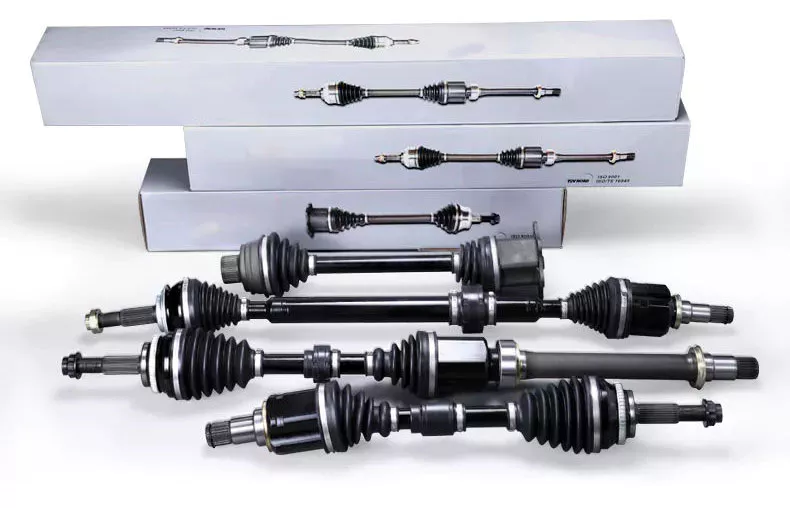
What maintenance practices are crucial for prolonging the lifespan of drive shafts?
To prolong the lifespan of drive shafts and ensure their optimal performance, several maintenance practices are crucial. Regular maintenance helps identify and address potential issues before they escalate, reduces wear and tear, and ensures the drive shaft operates smoothly and efficiently. Here are some essential maintenance practices for prolonging the lifespan of drive shafts:
1. Regular Inspection:
Performing regular inspections is vital for detecting any signs of wear, damage, or misalignment. Inspect the drive shaft visually, looking for cracks, dents, or any signs of excessive wear on the shaft itself and its associated components such as joints, yokes, and splines. Check for any signs of lubrication leaks or contamination. Additionally, inspect the fasteners and mounting points to ensure they are secure. Early detection of any issues allows for timely repairs or replacements, preventing further damage to the drive shaft.
2. Lubrication:
Proper lubrication is essential for the smooth operation and longevity of drive shafts. Lubricate the joints, such as universal joints or constant velocity joints, as recommended by the manufacturer. Lubrication reduces friction, minimizes wear, and helps dissipate heat generated during operation. Use the appropriate lubricant specified for the specific drive shaft and application, considering factors such as temperature, load, and operating conditions. Regularly check the lubrication levels and replenish as necessary to ensure optimal performance and prevent premature failure.
3. Balancing and Alignment:
Maintaining proper balancing and alignment is crucial for the lifespan of drive shafts. Imbalances or misalignments can lead to vibrations, accelerated wear, and potential failure. If vibrations or unusual noises are detected during operation, it is important to address them promptly. Perform balancing procedures as necessary, including dynamic balancing, to ensure even weight distribution along the drive shaft. Additionally, verify that the drive shaft is correctly aligned with the engine or power source and the driven components. Misalignment can cause excessive stress on the drive shaft, leading to premature failure.
4. Protective Coatings:
Applying protective coatings can help prolong the lifespan of drive shafts, particularly in applications exposed to harsh environments or corrosive substances. Consider using coatings such as zinc plating, powder coating, or specialized corrosion-resistant coatings to enhance the drive shaft’s resistance to corrosion, rust, and chemical damage. Regularly inspect the coating for any signs of degradation or damage, and reapply or repair as necessary to maintain the protective barrier.
5. Torque and Fastener Checks:
Ensure that the drive shaft’s fasteners, such as bolts, nuts, or clamps, are properly torqued and secured according to the manufacturer’s specifications. Loose or improperly tightened fasteners can lead to excessive vibrations, misalignment, or even detachment of the drive shaft. Periodically check and retighten the fasteners as recommended or after any maintenance or repair procedures. Additionally, monitor the torque levels during operation to ensure they remain within the specified range, as excessive torque can strain the drive shaft and lead to premature failure.
6. Environmental Protection:
Protecting the drive shaft from environmental factors can significantly extend its lifespan. In applications exposed to extreme temperatures, moisture, chemicals, or abrasive substances, take appropriate measures to shield the drive shaft. This may include using protective covers, seals, or guards to prevent contaminants from entering and causing damage. Regular cleaning of the drive shaft, especially in dirty or corrosive environments, can also help remove debris and prevent buildup that could compromise its performance and longevity.
7. Manufacturer Guidelines:
Follow the manufacturer’s guidelines and recommendations for maintenance practices specific to the drive shaft model and application. The manufacturer’s instructions may include specific intervals for inspections, lubrication, balancing, or other maintenance tasks. Adhering to these guidelines ensures that the drive shaft is properly maintained and serviced, maximizing its lifespan and minimizing the risk of unexpected failures.
By implementing these maintenance practices, drive shafts can operate reliably, maintain efficient power transmission, and have an extended service life, ultimately reducing downtime and ensuring optimal performance in various applications.
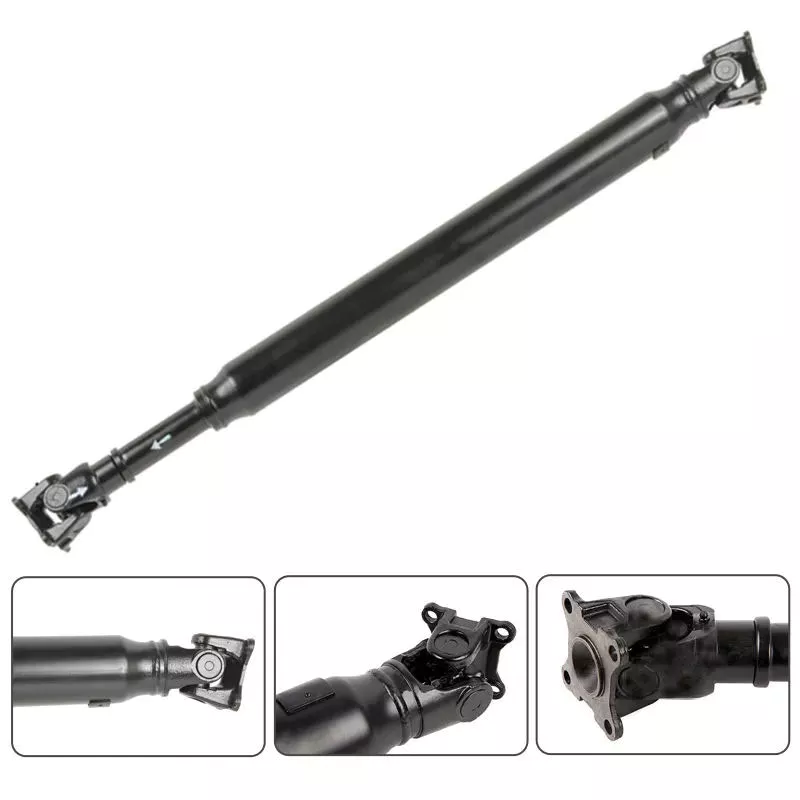
Kunnen aandrijfassen worden aangepast aan specifieke eisen van voertuigen of apparatuur?
Ja, aandrijfassen kunnen worden aangepast aan specifieke eisen van voertuigen of apparatuur. Dankzij maatwerk kunnen fabrikanten het ontwerp, de afmetingen, de materialen en andere parameters van de aandrijfas afstemmen om compatibiliteit en optimale prestaties binnen een bepaald voertuig of apparaat te garanderen. Hieronder vindt u een gedetailleerde uitleg over hoe aandrijfassen kunnen worden aangepast:
1. Maatwerk op maat:
Aandrijfassen kunnen worden aangepast aan de dimensionale eisen van het voertuig of de apparatuur. Dit omvat het aanpassen van de totale lengte, diameter en vertanding om een goede pasvorm en voldoende speling binnen de specifieke toepassing te garanderen. Door de afmetingen aan te passen, kan de aandrijfas naadloos in het aandrijfsysteem worden geïntegreerd zonder interferentie of beperkingen.
2. Materiaalselectie:
De materiaalkeuze voor aandrijfassen kan worden afgestemd op de specifieke eisen van het voertuig of de apparatuur. Verschillende materialen, zoals staallegeringen, aluminiumlegeringen of speciale composieten, kunnen worden geselecteerd om sterkte, gewicht en duurzaamheid te optimaliseren. De materiaalkeuze kan worden afgestemd op het koppel, de snelheid en de bedrijfsomstandigheden van de toepassing, waardoor de betrouwbaarheid en levensduur van de aandrijfas worden gewaarborgd.
3. Gezamenlijke configuratie:
Aandrijfassen kunnen worden aangepast met verschillende koppelingsconfiguraties om te voldoen aan specifieke eisen van voertuigen of apparatuur. Zo zijn kruiskoppelingen (U-koppelingen) geschikt voor toepassingen met een kleinere werkingshoek en een gemiddeld koppel, terwijl homokinetische koppelingen (CV-koppelingen) vaak worden gebruikt in toepassingen die een grotere werkingshoek en een soepelere krachtoverbrenging vereisen. De keuze van de koppelingsconfiguratie hangt af van factoren zoals de werkingshoek, het koppelvermogen en de gewenste prestatiekarakteristieken.
4. Koppel en vermogen:
Dankzij maatwerk kunnen aandrijfassen worden ontworpen met het juiste koppel en vermogen voor het specifieke voertuig of de specifieke apparatuur. Fabrikanten kunnen de koppelvereisten, bedrijfsomstandigheden en veiligheidsmarges van de toepassing analyseren om het optimale koppel en vermogen van de aandrijfas te bepalen. Dit zorgt ervoor dat de aandrijfas de vereiste belastingen aankan zonder voortijdige slijtage of prestatieproblemen.
5. Balancering en trillingsbeheersing:
Aandrijfassen kunnen worden aangepast met precisiebalancering en trillingsbeheersing. Onevenwichtigheden in de aandrijfas kunnen leiden tot trillingen, verhoogde slijtage en mogelijke problemen met de aandrijflijn. Door dynamische balanceringstechnieken toe te passen tijdens het productieproces, kunnen fabrikanten trillingen minimaliseren en een soepele werking garanderen. Daarnaast kunnen trillingsdempers of isolatiesystemen in het ontwerp van de aandrijfas worden geïntegreerd om trillingen verder te verminderen en de algehele systeemprestaties te verbeteren.
6. Integratie- en montageoverwegingen:
Bij het op maat maken van aandrijfassen wordt rekening gehouden met de integratie- en montagevereisten van het specifieke voertuig of de specifieke apparatuur. Fabrikanten werken nauw samen met de ontwerpers van het voertuig of de apparatuur om ervoor te zorgen dat de aandrijfas naadloos in het aandrijfsysteem past. Dit omvat het aanpassen van de montagepunten, interfaces en spelingen om een correcte uitlijning en installatie van de aandrijfas in het voertuig of de apparatuur te garanderen.
7. Samenwerking en feedback:
Fabrikanten werken vaak samen met voertuigfabrikanten, OEM's (Original Equipment Manufacturers) of eindgebruikers om feedback te verzamelen en hun specifieke eisen te verwerken in het aanpassingsproces van de aandrijfas. Door actief input en feedback te vragen, kunnen fabrikanten inspelen op specifieke behoeften, de prestaties optimaliseren en compatibiliteit met het voertuig of de apparatuur garanderen. Deze samenwerkingsaanpak verbetert het aanpassingsproces en resulteert in aandrijfassen die precies voldoen aan de eisen van de toepassing.
8. Naleving van normen:
Aandrijfassen op maat kunnen worden ontworpen om te voldoen aan de relevante industrienormen en -voorschriften. Naleving van normen, zoals ISO (Internationale Organisatie voor Standaardisatie) of specifieke industrienormen, garandeert dat de op maat gemaakte aandrijfassen voldoen aan de eisen op het gebied van kwaliteit, veiligheid en prestaties. Het naleven van deze normen biedt de zekerheid dat de aandrijfassen compatibel zijn en naadloos kunnen worden geïntegreerd in het betreffende voertuig of de betreffende apparatuur.
Samenvattend kunnen aandrijfassen worden aangepast aan specifieke eisen van voertuigen of apparatuur door middel van dimensionale aanpassingen, materiaalkeuze, configuratie van de koppelingen, optimalisatie van koppel en vermogen, balanceren en trillingsbeheersing, integratie- en montageoverwegingen, samenwerking met belanghebbenden en naleving van industrienormen. Maatwerk maakt het mogelijk om aandrijfassen nauwkeurig af te stemmen op de behoeften van de toepassing, waardoor compatibiliteit, betrouwbaarheid en optimale prestaties worden gegarandeerd.
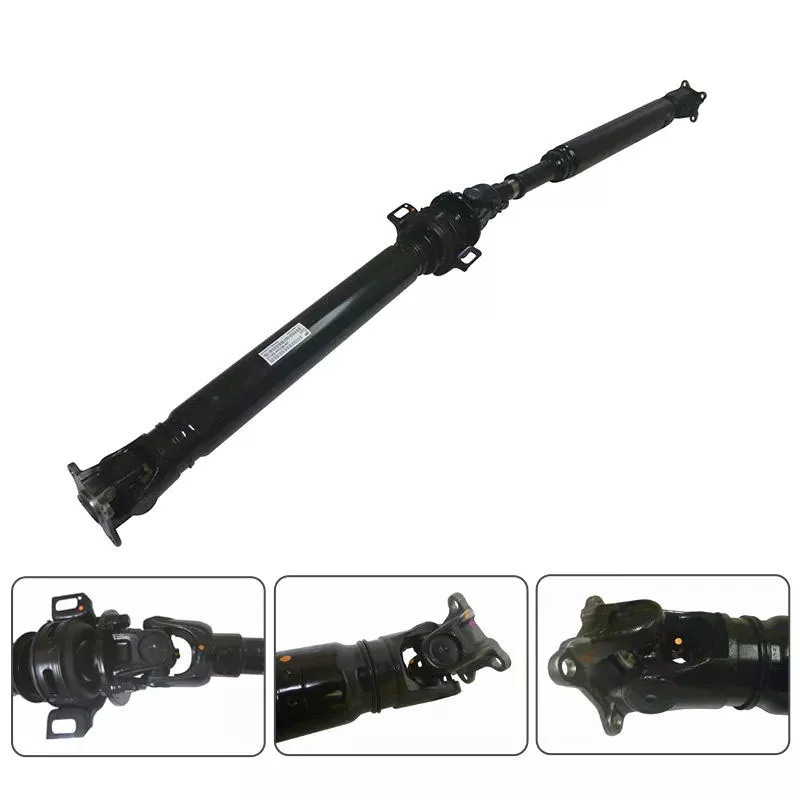
What benefits do drive shafts offer for different types of vehicles and equipment?
Drive shafts offer several benefits for different types of vehicles and equipment. They play a crucial role in power transmission and contribute to the overall performance, efficiency, and functionality of various systems. Here’s a detailed explanation of the benefits that drive shafts provide:
1. Efficient Power Transmission:
Drive shafts enable efficient power transmission from the engine or power source to the wheels or driven components. By connecting the engine or motor to the driven system, drive shafts efficiently transfer rotational power, allowing vehicles and equipment to perform their intended functions. This efficient power transmission ensures that the power generated by the engine is effectively utilized, optimizing the overall performance and productivity of the system.
2. Versatility:
Drive shafts offer versatility in their applications. They are used in various types of vehicles, including cars, trucks, motorcycles, and off-road vehicles. Additionally, drive shafts are employed in a wide range of equipment and machinery, such as agricultural machinery, construction equipment, industrial machinery, and marine vessels. The ability to adapt to different types of vehicles and equipment makes drive shafts a versatile component for power transmission.
3. Torque Handling:
Drive shafts are designed to handle high levels of torque. Torque is the rotational force generated by the engine or power source. Drive shafts are engineered to efficiently transmit this torque without excessive twisting or bending. By effectively handling torque, drive shafts ensure that the power generated by the engine is reliably transferred to the wheels or driven components, enabling vehicles and equipment to overcome resistance, such as heavy loads or challenging terrains.
4. Flexibility and Compensation:
Drive shafts provide flexibility and compensation for angular movement and misalignment. In vehicles, drive shafts accommodate the movement of the suspension system, allowing the wheels to move up and down independently. This flexibility ensures a constant power transfer even when the vehicle encounters uneven terrain. Similarly, in machinery, drive shafts compensate for misalignment between the engine or motor and the driven components, ensuring smooth power transmission and preventing excessive stress on the drivetrain.
5. Weight Reduction:
Drive shafts contribute to weight reduction in vehicles and equipment. Compared to other forms of power transmission, such as belt drives or chain drives, drive shafts are typically lighter in weight. This reduction in weight helps improve fuel efficiency in vehicles and reduces the overall weight of equipment, leading to enhanced maneuverability and increased payload capacity. Additionally, lighter drive shafts contribute to a better power-to-weight ratio, resulting in improved performance and acceleration.
6. Durability and Longevity:
Drive shafts are designed to be durable and long-lasting. They are constructed using materials such as steel or aluminum, which offer high strength and resistance to wear and fatigue. Drive shafts undergo rigorous testing and quality control measures to ensure their reliability and longevity. Proper maintenance, including lubrication and regular inspections, further enhances their durability. The robust construction and long lifespan of drive shafts contribute to the overall reliability and cost-effectiveness of vehicles and equipment.
7. Safety:
Drive shafts incorporate safety features to protect operators and bystanders. In vehicles, drive shafts are often enclosed within a protective tube or housing, preventing contact with moving parts and reducing the risk of injury in the event of a failure. Similarly, in machinery, safety shields or guards are commonly installed around exposed drive shafts to minimize the potential hazards associated with rotating components. These safety measures ensure the well-being of individuals operating or working in proximity to vehicles and equipment.
In summary, drive shafts offer several benefits for different types of vehicles and equipment. They enable efficient power transmission, provide versatility in various applications, handle torque effectively, offer flexibility and compensation, contribute to weight reduction, ensure durability and longevity, and incorporate safety features. By providing these advantages, drive shafts enhance the performance, efficiency, reliability, and safety of vehicles and equipment across a wide range of industries.


Bewerkt door CX 2024-04-16

























