
Mô tả sản phẩm
Structure: 70#~75# high-carbon steel wire
Direction of Twist: Levorotation and dextrorotation
Applicable Scope: Vibrating machine, automobile, motorbike, counter, revolution counter, electric tools, gardening machinery mower, and various mechanical flexible rotations.
Function: Smooth, flexible, highly-elastic, and wear resistant
| Diameter (mm) |
Tolerance (mm) |
Number of Layers |
Loading Moment (N @ m) (Sample 500mm Long) |
Weight (kg/ 100m) |
|
| 2.0 |
+0.02 -0.02 |
3/5 |
0.8 |
1.8 |
|
| 2.5 |
3/5 |
1.0 |
2.8 |
||
| 3.2 |
3/5 |
1.3 |
4.6 |
||
| 3.8 |
3/5 |
1.5 |
6.5 |
||
| 5.0 |
+0.00 -0.05 |
3/4/5 |
1.8 |
11.3 |
|
| 6.0 |
3/4/5 |
2.4 |
16.2 |
||
| 6.5 |
4/5/7 |
2.9 |
18.7 |
||
| 8.0 |
|
4/5/6/7 |
7.5 |
28.8 |
|
| 10 |
4/5/6/7 |
22.5 |
45.5 |
||
| 12 |
4/5/6/7 |
39.0 |
66.5 |
||
| 13 |
4/5/6/7 |
50.5 |
77.5 |
||
| 16 |
4/5/6/7 |
115.0 |
114 |
||
| 18 |
4/5/6/7 |
160 |
145 |
||
| The flexible shafts not listed in the chart can be customized |
|||||
/* Ngày 22 tháng 1 năm 2571 19:08:37 */!function(){function s(e,r){var a,o={};try{e&&e.split(“,”).forEach(function(e,t){e&&(a=e.match(/(.*?):(.*)$/))&&1
| Vật liệu: | Thép cacbon |
|---|---|
| Trọng tải: | Trục truyền động |
| Độ cứng và độ linh hoạt: | Flexible Shaft |
| Hình dạng trục: | Soft Wire Shaft |
| Hình dạng trục: | Real Axis |
| Appearance Shape: | Round |
| Mẫu: |
US$ 1/Meter
1 Meter(Min.Order) | |
|---|
| Tùy chỉnh: |
Có sẵn
| Yêu cầu tùy chỉnh |
|---|
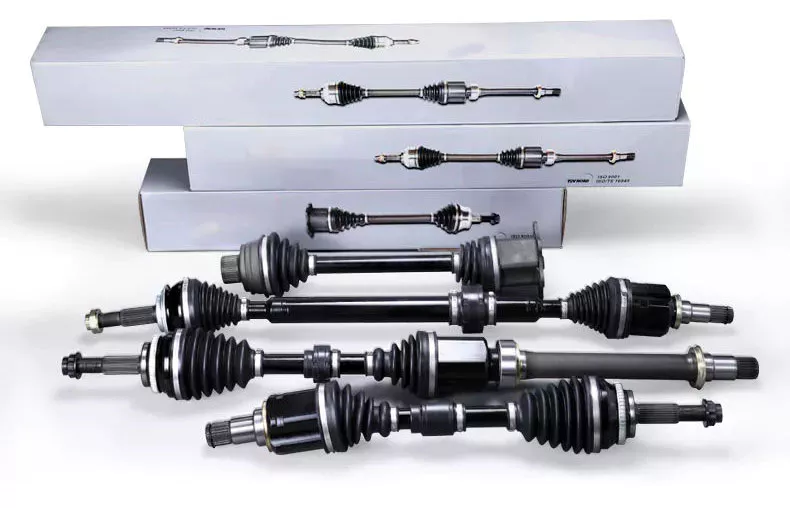
What maintenance practices are crucial for prolonging the lifespan of drive shafts?
To prolong the lifespan of drive shafts and ensure their optimal performance, several maintenance practices are crucial. Regular maintenance helps identify and address potential issues before they escalate, reduces wear and tear, and ensures the drive shaft operates smoothly and efficiently. Here are some essential maintenance practices for prolonging the lifespan of drive shafts:
1. Regular Inspection:
Performing regular inspections is vital for detecting any signs of wear, damage, or misalignment. Inspect the drive shaft visually, looking for cracks, dents, or any signs of excessive wear on the shaft itself and its associated components such as joints, yokes, and splines. Check for any signs of lubrication leaks or contamination. Additionally, inspect the fasteners and mounting points to ensure they are secure. Early detection of any issues allows for timely repairs or replacements, preventing further damage to the drive shaft.
2. Lubrication:
Proper lubrication is essential for the smooth operation and longevity of drive shafts. Lubricate the joints, such as universal joints or constant velocity joints, as recommended by the manufacturer. Lubrication reduces friction, minimizes wear, and helps dissipate heat generated during operation. Use the appropriate lubricant specified for the specific drive shaft and application, considering factors such as temperature, load, and operating conditions. Regularly check the lubrication levels and replenish as necessary to ensure optimal performance and prevent premature failure.
3. Balancing and Alignment:
Maintaining proper balancing and alignment is crucial for the lifespan of drive shafts. Imbalances or misalignments can lead to vibrations, accelerated wear, and potential failure. If vibrations or unusual noises are detected during operation, it is important to address them promptly. Perform balancing procedures as necessary, including dynamic balancing, to ensure even weight distribution along the drive shaft. Additionally, verify that the drive shaft is correctly aligned with the engine or power source and the driven components. Misalignment can cause excessive stress on the drive shaft, leading to premature failure.
4. Protective Coatings:
Applying protective coatings can help prolong the lifespan of drive shafts, particularly in applications exposed to harsh environments or corrosive substances. Consider using coatings such as zinc plating, powder coating, or specialized corrosion-resistant coatings to enhance the drive shaft’s resistance to corrosion, rust, and chemical damage. Regularly inspect the coating for any signs of degradation or damage, and reapply or repair as necessary to maintain the protective barrier.
5. Torque and Fastener Checks:
Ensure that the drive shaft’s fasteners, such as bolts, nuts, or clamps, are properly torqued and secured according to the manufacturer’s specifications. Loose or improperly tightened fasteners can lead to excessive vibrations, misalignment, or even detachment of the drive shaft. Periodically check and retighten the fasteners as recommended or after any maintenance or repair procedures. Additionally, monitor the torque levels during operation to ensure they remain within the specified range, as excessive torque can strain the drive shaft and lead to premature failure.
6. Environmental Protection:
Protecting the drive shaft from environmental factors can significantly extend its lifespan. In applications exposed to extreme temperatures, moisture, chemicals, or abrasive substances, take appropriate measures to shield the drive shaft. This may include using protective covers, seals, or guards to prevent contaminants from entering and causing damage. Regular cleaning of the drive shaft, especially in dirty or corrosive environments, can also help remove debris and prevent buildup that could compromise its performance and longevity.
7. Manufacturer Guidelines:
Follow the manufacturer’s guidelines and recommendations for maintenance practices specific to the drive shaft model and application. The manufacturer’s instructions may include specific intervals for inspections, lubrication, balancing, or other maintenance tasks. Adhering to these guidelines ensures that the drive shaft is properly maintained and serviced, maximizing its lifespan and minimizing the risk of unexpected failures.
By implementing these maintenance practices, drive shafts can operate reliably, maintain efficient power transmission, and have an extended service life, ultimately reducing downtime and ensuring optimal performance in various applications.
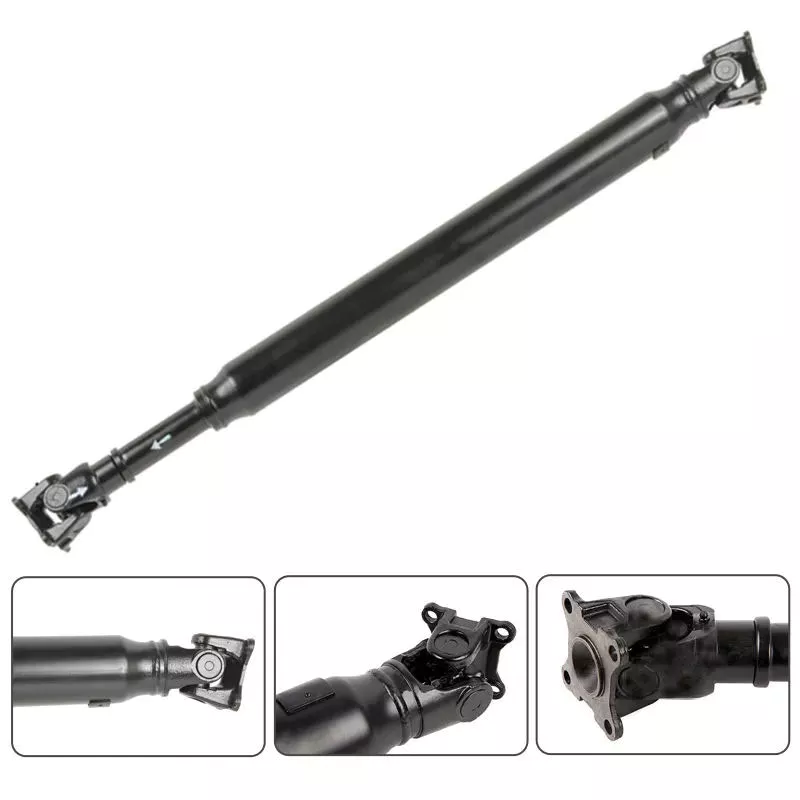
Trục truyền động có thể được tùy chỉnh cho phù hợp với yêu cầu cụ thể của từng loại xe hoặc thiết bị không?
Đúng vậy, trục truyền động có thể được tùy chỉnh để đáp ứng các yêu cầu cụ thể của xe hoặc thiết bị. Việc tùy chỉnh cho phép các nhà sản xuất điều chỉnh thiết kế, kích thước, vật liệu và các thông số khác của trục truyền động để đảm bảo tính tương thích và hiệu suất tối ưu trong một loại xe hoặc thiết bị cụ thể. Dưới đây là giải thích chi tiết về cách trục truyền động có thể được tùy chỉnh:
1. Tùy chỉnh kích thước:
Trục truyền động có thể được tùy chỉnh để phù hợp với các yêu cầu về kích thước của xe hoặc thiết bị. Điều này bao gồm điều chỉnh chiều dài tổng thể, đường kính và cấu hình răng cưa để đảm bảo sự lắp đặt và khe hở phù hợp trong ứng dụng cụ thể. Bằng cách tùy chỉnh kích thước, trục truyền động có thể được tích hợp liền mạch vào hệ thống truyền động mà không gây ra bất kỳ sự cản trở hoặc hạn chế nào.
2. Lựa chọn vật liệu:
Việc lựa chọn vật liệu cho trục truyền động có thể được tùy chỉnh dựa trên các yêu cầu cụ thể của xe hoặc thiết bị. Có thể chọn các vật liệu khác nhau, chẳng hạn như hợp kim thép, hợp kim nhôm hoặc vật liệu composite chuyên dụng, để tối ưu hóa độ bền, trọng lượng và độ bền lâu dài. Việc lựa chọn vật liệu có thể được điều chỉnh để đáp ứng mô-men xoắn, tốc độ và điều kiện hoạt động của ứng dụng, đảm bảo độ tin cậy và tuổi thọ của trục truyền động.
3. Cấu hình khớp nối:
Trục truyền động có thể được tùy chỉnh với các cấu hình khớp khác nhau để phù hợp với các yêu cầu cụ thể của xe hoặc thiết bị. Ví dụ, khớp vạn năng (khớp chữ U) có thể phù hợp cho các ứng dụng có góc vận hành nhỏ hơn và nhu cầu mô-men xoắn vừa phải, trong khi khớp đồng tốc (CV) thường được sử dụng trong các ứng dụng yêu cầu góc vận hành lớn hơn và truyền tải năng lượng mượt mà hơn. Việc lựa chọn cấu hình khớp phụ thuộc vào các yếu tố như góc vận hành, khả năng chịu mô-men xoắn và đặc tính hiệu suất mong muốn.
4. Mô-men xoắn và công suất:
Việc tùy chỉnh cho phép thiết kế trục truyền động với mô-men xoắn và công suất phù hợp cho từng loại xe hoặc thiết bị cụ thể. Các nhà sản xuất có thể phân tích yêu cầu về mô-men xoắn, điều kiện hoạt động và biên độ an toàn của ứng dụng để xác định mức mô-men xoắn và công suất tối ưu của trục truyền động. Điều này đảm bảo rằng trục truyền động có thể xử lý các tải trọng cần thiết mà không gặp phải sự cố hỏng hóc sớm hoặc các vấn đề về hiệu suất.
5. Cân bằng và kiểm soát rung động:
Trục truyền động có thể được tùy chỉnh với các biện pháp cân bằng chính xác và kiểm soát rung động. Sự mất cân bằng trong trục truyền động có thể dẫn đến rung động, tăng mài mòn và các vấn đề tiềm ẩn về hệ thống truyền động. Bằng cách áp dụng các kỹ thuật cân bằng động trong quá trình sản xuất, các nhà sản xuất có thể giảm thiểu rung động và đảm bảo hoạt động trơn tru. Ngoài ra, các bộ giảm chấn rung động hoặc hệ thống cách ly có thể được tích hợp vào thiết kế trục truyền động để giảm thiểu rung động hơn nữa và nâng cao hiệu suất tổng thể của hệ thống.
6. Các yếu tố cần cân nhắc khi tích hợp và lắp đặt:
Việc tùy chỉnh trục truyền động tính đến các yêu cầu tích hợp và lắp đặt của từng loại xe hoặc thiết bị cụ thể. Các nhà sản xuất hợp tác chặt chẽ với các nhà thiết kế xe hoặc thiết bị để đảm bảo trục truyền động khớp hoàn hảo với hệ thống truyền động. Điều này bao gồm việc điều chỉnh các điểm lắp đặt, giao diện và khe hở để đảm bảo sự thẳng hàng và lắp đặt chính xác trục truyền động bên trong xe hoặc thiết bị.
7. Hợp tác và phản hồi:
Các nhà sản xuất thường hợp tác với các nhà sản xuất xe, các nhà sản xuất thiết bị gốc (OEM) hoặc người dùng cuối để thu thập phản hồi và kết hợp các yêu cầu cụ thể của họ vào quy trình tùy chỉnh trục truyền động. Bằng cách chủ động tìm kiếm ý kiến đóng góp và phản hồi, các nhà sản xuất có thể đáp ứng các nhu cầu cụ thể, tối ưu hóa hiệu suất và đảm bảo tính tương thích với xe hoặc thiết bị. Cách tiếp cận hợp tác này giúp nâng cao quy trình tùy chỉnh và tạo ra các trục truyền động đáp ứng chính xác các yêu cầu của ứng dụng.
8. Tuân thủ các tiêu chuẩn:
Trục truyền động tùy chỉnh có thể được thiết kế để tuân thủ các tiêu chuẩn và quy định liên quan của ngành. Việc tuân thủ các tiêu chuẩn, chẳng hạn như ISO (Tổ chức Tiêu chuẩn hóa Quốc tế) hoặc các tiêu chuẩn ngành cụ thể, đảm bảo rằng các trục truyền động tùy chỉnh đáp ứng các yêu cầu về chất lượng, an toàn và hiệu suất. Tuân thủ các tiêu chuẩn này đảm bảo rằng các trục truyền động tương thích và có thể được tích hợp liền mạch vào xe hoặc thiết bị cụ thể.
Tóm lại, trục truyền động có thể được tùy chỉnh để đáp ứng các yêu cầu cụ thể của xe hoặc thiết bị thông qua việc tùy chỉnh kích thước, lựa chọn vật liệu, cấu hình khớp nối, tối ưu hóa mô-men xoắn và công suất, cân bằng và kiểm soát rung động, xem xét tích hợp và lắp đặt, hợp tác với các bên liên quan và tuân thủ các tiêu chuẩn ngành. Việc tùy chỉnh cho phép trục truyền động được thiết kế chính xác theo nhu cầu của ứng dụng, đảm bảo tính tương thích, độ tin cậy và hiệu suất tối ưu.

What benefits do drive shafts offer for different types of vehicles and equipment?
Drive shafts offer several benefits for different types of vehicles and equipment. They play a crucial role in power transmission and contribute to the overall performance, efficiency, and functionality of various systems. Here’s a detailed explanation of the benefits that drive shafts provide:
1. Efficient Power Transmission:
Drive shafts enable efficient power transmission from the engine or power source to the wheels or driven components. By connecting the engine or motor to the driven system, drive shafts efficiently transfer rotational power, allowing vehicles and equipment to perform their intended functions. This efficient power transmission ensures that the power generated by the engine is effectively utilized, optimizing the overall performance and productivity of the system.
2. Tính đa năng:
Drive shafts offer versatility in their applications. They are used in various types of vehicles, including cars, trucks, motorcycles, and off-road vehicles. Additionally, drive shafts are employed in a wide range of equipment and machinery, such as agricultural machinery, construction equipment, industrial machinery, and marine vessels. The ability to adapt to different types of vehicles and equipment makes drive shafts a versatile component for power transmission.
3. Torque Handling:
Drive shafts are designed to handle high levels of torque. Torque is the rotational force generated by the engine or power source. Drive shafts are engineered to efficiently transmit this torque without excessive twisting or bending. By effectively handling torque, drive shafts ensure that the power generated by the engine is reliably transferred to the wheels or driven components, enabling vehicles and equipment to overcome resistance, such as heavy loads or challenging terrains.
4. Flexibility and Compensation:
Drive shafts provide flexibility and compensation for angular movement and misalignment. In vehicles, drive shafts accommodate the movement of the suspension system, allowing the wheels to move up and down independently. This flexibility ensures a constant power transfer even when the vehicle encounters uneven terrain. Similarly, in machinery, drive shafts compensate for misalignment between the engine or motor and the driven components, ensuring smooth power transmission and preventing excessive stress on the drivetrain.
5. Giảm cân:
Drive shafts contribute to weight reduction in vehicles and equipment. Compared to other forms of power transmission, such as belt drives or chain drives, drive shafts are typically lighter in weight. This reduction in weight helps improve fuel efficiency in vehicles and reduces the overall weight of equipment, leading to enhanced maneuverability and increased payload capacity. Additionally, lighter drive shafts contribute to a better power-to-weight ratio, resulting in improved performance and acceleration.
6. Durability and Longevity:
Drive shafts are designed to be durable and long-lasting. They are constructed using materials such as steel or aluminum, which offer high strength and resistance to wear and fatigue. Drive shafts undergo rigorous testing and quality control measures to ensure their reliability and longevity. Proper maintenance, including lubrication and regular inspections, further enhances their durability. The robust construction and long lifespan of drive shafts contribute to the overall reliability and cost-effectiveness of vehicles and equipment.
7. Safety:
Drive shafts incorporate safety features to protect operators and bystanders. In vehicles, drive shafts are often enclosed within a protective tube or housing, preventing contact with moving parts and reducing the risk of injury in the event of a failure. Similarly, in machinery, safety shields or guards are commonly installed around exposed drive shafts to minimize the potential hazards associated with rotating components. These safety measures ensure the well-being of individuals operating or working in proximity to vehicles and equipment.
In summary, drive shafts offer several benefits for different types of vehicles and equipment. They enable efficient power transmission, provide versatility in various applications, handle torque effectively, offer flexibility and compensation, contribute to weight reduction, ensure durability and longevity, and incorporate safety features. By providing these advantages, drive shafts enhance the performance, efficiency, reliability, and safety of vehicles and equipment across a wide range of industries.


editor by CX 2024-04-16

























