
คำอธิบายผลิตภัณฑ์
Product Specifications:
| Model | BX92RS |
| Chipper Capacity | 250mm/10” |
| Chipper Housing Opening | 10”x15” |
| No.of Knives | 4 |
| Rotor Size | 36” |
| Feeding System Feed | Hydraulic Feed |
| Hopper Folded | 66”Lx68”Wx90”H |
| Hopper Opening | 25”x25” |
| Mounting System | 3 Point Hitch |
| Discharge Hood Rotation | 360˚ |
| Discharge Hood Height | 90” |
| Structure Weight | 625kg |
| Tractor HP | 70-120hp |
Product Description:
The BX92RS Hydraulic PTO Wood Chipper has a 9″ chipper capacity and a 10.5″ x 14″ chipper housing opening and is fitted with a 125kg heavyweight Rotor. This model Wood Chipper has a direct hydraulic feed from the tractor hydraulic rear connection plugs.
Direct PTO drive that operates as a fix drive system and without the use of gears and belt drives and this model is fitted standard with easily replaceable blades by removing 3 removable bolt for simple and easy access to the top half of housing and the hopper can also be fully opened with 2 removable bolts.
This model Wood Chipper has a full hydraulic feed system that allows for fast, medium or slow flow rate settings and with its 3 feed setting options from feed direction of forward, reverse and neutral settings.
The Hydraulic model allows for consistent chipping as the Hydraulic System has double support arms from both sides of the internal hopper with drive force from its hydraulic motor and with a Dual Barrel System that enables dragging motion for consistent cutting.
The Hydraulic Feed Chipper model is a simple and low maintenance chipper and able to handle the hardest and knotted wood.
Our advantages:
A whole complete set of production equipment lead to short lead time and better prices of machine.
Guarantee 1 year warranty of all our products.
Produce machines according to any requirements from our customers.
New machines will be developed every year.
Every model of our machine will be tested before the delivery to the port.
If you want to visit our factory, our boss will give you a best reception.
Beautiful gifts will be provided for all of our customers before every year’s Christmas.
Work shop and office:
Welding:
Blade shaft:
Laser equipment:
Office:
Rest place:
Assembly:
Finished machines:
CNC:
/* 22 มกราคม 2571 19:08:37 */!function(){function s(e,r){var a,o={};try{e&&e.split(“,”).forEach(function(e,t){e&&(a=e.match(/(.*?):(.*)$/))&&1
| บริการหลังการขาย: | Within One Hour |
|---|---|
| Warranty: | One Year |
| Color: | Customsized |
| Logo: | OEM |
| Feeding System: | Hydraulic Feed |
| Rotor Size: | 36′′ |
| การปรับแต่ง: |
มีอยู่
| คำขอที่กำหนดเอง |
|---|
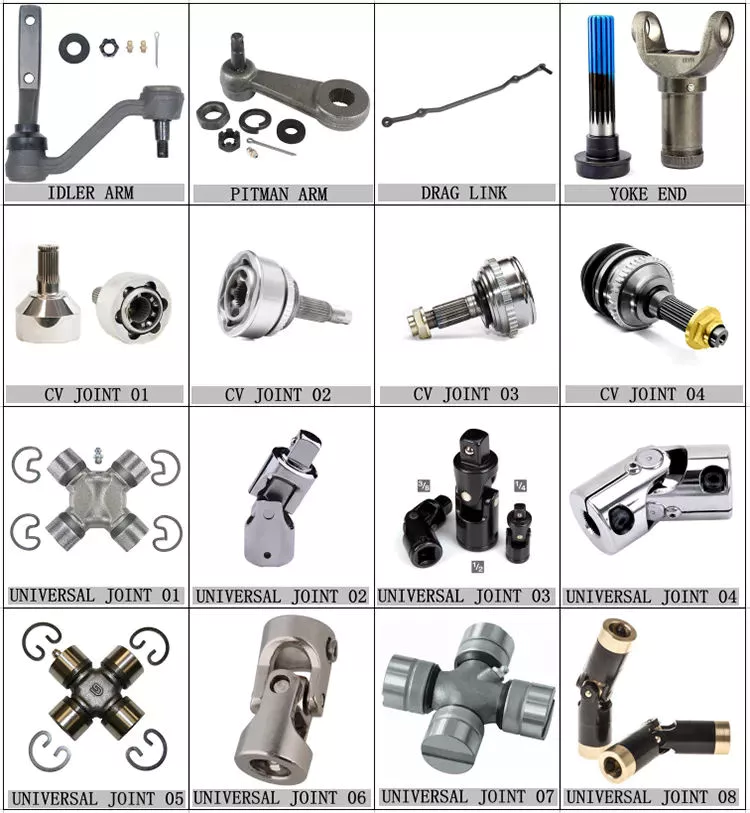
ผู้ผลิตมั่นใจได้อย่างไรว่าเพลาขับ PTO สามารถใช้งานร่วมกับอุปกรณ์ต่างๆ ได้?
ผู้ผลิตเพลาขับ PTO (Power Take-Off) ใช้กลยุทธ์และข้อพิจารณาต่างๆ เพื่อให้มั่นใจได้ว่าผลิตภัณฑ์ของตนสามารถใช้งานร่วมกับอุปกรณ์ประเภทต่างๆ ได้ มาตรการเหล่านี้ถูกนำมาใช้ในระหว่างขั้นตอนการออกแบบ การผลิต และการทดสอบ ซึ่งรวมถึง:
1. การกำหนดมาตรฐาน:
ผู้ผลิตปฏิบัติตามมาตรฐานและข้อกำหนดของอุตสาหกรรมเมื่อออกแบบและผลิตเพลาขับ PTO มาตรฐานต่างๆ เช่น ISO 5676 และ ASAE S205.6 ให้แนวทางสำหรับขนาด ข้อกำหนดด้านความปลอดภัย และลักษณะการทำงาน โดยการปฏิบัติตามมาตรฐานเหล่านี้ ผู้ผลิตสามารถมั่นใจได้ว่าเพลาขับของตนเข้ากันได้กับอุปกรณ์หลากหลายประเภทที่สอดคล้องกับมาตรฐานอุตสาหกรรมเดียวกัน
2. การออกแบบทางวิศวกรรม:
ผู้ผลิตจ้างวิศวกรผู้มีประสบการณ์ซึ่งออกแบบเพลาขับ PTO โดยคำนึงถึงความเข้ากันได้ พวกเขาพิจารณาปัจจัยต่างๆ เช่น ความต้องการแรงบิด อัตราความเร็ว สภาพการทำงาน และประสิทธิภาพการส่งกำลัง กระบวนการออกแบบทางวิศวกรรมเกี่ยวข้องกับการเลือกวัสดุที่เหมาะสม การคำนวณขนาดของชิ้นส่วน การกำหนดวิธีการเชื่อมต่อ และการพิจารณาปัจจัยต่างๆ เช่น การชดเชยการเยื้องศูนย์ การใส่ใจในด้านการออกแบบเหล่านี้ทำให้มั่นใจได้ว่าเพลาขับสามารถรองรับความต้องการของอุปกรณ์ต่างๆ ได้ในขณะที่ยังคงรักษาความเข้ากันได้
3. ตัวเลือกการปรับแต่ง:
ผู้ผลิตมักเสนอตัวเลือกการปรับแต่งเพื่อให้ตรงกับความต้องการเฉพาะของอุปกรณ์ ลูกค้าสามารถขอเพลาขับ PTO ที่มีความยาว ประเภทการเชื่อมต่อ และคุณสมบัติการป้องกันที่กำหนดเองได้ การเสนอตัวเลือกการปรับแต่งช่วยให้ผู้ผลิตสามารถปรับแต่งเพลาขับให้เข้ากับการตั้งค่าอุปกรณ์เฉพาะ ทำให้มั่นใจได้ถึงความเข้ากันได้กับเครื่องจักรและแอปพลิเคชันต่างๆ
4. หลักเกณฑ์ความเข้ากันได้:
ผู้ผลิตได้จัดทำแนวทางการใช้งานและข้อกำหนดเฉพาะสำหรับเพลาขับ PTO ของตน แนวทางเหล่านี้ระบุถึงการใช้งานที่แนะนำ ขีดจำกัดกำลัง วิธีการเชื่อมต่อ และข้อมูลอื่น ๆ ที่เกี่ยวข้อง ผู้ผลิตอุปกรณ์และผู้ใช้งานสามารถอ้างอิงแนวทางเหล่านี้เพื่อให้แน่ใจว่าเพลาขับ PTO ที่เลือกนั้นเข้ากันได้กับอุปกรณ์และสภาพการใช้งานเฉพาะของตน
5. การทดสอบและการตรวจสอบความถูกต้อง:
ผู้ผลิตทำการทดสอบและตรวจสอบเพลาขับ PTO อย่างเข้มงวด กระบวนการทดสอบประกอบด้วยการประเมินพารามิเตอร์ประสิทธิภาพต่างๆ เช่น การส่งแรงบิด อัตราความเร็ว ความทนทาน และความต้านทานต่อการสั่นสะเทือน การทดสอบอย่างครอบคลุมช่วยให้ผู้ผลิตตรวจสอบความเข้ากันได้ของเพลาขับกับอุปกรณ์ต่างๆ และทำให้มั่นใจได้ว่าตรงตามหรือเกินกว่ามาตรฐานและข้อกำหนดที่จำเป็น
6. ความร่วมมือกับผู้ผลิตอุปกรณ์:
ผู้ผลิตมักร่วมมือกับผู้ผลิตอุปกรณ์เพื่อให้มั่นใจได้ว่าเพลาขับ PTO ของตนนั้นเข้ากันได้กับเครื่องจักรที่เกี่ยวข้อง การทำงานอย่างใกล้ชิดกับผู้ผลิตอุปกรณ์ช่วยให้ผู้ผลิตเพลาขับได้รับข้อมูลจำเพาะและข้อกำหนดโดยละเอียดสำหรับอุปกรณ์นั้นๆ ความร่วมมือนี้ช่วยให้สามารถพัฒนาเพลาขับ PTO ที่ออกแบบมาโดยเฉพาะเพื่อให้ทำงานร่วมกับอุปกรณ์ได้อย่างราบรื่น ทำให้มั่นใจได้ถึงความเข้ากันได้และประสิทธิภาพสูงสุด
7. การวิจัยและพัฒนาอย่างต่อเนื่อง:
ผู้ผลิตลงทุนในโครงการวิจัยและพัฒนาเพื่อปรับปรุงความเข้ากันได้ของเพลาขับ PTO อย่างต่อเนื่อง พวกเขาติดตามแนวโน้มอุตสาหกรรม ความก้าวหน้าทางเทคโนโลยี และข้อกำหนดของอุปกรณ์ที่เปลี่ยนแปลงไป การริเริ่มและสร้างสรรค์สิ่งใหม่ๆ ช่วยให้ผู้ผลิตสามารถพัฒนารูปแบบเพลาขับที่คาดการณ์ถึงความต้องการด้านความเข้ากันได้ของเทคโนโลยีอุปกรณ์ใหม่ๆ ที่กำลังเกิดขึ้นได้
8. การสนับสนุนทางเทคนิคและเอกสารประกอบ:
ผู้ผลิตให้การสนับสนุนทางเทคนิคและเอกสารประกอบเพื่อช่วยเหลือผู้ผลิตอุปกรณ์และผู้ใช้งานในการเลือกและติดตั้งเพลาขับ PTO การสนับสนุนนี้อาจรวมถึงคำแนะนำการติดตั้งโดยละเอียด คู่มือการแก้ไขปัญหา และตารางความเข้ากันได้ การนำเสนอแหล่งข้อมูลทางเทคนิคที่ครอบคลุมช่วยให้ผู้ผลิตมั่นใจได้ว่าเพลาขับจะถูกติดตั้งเข้ากับโครงสร้างอุปกรณ์ต่างๆ ได้อย่างถูกต้อง
โดยสรุปแล้ว ผู้ผลิตรับประกันความเข้ากันได้ของเพลาขับ PTO กับอุปกรณ์ต่างๆ ผ่านการกำหนดมาตรฐาน การออกแบบทางวิศวกรรม ตัวเลือกการปรับแต่ง แนวทางการใช้งาน การทดสอบและการตรวจสอบ การทำงานร่วมกับผู้ผลิตอุปกรณ์ การวิจัยและพัฒนาอย่างต่อเนื่อง และการให้การสนับสนุนทางเทคนิคและเอกสารประกอบ ความพยายามเหล่านี้ทำให้มั่นใจได้ว่าเพลาขับ PTO สามารถบูรณาการเข้ากับอุปกรณ์หลากหลายประเภทได้อย่างราบรื่น ช่วยให้การส่งกำลังมีประสิทธิภาพและการทำงานที่เชื่อถือได้
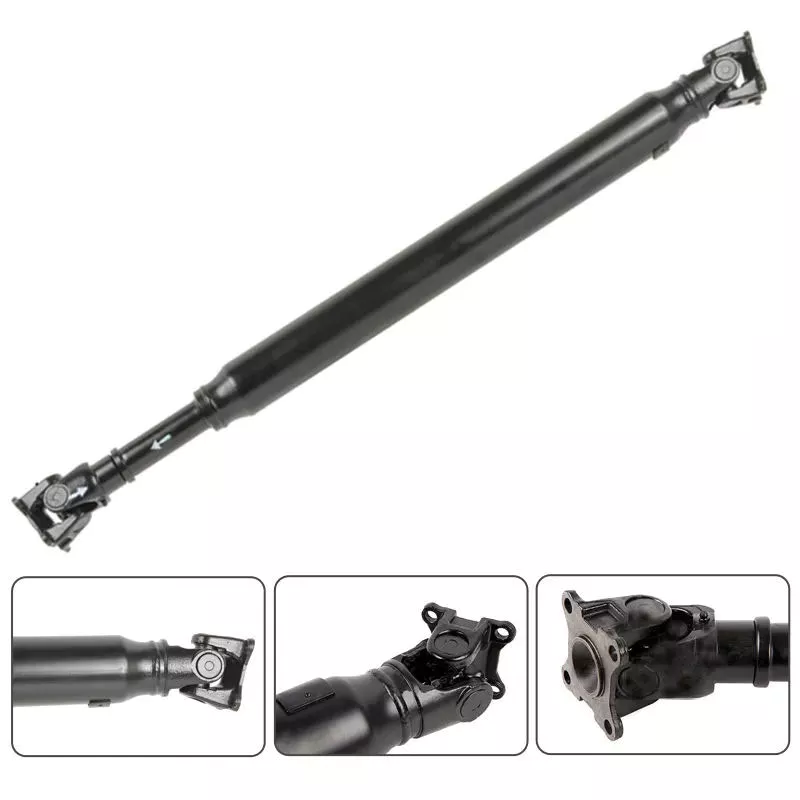
How do PTO drive shafts handle variations in load and torque during operation?
PTO (Power Take-Off) drive shafts are designed to handle variations in load and torque during operation, providing a flexible and efficient power transmission solution. They incorporate several mechanisms and features that enable them to accommodate changes in load and torque. Here’s how PTO drive shafts handle variations in load and torque:
1. Flexible Couplings:
PTO drive shafts typically utilize flexible couplings, such as universal joints or constant velocity joints, at both ends. These couplings allow for angular misalignment and compensate for variations in load and torque. They can accommodate changes in the orientation and position of the driven equipment relative to the power source, reducing stress on the drive shaft and its components.
2. Spring-Loaded Friction Discs:
Some PTO drive shafts incorporate spring-loaded friction discs, commonly known as torque limiters or overload clutches. These devices provide a mechanical means of protecting the drive shaft and connected equipment from excessive torque. When the torque exceeds a predetermined threshold, the friction discs slip, effectively disconnecting the drive shaft from the power source. This protects the drive shaft from damage and allows the system to handle sudden increases or spikes in torque.
3. Slip Clutches:
Slip clutches are another mechanism used in PTO drive shafts to handle variations in torque. Slip clutches allow controlled slippage between the input and output shafts when a certain torque level is exceeded. They provide a means of limiting torque transmission and protecting the drive shaft from overload. Slip clutches can be adjustable, allowing the desired torque setting to be customized based on the specific application.
4. Torque Converters:
In certain applications, PTO drive shafts may incorporate torque converters. Torque converters are fluid coupling devices that use hydraulic principles to transmit torque. They provide a smooth and gradual ramp-up of torque, which helps in handling variations in load and torque. Torque converters can also provide additional benefits such as dampening vibrations and mitigating shock loads.
5. Load-Bearing Capacity:
PTO drive shafts are designed with sufficient load-bearing capacity to handle variations in load during operation. The material selection, diameter, and wall thickness of the drive shaft are optimized based on the anticipated loads and torque requirements. This allows the drive shaft to effectively transmit power without excessive deflection or deformation, ensuring reliable and efficient operation under different load conditions.
6. Regular Maintenance:
Proper maintenance is essential for the reliable operation of PTO drive shafts. Regular inspection, lubrication, and adjustment of the drive shaft components help ensure optimal performance and longevity. By maintaining the drive shaft in good condition, its ability to handle variations in load and torque can be preserved, reducing the risk of failures or unexpected downtime.
It’s important to note that while PTO drive shafts are designed to handle variations in load and torque, there are limits to their capacity. Exceeding the recommended load or torque limits can lead to premature wear, damage to the drive shaft and connected equipment, and compromise safety. It is crucial to operate within the specified parameters and consult the manufacturer’s guidelines for the specific PTO drive shaft model being used.
By incorporating flexible couplings, torque limiters, slip clutches, torque converters, and ensuring adequate load-bearing capacity, PTO drive shafts can effectively handle variations in load and torque during operation. These features contribute to the versatility, efficiency, and reliability of PTO drive shaft systems across a wide range of applications.
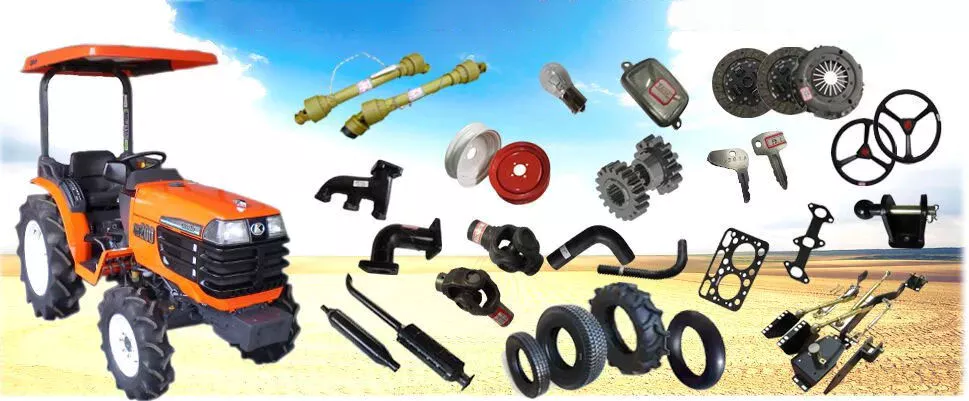
What factors should be considered when selecting the right PTO drive shaft for an application?
When selecting the right PTO (Power Take-Off) drive shaft for an application, several important factors should be considered to ensure optimal performance, safety, and compatibility. Here’s a detailed explanation of the key factors to consider:
1. Power and Torque Requirements:
The power and torque requirements of the application are crucial considerations. It’s essential to determine the maximum power and torque output of the primary power source (e.g., engine, transmission) and match it with the drive shaft’s capacity. Selecting a drive shaft that can handle the required power and torque levels ensures efficient power transmission and prevents overloading or damage to the drive shaft and connected equipment.
2. Speed and RPM Range:
The speed and RPM (Rotations Per Minute) range of the equipment and the primary power source should be taken into account. The drive shaft’s design should be capable of accommodating the desired speed range while maintaining smooth power transmission. It is important to select a drive shaft that can handle the intended operating speeds without excessive vibration, binding, or loss of power.
3. Equipment Size and Configuration:
The size and configuration of the equipment or implement being powered by the PTO drive shaft are crucial factors. The drive shaft’s length should be adjustable or chosen appropriately to ensure proper alignment between the primary power source and the implement input shaft. Additionally, consider any space limitations or clearance requirements within the equipment that may affect the choice of drive shaft configuration.
4. PTO Shaft Connection Type:
The type of connection required between the PTO drive shaft and the primary power source and implement is a significant consideration. Common connection types include splined connections, keyway connections, and quick-detach mechanisms. It is essential to ensure compatibility between the drive shaft’s connection type and the corresponding connections on the power source and implement to achieve a secure and reliable attachment.
5. Safety Features:
Safety features are crucial when selecting a PTO drive shaft. Shear pins, clutches, or other overload protection mechanisms should be considered to prevent damage to the drive shaft and associated equipment in the event of a sudden increase in torque or speed. These safety features help protect against accidents and reduce the risk of injury to operators and bystanders.
6. Environmental Conditions:
The environmental conditions in which the drive shaft will be operating should be taken into account. Consider factors such as temperature extremes, moisture, dust, or corrosive environments. It may be necessary to select a drive shaft with appropriate sealing, coating, or material options to ensure reliable performance and durability in the given conditions.
7. Maintenance and Serviceability:
Consider the accessibility and ease of maintenance for the chosen drive shaft. Ensure that routine maintenance tasks such as lubrication, inspection, and potential repairs can be performed conveniently. Easy serviceability helps minimize downtime and ensures the longevity of the drive shaft.
8. Compliance with Standards and Regulations:
Ensure that the selected PTO drive shaft complies with relevant industry standards and safety regulations. This includes standards for power transmission components, such as ISO 500-1 for PTO drive shafts. Compliance with these standards ensures that the drive shaft meets necessary quality, safety, and performance requirements.
By considering factors such as power and torque requirements, speed range, equipment size and configuration, PTO shaft connection type, safety features, environmental conditions, maintenance and serviceability, and compliance with standards and regulations, one can select the right PTO drive shaft that best suits the specific application’s needs. Proper selection ensures efficient power transmission, safety, and long-term reliability of the equipment.


editor by CX 2024-04-03

























