製品説明
1.P roduct Description
Thi s Gear shaft, Herringbone Gear Shaft, Bevel Gear, Eccentric Shaft mainly used on vessel engine, fan internal gear
2.1. Gear Shaft Processing
Gear Shaft drawing CHECK, Make Forging Mold, Forging Mold Quality Inspection Check, Machine Processing, Check Size\Hardness\Surface Finish and other technical parameters on drawing.
2.2. Herringbone Gear Shaft Package
Spray anti-rust oil on Herringbone Gear Shaft, Wrap waterproof cloth around Gear Shaft for reducer, Prepare package by shaft shape&weight to choose steel frame, steel support or wooden box etc.
2.3. OEM Customized Gear Shaft
We supply OEM SERVICE, customized herringbone gear shaft with big module, more than 1tons big weight, more than 3m length, 42CrMo/35CrMo or your specified required material gear shaft.
2.Product Technical info.
| Module | m | Range: 5~70 |
| Gear Teeth Number | z | OEM by drawing’s technical parameters |
| Teeth Height | H | OEM by drawing’s technical parameters |
| Teeth Thickness | S | OEM by drawing’s technical parameters |
| Tooth pitch | P | OEM by drawing’s technical parameters |
| Tooth addendum | Ha | OEM by drawing’s technical parameters |
| Tooth dedendum | Hf | OEM by drawing’s technical parameters |
| Working height | h’ | OEM by drawing’s technical parameters |
| Bottom clearance | C | OEM by drawing’s technical parameters |
| Pressure Angle | α | OEM by drawing’s technical parameters |
| Helix Angle, | OEM by drawing’s technical parameters | |
| Surface hardness | HRC | Range: HRC 50~HRC63(Quenching) |
| 硬度: | HB | Range: HB150~HB280; Hardening Tempering/ Hardened Tooth Surface |
| Surface finish | Range: Ra1.6~Ra3.2 | |
| Tooth surface roughness | Ra | Range: ≥0.4 |
| Gear Accuracy Grade | Grade Range: 5-6-7-8-9 (ISO 1328) | |
| Length | L | Range: 0.8m~10m |
| 重さ | Kg | Range: Min. 100kg~Max. 80tons Single Piece |
| Gear Position | Internal/External Gear | |
| Toothed Portion Shape | Spur Gear/Bevel/Spiral/Helical/Straight | |
| Shaft shape | Herringbone Gear Shaft / Gear Shaft / Eccentric Shaft / Spur Gear / Girth Gear / Gear Wheel | |
| 材料 | Forging/ Casting |
Forging/ Casting 45/42CrMo/40Cr or OEM |
| Manufacturing Method | Cut Gear | |
| Gear Teeth Milling | √ | |
| Gear Teeth Grinding | √ | |
| 熱処理 | Quenching /Carburizing | |
| Sand Blasting | Null | |
| テスト | UT\MT | |
| Trademark | TOTEM/OEM | |
| Application | Gearbox, Reducer, Petroleum,Cement,Mining,Metallurgy etc. Wind driven generator,vertical mill reducer,oil rig helical gear,petroleum slurry pump gear shaft |
|
| Transport Package | Export package (wooden box, steel frame etc.) | |
| Origin | 中国 | |
| HS Code | 8483409000 |
Material Comparison List
| STEEL CODE GRADES COMPARISON | |||||
| CHINA/GB | ISO | ГΟСТ | ASTM | JIS | DIN |
| 45 | C45E4 | 45 | 1045 | S45C | CK45 |
| 40Cr | 41Cr4 | 40X | 5140 | SCr440 | 41Cr4 |
| 20CrMo | 18CrMo4 | 20ХМ | 4118 | SCM22 | 25CrMo4 |
| 42CrMo | 42CrMo4 | 38XM | 4140 | SCM440 | 42CrMo4 |
| 20CrMnTi | 18XГT | SMK22 | |||
| 20Cr2Ni4 | 20X2H4A | ||||
| 20CrNiMo | 20CrNiMo2 | 20XHM | 8720 | SNCM220 | 21NiCrMo2 |
| 40CrNiMoA | 40XH2MA/ 40XHMA |
4340 | SNCM439 | 40NiCrMo6/ 36NiCrMo4 |
|
| 20CrNi2Mo | 20NiCrMo7 | 20XH2MA | 4320 | SNCM420 | |
3.Totem Service
TOTEM Machinery focus on supplying GEAR SHAFT, ECCENTRIC SHAFT, HERRINGBONE GEAR, BEVEL GEAR, INTERNAL GEAR and other parts for transmission devices & equipments(large industrial reducers & drivers). Which were mainly used in the fields of port facilities, cement, mining, metallurgical industry etc. We invested in several machine processing factories,forging factories and casting factories,relies on these strong reliable and high-quality supplier network, to let our customers worry free.
TOTEM Philosophy: Quality-No.1, Integrity- No.1, Service- No.1
24hrs Salesman on-line, guarantee quick and positive feedback. Experienced and Professional Forwarder Guarantee Log. transportation.
4.About TOTEM
1. Workshop & Processing Strength
2. Testing Facilities
3. Customer Inspection & Shipping
5. Contact Us
ZheJiang CZPT Machinery Co.,Ltd
Facebook: ZheJiang Totem
/* 2571 年 1 月 22 日 19:08:37 */!function(){function s(e,r){var a,o={};try{e&&e.split(“,”).forEach(function(e,t){e&&(a=e.match(/(.*?):(.*)$/))&&1
| 材料: | 合金鋼 |
|---|---|
| 負荷: | ドライブシャフト |
| 剛性と柔軟性: | Forging |
| ジャーナル径の寸法精度: | It5-It9 |
| 軸の形状: | ストレートシャフト |
| シャフト形状: | カスタマイズされた |
| カスタマイズ: |
利用可能
| カスタマイズされたリクエスト |
|---|
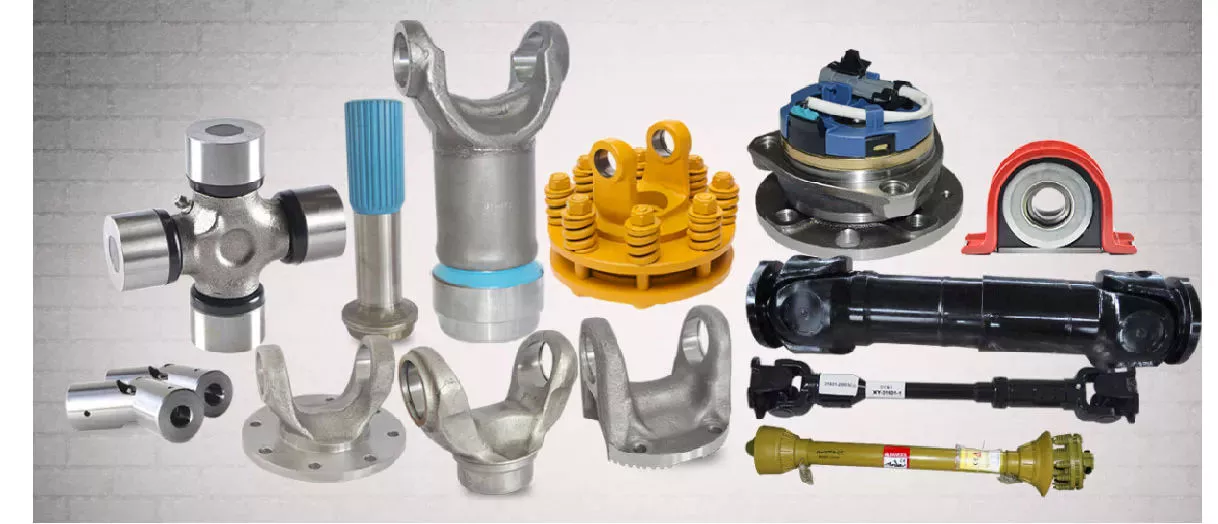
用途に適したドライブシャフトを選定する際に考慮すべき要素は何ですか?
用途に適したドライブシャフトを選定する際には、いくつかの要素を考慮する必要があります。ドライブシャフトの選択は、効率的で信頼性の高い動力伝達を確保する上で重要な役割を果たします。考慮すべき主な要素は以下のとおりです。
1. 出力およびトルク要件:
用途における出力とトルクの要件は、重要な検討事項です。ドライブシャフトが破損や過度のたわみを起こさずに伝達できる最大トルクを決定することが不可欠です。これには、エンジンまたは動力源の出力、および駆動部品のトルク要求を評価することが含まれます。適切な直径、材料強度、および設計のドライブシャフトを選択することは、性能や安全性を損なうことなく、想定されるトルクレベルに対応できることを保証するために不可欠です。
2. 動作速度:
駆動軸の回転速度も重要な要素です。回転速度は、振動、共振、臨界速度制限など、駆動軸の動的挙動に影響を与えます。過度の振動や構造的完全性を損なうことなく、所望の速度範囲内で動作できる駆動軸を選択することが重要です。駆動軸が必要な回転速度に効果的に対応できるよう、材料特性、バランス、臨界速度解析などの要素を考慮する必要があります。
3. 長さと配置:
ドライブシャフトを選定する際には、用途に応じた長さとアライメントの要件を考慮する必要があります。エンジンまたは動力源と駆動部品との距離によって、必要なドライブシャフトの長さが決まります。長さや動作角度に大きな変動がある場合は、伸縮式ドライブシャフト、または適切なカップリングやユニバーサルジョイントを備えた複数のドライブシャフトが必要になる場合があります。ドライブシャフトの適切なアライメントは、振動を最小限に抑え、摩耗を軽減し、効率的な動力伝達を確保するために不可欠です。
4. スペースの制約:
設置場所のスペースは、考慮すべき重要な要素です。ドライブシャフトは、他の部品や構造物と干渉することなく、割り当てられたスペース内に収まる必要があります。ドライブシャフトの長さ、直径、ジョイントやカップリングなどの追加部品を含めた全体の寸法を考慮することが不可欠です。場合によっては、十分な動力伝達能力を維持しながらスペースの制約に対応するために、カスタム設計またはコンパクトなドライブシャフト設計が必要になることがあります。
5.環境条件:
ドライブシャフトが使用される環境条件を評価する必要があります。温度、湿度、腐食性物質、汚染物質への曝露といった要因は、ドライブシャフトの性能と寿命に影響を与える可能性があります。ドライブシャフトの腐食、劣化、早期故障を防ぐため、特定の環境条件に耐えられる材料とコーティングを選択することが重要です。極端な温度、水、化学薬品、研磨物質にさらされる用途では、特別な配慮が必要となる場合があります。
6. アプリケーションの種類と業界:
ドライブシャフトの選定においては、用途の種類や業界の要件が重要な役割を果たします。自動車、航空宇宙、産業機械、農業、船舶など、業界ごとに異なる要求があり、それらに対応する必要があります。用途の具体的なニーズと運転条件を理解することは、適切なドライブシャフトの設計、材料、および性能特性を決定する上で不可欠です。また、用途によっては、業界標準や規制への準拠も考慮すべき事項となります。
7. 保守およびサービス性:
メンテナンスの容易さと整備性も考慮に入れるべきです。ドライブシャフトの設計によっては、定期的な点検、潤滑、または部品交換が必要となる場合があります。ドライブシャフトへのアクセス性や関連するメンテナンス要件を考慮することで、ダウンタイムを最小限に抑え、長期的な信頼性を確保できます。ドライブシャフトの分解と再組み立てが容易であることは、修理や部品交換にも役立ちます。
これらの要素を慎重に検討することで、動力伝達のニーズ、動作条件、耐久性要件を満たす適切なドライブシャフトを選択でき、最終的に最適な性能と信頼性を確保できます。

ドライブシャフトは、車両の推進力と動力伝達の効率にどのように貢献するのでしょうか?
ドライブシャフトは、車両の推進システムと動力伝達システムの効率において重要な役割を果たします。エンジンや動力源から車輪や駆動部品へ動力を伝達する役割を担っています。以下に、ドライブシャフトが車両の推進システムと動力伝達の効率にどのように貢献しているかを詳しく説明します。
1. 電力伝送:
ドライブシャフトは、エンジンや動力源から車輪や駆動部品へ動力を伝達します。回転エネルギーを効率的に伝達することで、ドライブシャフトは車両の前進や機械の駆動を可能にします。ドライブシャフトの設計と構造は、伝達過程における動力損失を最小限に抑え、動力伝達効率を最大限に高めるように設計されています。
2. トルク変換:
ドライブシャフトは、エンジンや動力源からのトルクを車輪や駆動部品に変換する装置です。トルク変換は、エンジンの出力特性を車両や機械の要求仕様に適合させるために不可欠です。適切なトルク変換能力を備えたドライブシャフトを使用することで、車輪に伝達される動力が最適化され、効率的な推進力と性能を実現します。
3. 等速ジョイント(CVジョイント):
多くのドライブシャフトには等速ジョイント(CVジョイント)が組み込まれており、駆動側と被駆動側の角度が異なる場合でも、一定の速度と効率的な動力伝達を維持するのに役立ちます。CVジョイントはスムーズな動力伝達を可能にし、動作角度の変化によって発生する振動や動力損失を最小限に抑えます。一定の速度を維持することで、ドライブシャフトは効率的な動力伝達と車両全体の性能向上に貢献します。
4. 軽量構造:
効率的なドライブシャフトは、アルミニウムや複合材料などの軽量素材で設計されることが多い。軽量化によりドライブシャフトの回転質量が低減され、慣性モーメントが小さくなり、効率が向上する。回転質量が低減されることで、エンジンの加速・減速が速くなり、燃費効率と車両全体の性能向上につながる。
5. 摩擦の最小化:
効率的な駆動軸は、動力伝達時の摩擦損失を最小限に抑えるように設計されています。高品質のベアリング、低摩擦シール、適切な潤滑といった機能を備え、摩擦によるエネルギー損失を低減します。摩擦を最小限に抑えることで、駆動軸は動力伝達効率を高め、推進力や他の機械の駆動に利用できる動力を最大化します。
6. バランスの取れた振動のない動作:
ドライブシャフトは、製造工程において動的バランス調整を受けることで、スムーズで振動のない動作を実現します。ドライブシャフトのバランスが崩れると、動力損失、摩耗の増加、振動が発生し、全体的な効率が低下します。ドライブシャフトのバランス調整を行うことで、均一な回転が可能になり、振動を最小限に抑え、動力伝達効率を最適化できます。
7. メンテナンスと定期点検:
駆動軸の効率を維持するためには、適切なメンテナンスと定期的な点検が不可欠です。定期的な潤滑、ジョイントや部品の点検、摩耗または損傷した部品の迅速な修理または交換は、最適な動力伝達効率を確保するのに役立ちます。適切にメンテナンスされた駆動軸は、摩擦を最小限に抑え、動力損失を低減し、全体的な効率を向上させます。
8. 効率的な送電システムとの統合:
ドライブシャフトは、マニュアルトランスミッション、オートマチックトランスミッション、無段変速機などの効率的なトランスミッションシステムと連携して動作します。これらのトランスミッションは、走行状況や車速に基づいて、動力伝達とギア比を最適化するのに役立ちます。効率的なトランスミッションシステムと統合することで、ドライブシャフトは車両の推進および動力伝達システム全体の効率向上に貢献します。
9. 空力に関する考慮事項:
ドライブシャフトは、場合によっては空力特性を考慮して設計されます。高性能車や電気自動車によく用いられる流線型のドライブシャフトは、空気抵抗を最小限に抑え、車両全体の効率を向上させます。空気抵抗を低減することで、ドライブシャフトは車両の効率的な推進と動力伝達に貢献します。
10. 最適化された長さとデザイン:
ドライブシャフトは、エネルギー損失を最小限に抑えるために最適な長さと設計で設計されています。ドライブシャフトが長すぎたり、設計が不適切だったりすると、回転質量が増加し、曲げ応力が増大し、エネルギー損失につながります。ドライブシャフトの長さと設計を最適化することで、動力伝達効率が最大化され、車両全体の効率向上に貢献します。
ドライブシャフトは、効率的な動力伝達、トルク変換、CVジョイントの活用、軽量構造、摩擦の最小化、バランスの取れた動作、定期的なメンテナンス、効率的なトランスミッションシステムとの統合、空力的な考慮事項、最適化された長さと設計などを通じて、車両の推進力と動力伝達の効率向上に貢献します。効率的な動力伝達とエネルギー損失の最小化を実現することで、ドライブシャフトは車両や機械の全体的な効率と性能向上に重要な役割を果たします。

ドライブシャフトは、長さやトルク要件の変動にどのように対応するのでしょうか?
ドライブシャフトは、回転動力を効率的に伝達するために、長さやトルク要件の変動に対応できるように設計されています。ドライブシャフトがこれらの変動にどのように対応するのか、以下に説明します。
長さのバリエーション:
駆動軸は、エンジンまたは動力源と駆動部品間の距離に応じて、さまざまな長さのものが用意されています。用途に応じて、特注品を製作することも、標準長さのものを購入することも可能です。エンジンと駆動部品間の距離が長い場合は、適切なカップリングまたはユニバーサルジョイントを備えた複数の駆動軸を使用して、その距離を延長することができます。これらの追加の駆動軸は、動力伝達システムの全長を効果的に延長します。
さらに、一部のドライブシャフトは伸縮式セクションを備えています。これらのセクションは伸縮可能で、車両の構成や動的な動きに合わせて長さを調整できます。伸縮式ドライブシャフトは、エンジンと駆動部品間の距離が変化する用途、例えば特定の種類のトラック、バス、オフロード車などで一般的に使用されています。
トルク要件:
ドライブシャフトは、エンジンまたは動力源の出力と駆動部品の要求に応じて変化するトルク要件に対応できるように設計されています。ドライブシャフトを介して伝達されるトルクは、エンジン出力、負荷条件、駆動部品が受ける抵抗などの要因によって決まります。
メーカーは、ドライブシャフトに適した材料と寸法を選定する際に、トルク要件を考慮します。ドライブシャフトは通常、鋼鉄やアルミニウム合金などの高強度材料で作られており、変形や破損することなくトルク負荷に耐えられるようになっています。ドライブシャフトの直径、肉厚、および設計は、過度のたわみや振動を起こすことなく、想定されるトルクに耐えられるよう、綿密に計算されています。
大型トラック、産業機械、高性能車両など、高トルクが要求される用途では、ドライブシャフトに追加の補強が施される場合があります。これらの補強には、肉厚の強化、強度を最適化した断面形状、または優れたトルク処理能力を持つ複合材料の使用などが含まれます。
さらに、ドライブシャフトには、ユニバーサルジョイントや等速ジョイント(CVジョイント)などのフレキシブルジョイントが組み込まれていることがよくあります。これらのジョイントは、角度のずれを許容し、エンジン、トランスミッション、および駆動部品間の動作角度の変動を補正します。また、振動や衝撃を吸収し、ドライブシャフトにかかるストレスを軽減し、トルク処理能力を高める効果もあります。
要約すると、ドライブシャフトは、カスタマイズ可能な長さ、伸縮式セクション、適切な材質と寸法、そしてフレキシブルジョイントの採用によって、長さとトルク要件の変動に対応します。これらの要素を慎重に考慮することで、ドライブシャフトはさまざまな用途の特定のニーズに対応しながら、効率的かつ確実に動力を伝達することができます。


編集者:CX 2024-04-03