製品説明
製品説明
Product Parameters
| Item | Spur Gear Axle Shaft |
| 材料 | 4140,4340,40Cr,42Crmo,42Crmo4,20Cr,20CrMnti, 20Crmo,35Crmo |
| OEM NO | Customize |
| Certification | ISO/TS16949 |
| Test Requirement | Magnetic Powder Test, Hardness Test, Dimension Test |
| 色 | Paint , Natural Finish ,Machining All Around |
| 材料 | Aluminum: 5000series(5052…)/6000series(6061…)/7000series(7075…) |
| Steel: Carbon Steel,Middle Steel,Steel Alloy,etc. | |
| Stainess Steel: 303/304/316,etc. | |
| Copper/Brass/Bronze/Red Copper,etc. | |
| Plastic:ABS,PP,PC,Nylon,Delrin(POM),Bakelite,etc. | |
| サイズ | According to Customer’s drawing or samples |
| Process | CNC machining,Turning,Milling,Stamping,Grinding,Welding,Wire Injection,Cutting,etc. |
| Tolerance | ≥+/-0.03mm |
| 表面処理 | (Sandblast)&(Hard)&(Color)Anodizing,(Chrome,Nickel,Zinc…)Plating,Painting,Powder Coating,Polishing,Blackened,Hardened,Lasering,Engraving,etc. |
| File Formats | ProE,SolidWorks,UG,CAD,PDF(IGS,X-T,STP,STL) |
| Sample | 利用可能 |
| Packing | Spline protect cover ,Wood box ,Waterproof membrane; Or per customers’ requirements. |
Our Advantages
Why Choose US ???
1. Equipment :
Our company boasts all necessary production equipment,
including Hydraulic press machines, Japanese CNC lathe (TAKISAWA), Korean gear hobbing machine (I SNT), gear shaping machine, machining center, CNC grinder, heat treatment line etc.
2. Processing precision:
We are a professional gear & gear shafts manufacturer. Our gears are around 6-7 grade in mass production.
3. Company:
We have 90 employees, including 10 technical staffs. Covering an area of 20000 square meters.
4. Certification :
Oue company has passed ISO 14001 and TS16949
5.Sample service :
We provide free sample for confirmation and customer bears the freight charges
6.OEM service :
Having our own factory and professional technicians,we welcome OEM orders as well.We can design and produce the specific product you need according to your detail information
Cooperation Partner
Company Profile
Our Featured Products
/* March 10, 2571 17:59:20 */!function(){function s(e,r){var a,o={};try{e&&e.split(“,”).forEach(function(e,t){e&&(a=e.match(/(.*?):(.*)$/))&&1
| 材料: | Alloy Steel |
|---|---|
| Load: | Drive Shaft |
| Axis Shape: | Straight Shaft |
| Appearance Shape: | Round |
| Rotation: | Cw |
| Yield: | 5, 000PCS / Month |
| Samples: |
US$ 0/Piece
1 Piece(Min.Order) | |
|---|
| カスタマイズ: |
利用可能
| カスタマイズされたリクエスト |
|---|
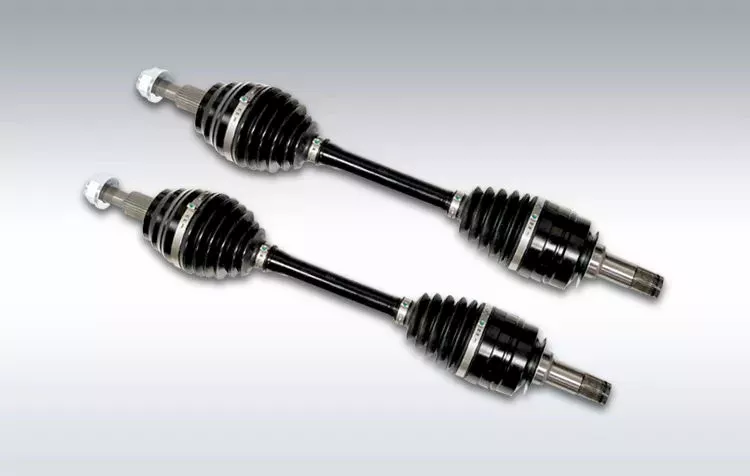
How do manufacturers ensure the compatibility of drive shafts with different equipment?
Manufacturers employ various strategies and processes to ensure the compatibility of drive shafts with different equipment. Compatibility refers to the ability of a drive shaft to effectively integrate and function within a specific piece of equipment or machinery. Manufacturers take into account several factors to ensure compatibility, including dimensional requirements, torque capacity, operating conditions, and specific application needs. Here’s a detailed explanation of how manufacturers ensure the compatibility of drive shafts:
1. Application Analysis:
Manufacturers begin by conducting a thorough analysis of the intended application and equipment requirements. This analysis involves understanding the specific torque and speed demands, operating conditions (such as temperature, vibration levels, and environmental factors), and any unique characteristics or constraints of the equipment. By gaining a comprehensive understanding of the application, manufacturers can tailor the design and specifications of the drive shaft to ensure compatibility.
2. Customization and Design:
Manufacturers often offer customization options to adapt drive shafts to different equipment. This customization involves tailoring the dimensions, materials, joint configurations, and other parameters to match the specific requirements of the equipment. By working closely with the equipment manufacturer or end-user, manufacturers can design drive shafts that align with the equipment’s mechanical interfaces, mounting points, available space, and other constraints. Customization ensures that the drive shaft fits seamlessly into the equipment, promoting compatibility and optimal performance.
3. Torque and Power Capacity:
Drive shaft manufacturers carefully determine the torque and power capacity of their products to ensure compatibility with different equipment. They consider factors such as the maximum torque requirements of the equipment, the expected operating conditions, and the safety margins necessary to withstand transient loads. By engineering drive shafts with appropriate torque ratings and power capacities, manufacturers ensure that the shaft can handle the demands of the equipment without experiencing premature failure or performance issues.
4. Material Selection:
Manufacturers choose materials for drive shafts based on the specific needs of different equipment. Factors such as torque capacity, operating temperature, corrosion resistance, and weight requirements influence material selection. Drive shafts may be made from various materials, including steel, aluminum alloys, or specialized composites, to provide the necessary strength, durability, and performance characteristics. The selected materials ensure compatibility with the equipment’s operating conditions, load requirements, and other environmental factors.
5. Joint Configurations:
Drive shafts incorporate joint configurations, such as universal joints (U-joints) or constant velocity (CV) joints, to accommodate different equipment needs. Manufacturers select and design the appropriate joint configuration based on factors such as operating angles, misalignment tolerances, and the desired level of smooth power transmission. The choice of joint configuration ensures that the drive shaft can effectively transmit power and accommodate the range of motion required by the equipment, promoting compatibility and reliable operation.
6. Quality Control and Testing:
Manufacturers implement stringent quality control processes and testing procedures to verify the compatibility of drive shafts with different equipment. These processes involve conducting dimensional inspections, material testing, torque and stress analysis, and performance testing under simulated operating conditions. By subjecting drive shafts to rigorous quality control measures, manufacturers can ensure that they meet the required specifications and performance criteria, guaranteeing compatibility with the intended equipment.
7. Compliance with Standards:
Manufacturers ensure that their drive shafts comply with relevant industry standards and regulations. Compliance with standards, such as ISO (International Organization for Standardization) or specific industry standards, provides assurance of quality, safety, and compatibility. Adhering to these standards helps manufacturers meet the expectations and requirements of equipment manufacturers and end-users, ensuring that the drive shafts are compatible and can be seamlessly integrated into different equipment.
8. Collaboration and Feedback:
Manufacturers often collaborate closely with equipment manufacturers, OEMs (Original Equipment Manufacturers), or end-users to gather feedback and incorporate their specific requirements into the drive shaft design and manufacturing processes. This collaborative approach ensures that the drive shafts are compatible with the intended equipment and meet the expectations of the end-users. By actively seeking input and feedback, manufacturers can continuously improve their products’ compatibility and performance.
In summary, manufacturers ensure the compatibility of drive shafts with different equipment through a combination of application analysis, customization, torque and power capacity considerations, material selection, joint configurations, quality control and testing, compliance with standards, and collaboration with equipment manufacturers and end-users. These efforts enable manufacturers to design and produce drive shafts that seamlessly integrate with various equipment, ensuring optimal performance, reliability, and compatibility in different applications.
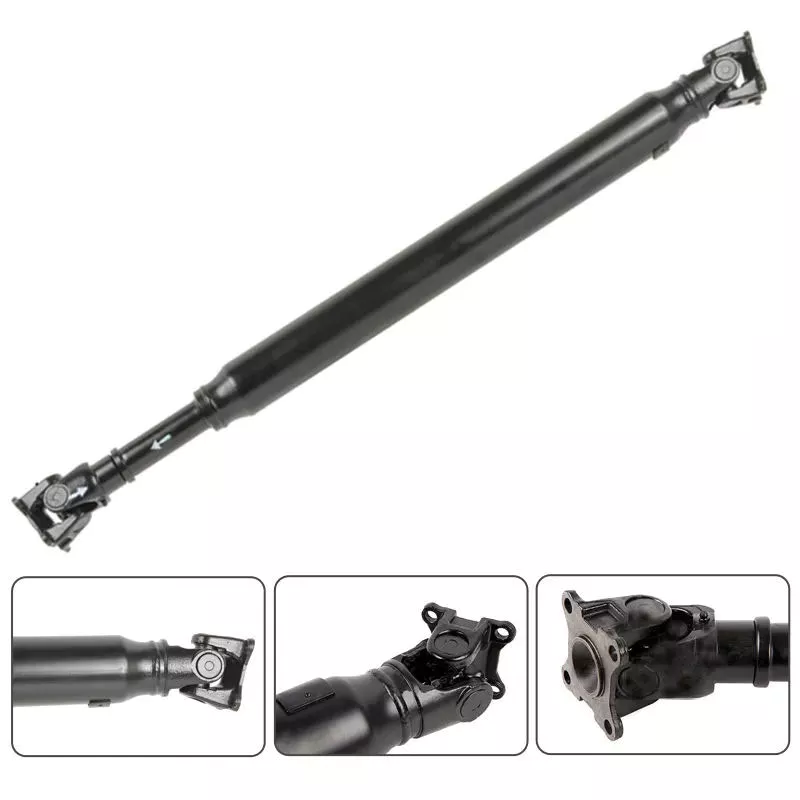
Can drive shafts be customized for specific vehicle or equipment requirements?
Yes, drive shafts can be customized to meet specific vehicle or equipment requirements. Customization allows manufacturers to tailor the design, dimensions, materials, and other parameters of the drive shaft to ensure compatibility and optimal performance within a particular vehicle or equipment. Here’s a detailed explanation of how drive shafts can be customized:
1. Dimensional Customization:
Drive shafts can be customized to match the dimensional requirements of the vehicle or equipment. This includes adjusting the overall length, diameter, and spline configuration to ensure proper fitment and clearances within the specific application. By customizing the dimensions, the drive shaft can be seamlessly integrated into the driveline system without any interference or limitations.
2. Material Selection:
The choice of materials for drive shafts can be customized based on the specific requirements of the vehicle or equipment. Different materials, such as steel alloys, aluminum alloys, or specialized composites, can be selected to optimize strength, weight, and durability. The material selection can be tailored to meet the torque, speed, and operating conditions of the application, ensuring the drive shaft’s reliability and longevity.
3. Joint Configuration:
Drive shafts can be customized with different joint configurations to accommodate specific vehicle or equipment requirements. For example, universal joints (U-joints) may be suitable for applications with lower operating angles and moderate torque demands, while constant velocity (CV) joints are often used in applications requiring higher operating angles and smoother power transmission. The choice of joint configuration depends on factors such as operating angle, torque capacity, and desired performance characteristics.
4. Torque and Power Capacity:
Customization allows drive shafts to be designed with the appropriate torque and power capacity for the specific vehicle or equipment. Manufacturers can analyze the torque requirements, operating conditions, and safety margins of the application to determine the optimal torque rating and power capacity of the drive shaft. This ensures that the drive shaft can handle the required loads without experiencing premature failure or performance issues.
5. Balancing and Vibration Control:
Drive shafts can be customized with precision balancing and vibration control measures. Imbalances in the drive shaft can lead to vibrations, increased wear, and potential driveline issues. By employing dynamic balancing techniques during the manufacturing process, manufacturers can minimize vibrations and ensure smooth operation. Additionally, vibration dampers or isolation systems can be integrated into the drive shaft design to further mitigate vibrations and enhance overall system performance.
6. Integration and Mounting Considerations:
Customization of drive shafts takes into account the integration and mounting requirements of the specific vehicle or equipment. Manufacturers work closely with the vehicle or equipment designers to ensure that the drive shaft fits seamlessly into the driveline system. This includes adapting the mounting points, interfaces, and clearances to ensure proper alignment and installation of the drive shaft within the vehicle or equipment.
7. Collaboration and Feedback:
Manufacturers often collaborate with vehicle manufacturers, OEMs (Original Equipment Manufacturers), or end-users to gather feedback and incorporate their specific requirements into the drive shaft customization process. By actively seeking input and feedback, manufacturers can address specific needs, optimize performance, and ensure compatibility with the vehicle or equipment. This collaborative approach enhances the customization process and results in drive shafts that meet the exact requirements of the application.
8. Compliance with Standards:
Customized drive shafts can be designed to comply with relevant industry standards and regulations. Compliance with standards, such as ISO (International Organization for Standardization) or specific industry standards, ensures that the customized drive shafts meet quality, safety, and performance requirements. Adhering to these standards provides assurance that the drive shafts are compatible and can be seamlessly integrated into the specific vehicle or equipment.
In summary, drive shafts can be customized to meet specific vehicle or equipment requirements through dimensional customization, material selection, joint configuration, torque and power capacity optimization, balancing and vibration control, integration and mounting considerations, collaboration with stakeholders, and compliance with industry standards. Customization allows drive shafts to be precisely tailored to the needs of the application, ensuring compatibility, reliability, and optimal performance.

ドライブシャフトは、さまざまな種類の車両や機器にどのような利点をもたらしますか?
ドライブシャフトは、様々な種類の車両や機器に多くの利点をもたらします。動力伝達において重要な役割を果たし、様々なシステムの全体的な性能、効率、機能性に貢献します。以下に、ドライブシャフトがもたらす利点について詳しく説明します。
1. 効率的な電力伝送:
ドライブシャフトは、エンジンや動力源から車輪や駆動部品へ効率的に動力を伝達します。エンジンやモーターを駆動システムに接続することで、ドライブシャフトは回転動力を効率的に伝達し、車両や機器が本来の機能を果たすことを可能にします。この効率的な動力伝達により、エンジンで生成された動力が効果的に利用され、システム全体の性能と生産性が最適化されます。
2. 汎用性:
ドライブシャフトは、その用途において汎用性の高さが特長です。乗用車、トラック、オートバイ、オフロード車など、様々な種類の車両に使用されています。さらに、農業機械、建設機械、産業機械、船舶など、幅広い機器や機械にも採用されています。このように、様々な車両や機器に対応できる汎用性の高さから、ドライブシャフトは動力伝達において非常に汎用性の高い部品となっています。
3. トルク処理能力:
ドライブシャフトは、高トルクに対応できるように設計されています。トルクとは、エンジンや動力源によって発生する回転力のことです。ドライブシャフトは、過度のねじれや曲がりを起こさずに、このトルクを効率的に伝達するように設計されています。ドライブシャフトはトルクを効果的に処理することで、エンジンによって発生した動力を車輪や駆動部品に確実に伝達し、車両や機器が重荷重や険しい地形などの抵抗を克服できるようにします。
4.柔軟性と報酬:
ドライブシャフトは、角度方向の動きや位置ずれを補正する柔軟性を提供します。車両においては、ドライブシャフトはサスペンションシステムの動きに対応し、車輪が独立して上下に動くことを可能にします。この柔軟性により、車両が不整地を走行しても、一定の動力伝達が確保されます。同様に、機械においては、ドライブシャフトはエンジンやモーターと駆動部品間の位置ずれを補正し、スムーズな動力伝達を実現するとともに、駆動系への過度の負荷を防ぎます。
5. 減量:
ドライブシャフトは、車両や機器の軽量化に貢献します。ベルト駆動やチェーン駆動といった他の動力伝達方式と比較して、ドライブシャフトは一般的に軽量です。この軽量化により、車両の燃費が向上し、機器全体の重量も軽減されるため、操縦性の向上と積載量の増加につながります。さらに、ドライブシャフトの軽量化は出力重量比の向上にも貢献し、性能と加速性能の向上をもたらします。
6.耐久性と寿命:
ドライブシャフトは、耐久性と長寿命を実現するように設計されています。鋼鉄やアルミニウムなどの高強度で耐摩耗性・耐疲労性に優れた素材を使用し、製造されています。ドライブシャフトは、信頼性と長寿命を確保するために、厳格な試験と品質管理措置を受けています。潤滑や定期点検などの適切なメンテナンスを行うことで、耐久性はさらに向上します。ドライブシャフトの堅牢な構造と長寿命は、車両や機器全体の信頼性とコスト効率の向上に貢献します。
7. 安全性:
ドライブシャフトには、運転者や周囲の人を保護するための安全機能が組み込まれています。車両では、ドライブシャフトは保護チューブやハウジングで覆われていることが多く、可動部との接触を防ぎ、故障時の負傷リスクを軽減します。同様に、機械では、回転部品に伴う潜在的な危険を最小限に抑えるため、露出したドライブシャフトの周囲に安全シールドやガードが設置されているのが一般的です。これらの安全対策により、車両や機器の操作、またはその近傍での作業を行う人々の安全が確保されます。
要約すると、ドライブシャフトは様々な種類の車両や機器に多くの利点をもたらします。効率的な動力伝達を可能にし、多様な用途に対応できる汎用性を提供し、トルクを効果的に処理し、柔軟性と補償機能を提供し、軽量化に貢献し、耐久性と長寿命を確保し、安全機能を組み込んでいます。これらの利点により、ドライブシャフトは幅広い産業分野の車両や機器の性能、効率、信頼性、安全性を向上させます。


editor by CX 2024-02-07