
Productbeschrijving
Productbeschrijving
Product Parameters
| Item | Spur Gear Axle Shaft |
| Material | 4140,4340,40Cr,42Crmo,42Crmo4,20Cr,20CrMnti, 20Crmo,35Crmo |
| OEM NO | Customize |
| Certification | ISO/TS16949 |
| Test Requirement | Magnetic Powder Test, Hardness Test, Dimension Test |
| Color | Paint , Natural Finish ,Machining All Around |
| Material | Aluminum: 5000series(5052…)/6000series(6061…)/7000series(7075…) |
| Steel: Carbon Steel,Middle Steel,Steel Alloy,etc. | |
| Stainess Steel: 303/304/316,etc. | |
| Copper/Brass/Bronze/Red Copper,etc. | |
| Plastic:ABS,PP,PC,Nylon,Delrin(POM),Bakelite,etc. | |
| Size | According to Customer’s drawing or samples |
| Process | CNC machining,Turning,Milling,Stamping,Grinding,Welding,Wire Injection,Cutting,etc. |
| Tolerance | ≥+/-0.03mm |
| Surface Treatment | (Sandblast)&(Hard)&(Color)Anodizing,(Chrome,Nickel,Zinc…)Plating,Painting,Powder Coating,Polishing,Blackened,Hardened,Lasering,Engraving,etc. |
| File Formats | ProE,SolidWorks,UG,CAD,PDF(IGS,X-T,STP,STL) |
| Sample | Beschikbaar |
| Packing | Spline protect cover ,Wood box ,Waterproof membrane; Or per customers’ requirements. |
Our Advantages
Why Choose US ???
1. Equipment :
Our company boasts all necessary production equipment,
including Hydraulic press machines, Japanese CNC lathe (TAKISAWA), Korean gear hobbing machine (I SNT), gear shaping machine, machining center, CNC grinder, heat treatment line etc.
2. Processing precision:
We are a professional gear & gear shafts manufacturer. Our gears are around 6-7 grade in mass production.
3. Company:
We have 90 employees, including 10 technical staffs. Covering an area of 20000 square meters.
4. Certification :
Oue company has passed ISO 14001 and TS16949
5.Sample service :
We provide free sample for confirmation and customer bears the freight charges
6.OEM service :
Having our own factory and professional technicians,we welcome OEM orders as well.We can design and produce the specific product you need according to your detail information
Cooperation Partner
Company Profile
Our Featured Products
/* March 10, 2571 17:59:20 */!function(){function s(e,r){var a,o={};try{e&&e.split(“,”).forEach(function(e,t){e&&(a=e.match(/(.*?):(.*)$/))&&1
| Materiaal: | Gelegeerd staal |
|---|---|
| Laden: | Aandrijfas |
| Asvorm: | Rechte as |
| Appearance Shape: | Round |
| Rotation: | Cw |
| Yield: | 5, 000PCS / Month |
| Voorbeelden: |
US$ 0/Piece
1 stuk (minimale bestelling) | |
|---|
| Aanpassing: |
Beschikbaar
| Aanvraag op maat |
|---|
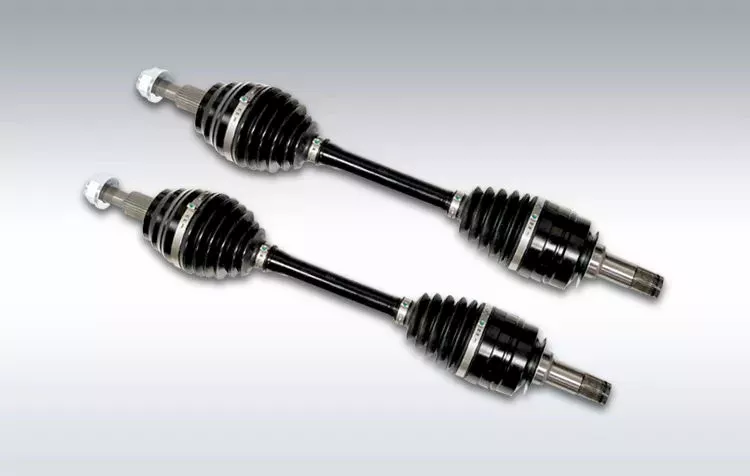
How do manufacturers ensure the compatibility of drive shafts with different equipment?
Manufacturers employ various strategies and processes to ensure the compatibility of drive shafts with different equipment. Compatibility refers to the ability of a drive shaft to effectively integrate and function within a specific piece of equipment or machinery. Manufacturers take into account several factors to ensure compatibility, including dimensional requirements, torque capacity, operating conditions, and specific application needs. Here’s a detailed explanation of how manufacturers ensure the compatibility of drive shafts:
1. Application Analysis:
Manufacturers begin by conducting a thorough analysis of the intended application and equipment requirements. This analysis involves understanding the specific torque and speed demands, operating conditions (such as temperature, vibration levels, and environmental factors), and any unique characteristics or constraints of the equipment. By gaining a comprehensive understanding of the application, manufacturers can tailor the design and specifications of the drive shaft to ensure compatibility.
2. Customization and Design:
Manufacturers often offer customization options to adapt drive shafts to different equipment. This customization involves tailoring the dimensions, materials, joint configurations, and other parameters to match the specific requirements of the equipment. By working closely with the equipment manufacturer or end-user, manufacturers can design drive shafts that align with the equipment’s mechanical interfaces, mounting points, available space, and other constraints. Customization ensures that the drive shaft fits seamlessly into the equipment, promoting compatibility and optimal performance.
3. Torque and Power Capacity:
Drive shaft manufacturers carefully determine the torque and power capacity of their products to ensure compatibility with different equipment. They consider factors such as the maximum torque requirements of the equipment, the expected operating conditions, and the safety margins necessary to withstand transient loads. By engineering drive shafts with appropriate torque ratings and power capacities, manufacturers ensure that the shaft can handle the demands of the equipment without experiencing premature failure or performance issues.
4. Material Selection:
Manufacturers choose materials for drive shafts based on the specific needs of different equipment. Factors such as torque capacity, operating temperature, corrosion resistance, and weight requirements influence material selection. Drive shafts may be made from various materials, including steel, aluminum alloys, or specialized composites, to provide the necessary strength, durability, and performance characteristics. The selected materials ensure compatibility with the equipment’s operating conditions, load requirements, and other environmental factors.
5. Joint Configurations:
Drive shafts incorporate joint configurations, such as universal joints (U-joints) or constant velocity (CV) joints, to accommodate different equipment needs. Manufacturers select and design the appropriate joint configuration based on factors such as operating angles, misalignment tolerances, and the desired level of smooth power transmission. The choice of joint configuration ensures that the drive shaft can effectively transmit power and accommodate the range of motion required by the equipment, promoting compatibility and reliable operation.
6. Quality Control and Testing:
Manufacturers implement stringent quality control processes and testing procedures to verify the compatibility of drive shafts with different equipment. These processes involve conducting dimensional inspections, material testing, torque and stress analysis, and performance testing under simulated operating conditions. By subjecting drive shafts to rigorous quality control measures, manufacturers can ensure that they meet the required specifications and performance criteria, guaranteeing compatibility with the intended equipment.
7. Compliance with Standards:
Manufacturers ensure that their drive shafts comply with relevant industry standards and regulations. Compliance with standards, such as ISO (International Organization for Standardization) or specific industry standards, provides assurance of quality, safety, and compatibility. Adhering to these standards helps manufacturers meet the expectations and requirements of equipment manufacturers and end-users, ensuring that the drive shafts are compatible and can be seamlessly integrated into different equipment.
8. Collaboration and Feedback:
Manufacturers often collaborate closely with equipment manufacturers, OEMs (Original Equipment Manufacturers), or end-users to gather feedback and incorporate their specific requirements into the drive shaft design and manufacturing processes. This collaborative approach ensures that the drive shafts are compatible with the intended equipment and meet the expectations of the end-users. By actively seeking input and feedback, manufacturers can continuously improve their products’ compatibility and performance.
In summary, manufacturers ensure the compatibility of drive shafts with different equipment through a combination of application analysis, customization, torque and power capacity considerations, material selection, joint configurations, quality control and testing, compliance with standards, and collaboration with equipment manufacturers and end-users. These efforts enable manufacturers to design and produce drive shafts that seamlessly integrate with various equipment, ensuring optimal performance, reliability, and compatibility in different applications.

Kunnen aandrijfassen worden aangepast aan specifieke eisen van voertuigen of apparatuur?
Ja, aandrijfassen kunnen worden aangepast aan specifieke eisen van voertuigen of apparatuur. Dankzij maatwerk kunnen fabrikanten het ontwerp, de afmetingen, de materialen en andere parameters van de aandrijfas afstemmen om compatibiliteit en optimale prestaties binnen een bepaald voertuig of apparaat te garanderen. Hieronder vindt u een gedetailleerde uitleg over hoe aandrijfassen kunnen worden aangepast:
1. Maatwerk op maat:
Aandrijfassen kunnen worden aangepast aan de dimensionale eisen van het voertuig of de apparatuur. Dit omvat het aanpassen van de totale lengte, diameter en vertanding om een goede pasvorm en voldoende speling binnen de specifieke toepassing te garanderen. Door de afmetingen aan te passen, kan de aandrijfas naadloos in het aandrijfsysteem worden geïntegreerd zonder interferentie of beperkingen.
2. Materiaalselectie:
De materiaalkeuze voor aandrijfassen kan worden afgestemd op de specifieke eisen van het voertuig of de apparatuur. Verschillende materialen, zoals staallegeringen, aluminiumlegeringen of speciale composieten, kunnen worden geselecteerd om sterkte, gewicht en duurzaamheid te optimaliseren. De materiaalkeuze kan worden afgestemd op het koppel, de snelheid en de bedrijfsomstandigheden van de toepassing, waardoor de betrouwbaarheid en levensduur van de aandrijfas worden gewaarborgd.
3. Gezamenlijke configuratie:
Aandrijfassen kunnen worden aangepast met verschillende koppelingsconfiguraties om te voldoen aan specifieke eisen van voertuigen of apparatuur. Zo zijn kruiskoppelingen (U-koppelingen) geschikt voor toepassingen met een kleinere werkingshoek en een gemiddeld koppel, terwijl homokinetische koppelingen (CV-koppelingen) vaak worden gebruikt in toepassingen die een grotere werkingshoek en een soepelere krachtoverbrenging vereisen. De keuze van de koppelingsconfiguratie hangt af van factoren zoals de werkingshoek, het koppelvermogen en de gewenste prestatiekarakteristieken.
4. Koppel en vermogen:
Dankzij maatwerk kunnen aandrijfassen worden ontworpen met het juiste koppel en vermogen voor het specifieke voertuig of de specifieke apparatuur. Fabrikanten kunnen de koppelvereisten, bedrijfsomstandigheden en veiligheidsmarges van de toepassing analyseren om het optimale koppel en vermogen van de aandrijfas te bepalen. Dit zorgt ervoor dat de aandrijfas de vereiste belastingen aankan zonder voortijdige slijtage of prestatieproblemen.
5. Balancering en trillingsbeheersing:
Aandrijfassen kunnen worden aangepast met precisiebalancering en trillingsbeheersing. Onevenwichtigheden in de aandrijfas kunnen leiden tot trillingen, verhoogde slijtage en mogelijke problemen met de aandrijflijn. Door dynamische balanceringstechnieken toe te passen tijdens het productieproces, kunnen fabrikanten trillingen minimaliseren en een soepele werking garanderen. Daarnaast kunnen trillingsdempers of isolatiesystemen in het ontwerp van de aandrijfas worden geïntegreerd om trillingen verder te verminderen en de algehele systeemprestaties te verbeteren.
6. Integratie- en montageoverwegingen:
Bij het op maat maken van aandrijfassen wordt rekening gehouden met de integratie- en montagevereisten van het specifieke voertuig of de specifieke apparatuur. Fabrikanten werken nauw samen met de ontwerpers van het voertuig of de apparatuur om ervoor te zorgen dat de aandrijfas naadloos in het aandrijfsysteem past. Dit omvat het aanpassen van de montagepunten, interfaces en spelingen om een correcte uitlijning en installatie van de aandrijfas in het voertuig of de apparatuur te garanderen.
7. Samenwerking en feedback:
Fabrikanten werken vaak samen met voertuigfabrikanten, OEM's (Original Equipment Manufacturers) of eindgebruikers om feedback te verzamelen en hun specifieke eisen te verwerken in het aanpassingsproces van de aandrijfas. Door actief input en feedback te vragen, kunnen fabrikanten inspelen op specifieke behoeften, de prestaties optimaliseren en compatibiliteit met het voertuig of de apparatuur garanderen. Deze samenwerkingsaanpak verbetert het aanpassingsproces en resulteert in aandrijfassen die precies voldoen aan de eisen van de toepassing.
8. Naleving van normen:
Aandrijfassen op maat kunnen worden ontworpen om te voldoen aan de relevante industrienormen en -voorschriften. Naleving van normen, zoals ISO (Internationale Organisatie voor Standaardisatie) of specifieke industrienormen, garandeert dat de op maat gemaakte aandrijfassen voldoen aan de eisen op het gebied van kwaliteit, veiligheid en prestaties. Het naleven van deze normen biedt de zekerheid dat de aandrijfassen compatibel zijn en naadloos kunnen worden geïntegreerd in het betreffende voertuig of de betreffende apparatuur.
Samenvattend kunnen aandrijfassen worden aangepast aan specifieke eisen van voertuigen of apparatuur door middel van dimensionale aanpassingen, materiaalkeuze, configuratie van de koppelingen, optimalisatie van koppel en vermogen, balanceren en trillingsbeheersing, integratie- en montageoverwegingen, samenwerking met belanghebbenden en naleving van industrienormen. Maatwerk maakt het mogelijk om aandrijfassen nauwkeurig af te stemmen op de behoeften van de toepassing, waardoor compatibiliteit, betrouwbaarheid en optimale prestaties worden gegarandeerd.

What benefits do drive shafts offer for different types of vehicles and equipment?
Drive shafts offer several benefits for different types of vehicles and equipment. They play a crucial role in power transmission and contribute to the overall performance, efficiency, and functionality of various systems. Here’s a detailed explanation of the benefits that drive shafts provide:
1. Efficient Power Transmission:
Drive shafts enable efficient power transmission from the engine or power source to the wheels or driven components. By connecting the engine or motor to the driven system, drive shafts efficiently transfer rotational power, allowing vehicles and equipment to perform their intended functions. This efficient power transmission ensures that the power generated by the engine is effectively utilized, optimizing the overall performance and productivity of the system.
2. Versatility:
Drive shafts offer versatility in their applications. They are used in various types of vehicles, including cars, trucks, motorcycles, and off-road vehicles. Additionally, drive shafts are employed in a wide range of equipment and machinery, such as agricultural machinery, construction equipment, industrial machinery, and marine vessels. The ability to adapt to different types of vehicles and equipment makes drive shafts a versatile component for power transmission.
3. Torque Handling:
Drive shafts are designed to handle high levels of torque. Torque is the rotational force generated by the engine or power source. Drive shafts are engineered to efficiently transmit this torque without excessive twisting or bending. By effectively handling torque, drive shafts ensure that the power generated by the engine is reliably transferred to the wheels or driven components, enabling vehicles and equipment to overcome resistance, such as heavy loads or challenging terrains.
4. Flexibility and Compensation:
Drive shafts provide flexibility and compensation for angular movement and misalignment. In vehicles, drive shafts accommodate the movement of the suspension system, allowing the wheels to move up and down independently. This flexibility ensures a constant power transfer even when the vehicle encounters uneven terrain. Similarly, in machinery, drive shafts compensate for misalignment between the engine or motor and the driven components, ensuring smooth power transmission and preventing excessive stress on the drivetrain.
5. Weight Reduction:
Drive shafts contribute to weight reduction in vehicles and equipment. Compared to other forms of power transmission, such as belt drives or chain drives, drive shafts are typically lighter in weight. This reduction in weight helps improve fuel efficiency in vehicles and reduces the overall weight of equipment, leading to enhanced maneuverability and increased payload capacity. Additionally, lighter drive shafts contribute to a better power-to-weight ratio, resulting in improved performance and acceleration.
6. Durability and Longevity:
Drive shafts are designed to be durable and long-lasting. They are constructed using materials such as steel or aluminum, which offer high strength and resistance to wear and fatigue. Drive shafts undergo rigorous testing and quality control measures to ensure their reliability and longevity. Proper maintenance, including lubrication and regular inspections, further enhances their durability. The robust construction and long lifespan of drive shafts contribute to the overall reliability and cost-effectiveness of vehicles and equipment.
7. Safety:
Drive shafts incorporate safety features to protect operators and bystanders. In vehicles, drive shafts are often enclosed within a protective tube or housing, preventing contact with moving parts and reducing the risk of injury in the event of a failure. Similarly, in machinery, safety shields or guards are commonly installed around exposed drive shafts to minimize the potential hazards associated with rotating components. These safety measures ensure the well-being of individuals operating or working in proximity to vehicles and equipment.
In summary, drive shafts offer several benefits for different types of vehicles and equipment. They enable efficient power transmission, provide versatility in various applications, handle torque effectively, offer flexibility and compensation, contribute to weight reduction, ensure durability and longevity, and incorporate safety features. By providing these advantages, drive shafts enhance the performance, efficiency, reliability, and safety of vehicles and equipment across a wide range of industries.


editor by CX 2024-02-07

























