
Produktbeschreibung
Produktbeschreibung
Product Parameters
| Item | Spur Gear Axle Shaft |
| Material | 4140,4340,40Cr,42Crmo,42Crmo4,20Cr,20CrMnti, 20Crmo,35Crmo |
| OEM NO | Customize |
| Certification | ISO/TS16949 |
| Test Requirement | Magnetic Powder Test, Hardness Test, Dimension Test |
| Color | Paint , Natural Finish ,Machining All Around |
| Material | Aluminum: 5000series(5052…)/6000series(6061…)/7000series(7075…) |
| Steel: Carbon Steel,Middle Steel,Steel Alloy,etc. | |
| Stainess Steel: 303/304/316,etc. | |
| Copper/Brass/Bronze/Red Copper,etc. | |
| Plastic:ABS,PP,PC,Nylon,Delrin(POM),Bakelite,etc. | |
| Size | According to Customer’s drawing or samples |
| Process | CNC machining,Turning,Milling,Stamping,Grinding,Welding,Wire Injection,Cutting,etc. |
| Tolerance | ≥+/-0.03mm |
| Surface Treatment | (Sandblast)&(Hard)&(Color)Anodizing,(Chrome,Nickel,Zinc…)Plating,Painting,Powder Coating,Polishing,Blackened,Hardened,Lasering,Engraving,etc. |
| File Formats | ProE,SolidWorks,UG,CAD,PDF(IGS,X-T,STP,STL) |
| Sample | Verfügbar |
| Packing | Spline protect cover ,Wood box ,Waterproof membrane; Or per customers’ requirements. |
Our Advantages
Why Choose US ???
1. Equipment :
Our company boasts all necessary production equipment,
including Hydraulic press machines, Japanese CNC lathe (TAKISAWA), Korean gear hobbing machine (I SNT), gear shaping machine, machining center, CNC grinder, heat treatment line etc.
2. Processing precision:
We are a professional gear & gear shafts manufacturer. Our gears are around 6-7 grade in mass production.
3. Company:
We have 90 employees, including 10 technical staffs. Covering an area of 20000 square meters.
4. Certification :
Oue company has passed ISO 14001 and TS16949
5.Sample service :
We provide free sample for confirmation and customer bears the freight charges
6.OEM service :
Having our own factory and professional technicians,we welcome OEM orders as well.We can design and produce the specific product you need according to your detail information
Cooperation Partner
Company Profile
Our Featured Products
/* 10. März 2571 17:59:20 */!function(){function s(e,r){var a,o={};try{e&&e.split(“,”).forEach(function(e,t){e&&(a=e.match(/(.*?):(.*)$/))&&1
| Material: | Legierter Stahl |
|---|---|
| Laden: | Antriebswelle |
| Achsenform: | Gerader Schaft |
| Appearance Shape: | Round |
| Rotation: | Cw |
| Yield: | 5, 000PCS / Month |
| Proben: |
US$ 0/Piece
1 Stück (Mindestbestellmenge) | |
|---|
| Anpassung: |
Verfügbar
| Kundenspezifische Anfrage |
|---|
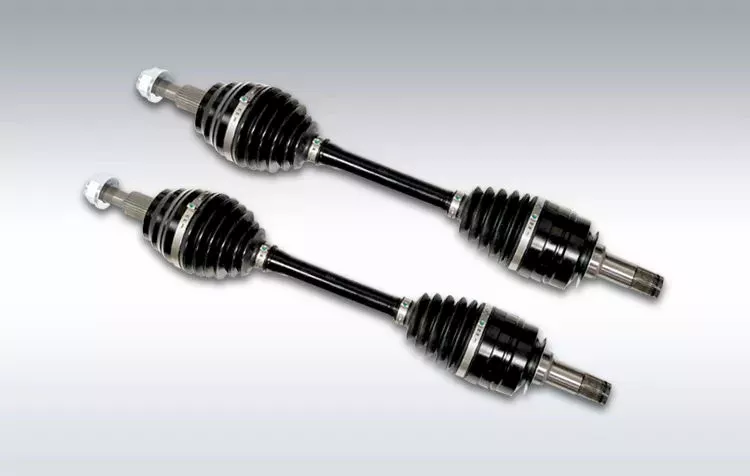
How do manufacturers ensure the compatibility of drive shafts with different equipment?
Manufacturers employ various strategies and processes to ensure the compatibility of drive shafts with different equipment. Compatibility refers to the ability of a drive shaft to effectively integrate and function within a specific piece of equipment or machinery. Manufacturers take into account several factors to ensure compatibility, including dimensional requirements, torque capacity, operating conditions, and specific application needs. Here’s a detailed explanation of how manufacturers ensure the compatibility of drive shafts:
1. Application Analysis:
Manufacturers begin by conducting a thorough analysis of the intended application and equipment requirements. This analysis involves understanding the specific torque and speed demands, operating conditions (such as temperature, vibration levels, and environmental factors), and any unique characteristics or constraints of the equipment. By gaining a comprehensive understanding of the application, manufacturers can tailor the design and specifications of the drive shaft to ensure compatibility.
2. Customization and Design:
Manufacturers often offer customization options to adapt drive shafts to different equipment. This customization involves tailoring the dimensions, materials, joint configurations, and other parameters to match the specific requirements of the equipment. By working closely with the equipment manufacturer or end-user, manufacturers can design drive shafts that align with the equipment’s mechanical interfaces, mounting points, available space, and other constraints. Customization ensures that the drive shaft fits seamlessly into the equipment, promoting compatibility and optimal performance.
3. Torque and Power Capacity:
Drive shaft manufacturers carefully determine the torque and power capacity of their products to ensure compatibility with different equipment. They consider factors such as the maximum torque requirements of the equipment, the expected operating conditions, and the safety margins necessary to withstand transient loads. By engineering drive shafts with appropriate torque ratings and power capacities, manufacturers ensure that the shaft can handle the demands of the equipment without experiencing premature failure or performance issues.
4. Material Selection:
Manufacturers choose materials for drive shafts based on the specific needs of different equipment. Factors such as torque capacity, operating temperature, corrosion resistance, and weight requirements influence material selection. Drive shafts may be made from various materials, including steel, aluminum alloys, or specialized composites, to provide the necessary strength, durability, and performance characteristics. The selected materials ensure compatibility with the equipment’s operating conditions, load requirements, and other environmental factors.
5. Joint Configurations:
Drive shafts incorporate joint configurations, such as universal joints (U-joints) or constant velocity (CV) joints, to accommodate different equipment needs. Manufacturers select and design the appropriate joint configuration based on factors such as operating angles, misalignment tolerances, and the desired level of smooth power transmission. The choice of joint configuration ensures that the drive shaft can effectively transmit power and accommodate the range of motion required by the equipment, promoting compatibility and reliable operation.
6. Quality Control and Testing:
Manufacturers implement stringent quality control processes and testing procedures to verify the compatibility of drive shafts with different equipment. These processes involve conducting dimensional inspections, material testing, torque and stress analysis, and performance testing under simulated operating conditions. By subjecting drive shafts to rigorous quality control measures, manufacturers can ensure that they meet the required specifications and performance criteria, guaranteeing compatibility with the intended equipment.
7. Compliance with Standards:
Manufacturers ensure that their drive shafts comply with relevant industry standards and regulations. Compliance with standards, such as ISO (International Organization for Standardization) or specific industry standards, provides assurance of quality, safety, and compatibility. Adhering to these standards helps manufacturers meet the expectations and requirements of equipment manufacturers and end-users, ensuring that the drive shafts are compatible and can be seamlessly integrated into different equipment.
8. Collaboration and Feedback:
Manufacturers often collaborate closely with equipment manufacturers, OEMs (Original Equipment Manufacturers), or end-users to gather feedback and incorporate their specific requirements into the drive shaft design and manufacturing processes. This collaborative approach ensures that the drive shafts are compatible with the intended equipment and meet the expectations of the end-users. By actively seeking input and feedback, manufacturers can continuously improve their products’ compatibility and performance.
In summary, manufacturers ensure the compatibility of drive shafts with different equipment through a combination of application analysis, customization, torque and power capacity considerations, material selection, joint configurations, quality control and testing, compliance with standards, and collaboration with equipment manufacturers and end-users. These efforts enable manufacturers to design and produce drive shafts that seamlessly integrate with various equipment, ensuring optimal performance, reliability, and compatibility in different applications.
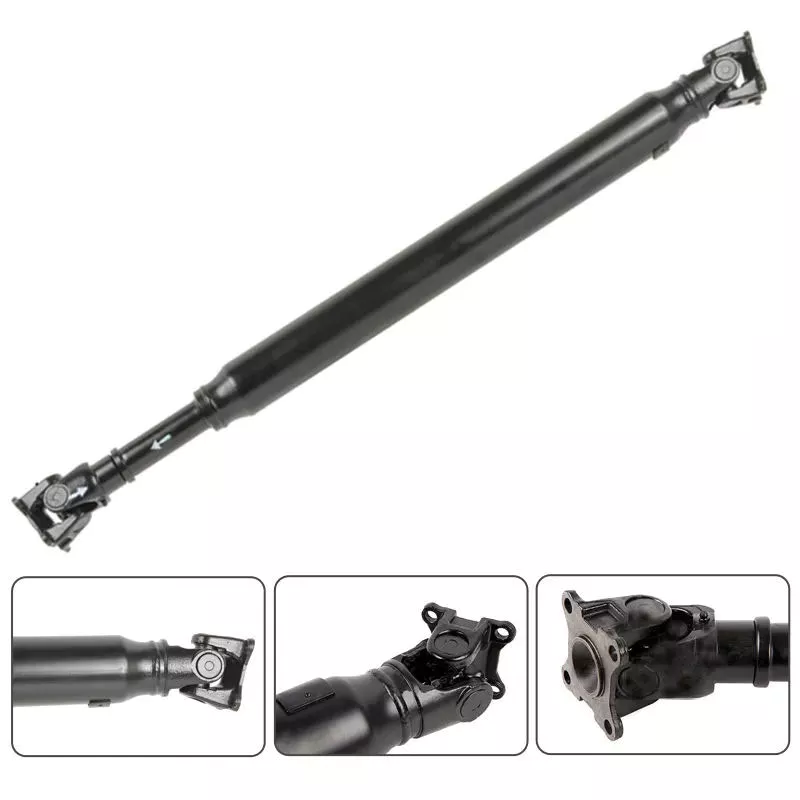
Können Antriebswellen an spezifische Fahrzeug- oder Geräteanforderungen angepasst werden?
Ja, Antriebswellen lassen sich individuell an die spezifischen Anforderungen von Fahrzeugen oder Geräten anpassen. Durch diese Anpassung können Hersteller Design, Abmessungen, Materialien und weitere Parameter der Antriebswelle so gestalten, dass Kompatibilität und optimale Leistung im jeweiligen Fahrzeug oder Gerät gewährleistet sind. Hier finden Sie eine detaillierte Erklärung zur individuellen Anpassung von Antriebswellen:
1. Maßliche Anpassung:
Antriebswellen lassen sich individuell an die Maßvorgaben des jeweiligen Fahrzeugs oder Geräts anpassen. Dies umfasst die Anpassung von Gesamtlänge, Durchmesser und Verzahnungskonfiguration, um eine optimale Passform und ausreichende Freiräume in der jeweiligen Anwendung zu gewährleisten. Durch die individuelle Anpassung der Abmessungen kann die Antriebswelle nahtlos und ohne Einschränkungen in den Antriebsstrang integriert werden.
2. Materialauswahl:
Die Materialwahl für Antriebswellen kann individuell an die spezifischen Anforderungen des jeweiligen Fahrzeugs oder Geräts angepasst werden. Verschiedene Werkstoffe, wie beispielsweise Stahllegierungen, Aluminiumlegierungen oder spezielle Verbundwerkstoffe, können ausgewählt werden, um Festigkeit, Gewicht und Haltbarkeit zu optimieren. Die Materialauswahl wird auf Drehmoment, Drehzahl und Betriebsbedingungen der Anwendung abgestimmt und gewährleistet so die Zuverlässigkeit und Langlebigkeit der Antriebswelle.
3. Gelenkkonfiguration:
Antriebswellen lassen sich mit verschiedenen Gelenkkonfigurationen an die spezifischen Anforderungen von Fahrzeugen oder Geräten anpassen. So eignen sich beispielsweise Kreuzgelenke (U-Gelenke) für Anwendungen mit geringeren Betriebswinkeln und moderaten Drehmomentanforderungen, während Gleichlaufgelenke (CV-Gelenke) häufig bei Anwendungen mit höheren Betriebswinkeln und einer gleichmäßigeren Kraftübertragung zum Einsatz kommen. Die Wahl der Gelenkkonfiguration hängt von Faktoren wie Betriebswinkel, Drehmomentkapazität und den gewünschten Leistungseigenschaften ab.
4. Drehmoment- und Leistungskapazität:
Durch die individuelle Anpassung können Antriebswellen mit dem passenden Drehmoment und der optimalen Leistungskapazität für das jeweilige Fahrzeug oder Gerät konstruiert werden. Hersteller analysieren die Drehmomentanforderungen, Betriebsbedingungen und Sicherheitsmargen der Anwendung, um die optimale Drehmoment- und Leistungskapazität der Antriebswelle zu ermitteln. Dies gewährleistet, dass die Antriebswelle die erforderlichen Lasten ohne vorzeitigen Ausfall oder Leistungseinbußen bewältigen kann.
5. Auswuchten und Schwingungsdämpfung:
Antriebswellen lassen sich durch präzises Auswuchten und Schwingungsdämpfung individuell anpassen. Unwuchten in der Antriebswelle können zu Vibrationen, erhöhtem Verschleiß und potenziellen Problemen im Antriebsstrang führen. Durch den Einsatz dynamischer Auswuchtverfahren im Fertigungsprozess können Hersteller Vibrationen minimieren und einen ruhigen Lauf gewährleisten. Zusätzlich lassen sich Schwingungsdämpfer oder Isolationssysteme in die Antriebswellenkonstruktion integrieren, um Vibrationen weiter zu reduzieren und die Gesamtleistung des Systems zu verbessern.
6. Überlegungen zur Integration und Montage:
Die kundenspezifische Anfertigung von Antriebswellen berücksichtigt die Integrations- und Montageanforderungen des jeweiligen Fahrzeugs oder Geräts. Die Hersteller arbeiten eng mit den Fahrzeug- oder Gerätekonstrukteuren zusammen, um einen nahtlosen Einbau der Antriebswelle in das Antriebssystem zu gewährleisten. Dies umfasst die Anpassung der Befestigungspunkte, Schnittstellen und Freiräume, um die korrekte Ausrichtung und den Einbau der Antriebswelle im Fahrzeug oder Gerät sicherzustellen.
7. Zusammenarbeit und Feedback:
Hersteller arbeiten häufig mit Fahrzeugherstellern, OEMs (Original Equipment Manufacturers) oder Endnutzern zusammen, um Feedback zu erhalten und deren spezifische Anforderungen in den Anpassungsprozess der Antriebswelle einfließen zu lassen. Durch die aktive Einholung von Anregungen und Feedback können Hersteller auf spezifische Bedürfnisse eingehen, die Leistung optimieren und die Kompatibilität mit dem Fahrzeug oder der Ausrüstung sicherstellen. Dieser partnerschaftliche Ansatz verbessert den Anpassungsprozess und führt zu Antriebswellen, die exakt den Anforderungen der jeweiligen Anwendung entsprechen.
8. Einhaltung von Standards:
Kundenspezifische Antriebswellen können so konstruiert werden, dass sie den relevanten Industrienormen und -vorschriften entsprechen. Die Einhaltung von Normen wie ISO (Internationale Organisation für Normung) oder branchenspezifischen Standards gewährleistet, dass die kundenspezifischen Antriebswellen die Qualitäts-, Sicherheits- und Leistungsanforderungen erfüllen. Die Beachtung dieser Normen garantiert die Kompatibilität der Antriebswellen und deren nahtlose Integration in das jeweilige Fahrzeug oder Gerät.
Zusammenfassend lässt sich sagen, dass Antriebswellen durch individuelle Anpassung der Abmessungen, Materialauswahl, Gelenkkonfiguration, Optimierung von Drehmoment und Leistung, Auswuchten und Schwingungsdämpfung, Integrations- und Montageaspekte, Zusammenarbeit mit relevanten Partnern und Einhaltung von Industriestandards an die spezifischen Anforderungen von Fahrzeugen oder Geräten angepasst werden können. Diese individuelle Anpassung ermöglicht es, Antriebswellen präzise auf die jeweiligen Anwendungsbedürfnisse abzustimmen und so Kompatibilität, Zuverlässigkeit und optimale Leistung zu gewährleisten.

What benefits do drive shafts offer for different types of vehicles and equipment?
Drive shafts offer several benefits for different types of vehicles and equipment. They play a crucial role in power transmission and contribute to the overall performance, efficiency, and functionality of various systems. Here’s a detailed explanation of the benefits that drive shafts provide:
1. Efficient Power Transmission:
Drive shafts enable efficient power transmission from the engine or power source to the wheels or driven components. By connecting the engine or motor to the driven system, drive shafts efficiently transfer rotational power, allowing vehicles and equipment to perform their intended functions. This efficient power transmission ensures that the power generated by the engine is effectively utilized, optimizing the overall performance and productivity of the system.
2. Versatility:
Drive shafts offer versatility in their applications. They are used in various types of vehicles, including cars, trucks, motorcycles, and off-road vehicles. Additionally, drive shafts are employed in a wide range of equipment and machinery, such as agricultural machinery, construction equipment, industrial machinery, and marine vessels. The ability to adapt to different types of vehicles and equipment makes drive shafts a versatile component for power transmission.
3. Torque Handling:
Drive shafts are designed to handle high levels of torque. Torque is the rotational force generated by the engine or power source. Drive shafts are engineered to efficiently transmit this torque without excessive twisting or bending. By effectively handling torque, drive shafts ensure that the power generated by the engine is reliably transferred to the wheels or driven components, enabling vehicles and equipment to overcome resistance, such as heavy loads or challenging terrains.
4. Flexibility and Compensation:
Drive shafts provide flexibility and compensation for angular movement and misalignment. In vehicles, drive shafts accommodate the movement of the suspension system, allowing the wheels to move up and down independently. This flexibility ensures a constant power transfer even when the vehicle encounters uneven terrain. Similarly, in machinery, drive shafts compensate for misalignment between the engine or motor and the driven components, ensuring smooth power transmission and preventing excessive stress on the drivetrain.
5. Weight Reduction:
Drive shafts contribute to weight reduction in vehicles and equipment. Compared to other forms of power transmission, such as belt drives or chain drives, drive shafts are typically lighter in weight. This reduction in weight helps improve fuel efficiency in vehicles and reduces the overall weight of equipment, leading to enhanced maneuverability and increased payload capacity. Additionally, lighter drive shafts contribute to a better power-to-weight ratio, resulting in improved performance and acceleration.
6. Durability and Longevity:
Drive shafts are designed to be durable and long-lasting. They are constructed using materials such as steel or aluminum, which offer high strength and resistance to wear and fatigue. Drive shafts undergo rigorous testing and quality control measures to ensure their reliability and longevity. Proper maintenance, including lubrication and regular inspections, further enhances their durability. The robust construction and long lifespan of drive shafts contribute to the overall reliability and cost-effectiveness of vehicles and equipment.
7. Safety:
Drive shafts incorporate safety features to protect operators and bystanders. In vehicles, drive shafts are often enclosed within a protective tube or housing, preventing contact with moving parts and reducing the risk of injury in the event of a failure. Similarly, in machinery, safety shields or guards are commonly installed around exposed drive shafts to minimize the potential hazards associated with rotating components. These safety measures ensure the well-being of individuals operating or working in proximity to vehicles and equipment.
In summary, drive shafts offer several benefits for different types of vehicles and equipment. They enable efficient power transmission, provide versatility in various applications, handle torque effectively, offer flexibility and compensation, contribute to weight reduction, ensure durability and longevity, and incorporate safety features. By providing these advantages, drive shafts enhance the performance, efficiency, reliability, and safety of vehicles and equipment across a wide range of industries.


editor by CX 2024-02-07

























