产品描述
Company Profile
Established in 2009, HangZhou CZPT Trading Co., Ltd is a professional supplier for conveyor parts, located in ZHangZhoug province. We focus on supplying a variety of conveyor parts, including conveyor tubes, conveyor frames, conveyor rollers, bearing housings and so forth.
With our professional technology R&D team, and experienced quality control department, our products have been awarded the ISO9001 Quality Management System Standard and our main markets are in America, Europe, Asia and Australia.
|
Factory advantage |
Professional and experienced technology team | ||
| All products inspected before shipping with reasonable prices | |||
| Low MOQ and free sample | |||
| We are audited by SGS and passed the ISO9001:2008 certification | |||
|
Industries service |
Industrial machine | ||
| Electronic and communication | |||
| Oil, gas,mining and petroleum | |||
| Construction industry | |||
| Equipment | CNC Machining Center, CNC Lathes, CNC Milling Machines, Punching and drilling machines, Stamping machines | ||
| Precision Processing | CNC machining, CNC turning and milling, laser cutting, drilling, grinding, bending, stamping, welding | ||
Roller size
| No. | Standard Diameter | Length Range (mm) |
Bearing Type Min-Max |
Shell Thickness of Roller | |
| mm | Inch | ||||
| 1 | 63.5 | 2 1/2 | 150-3500 | 203 204 | 3.0mm-4.0mm |
| 2 | 76 | 3 | 150-3500 | 204 | 3.0mm-4.5mm |
| 3 | 89 | 3 1/3 | 150-3500 | 204 205 | 3.0mm-4.5mm |
| 4 | 102 | 4 | 150-3500 | 3.2mm-4.5mm | |
| 5 | 108 | 4 1/4 | 150-3500 | 306 | 3.5mm-4.5mm |
| 6 | 114 | 4 1/2 | 150-3500 | 306 | 3.5mm-4.5mm |
| 7 | 127 | 5 | 150-3500 | 306 | 3.5mm-5.0mm |
| 8 | 133 | 5 1/4 | 150-3500 | 305 306 | 3.5mm-5.0mm |
| 9 | 140 | 5 1/2 | 150-3500 | 306 307 | 3.5mm-5.0mm |
| 10 | 152 | 6 | 150-3500 | 4.0mm-5.0mm | |
| 11 | 159 | 6 1/4 | 150-3500 | 4.0mm-5.0mm | |
| 12 | 165 | 6 1/2 | 150-3500 | 307 308 | 4.5mm-6.0mm |
| 13 | 177.8 | 7 | 150-3500 | 309 | 4.5mm-6.0mm |
| 14 | 190.7 | 7 1/2 | 150-3500 | 309 310 | 4.5mm-7.0mm |
| 15 | 194 | 7 5/8 | 150-3500 | 309 310 | 4.5mm-8.0mm |
| 16 | 219 | 8 5/8 | 150-3500 | 4.5mm-8.0mm | |
Advantage:
1.The life time: More than 50000 hours
2. TIR (Total Indicator Runout)
0.5mm (0.0197″) for Roll Length 0-600mm
0.8mm (0.571″) for Roll Length 601-1350mm
1.0mm (0. 0571 “) for Roll Length over 1350mm
3.Shaft Float≤0.8mm
4..Samples for testing are available.
5. Lower resistance
6. Small maintain work
7. High load capability
8. Dust proof & water proof
CONVRYOR ROLLER SHAFTS
| We can produce roller shafts and We do customeized |
| Product Size:φ10mm – 70mm |
| Max Length: 3000mm |
| Surface Tolerance: g6 |
| Surface Roughness:0.8mm |
| Specification | ASTM A108 AS1443 |
| Steel Grade | Q235B,C1571,C1045(we can also do other steel grade per your requirments) |
| Size | Φ18mm-φ62mm |
| Diameter Tolerance | ISO286-2,H7/H8 |
| Straightness | 2000:1 |
| O.D | 63.5-219.1mm |
| W .T | 0.45-20mm |
| Length | 6–12m |
| 标准 | SANS 657/3,ASTM 513,AS 1163,BS6323,EN10305 |
| 材料 | Q235B, S355,S230,C350,E235 etc. |
| Technique | Welded,Seamless |
| Surface | oiled ,galvanized or painted with all kinds of colors according to client’s request. |
| Ends | 1.Plain ends, |
| 2.Threading at both side with plastice caps | |
| 3.Threading at both side with socket/coupling. | |
| 4.Beveled ends, and so on | |
| Packing | 1.Water-proof plastic cloth, |
| 2.Woven bags, | |
| 3.PVC package, | |
| 4.Steel strips in bundles | |
| 5.As your requirment | |
| Usage | 1.For low pressure liquid delivery such as water,gas and oil. |
| 2.For construction | |
| 3.Mechanical equipment | |
| 4.For Furniture | |
| Payment&Trade Terms | 1.Payment : T/T,L/C, D/P, Western union |
| 2.Trade Terms:FOB/CFR/CIF | |
| 3.Minimum quantity of order : 10 MT (10,000KGS) | |
| Delivery Time | 1.Usually,within10-20days after receiving your down payment. |
| 2.According to the order quantity |
Conveyor Roller Tube
|
Conveyor Roller Tube |
Specification | SANS657/3,ASTM513,AS1163,BS6323,EN10305 or equivalent international standard. |
| Steel grade | S355/S230,C350,E235,Q235B | |
| Sizes | 63.5mm-219.1mm ect | |
| Ovality tolerance of body | ≤0.4mm(60.3mm-152.4mm) | |
| ≤0.5mm(159MM-168.3mm) | ||
| ≤0.6mm(178mm-219mm) | ||
| Straightness | 2000:1 |
if you are interesting in our products or want any further information, please feel free to contact us!
I am looking CZPT to your reply.
Best regards
CZPT
HangZhou CZPT TRADING CO., LTD
1801 CZPT Building, No.268 Xierhuan Road, HangZhou City, ZHangZhoug Province, China
/* 2571 年 1 月 22 日 19:08:37 */!function(){function s(e,r){var a,o={};try{e&&e.split(“,”).forEach(function(e,t){e&&(a=e.match(/(.*?):(.*)$/))&&1
| Steel Grade: | C1018 C1020 |
|---|---|
| 标准: | ASTM A108 |
| Size: | Od18mm—62mm |
| Surface Tolerance: | G6 |
| Max Length: | Max 3000mm |
| Surface Roughness: | 0.8 |
| 示例: |
US$ 0/Piece
1 件(最低订购量) | |
|---|
| 定制化: |
可用的
| 定制请求 |
|---|
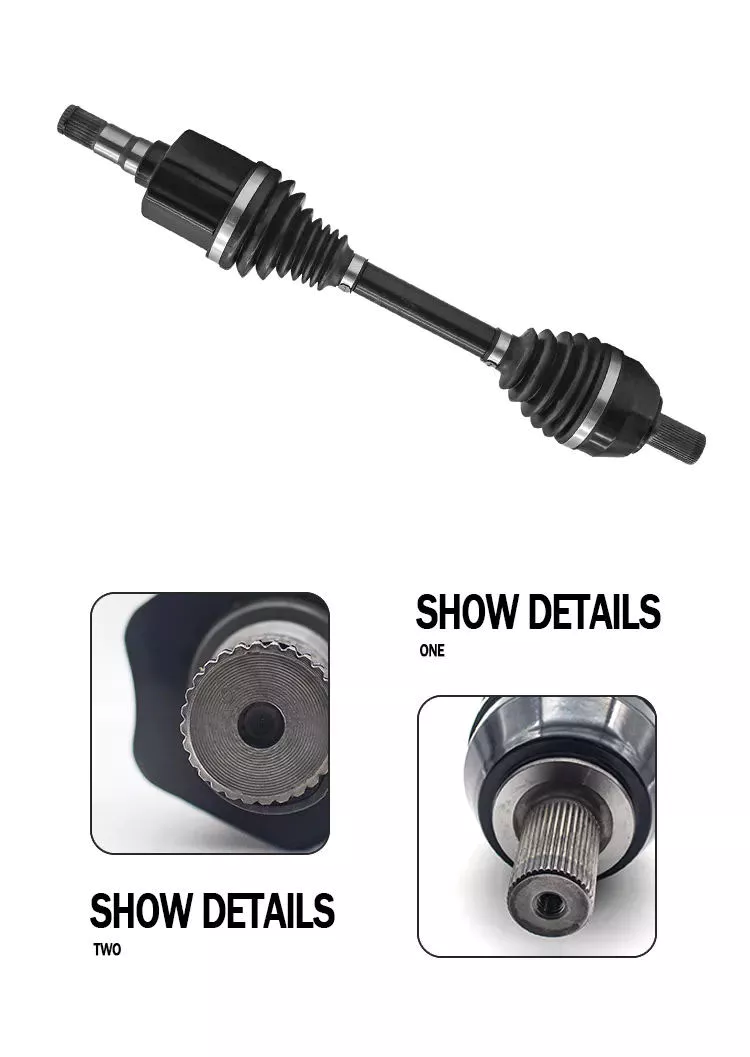
Are there any limitations or disadvantages associated with drive shafts?
While drive shafts are widely used and offer several advantages, they also have certain limitations and disadvantages that should be considered. Here’s a detailed explanation of the limitations and disadvantages associated with drive shafts:
1. Length and Misalignment Constraints:
Drive shafts have a maximum practical length due to factors such as material strength, weight considerations, and the need to maintain rigidity and minimize vibrations. Longer drive shafts can be prone to increased bending and torsional deflection, leading to reduced efficiency and potential driveline vibrations. Additionally, drive shafts require proper alignment between the driving and driven components. Misalignment can cause increased wear, vibrations, and premature failure of the drive shaft or its associated components.
2. Limited Operating Angles:
Drive shafts, especially those using U-joints, have limitations on operating angles. U-joints are typically designed to operate within specific angular ranges, and operating beyond these limits can result in reduced efficiency, increased vibrations, and accelerated wear. In applications requiring large operating angles, constant velocity (CV) joints are often used to maintain a constant speed and accommodate greater angles. However, CV joints may introduce higher complexity and cost compared to U-joints.
3. Maintenance Requirements:
Drive shafts require regular maintenance to ensure optimal performance and reliability. This includes periodic inspection, lubrication of joints, and balancing if necessary. Failure to perform routine maintenance can lead to increased wear, vibrations, and potential driveline issues. Maintenance requirements should be considered in terms of time and resources when using drive shafts in various applications.
4. Noise and Vibration:
Drive shafts can generate noise and vibrations, especially at high speeds or when operating at certain resonant frequencies. Imbalances, misalignment, worn joints, or other factors can contribute to increased noise and vibrations. These vibrations may affect the comfort of vehicle occupants, contribute to component fatigue, and require additional measures such as dampers or vibration isolation systems to mitigate their effects.
5. Weight and Space Constraints:
Drive shafts add weight to the overall system, which can be a consideration in weight-sensitive applications, such as automotive or aerospace industries. Additionally, drive shafts require physical space for installation. In compact or tightly packaged equipment or vehicles, accommodating the necessary drive shaft length and clearances can be challenging, requiring careful design and integration considerations.
6. Cost Considerations:
Drive shafts, depending on their design, materials, and manufacturing processes, can involve significant costs. Customized or specialized drive shafts tailored to specific equipment requirements may incur higher expenses. Additionally, incorporating advanced joint configurations, such as CV joints, can add complexity and cost to the drive shaft system.
7. Inherent Power Loss:
Drive shafts transmit power from the driving source to the driven components, but they also introduce some inherent power loss due to friction, bending, and other factors. This power loss can reduce overall system efficiency, particularly in long drive shafts or applications with high torque requirements. It is important to consider power loss when determining the appropriate drive shaft design and specifications.
8. Limited Torque Capacity:
While drive shafts can handle a wide range of torque loads, there are limits to their torque capacity. Exceeding the maximum torque capacity of a drive shaft can lead to premature failure, resulting in downtime and potential damage to other driveline components. It is crucial to select a drive shaft with sufficient torque capacity for the intended application.
Despite these limitations and disadvantages, drive shafts remain a widely used and effective means of power transmission in various industries. Manufacturers continuously work to address these limitations through advancements in materials, design techniques, joint configurations, and balancing processes. By carefully considering the specific application requirements and potential drawbacks, engineers and designers can mitigate the limitations and maximize the benefits of drive shafts in their respective systems.

传动轴如何提升汽车和卡车的性能?
传动轴在提升汽车和卡车的性能方面发挥着重要作用。它们影响车辆性能的各个方面,包括动力输出、牵引力、操控性和整体效率。以下详细解释传动轴如何提升汽车和卡车的性能:
1. 功率输出: 传动轴负责将发动机的动力传递到车轮,使车辆能够前进。通过高效地传递动力,减少动力损失,传动轴确保发动机的动力得到有效利用,从而提升加速性能和整体动力表现。设计精良、动力损失最小的传动轴有助于车辆高效地将动力传递到车轮。
2. 扭矩传递: 传动轴负责将发动机的扭矩传递到车轮。扭矩是驱动车辆前进的旋转力。高质量的传动轴具备良好的扭矩转换能力,确保发动机产生的扭矩能够有效地传递到车轮。这增强了车辆的加速性能、牵引重物的能力以及爬坡能力,从而提升了车辆的整体性能。
3. 牵引力和稳定性: 传动轴对汽车和卡车的牵引力和稳定性至关重要。它们将动力传递至车轮,使车轮能够对路面施加作用力。这使得车辆能够保持牵引力,尤其是在加速或在湿滑或不平坦的路面上行驶时。通过传动轴高效传递动力,确保动力均衡分配至所有车轮,从而增强车辆的稳定性,并改善操控性。
4. 操控性和机动性: 传动轴对车辆的操控性和机动性有着重要影响。它们有助于建立发动机和车轮之间的直接连接,从而实现精准控制和灵敏操控。设计精良、间隙或反冲最小的传动轴有助于对驾驶员的操作做出更直接、更迅速的响应,从而提升车辆的灵活性和机动性。
5. 减轻体重: 传动轴有助于减轻汽车和卡车的重量。采用铝或碳纤维增强复合材料等材料制成的轻质传动轴可以降低车辆的整体重量。重量的减轻提高了功率重量比,从而改善了加速性能、操控性和燃油效率。此外,轻质传动轴还能降低旋转惯量,使发动机转速提升更快,进一步提升性能。
6. 机械效率: 高效的传动轴能够最大限度地减少动力传输过程中的能量损失。通过采用高质量轴承、低摩擦密封件和优化润滑等设计,传动轴可以降低摩擦,并最大限度地减少因内部阻力造成的动力损失。这提高了传动系统的机械效率,使更多动力传递至车轮,从而提升车辆的整体性能。
7. 性能升级: 对于汽车爱好者来说,传动轴升级是一种很受欢迎的性能提升方式。升级后的传动轴,例如采用强度更高的材料制成或扭矩容量更大的传动轴,可以承受改装发动机更高的动力输出。这些升级可以提升车辆性能,例如改善加速性能、提高最高速度以及改善整体驾驶动态性能。
8. 与性能改进的兼容性: 性能改装,例如发动机升级、提升动力输出或改变传动系统,通常需要匹配的传动轴。专为承受更高扭矩负载或适应改装后的传动系统配置而设计的传动轴,可确保最佳性能和可靠性。它们使车辆能够有效地利用增加的动力和扭矩,从而提升性能和响应速度。
9. 耐用性和可靠性: 坚固耐用且维护良好的传动轴有助于提高汽车和卡车的耐用性和可靠性。它们的设计旨在承受动力传输过程中产生的应力和负载。优质的材料、适当的平衡和定期维护有助于确保传动轴平稳运行,最大限度地降低故障或性能问题的风险。可靠的传动轴通过提供稳定的动力输出和最大限度地减少停机时间来提升整体性能。
10. 与先进技术的兼容性: 传动轴正随着车辆技术的进步而不断发展。它们越来越多地与混合动力系统、电动机和能量回收制动等先进系统集成。专为与这些技术无缝协作而设计的传动轴能够最大限度地提高效率和性能优势,从而提升车辆的整体性能。
总而言之,传动轴通过优化动力输出、促进扭矩传递、提升牵引力和稳定性、增强操控性和机动性、减轻重量、提高机械效率、兼容性能升级和先进技术,以及确保耐用性和可靠性,从而提升汽车和卡车的性能。它们在确保高效动力传输、灵敏加速、精准操控以及车辆整体性能提升方面发挥着至关重要的作用。
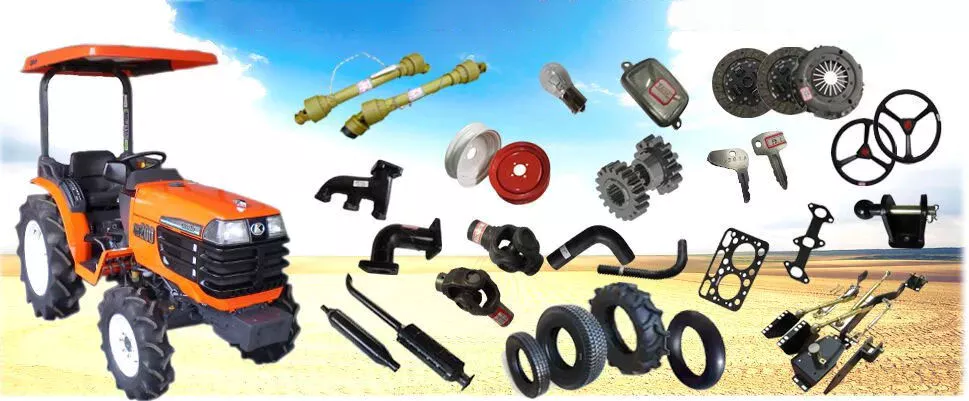
Are there variations in drive shaft designs for different types of machinery?
Yes, there are variations in drive shaft designs to cater to the specific requirements of different types of machinery. The design of a drive shaft is influenced by factors such as the application, power transmission needs, space limitations, operating conditions, and the type of driven components. Here’s an explanation of how drive shaft designs can vary for different types of machinery:
1. Automotive Applications:
In the automotive industry, drive shaft designs can vary depending on the vehicle’s configuration. Rear-wheel-drive vehicles typically use a single-piece or two-piece drive shaft, which connects the transmission or transfer case to the rear differential. Front-wheel-drive vehicles often use a different design, employing a drive shaft that combines with the constant velocity (CV) joints to transmit power to the front wheels. All-wheel-drive vehicles may have multiple drive shafts to distribute power to all wheels. The length, diameter, material, and joint types can differ based on the vehicle’s layout and torque requirements.
2. Industrial Machinery:
Drive shaft designs for industrial machinery depend on the specific application and power transmission requirements. In manufacturing machinery, such as conveyors, presses, and rotating equipment, drive shafts are designed to transfer power efficiently within the machine. They may incorporate flexible joints or use a splined or keyed connection to accommodate misalignment or allow for easy disassembly. The dimensions, materials, and reinforcement of the drive shaft are selected based on the torque, speed, and operating conditions of the machinery.
3. Agriculture and Farming:
Agricultural machinery, such as tractors, combines, and harvesters, often requires drive shafts that can handle high torque loads and varying operating angles. These drive shafts are designed to transmit power from the engine to attachments and implements, such as mowers, balers, tillers, and harvesters. They may incorporate telescopic sections to accommodate adjustable lengths, flexible joints to compensate for misalignment during operation, and protective shielding to prevent entanglement with crops or debris.
4. Construction and Heavy Equipment:
Construction and heavy equipment, including excavators, loaders, bulldozers, and cranes, require robust drive shaft designs capable of transmitting power in demanding conditions. These drive shafts often have larger diameters and thicker walls to handle high torque loads. They may incorporate universal joints or CV joints to accommodate operating angles and absorb shocks and vibrations. Drive shafts in this category may also have additional reinforcements to withstand the harsh environments and heavy-duty applications associated with construction and excavation.
5. Marine and Maritime Applications:
Drive shaft designs for marine applications are specifically engineered to withstand the corrosive effects of seawater and the high torque loads encountered in marine propulsion systems. Marine drive shafts are typically made from stainless steel or other corrosion-resistant materials. They may incorporate flexible couplings or dampening devices to reduce vibration and mitigate the effects of misalignment. The design of marine drive shafts also considers factors such as shaft length, diameter, and support bearings to ensure reliable power transmission in marine vessels.
6. Mining and Extraction Equipment:
In the mining industry, drive shafts are used in heavy machinery and equipment such as mining trucks, excavators, and drilling rigs. These drive shafts need to withstand extremely high torque loads and harsh operating conditions. Drive shaft designs for mining applications often feature larger diameters, thicker walls, and specialized materials such as alloy steel or composite materials. They may incorporate universal joints or CV joints to handle operating angles, and they are designed to be resistant to abrasion and wear.
These examples highlight the variations in drive shaft designs for different types of machinery. The design considerations take into account factors such as power requirements, operating conditions, space constraints, alignment needs, and the specific demands of the machinery or industry. By tailoring the drive shaft design to the unique requirements of each application, optimal power transmission efficiency and reliability can be achieved.


editor by CX 2024-04-15