
คำอธิบายผลิตภัณฑ์
T4-660-01B-07G-YIIIP เพลาขับ PTO สำหรับเครื่องจักรกลการเกษตรและเครื่องเก็บเกี่ยวมันฝรั่ง
| ผลิตภัณฑ์: | เพลาขับ PTO |
| แบบอย่าง: | T4-660-01B-07G-YIIIP |
| ขนาด: | ขนาด φ27*74.6 มม. ความยาว 660 มม. |
| วัตถุดิบ: | เหล็กกล้า 45# |
| ความแข็ง: | 58-64HRC |
| วันที่จัดส่ง: | 7-60 วัน |
| ปริมาณสั่งซื้อขั้นต่ำ: | 100 ชุด หรือตามสต็อกที่มีอยู่ โดยไม่มีจำนวนขั้นต่ำ |
| ตัวอย่าง: | ยอมรับได้ |
| เราสามารถผลิตเพลาขับ PTO และชิ้นส่วนทุกชนิดตามความต้องการของลูกค้าได้ | |
| อ้างอิง | ยูเจ | ล.มม. |
| T4-660-01B-07G-YIIIP | ø27*74.6 | 660 |
เกี่ยวกับเรา
เรามีประสบการณ์ด้านอะไหล่มานานกว่า 17 ปี โดยเฉพาะอะไหล่ระบบขับเคลื่อน
เรามีส่วนร่วมอย่างมากในธุรกิจอะไหล่รถยนต์ในเมืองหางโจว ซึ่งเป็นศูนย์กลางการผลิตอะไหล่รถยนต์ที่สำคัญที่สุดแห่งหนึ่งของจีน
เราจัดจำหน่ายผลิตภัณฑ์ที่มีคุณภาพคุ้มค่าแก่ลูกค้าหลากหลายกลุ่มทั่วโลก
เรา maintains ความสัมพันธ์ที่ดีมากกับผู้ผลิตในท้องถิ่นด้วยนโยบาย WIN-WIN-WIN
โรงงานจัดส่งสินค้าคุณภาพดีและรวดเร็ว
เราให้บริการที่ดีและรวดเร็ว
และลูกค้าก็จะได้รับผลิตภัณฑ์ที่ดีและบริการที่ดีสำหรับลูกค้าของพวกเขา
นี่คือสามเหลี่ยมด้านเท่าที่แข็งแกร่งและมั่นคง ซึ่งช่วยให้สนามแข่งรถหางโจวพัฒนาไปข้างหน้าได้จนถึงปัจจุบัน
/* 22 มกราคม 2571 19:08:37 */!function(){function s(e,r){var a,o={};try{e&&e.split(“,”).forEach(function(e,t){e&&(a=e.match(/(.*?):(.*)$/))&&1
| พิมพ์: | การแพร่เชื้อ |
|---|---|
| วิธีใช้งาน: | การไถพรวน การเก็บเกี่ยว การปลูก และการใส่ปุ๋ย |
| วัสดุ: | เหล็กกล้า 45# |
| แหล่งพลังงาน: | ดีเซล |
| น้ำหนัก: | 8 |
| บริการหลังการขาย: | การสนับสนุนออนไลน์ |
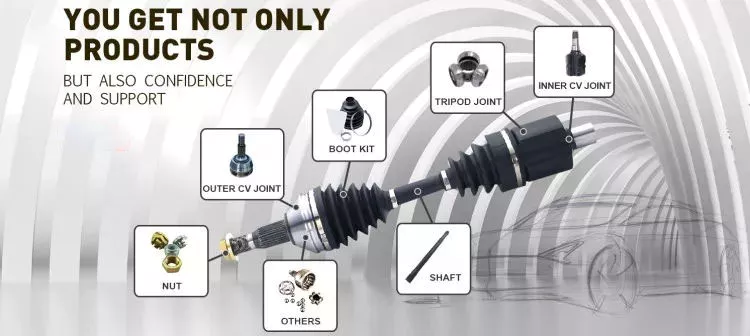
How do drive shafts ensure efficient power transfer while maintaining balance?
Drive shafts employ various mechanisms to ensure efficient power transfer while maintaining balance. Efficient power transfer refers to the ability of the drive shaft to transmit rotational power from the source (such as an engine) to the driven components (such as wheels or machinery) with minimal energy loss. Balancing, on the other hand, involves minimizing vibrations and eliminating any uneven distribution of mass that can cause disturbances during operation. Here’s an explanation of how drive shafts achieve both efficient power transfer and balance:
1. Material Selection:
The material selection for drive shafts is crucial for maintaining balance and ensuring efficient power transfer. Drive shafts are commonly made from materials such as steel or aluminum alloys, chosen for their strength, stiffness, and durability. These materials have excellent dimensional stability and can withstand the torque loads encountered during operation. By using high-quality materials, drive shafts can minimize deformation, flexing, and imbalances that could compromise power transmission and generate vibrations.
2. Design Considerations:
The design of the drive shaft plays a significant role in both power transfer efficiency and balance. Drive shafts are engineered to have appropriate dimensions, including diameter and wall thickness, to handle the anticipated torque loads without excessive deflection or vibration. The design also considers factors such as the length of the drive shaft, the number and type of joints (such as universal joints or constant velocity joints), and the use of balancing weights. By carefully designing the drive shaft, manufacturers can achieve optimal power transfer efficiency while minimizing the potential for imbalance-induced vibrations.
3. Balancing Techniques:
Balance is crucial for drive shafts as any imbalance can cause vibrations, noise, and accelerated wear. To maintain balance, drive shafts undergo various balancing techniques during the manufacturing process. Static and dynamic balancing methods are employed to ensure that the mass distribution along the drive shaft is uniform. Static balancing involves adding counterweights at specific locations to offset any weight imbalances. Dynamic balancing is performed by spinning the drive shaft at high speeds and measuring any vibrations. If imbalances are detected, additional adjustments are made to achieve a balanced state. These balancing techniques help minimize vibrations and ensure smooth operation of the drive shaft.
4. Universal Joints and Constant Velocity Joints:
Drive shafts often incorporate universal joints (U-joints) or constant velocity (CV) joints to accommodate misalignment and maintain balance during operation. U-joints are flexible joints that allow for angular movement between shafts. They are typically used in applications where the drive shaft operates at varying angles. CV joints, on the other hand, are designed to maintain a constant velocity of rotation and are commonly used in front-wheel-drive vehicles. By incorporating these joints, drive shafts can compensate for misalignment, reduce stress on the shaft, and minimize vibrations that can negatively impact power transfer efficiency and balance.
5. Maintenance and Inspection:
Regular maintenance and inspection of drive shafts are essential for ensuring efficient power transfer and balance. Periodic checks for wear, damage, or misalignment can help identify any issues that may affect the drive shaft’s performance. Lubrication of the joints and proper tightening of fasteners are also critical for maintaining optimal operation. By adhering to recommended maintenance procedures, any imbalances or inefficiencies can be addressed promptly, ensuring continued efficient power transfer and balance.
In summary, drive shafts ensure efficient power transfer while maintaining balance through careful material selection, thoughtful design considerations, balancing techniques, and the incorporation of flexible joints. By optimizing these factors, drive shafts can transmit rotational power smoothly and reliably, minimizing energy losses and vibrations that can impact performance and longevity.

เพลาขับช่วยเพิ่มประสิทธิภาพของรถยนต์และรถบรรทุกได้อย่างไร?
เพลาขับมีบทบาทสำคัญในการเพิ่มประสิทธิภาพของรถยนต์และรถบรรทุก มันมีส่วนช่วยในด้านต่างๆ ของสมรรถนะของยานพาหนะ รวมถึงการส่งกำลัง การยึดเกาะ การควบคุม และประสิทธิภาพโดยรวม ต่อไปนี้เป็นคำอธิบายโดยละเอียดเกี่ยวกับวิธีการที่เพลาขับช่วยเพิ่มประสิทธิภาพของรถยนต์และรถบรรทุก:
1. ระบบจ่ายพลังงาน: เพลาขับมีหน้าที่ส่งกำลังจากเครื่องยนต์ไปยังล้อ ทำให้รถเคลื่อนที่ไปข้างหน้า การส่งกำลังอย่างมีประสิทธิภาพโดยไม่สูญเสียกำลังมากนัก ทำให้เพลาขับสามารถใช้กำลังของเครื่องยนต์ได้อย่างมีประสิทธิภาพ ส่งผลให้การเร่งความเร็วและสมรรถนะโดยรวมดีขึ้น เพลาขับที่ออกแบบมาอย่างดีโดยมีการสูญเสียกำลังน้อยที่สุด ช่วยให้รถสามารถส่งกำลังไปยังล้อได้อย่างมีประสิทธิภาพ
2. การส่งถ่ายแรงบิด: เพลาขับทำหน้าที่ส่งแรงบิดจากเครื่องยนต์ไปยังล้อ แรงบิดคือแรงหมุนที่ขับเคลื่อนรถไปข้างหน้า เพลาขับคุณภาพสูงที่มีความสามารถในการแปลงแรงบิดอย่างเหมาะสมจะช่วยให้แรงบิดที่สร้างโดยเครื่องยนต์ถูกส่งไปยังล้อได้อย่างมีประสิทธิภาพ ซึ่งจะช่วยเพิ่มความสามารถของรถในการเร่งความเร็ว ลากจูงของหนัก และปีนขึ้นทางลาดชันได้ดีขึ้น ส่งผลให้สมรรถนะโดยรวมดีขึ้น
3. การยึดเกาะและความมั่นคง: เพลาขับมีส่วนช่วยในการยึดเกาะและเสถียรภาพของรถยนต์และรถบรรทุก มันส่งกำลังไปยังล้อ ทำให้ล้อสามารถออกแรงกดบนพื้นผิวถนนได้ ซึ่งช่วยให้รถรักษาการยึดเกาะได้ดี โดยเฉพาะอย่างยิ่งในขณะเร่งความเร็วหรือเมื่อขับขี่บนพื้นผิวที่ลื่นหรือขรุขระ การส่งกำลังอย่างมีประสิทธิภาพผ่านเพลาขับช่วยเพิ่มเสถียรภาพของรถโดยการกระจายกำลังอย่างสมดุลไปยังล้อทั้งสี่ ทำให้ควบคุมและบังคับรถได้ดียิ่งขึ้น
4. การควบคุมและการบังคับเลี้ยว: เพลาขับมีผลต่อการควบคุมและการบังคับเลี้ยวของรถยนต์ มันช่วยสร้างการเชื่อมต่อโดยตรงระหว่างเครื่องยนต์และล้อ ทำให้สามารถควบคุมได้อย่างแม่นยำและตอบสนองได้ดี เพลาขับที่ออกแบบมาอย่างดีโดยมีระยะคลอนหรือการคลายตัวน้อยที่สุด จะช่วยให้การตอบสนองต่อการควบคุมของผู้ขับขี่รวดเร็วและทันทีมากขึ้น เพิ่มความคล่องตัวและการควบคุมรถให้ดียิ่งขึ้น
5. การลดน้ำหนัก: เพลาขับสามารถช่วยลดน้ำหนักในรถยนต์และรถบรรทุกได้ เพลาขับน้ำหนักเบาที่ทำจากวัสดุ เช่น อลูมิเนียมหรือวัสดุคอมโพสิตเสริมใยคาร์บอน จะช่วยลดน้ำหนักโดยรวมของรถ น้ำหนักที่ลดลงช่วยปรับปรุงอัตราส่วนกำลังต่อน้ำหนัก ส่งผลให้การเร่งความเร็ว การควบคุม และประสิทธิภาพการใช้เชื้อเพลิงดีขึ้น นอกจากนี้ เพลาขับน้ำหนักเบายังช่วยลดมวลการหมุน ทำให้เครื่องยนต์เร่งรอบได้เร็วขึ้น ซึ่งช่วยเพิ่มประสิทธิภาพการทำงานให้ดียิ่งขึ้น
6. ประสิทธิภาพเชิงกล: เพลาขับที่มีประสิทธิภาพสูงช่วยลดการสูญเสียพลังงานระหว่างการส่งกำลัง โดยการใช้วัสดุคุณภาพสูง เช่น ตลับลูกปืนคุณภาพดี ซีลลดแรงเสียดทาน และระบบหล่อลื่นที่เหมาะสม เพลาขับจะลดแรงเสียดทานและลดการสูญเสียพลังงานเนื่องจากแรงต้านภายใน ซึ่งจะช่วยเพิ่มประสิทธิภาพเชิงกลของระบบส่งกำลัง ทำให้สามารถส่งกำลังไปยังล้อได้มากขึ้น และปรับปรุงสมรรถนะโดยรวมของรถยนต์
7. การอัปเกรดประสิทธิภาพ: การอัปเกรดเพลาขับเป็นวิธีเพิ่มประสิทธิภาพที่ได้รับความนิยมสำหรับผู้ที่ชื่นชอบรถยนต์ เพลาขับที่ได้รับการอัปเกรด เช่น เพลาที่ทำจากวัสดุที่แข็งแรงกว่าหรือมีกำลังรับแรงบิดสูงกว่า สามารถรองรับกำลังขับที่สูงขึ้นจากเครื่องยนต์ที่ได้รับการดัดแปลง การอัปเกรดเหล่านี้ช่วยให้ประสิทธิภาพเพิ่มขึ้น เช่น อัตราเร่งที่ดีขึ้น ความเร็วสูงสุดที่สูงขึ้น และไดนามิกการขับขี่โดยรวมที่ดีขึ้น
8. ความเข้ากันได้กับการปรับแต่งประสิทธิภาพ: การดัดแปลงเพื่อเพิ่มประสิทธิภาพ เช่น การอัพเกรดเครื่องยนต์ การเพิ่มกำลังขับ หรือการเปลี่ยนแปลงระบบส่งกำลัง มักต้องใช้เพลาขับที่เข้ากันได้ เพลาขับที่ออกแบบมาเพื่อรองรับแรงบิดที่สูงขึ้นหรือปรับให้เข้ากับการกำหนดค่าระบบส่งกำลังที่ดัดแปลงแล้ว จะช่วยให้มั่นใจได้ถึงประสิทธิภาพและความน่าเชื่อถือสูงสุด เพลาขับเหล่านี้ช่วยให้รถสามารถใช้ประโยชน์จากกำลังและแรงบิดที่เพิ่มขึ้นได้อย่างมีประสิทธิภาพ ส่งผลให้ประสิทธิภาพและการตอบสนองดีขึ้น
9. ความทนทานและความน่าเชื่อถือ: เพลาขับที่แข็งแรงและได้รับการบำรุงรักษาอย่างดีมีส่วนช่วยให้รถยนต์และรถบรรทุกมีความทนทานและเชื่อถือได้ เพลาขับได้รับการออกแบบมาให้ทนต่อแรงกดและภาระที่เกี่ยวข้องกับการส่งกำลัง วัสดุคุณภาพสูง การปรับสมดุลที่เหมาะสม และการบำรุงรักษาอย่างสม่ำเสมอ ช่วยให้มั่นใจได้ว่าเพลาขับทำงานได้อย่างราบรื่น ลดความเสี่ยงต่อความล้มเหลวหรือปัญหาด้านประสิทธิภาพ เพลาขับที่เชื่อถือได้ช่วยเพิ่มประสิทธิภาพโดยรวมโดยการส่งกำลังที่สม่ำเสมอและลดเวลาหยุดทำงาน
10. ความเข้ากันได้กับเทคโนโลยีขั้นสูง: เพลาขับกำลังพัฒนาไปพร้อมกับความก้าวหน้าของเทคโนโลยีรถยนต์ มีการนำไปผสานรวมกับระบบขั้นสูงต่างๆ มากขึ้น เช่น ระบบขับเคลื่อนไฮบริด มอเตอร์ไฟฟ้า และระบบเบรกแบบสร้างพลังงานกลับคืน เพลาขับที่ออกแบบมาให้ทำงานร่วมกับเทคโนโลยีเหล่านี้ได้อย่างราบรื่น จะช่วยเพิ่มประสิทธิภาพและสมรรถนะให้สูงสุด ส่งผลให้สมรรถนะโดยรวมของรถยนต์ดีขึ้น
โดยสรุปแล้ว เพลาขับช่วยเพิ่มสมรรถนะของรถยนต์และรถบรรทุกโดยการปรับปรุงการส่งกำลัง การถ่ายโอนแรงบิด การเพิ่มแรงฉุดและการทรงตัว การเพิ่มการควบคุมและการบังคับเลี้ยว การลดน้ำหนัก การเพิ่มประสิทธิภาพเชิงกล การรองรับการอัพเกรดสมรรถนะและเทคโนโลยีขั้นสูง และการรับประกันความทนทานและความน่าเชื่อถือ เพลาขับมีบทบาทสำคัญในการรับประกันการส่งกำลังที่มีประสิทธิภาพ การเร่งความเร็วที่ตอบสนองได้ดี การควบคุมที่แม่นยำ และสมรรถนะโดยรวมที่ดีขึ้นของยานพาหนะ

What is a drive shaft and how does it function in vehicles and machinery?
A drive shaft, also known as a propeller shaft or prop shaft, is a mechanical component that plays a critical role in transmitting rotational power from the engine to the wheels or other driven components in vehicles and machinery. It is commonly used in various types of vehicles, including cars, trucks, motorcycles, and agricultural or industrial machinery. Here’s a detailed explanation of what a drive shaft is and how it functions:
1. Definition and Construction: A drive shaft is a cylindrical metal tube that connects the engine or power source to the wheels or driven components. It is typically made of steel or aluminum and consists of one or more tubular sections with universal joints (U-joints) at each end. These U-joints allow for angular movement and compensation of misalignment between the engine/transmission and the driven wheels or components.
2. Power Transmission: The primary function of a drive shaft is to transmit rotational power from the engine or power source to the wheels or driven components. In vehicles, the drive shaft connects the transmission or gearbox output shaft to the differential, which then transfers power to the wheels. In machinery, the drive shaft transfers power from the engine or motor to various driven components such as pumps, generators, or other mechanical systems.
3. Torque and Speed: The drive shaft is responsible for transmitting both torque and rotational speed. Torque is the rotational force generated by the engine or power source, while rotational speed is the number of revolutions per minute (RPM). The drive shaft must be capable of transmitting the required torque without excessive twisting or bending and maintaining the desired rotational speed for efficient operation of the driven components.
4. Flexible Coupling: The U-joints on the drive shaft provide a flexible coupling that allows for angular movement and compensation of misalignment between the engine/transmission and the driven wheels or components. As the suspension system of a vehicle moves or the machinery operates on uneven terrain, the drive shaft can adjust its length and angle to accommodate these movements, ensuring smooth power transmission and preventing damage to the drivetrain components.
5. Length and Balance: The length of the drive shaft is determined by the distance between the engine or power source and the driven wheels or components. It should be appropriately sized to ensure proper power transmission and avoid excessive vibrations or bending. Additionally, the drive shaft is carefully balanced to minimize vibrations and rotational imbalances, which can cause discomfort, reduce efficiency, and lead to premature wear of drivetrain components.
6. Safety Considerations: Drive shafts in vehicles and machinery require proper safety measures. In vehicles, drive shafts are often enclosed within a protective tube or housing to prevent contact with moving parts and reduce the risk of injury in the event of a malfunction or failure. Additionally, safety shields or guards are commonly installed around exposed drive shafts in machinery to protect operators from potential hazards associated with rotating components.
7. Maintenance and Inspection: Regular maintenance and inspection of drive shafts are essential to ensure their proper functioning and longevity. This includes checking for signs of wear, damage, or excessive play in the U-joints, inspecting the drive shaft for any cracks or deformations, and lubricating the U-joints as recommended by the manufacturer. Proper maintenance helps prevent failures, ensures optimal performance, and prolongs the service life of the drive shaft.
In summary, a drive shaft is a mechanical component that transmits rotational power from the engine or power source to the wheels or driven components in vehicles and machinery. It functions by providing a rigid connection between the engine/transmission and the driven wheels or components, while also allowing for angular movement and compensation of misalignment through the use of U-joints. The drive shaft plays a crucial role in power transmission, torque and speed delivery, flexible coupling, length and balance considerations, safety, and maintenance requirements. Its proper functioning is essential for the smooth and efficient operation of vehicles and machinery.


editor by CX 2024-05-16

























