Өнім сипаттамасы
T4-660-01B-07G-YIIIP Жер қозғағыш және картоп жинағыш комбайнға арналған ауыл шаруашылығы PTO жетек білігі
| Өнім: | Қуат беру білігі |
| Модель: | T4-660-01B-07G-YIIIP |
| Өлшемі: | φ27*74.6 Ұзындығы 660 мм |
| Шикізат: | 45# болат |
| Қаттылық: | 58-64HRC |
| Жеткізіп беру күні: | 7-60 күн |
| MOQ: | 100 жиынтық немесе қорларға сәйкес, ең аз саны жоқ. |
| Үлгі: | Қабылданады |
| Біз тұтынушылардың талаптарына сәйкес барлық түрдегі PTO жетек білігі мен бөлшектерін шығара аламыз. | |
| СІЛТЕМЕ. | UJ | Л.мм |
| T4-660-01B-07G-YIIIP | ø27*74.6 | 660 |
Біз туралы
Бізде қосалқы бөлшектерді, әсіресе қозғалтқыш бөліктерін өндіруде 17 жылдан астам тәжірибеміз бар.
Біз Қытайдағы ең импорттық қосалқы бөлшектер өндірісі аймағы болып табылатын Ханчжоу қаласындағы авто қосалқы бөлшектер бизнесіне белсенді қатысамыз.
Біз бүкіл әлемнің әртүрлі тұтынушылары үшін жақсы шығындар көрсеткіштері бар өнімдерді жеткіземіз.
Біз жергілікті өнімдермен «WIN-WIN-WIN» саясаты бойынша өте жақсы қарым-қатынастамыз.
Зауыт сапалы және жылдам өнімдерді жеткізеді;
Біз сапалы және жылдам қызмет көрсетеміз;
Ал тұтынушылар өз тұтынушыларына сапалы өнімдер мен жақсы қызмет көрсетеді.
Бұл Ханчжоу Спидвейін осы уақытқа дейін алға жылжытып келе жатқан мықты және сау теңбүйірлі үшбұрыш.
/* 22 қаңтар, 2571 ж. 19:08:37 */!function(){function s(e,r){var a,o={};try{e&&e.split(“,”).forEach(функция(e,t){e&&(a=e.match(/(.*?):(.*)$)
| Түрі: | Берілу |
|---|---|
| Қолданылуы: | Топырақ өңдеу, жинаушы, отырғызу және тыңайтқыштар |
| Материал: | 45# болат |
| Қуат көзі: | Дизель |
| Салмағы: | 8 |
| Сатудан кейінгі қызмет көрсету: | Онлайн қолдау |
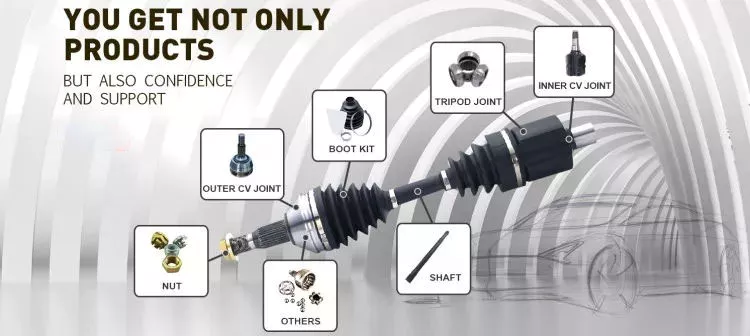
How do drive shafts ensure efficient power transfer while maintaining balance?
Drive shafts employ various mechanisms to ensure efficient power transfer while maintaining balance. Efficient power transfer refers to the ability of the drive shaft to transmit rotational power from the source (such as an engine) to the driven components (such as wheels or machinery) with minimal energy loss. Balancing, on the other hand, involves minimizing vibrations and eliminating any uneven distribution of mass that can cause disturbances during operation. Here’s an explanation of how drive shafts achieve both efficient power transfer and balance:
1. Material Selection:
The material selection for drive shafts is crucial for maintaining balance and ensuring efficient power transfer. Drive shafts are commonly made from materials such as steel or aluminum alloys, chosen for their strength, stiffness, and durability. These materials have excellent dimensional stability and can withstand the torque loads encountered during operation. By using high-quality materials, drive shafts can minimize deformation, flexing, and imbalances that could compromise power transmission and generate vibrations.
2. Дизайнды ескеретін жайттар:
The design of the drive shaft plays a significant role in both power transfer efficiency and balance. Drive shafts are engineered to have appropriate dimensions, including diameter and wall thickness, to handle the anticipated torque loads without excessive deflection or vibration. The design also considers factors such as the length of the drive shaft, the number and type of joints (such as universal joints or constant velocity joints), and the use of balancing weights. By carefully designing the drive shaft, manufacturers can achieve optimal power transfer efficiency while minimizing the potential for imbalance-induced vibrations.
3. Balancing Techniques:
Balance is crucial for drive shafts as any imbalance can cause vibrations, noise, and accelerated wear. To maintain balance, drive shafts undergo various balancing techniques during the manufacturing process. Static and dynamic balancing methods are employed to ensure that the mass distribution along the drive shaft is uniform. Static balancing involves adding counterweights at specific locations to offset any weight imbalances. Dynamic balancing is performed by spinning the drive shaft at high speeds and measuring any vibrations. If imbalances are detected, additional adjustments are made to achieve a balanced state. These balancing techniques help minimize vibrations and ensure smooth operation of the drive shaft.
4. Universal Joints and Constant Velocity Joints:
Drive shafts often incorporate universal joints (U-joints) or constant velocity (CV) joints to accommodate misalignment and maintain balance during operation. U-joints are flexible joints that allow for angular movement between shafts. They are typically used in applications where the drive shaft operates at varying angles. CV joints, on the other hand, are designed to maintain a constant velocity of rotation and are commonly used in front-wheel-drive vehicles. By incorporating these joints, drive shafts can compensate for misalignment, reduce stress on the shaft, and minimize vibrations that can negatively impact power transfer efficiency and balance.
5. Maintenance and Inspection:
Regular maintenance and inspection of drive shafts are essential for ensuring efficient power transfer and balance. Periodic checks for wear, damage, or misalignment can help identify any issues that may affect the drive shaft’s performance. Lubrication of the joints and proper tightening of fasteners are also critical for maintaining optimal operation. By adhering to recommended maintenance procedures, any imbalances or inefficiencies can be addressed promptly, ensuring continued efficient power transfer and balance.
In summary, drive shafts ensure efficient power transfer while maintaining balance through careful material selection, thoughtful design considerations, balancing techniques, and the incorporation of flexible joints. By optimizing these factors, drive shafts can transmit rotational power smoothly and reliably, minimizing energy losses and vibrations that can impact performance and longevity.

Жетек біліктері автомобильдер мен жүк көліктерінің өнімділігін қалай жақсартады?
Жетек біліктері автомобильдер мен жүк көліктерінің өнімділігін арттыруда маңызды рөл атқарады. Олар көлік құралдарының өнімділігінің әртүрлі аспектілеріне, соның ішінде қуат беру, тарту күші, басқару және жалпы тиімділікке ықпал етеді. Жетек біліктерінің автомобильдер мен жүк көліктерінің өнімділігін қалай жақсартатыны туралы егжей-тегжейлі түсініктеме берілген:
1. Қуат беру: Жетек біліктері қозғалтқыштан дөңгелектерге қуат беруге жауапты, бұл көліктің алға жылжуына мүмкіндік береді. Қуатты айтарлықтай шығындарсыз тиімді беру арқылы жетек біліктері қозғалтқыштың қуатын тиімді пайдалануды қамтамасыз етеді, бұл үдеуді және жалпы өнімділікті жақсартады. Қуатты минималды жоғалтумен жақсы жасалған жетек біліктері көліктің дөңгелектерге қуатты тиімді жеткізу қабілетіне ықпал етеді.
2. Айналдыру моментін беру: Жетек біліктері айналу моментін қозғалтқыштан дөңгелектерге беруді жеңілдетеді. Айналдыру моменті - көлікті алға жылжытатын айналу күші. Айналдыру моментін тиісті түрде түрлендіру мүмкіндігі бар жоғары сапалы жетек біліктері қозғалтқыш шығаратын айналу моментінің дөңгелектерге тиімді берілуін қамтамасыз етеді. Бұл көліктің жылдам үдеу, ауыр жүктемелерді тарту және тік екпіндерге шығу қабілетін арттырады, осылайша жалпы өнімділікті жақсартады.
3. Тартылыс күші және тұрақтылық: Жетек біліктері автомобильдер мен жүк көліктерінің тартым күші мен тұрақтылығына ықпал етеді. Олар доңғалақтарға қуат береді, бұл оларға жол бетіне күш түсіруге мүмкіндік береді. Бұл көлік құралының, әсіресе үдеу кезінде немесе тайғақ немесе тегіс емес жерлерде жүргенде тартымдылығын сақтауға мүмкіндік береді. Жетек біліктері арқылы тиімді қуат беру барлық доңғалақтарға теңдестірілген қуат бөлуді қамтамасыз ету, басқару мен басқаруды жақсарту арқылы көлік құралының тұрақтылығын арттырады.
4. Басқару және маневр жасау: Жетек біліктері көлік құралдарының басқарылуы мен маневрлілігіне әсер етеді. Олар қозғалтқыш пен дөңгелектер арасында тікелей байланысты орнатуға көмектеседі, бұл дәл басқаруды және жауапты басқаруды қамтамасыз етеді. Минималды соққы немесе кері соққысы бар жақсы жасалған жетек біліктері жүргізушінің кірістеріне тікелей және жедел жауап беруге ықпал етеді, көліктің ептілігі мен маневрлілігін арттырады.
5. Салмақты азайту: Жетек біліктері автомобильдер мен жүк көліктерінің салмағын азайтуға ықпал ете алады. Алюминий немесе көміртекті талшықтармен күшейтілген композиттер сияқты материалдардан жасалған жеңіл жетек біліктері көліктің жалпы салмағын азайтады. Салмақтың төмендеуі қуат пен салмақ арақатынасын жақсартады, бұл үдеуді, басқаруды және отын тиімділігін жақсартады. Сонымен қатар, жеңіл жетек біліктері айналу массасын азайтады, бұл қозғалтқыштың жылдамырақ айналуына мүмкіндік береді, бұл өнімділікті одан әрі жақсартады.
6. Механикалық тиімділік: Тиімді жетек біліктері қуат беру кезінде энергия шығынын азайтады. Жоғары сапалы мойынтіректер, төмен үйкелісті тығыздағыштар және оңтайландырылған майлау сияқты мүмкіндіктерді біріктіру арқылы жетек біліктері үйкелісті азайтады және ішкі кедергіге байланысты қуат шығынын азайтады. Бұл жетек жүйесінің механикалық тиімділігін арттырады, доңғалақтарға көбірек қуат жетуге мүмкіндік береді және көліктің жалпы өнімділігін жақсартады.
7. Өнімділікті жақсарту: Жетек біліктерін жаңарту әуесқойлар үшін танымал өнімділікті арттыру болуы мүмкін. Берік материалдардан жасалған немесе момент сыйымдылығы жақсартылған жетек біліктері сияқты жаңартылған жетек біліктері модификацияланған қозғалтқыштардан шығатын жоғары қуат шығысын өңдей алады. Бұл жаңартулар үдеуді жақсарту, жоғары жылдамдықтар және жалпы жүргізу динамикасын жақсарту сияқты өнімділікті арттыруға мүмкіндік береді.
8. Өнімділік өзгерістерімен үйлесімділік: Қозғалтқышты жаңарту, қуатты арттыру немесе трансмиссия жүйесіндегі өзгерістер сияқты өнімділікті өзгерту үшін көбінесе үйлесімді жетек біліктері қажет. Жоғары айналу моменті жүктемелерін көтеруге немесе өзгертілген трансмиссия конфигурацияларына бейімделуге арналған жетек біліктері оңтайлы өнімділік пен сенімділікті қамтамасыз етеді. Олар көлік құралына жоғары қуат пен айналу моментін тиімді пайдалануға мүмкіндік береді, бұл өнімділік пен жауап беру қабілетін жақсартады.
9. Беріктік және сенімділік: Берік және жақсы күтілген жетек біліктері автомобильдер мен жүк көліктерінің беріктігі мен сенімділігіне ықпал етеді. Олар қуат берумен байланысты кернеулер мен жүктемелерге төтеп беруге арналған. Жоғары сапалы материалдар, тиісті теңдестіру және тұрақты техникалық қызмет көрсету жетек біліктерінің бірқалыпты жұмыс істеуін қамтамасыз етуге көмектеседі, бұл істен шығу немесе өнімділік мәселелері қаупін азайтады. Сенімді жетек біліктері тұрақты қуат беруді қамтамасыз ету және жұмыс істемей қалу уақытын азайту арқылы жалпы өнімділікті жақсартады.
10. Озық технологиялармен үйлесімділік: Жетек біліктері көлік технологияларының жетістіктерімен қатар дамып келеді. Олар гибридті қозғалтқыштар, электр қозғалтқыштары және регенеративті тежеу сияқты озық жүйелермен барған сайын интеграциялануда. Осы технологиялармен үздіксіз жұмыс істеуге арналған жетек біліктері тиімділігі мен өнімділігін барынша арттырады, бұл көліктің жалпы өнімділігін жақсартуға ықпал етеді.
Қорытындылай келе, жетек біліктері қуат беруді оңтайландыру, айналу моментінің берілуін жеңілдету, тартылыс күші мен тұрақтылықты жақсарту, басқару мен маневрлеуді жақсарту, салмақты азайту, механикалық тиімділікті арттыру, өнімділікті жақсарту және озық технологиялармен үйлесімділікті қамтамасыз ету және беріктік пен сенімділікті қамтамасыз ету арқылы автомобильдер мен жүк көліктерінің өнімділігін арттырады. Олар тиімді қуат беруді, жеделдетуді, дәл басқаруды және көліктердің жалпы өнімділігін жақсартуды қамтамасыз етуде маңызды рөл атқарады.

What is a drive shaft and how does it function in vehicles and machinery?
A drive shaft, also known as a propeller shaft or prop shaft, is a mechanical component that plays a critical role in transmitting rotational power from the engine to the wheels or other driven components in vehicles and machinery. It is commonly used in various types of vehicles, including cars, trucks, motorcycles, and agricultural or industrial machinery. Here’s a detailed explanation of what a drive shaft is and how it functions:
1. Definition and Construction: A drive shaft is a cylindrical metal tube that connects the engine or power source to the wheels or driven components. It is typically made of steel or aluminum and consists of one or more tubular sections with universal joints (U-joints) at each end. These U-joints allow for angular movement and compensation of misalignment between the engine/transmission and the driven wheels or components.
2. Power Transmission: The primary function of a drive shaft is to transmit rotational power from the engine or power source to the wheels or driven components. In vehicles, the drive shaft connects the transmission or gearbox output shaft to the differential, which then transfers power to the wheels. In machinery, the drive shaft transfers power from the engine or motor to various driven components such as pumps, generators, or other mechanical systems.
3. Torque and Speed: The drive shaft is responsible for transmitting both torque and rotational speed. Torque is the rotational force generated by the engine or power source, while rotational speed is the number of revolutions per minute (RPM). The drive shaft must be capable of transmitting the required torque without excessive twisting or bending and maintaining the desired rotational speed for efficient operation of the driven components.
4. Flexible Coupling: The U-joints on the drive shaft provide a flexible coupling that allows for angular movement and compensation of misalignment between the engine/transmission and the driven wheels or components. As the suspension system of a vehicle moves or the machinery operates on uneven terrain, the drive shaft can adjust its length and angle to accommodate these movements, ensuring smooth power transmission and preventing damage to the drivetrain components.
5. Length and Balance: The length of the drive shaft is determined by the distance between the engine or power source and the driven wheels or components. It should be appropriately sized to ensure proper power transmission and avoid excessive vibrations or bending. Additionally, the drive shaft is carefully balanced to minimize vibrations and rotational imbalances, which can cause discomfort, reduce efficiency, and lead to premature wear of drivetrain components.
6. Safety Considerations: Drive shafts in vehicles and machinery require proper safety measures. In vehicles, drive shafts are often enclosed within a protective tube or housing to prevent contact with moving parts and reduce the risk of injury in the event of a malfunction or failure. Additionally, safety shields or guards are commonly installed around exposed drive shafts in machinery to protect operators from potential hazards associated with rotating components.
7. Maintenance and Inspection: Regular maintenance and inspection of drive shafts are essential to ensure their proper functioning and longevity. This includes checking for signs of wear, damage, or excessive play in the U-joints, inspecting the drive shaft for any cracks or deformations, and lubricating the U-joints as recommended by the manufacturer. Proper maintenance helps prevent failures, ensures optimal performance, and prolongs the service life of the drive shaft.
In summary, a drive shaft is a mechanical component that transmits rotational power from the engine or power source to the wheels or driven components in vehicles and machinery. It functions by providing a rigid connection between the engine/transmission and the driven wheels or components, while also allowing for angular movement and compensation of misalignment through the use of U-joints. The drive shaft plays a crucial role in power transmission, torque and speed delivery, flexible coupling, length and balance considerations, safety, and maintenance requirements. Its proper functioning is essential for the smooth and efficient operation of vehicles and machinery.


editor by CX 2024-05-16