
製品説明
You can kindly find the specification details below:
HangZhou Mastery Machinery Technology Co., LTD helps manufacturers and brands fulfill their machinery parts by precision manufacturing. High precision machinery products like the shaft, worm screw, bushing, couplings, joints……Our products are used widely in electronic motors, the main shaft of the engine, the transmission shaft in the gearbox, couplers, printers, pumps, drones, and so on. They cater to different industries, including automotive, industrial, power tools, garden tools, healthcare, smart home, etc.
Mastery caters to the industrial industry by offering high-level Cardan shafts, pump shafts, and a bushing that come in different sizes ranging from diameter 3mm-50mm. Our products are specifically formulated for transmissions, robots, gearboxes, industrial fans, and drones, etc.
Mastery factory currently has more than 100 main production equipment such as CNC lathe, CNC machining center, CAM Automatic Lathe, grinding machine, hobbing machine, etc. The production capacity can be up to 5-micron mechanical tolerance accuracy, automatic wiring machine processing range covering 3mm-50mm diameter bar.
Key Specifications:
| Name | Shaft/Motor Shaft/Drive Shaft/Gear Shaft/Pump Shaft/Worm Screw/Worm Gear/Bushing/Ring/Joint/Pin |
| 材料 | 40Cr/35C/GB45/70Cr/40CrMo |
| Process | Machining/Lathing/Milling/Drilling/Grinding/Polishing |
| サイズ | 2-400mm(Customized) |
| Diameter | φ12(Customized) |
| Diameter Tolerance | 0.008mm |
| Roundness | 0.01mm |
| Roughness | Ra0.4 |
| Straightness | 0.01mm |
| Hardness | Customized |
| Length | 32mm(Customized) |
| Heat Treatment | Customized |
| Surface treatment | Coating/Ni plating/Zn plating/QPQ/Carbonization/Quenching/Black Treatment/Steaming Treatment/Nitrocarburizing/Carbonitriding |
Quality Management:
- Raw Material Quality Control: Chemical Composition Analysis, Mechanical Performance Test, ROHS, and Mechanical Dimension Check
- Production Process Quality Control: Full-size inspection for the 1st part, Critical size process inspection, SPC process monitoring
- Lab ability: CMM, OGP, XRF, Roughness meter, Profiler, Automatic optical inspector
- Quality system: ISO9001, IATF 16949, ISO14001
- Eco-Friendly: ROHS, Reach.
Packaging and Shipping:
Throughout the entire process of our supply chain management, consistent on-time delivery is vital and very important for the success of our business.
Mastery utilizes several different shipping methods that are detailed below:
For Samples/Small Q’ty: By Express Services or Air Fright.
For Formal Order: By Sea or by air according to your requirement.
Mastery Services:
- One-Stop solution from idea to product/ODM&OEM acceptable
- Individual research and sourcing/purchasing tasks
- Individual supplier management/development, on-site quality check projects
- Muti-varieties/small batch/customization/trial orders are acceptable
- Flexibility on quantity/Quick samples
- Forecast and raw material preparation in advance are negotiable
- Quick quotes and quick responses
General Parameters:
If you are looking for a reliable machinery product partner, you can rely on Mastery. Work with us and let us help you grow your business using our customizable and affordable products. /* March 10, 2571 17:59:20 */!function(){function s(e,r){var a,o={};try{e&&e.split(“,”).forEach(function(e,t){e&&(a=e.match(/(.*?):(.*)$/))&&1
| 材料: | Carbon Steel |
|---|---|
| Load: | Drive Shaft |
| Stiffness & Flexibility: | Stiffness / Rigid Axle |
| Journal Diameter Dimensional Accuracy: | IT6-IT9 |
| Axis Shape: | Straight Shaft |
| Shaft Shape: | Real Axis |
| カスタマイズ: |
利用可能
| カスタマイズされたリクエスト |
|---|
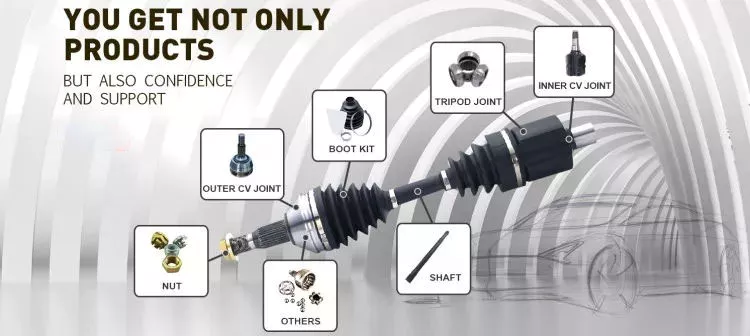
How do drive shafts ensure efficient power transfer while maintaining balance?
Drive shafts employ various mechanisms to ensure efficient power transfer while maintaining balance. Efficient power transfer refers to the ability of the drive shaft to transmit rotational power from the source (such as an engine) to the driven components (such as wheels or machinery) with minimal energy loss. Balancing, on the other hand, involves minimizing vibrations and eliminating any uneven distribution of mass that can cause disturbances during operation. Here’s an explanation of how drive shafts achieve both efficient power transfer and balance:
1. Material Selection:
The material selection for drive shafts is crucial for maintaining balance and ensuring efficient power transfer. Drive shafts are commonly made from materials such as steel or aluminum alloys, chosen for their strength, stiffness, and durability. These materials have excellent dimensional stability and can withstand the torque loads encountered during operation. By using high-quality materials, drive shafts can minimize deformation, flexing, and imbalances that could compromise power transmission and generate vibrations.
2. Design Considerations:
The design of the drive shaft plays a significant role in both power transfer efficiency and balance. Drive shafts are engineered to have appropriate dimensions, including diameter and wall thickness, to handle the anticipated torque loads without excessive deflection or vibration. The design also considers factors such as the length of the drive shaft, the number and type of joints (such as universal joints or constant velocity joints), and the use of balancing weights. By carefully designing the drive shaft, manufacturers can achieve optimal power transfer efficiency while minimizing the potential for imbalance-induced vibrations.
3. Balancing Techniques:
Balance is crucial for drive shafts as any imbalance can cause vibrations, noise, and accelerated wear. To maintain balance, drive shafts undergo various balancing techniques during the manufacturing process. Static and dynamic balancing methods are employed to ensure that the mass distribution along the drive shaft is uniform. Static balancing involves adding counterweights at specific locations to offset any weight imbalances. Dynamic balancing is performed by spinning the drive shaft at high speeds and measuring any vibrations. If imbalances are detected, additional adjustments are made to achieve a balanced state. These balancing techniques help minimize vibrations and ensure smooth operation of the drive shaft.
4. Universal Joints and Constant Velocity Joints:
Drive shafts often incorporate universal joints (U-joints) or constant velocity (CV) joints to accommodate misalignment and maintain balance during operation. U-joints are flexible joints that allow for angular movement between shafts. They are typically used in applications where the drive shaft operates at varying angles. CV joints, on the other hand, are designed to maintain a constant velocity of rotation and are commonly used in front-wheel-drive vehicles. By incorporating these joints, drive shafts can compensate for misalignment, reduce stress on the shaft, and minimize vibrations that can negatively impact power transfer efficiency and balance.
5. Maintenance and Inspection:
Regular maintenance and inspection of drive shafts are essential for ensuring efficient power transfer and balance. Periodic checks for wear, damage, or misalignment can help identify any issues that may affect the drive shaft’s performance. Lubrication of the joints and proper tightening of fasteners are also critical for maintaining optimal operation. By adhering to recommended maintenance procedures, any imbalances or inefficiencies can be addressed promptly, ensuring continued efficient power transfer and balance.
In summary, drive shafts ensure efficient power transfer while maintaining balance through careful material selection, thoughtful design considerations, balancing techniques, and the incorporation of flexible joints. By optimizing these factors, drive shafts can transmit rotational power smoothly and reliably, minimizing energy losses and vibrations that can impact performance and longevity.
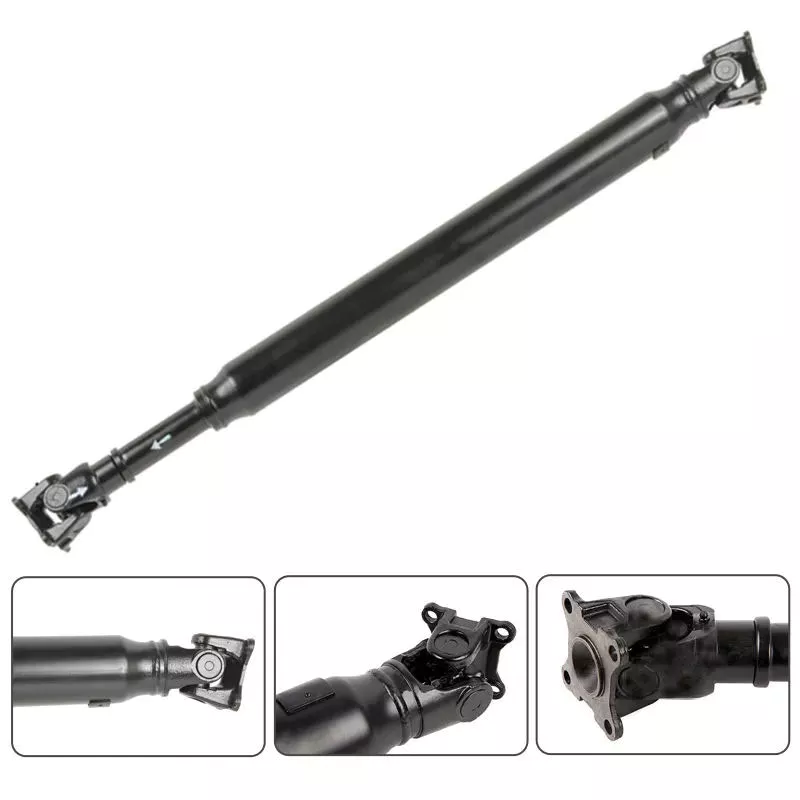
Can drive shafts be customized for specific vehicle or equipment requirements?
Yes, drive shafts can be customized to meet specific vehicle or equipment requirements. Customization allows manufacturers to tailor the design, dimensions, materials, and other parameters of the drive shaft to ensure compatibility and optimal performance within a particular vehicle or equipment. Here’s a detailed explanation of how drive shafts can be customized:
1. Dimensional Customization:
Drive shafts can be customized to match the dimensional requirements of the vehicle or equipment. This includes adjusting the overall length, diameter, and spline configuration to ensure proper fitment and clearances within the specific application. By customizing the dimensions, the drive shaft can be seamlessly integrated into the driveline system without any interference or limitations.
2. Material Selection:
The choice of materials for drive shafts can be customized based on the specific requirements of the vehicle or equipment. Different materials, such as steel alloys, aluminum alloys, or specialized composites, can be selected to optimize strength, weight, and durability. The material selection can be tailored to meet the torque, speed, and operating conditions of the application, ensuring the drive shaft’s reliability and longevity.
3. Joint Configuration:
Drive shafts can be customized with different joint configurations to accommodate specific vehicle or equipment requirements. For example, universal joints (U-joints) may be suitable for applications with lower operating angles and moderate torque demands, while constant velocity (CV) joints are often used in applications requiring higher operating angles and smoother power transmission. The choice of joint configuration depends on factors such as operating angle, torque capacity, and desired performance characteristics.
4. Torque and Power Capacity:
Customization allows drive shafts to be designed with the appropriate torque and power capacity for the specific vehicle or equipment. Manufacturers can analyze the torque requirements, operating conditions, and safety margins of the application to determine the optimal torque rating and power capacity of the drive shaft. This ensures that the drive shaft can handle the required loads without experiencing premature failure or performance issues.
5. Balancing and Vibration Control:
Drive shafts can be customized with precision balancing and vibration control measures. Imbalances in the drive shaft can lead to vibrations, increased wear, and potential driveline issues. By employing dynamic balancing techniques during the manufacturing process, manufacturers can minimize vibrations and ensure smooth operation. Additionally, vibration dampers or isolation systems can be integrated into the drive shaft design to further mitigate vibrations and enhance overall system performance.
6. Integration and Mounting Considerations:
Customization of drive shafts takes into account the integration and mounting requirements of the specific vehicle or equipment. Manufacturers work closely with the vehicle or equipment designers to ensure that the drive shaft fits seamlessly into the driveline system. This includes adapting the mounting points, interfaces, and clearances to ensure proper alignment and installation of the drive shaft within the vehicle or equipment.
7. Collaboration and Feedback:
Manufacturers often collaborate with vehicle manufacturers, OEMs (Original Equipment Manufacturers), or end-users to gather feedback and incorporate their specific requirements into the drive shaft customization process. By actively seeking input and feedback, manufacturers can address specific needs, optimize performance, and ensure compatibility with the vehicle or equipment. This collaborative approach enhances the customization process and results in drive shafts that meet the exact requirements of the application.
8. Compliance with Standards:
Customized drive shafts can be designed to comply with relevant industry standards and regulations. Compliance with standards, such as ISO (International Organization for Standardization) or specific industry standards, ensures that the customized drive shafts meet quality, safety, and performance requirements. Adhering to these standards provides assurance that the drive shafts are compatible and can be seamlessly integrated into the specific vehicle or equipment.
In summary, drive shafts can be customized to meet specific vehicle or equipment requirements through dimensional customization, material selection, joint configuration, torque and power capacity optimization, balancing and vibration control, integration and mounting considerations, collaboration with stakeholders, and compliance with industry standards. Customization allows drive shafts to be precisely tailored to the needs of the application, ensuring compatibility, reliability, and optimal performance.

ドライブシャフトは、様々な用途において回転動力の伝達にどのように貢献するのでしょうか?
ドライブシャフトは、様々な用途において、エンジンや動力源から車輪や駆動部品へ回転動力を伝達する上で重要な役割を果たします。車両であれ機械であれ、ドライブシャフトは効率的な動力伝達を可能にし、様々なシステムの機能を促進します。ドライブシャフトが回転動力の伝達にどのように貢献するかを、以下に詳しく説明します。
1. 車両への適用例:
車両において、ドライブシャフトはエンジンから車輪へ回転動力を伝達し、車両を動かす役割を担っています。ドライブシャフトはギアボックスまたはトランスミッションの出力軸をディファレンシャルに接続し、ディファレンシャルがさらに動力を車輪に分配します。エンジンがトルクを発生させると、それがドライブシャフトを介して車輪に伝達され、車両を前進させます。この動力伝達により、車両は加速し、速度を維持し、摩擦や坂道などの抵抗を克服することができます。
2. 機械への応用:
機械において、駆動軸はエンジンやモーターから様々な駆動部品へ回転動力を伝達するために用いられます。例えば、産業機械では、駆動軸はポンプ、発電機、コンベア、その他の機械システムに動力を伝達するために使用されます。農業機械では、駆動軸は一般的に、動力源を収穫機、梱包機、灌漑システムなどの機器に接続するために用いられます。駆動軸は、必要な部品に回転動力を伝達することで、これらの機械が本来の機能を果たすことを可能にします。
3. 動力伝達:
ドライブシャフトは、回転動力を効率的かつ確実に伝達するように設計されています。エンジンから車輪や駆動部品へ相当量のトルクを伝達することが可能です。エンジンで発生したトルクは、大きな動力損失なくドライブシャフトを通して伝達されます。ドライブシャフトは、エンジンと駆動部品との間に強固な接続を維持することで、エンジンが生み出す動力が有効な作業に効果的に利用されることを保証します。
4. フレキシブルカップリング:
ドライブシャフトの重要な機能の一つは、エンジン/トランスミッションと車輪または駆動部品との間に柔軟な連結を提供することです。この柔軟性により、ドライブシャフトは角度方向の動きに対応し、エンジンと駆動システム間の位置ずれを補正することができます。車両においては、サスペンションシステムが動いたり、車輪が不整地を通過したりすると、ドライブシャフトはその長さと角度を調整して、一定の動力伝達を維持します。この柔軟性により、駆動系部品への過度のストレスを防ぎ、スムーズな動力伝達が保証されます。
5. トルクと速度の伝達:
ドライブシャフトは、トルクと回転速度の両方を伝達する役割を担っています。トルクとは、エンジンや動力源によって発生する回転力であり、回転速度とは、1分あたりの回転数(RPM)のことです。ドライブシャフトは、過度のねじれや曲がりを生じることなく、用途に応じたトルク要件に対応できる必要があります。さらに、駆動部品が適切に機能するように、所定の回転速度を維持する必要があります。ドライブシャフトの適切な設計、材料選定、およびバランス調整は、効率的なトルクと速度の伝達に貢献します。
6. 長さとバランス:
ドライブシャフトの長さとバランスは、その性能を左右する重要な要素です。ドライブシャフトの長さは、エンジンまたは動力源と駆動部品との距離によって決まります。過度の振動や曲がりを避けるため、適切な長さにする必要があります。ドライブシャフトは、振動や回転の不均衡を最小限に抑えるために、慎重にバランス調整されています。これらの不均衡は、駆動系全体の性能、快適性、および寿命に影響を与える可能性があります。
7. 安全性とメンテナンス:
ドライブシャフトには適切な安全対策と定期的なメンテナンスが必要です。車両では、ドライブシャフトは可動部品との接触を防ぎ、怪我のリスクを軽減するために、保護チューブやハウジングで覆われていることがよくあります。機械では、露出したドライブシャフトの周囲に安全シールドやガードが設置され、作業者を潜在的な危険から保護します。定期的なメンテナンスには、ドライブシャフトの摩耗、損傷、または位置ずれの点検、およびユニバーサルジョイントの適切な潤滑が含まれます。これらの対策は、故障の防止、最適な性能の確保、およびドライブシャフトの耐用年数の延長に役立ちます。
要約すると、ドライブシャフトは様々な用途において回転動力を伝達する上で重要な役割を果たします。車両や機械を問わず、ドライブシャフトはエンジンや動力源から車輪や駆動部品への効率的な動力伝達を可能にします。ドライブシャフトは柔軟な連結部を提供し、トルクと速度の伝達に対応し、角度運動を吸収し、システムの安全性とメンテナンスに貢献します。回転動力を効果的に伝達することで、ドライブシャフトは多くの産業における車両や機械の機能と性能を向上させます。


editor by CX 2024-02-23

























