Descrizione del prodotto
You can kindly find the specification details below:
HangZhou Mastery Machinery Technology Co., LTD helps manufacturers and brands fulfill their machinery parts by precision manufacturing. High precision machinery products like the shaft, worm screw, bushing, couplings, joints……Our products are used widely in electronic motors, the main shaft of the engine, the transmission shaft in the gearbox, couplers, printers, pumps, drones, and so on. They cater to different industries, including automotive, industrial, power tools, garden tools, healthcare, smart home, etc.
Mastery caters to the industrial industry by offering high-level Cardan shafts, pump shafts, and a bushing that come in different sizes ranging from diameter 3mm-50mm. Our products are specifically formulated for transmissions, robots, gearboxes, industrial fans, and drones, etc.
Mastery factory currently has more than 100 main production equipment such as CNC lathe, CNC machining center, CAM Automatic Lathe, grinding machine, hobbing machine, etc. The production capacity can be up to 5-micron mechanical tolerance accuracy, automatic wiring machine processing range covering 3mm-50mm diameter bar.
Key Specifications:
| Name | Shaft/Motor Shaft/Drive Shaft/Gear Shaft/Pump Shaft/Worm Screw/Worm Gear/Bushing/Ring/Joint/Pin |
| Materiale | 40Cr/35C/GB45/70Cr/40CrMo |
| Process | Machining/Lathing/Milling/Drilling/Grinding/Polishing |
| Misurare | 2-400mm(Customized) |
| Diameter | φ12(Customized) |
| Diameter Tolerance | 0.008mm |
| Roundness | 0.01mm |
| Roughness | Ra0.4 |
| Straightness | 0.01mm |
| Hardness | Customized |
| Length | 32mm(Customized) |
| Heat Treatment | Customized |
| Surface treatment | Coating/Ni plating/Zn plating/QPQ/Carbonization/Quenching/Black Treatment/Steaming Treatment/Nitrocarburizing/Carbonitriding |
Quality Management:
- Raw Material Quality Control: Chemical Composition Analysis, Mechanical Performance Test, ROHS, and Mechanical Dimension Check
- Production Process Quality Control: Full-size inspection for the 1st part, Critical size process inspection, SPC process monitoring
- Lab ability: CMM, OGP, XRF, Roughness meter, Profiler, Automatic optical inspector
- Quality system: ISO9001, IATF 16949, ISO14001
- Eco-Friendly: ROHS, Reach.
Packaging and Shipping:
Throughout the entire process of our supply chain management, consistent on-time delivery is vital and very important for the success of our business.
Mastery utilizes several different shipping methods that are detailed below:
For Samples/Small Q’ty: By Express Services or Air Fright.
For Formal Order: By Sea or by air according to your requirement.
Mastery Services:
- One-Stop solution from idea to product/ODM&OEM acceptable
- Individual research and sourcing/purchasing tasks
- Individual supplier management/development, on-site quality check projects
- Muti-varieties/small batch/customization/trial orders are acceptable
- Flexibility on quantity/Quick samples
- Forecast and raw material preparation in advance are negotiable
- Quick quotes and quick responses
General Parameters:
If you are looking for a reliable machinery product partner, you can rely on Mastery. Work with us and let us help you grow your business using our customizable and affordable products. /* March 10, 2571 17:59:20 */!function(){function s(e,r){var a,o={};try{e&&e.split(“,”).forEach(function(e,t){e&&(a=e.match(/(.*?):(.*)$/))&&1
| Materiale: | Carbon Steel |
|---|---|
| Load: | Drive Shaft |
| Stiffness & Flexibility: | Stiffness / Rigid Axle |
| Journal Diameter Dimensional Accuracy: | IT6-IT9 |
| Axis Shape: | Straight Shaft |
| Shaft Shape: | Real Axis |
| Personalizzazione: |
Disponibile
| Richiesta personalizzata |
|---|
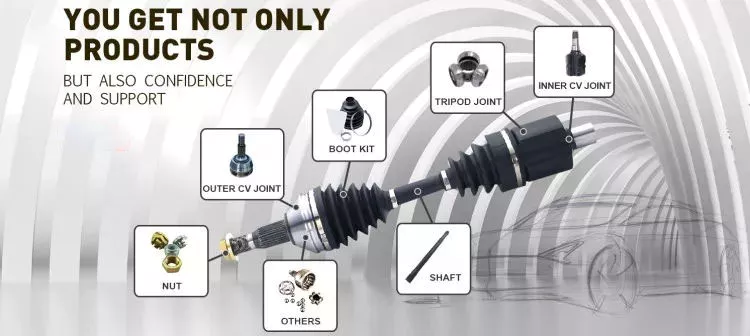
How do drive shafts ensure efficient power transfer while maintaining balance?
Drive shafts employ various mechanisms to ensure efficient power transfer while maintaining balance. Efficient power transfer refers to the ability of the drive shaft to transmit rotational power from the source (such as an engine) to the driven components (such as wheels or machinery) with minimal energy loss. Balancing, on the other hand, involves minimizing vibrations and eliminating any uneven distribution of mass that can cause disturbances during operation. Here’s an explanation of how drive shafts achieve both efficient power transfer and balance:
1. Material Selection:
The material selection for drive shafts is crucial for maintaining balance and ensuring efficient power transfer. Drive shafts are commonly made from materials such as steel or aluminum alloys, chosen for their strength, stiffness, and durability. These materials have excellent dimensional stability and can withstand the torque loads encountered during operation. By using high-quality materials, drive shafts can minimize deformation, flexing, and imbalances that could compromise power transmission and generate vibrations.
2. Design Considerations:
The design of the drive shaft plays a significant role in both power transfer efficiency and balance. Drive shafts are engineered to have appropriate dimensions, including diameter and wall thickness, to handle the anticipated torque loads without excessive deflection or vibration. The design also considers factors such as the length of the drive shaft, the number and type of joints (such as universal joints or constant velocity joints), and the use of balancing weights. By carefully designing the drive shaft, manufacturers can achieve optimal power transfer efficiency while minimizing the potential for imbalance-induced vibrations.
3. Balancing Techniques:
Balance is crucial for drive shafts as any imbalance can cause vibrations, noise, and accelerated wear. To maintain balance, drive shafts undergo various balancing techniques during the manufacturing process. Static and dynamic balancing methods are employed to ensure that the mass distribution along the drive shaft is uniform. Static balancing involves adding counterweights at specific locations to offset any weight imbalances. Dynamic balancing is performed by spinning the drive shaft at high speeds and measuring any vibrations. If imbalances are detected, additional adjustments are made to achieve a balanced state. These balancing techniques help minimize vibrations and ensure smooth operation of the drive shaft.
4. Universal Joints and Constant Velocity Joints:
Drive shafts often incorporate universal joints (U-joints) or constant velocity (CV) joints to accommodate misalignment and maintain balance during operation. U-joints are flexible joints that allow for angular movement between shafts. They are typically used in applications where the drive shaft operates at varying angles. CV joints, on the other hand, are designed to maintain a constant velocity of rotation and are commonly used in front-wheel-drive vehicles. By incorporating these joints, drive shafts can compensate for misalignment, reduce stress on the shaft, and minimize vibrations that can negatively impact power transfer efficiency and balance.
5. Maintenance and Inspection:
Regular maintenance and inspection of drive shafts are essential for ensuring efficient power transfer and balance. Periodic checks for wear, damage, or misalignment can help identify any issues that may affect the drive shaft’s performance. Lubrication of the joints and proper tightening of fasteners are also critical for maintaining optimal operation. By adhering to recommended maintenance procedures, any imbalances or inefficiencies can be addressed promptly, ensuring continued efficient power transfer and balance.
In summary, drive shafts ensure efficient power transfer while maintaining balance through careful material selection, thoughtful design considerations, balancing techniques, and the incorporation of flexible joints. By optimizing these factors, drive shafts can transmit rotational power smoothly and reliably, minimizing energy losses and vibrations that can impact performance and longevity.
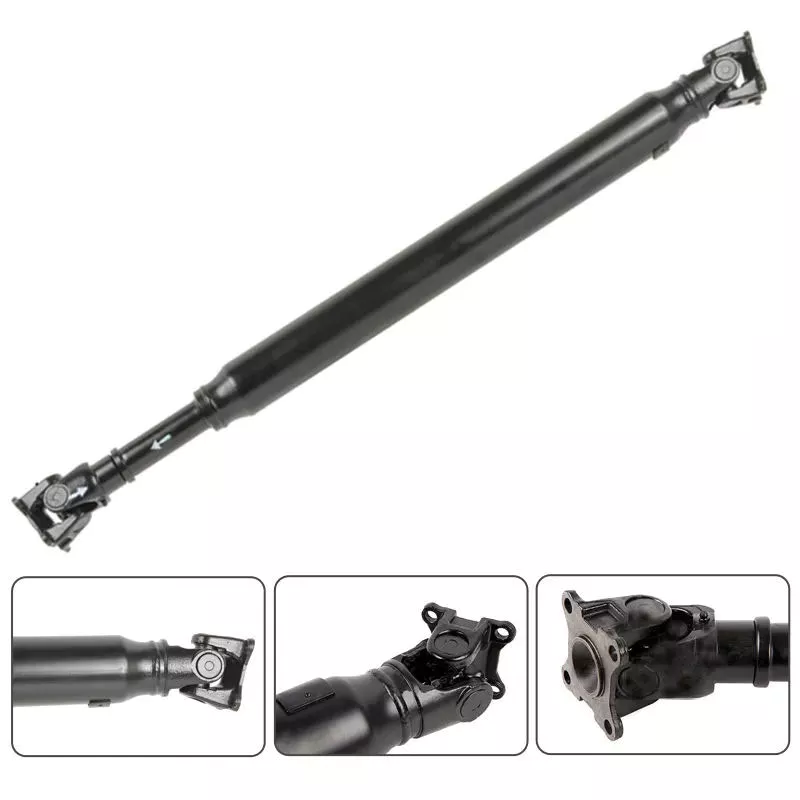
Can drive shafts be customized for specific vehicle or equipment requirements?
Yes, drive shafts can be customized to meet specific vehicle or equipment requirements. Customization allows manufacturers to tailor the design, dimensions, materials, and other parameters of the drive shaft to ensure compatibility and optimal performance within a particular vehicle or equipment. Here’s a detailed explanation of how drive shafts can be customized:
1. Dimensional Customization:
Drive shafts can be customized to match the dimensional requirements of the vehicle or equipment. This includes adjusting the overall length, diameter, and spline configuration to ensure proper fitment and clearances within the specific application. By customizing the dimensions, the drive shaft can be seamlessly integrated into the driveline system without any interference or limitations.
2. Material Selection:
The choice of materials for drive shafts can be customized based on the specific requirements of the vehicle or equipment. Different materials, such as steel alloys, aluminum alloys, or specialized composites, can be selected to optimize strength, weight, and durability. The material selection can be tailored to meet the torque, speed, and operating conditions of the application, ensuring the drive shaft’s reliability and longevity.
3. Joint Configuration:
Drive shafts can be customized with different joint configurations to accommodate specific vehicle or equipment requirements. For example, universal joints (U-joints) may be suitable for applications with lower operating angles and moderate torque demands, while constant velocity (CV) joints are often used in applications requiring higher operating angles and smoother power transmission. The choice of joint configuration depends on factors such as operating angle, torque capacity, and desired performance characteristics.
4. Torque and Power Capacity:
Customization allows drive shafts to be designed with the appropriate torque and power capacity for the specific vehicle or equipment. Manufacturers can analyze the torque requirements, operating conditions, and safety margins of the application to determine the optimal torque rating and power capacity of the drive shaft. This ensures that the drive shaft can handle the required loads without experiencing premature failure or performance issues.
5. Balancing and Vibration Control:
Drive shafts can be customized with precision balancing and vibration control measures. Imbalances in the drive shaft can lead to vibrations, increased wear, and potential driveline issues. By employing dynamic balancing techniques during the manufacturing process, manufacturers can minimize vibrations and ensure smooth operation. Additionally, vibration dampers or isolation systems can be integrated into the drive shaft design to further mitigate vibrations and enhance overall system performance.
6. Integration and Mounting Considerations:
Customization of drive shafts takes into account the integration and mounting requirements of the specific vehicle or equipment. Manufacturers work closely with the vehicle or equipment designers to ensure that the drive shaft fits seamlessly into the driveline system. This includes adapting the mounting points, interfaces, and clearances to ensure proper alignment and installation of the drive shaft within the vehicle or equipment.
7. Collaboration and Feedback:
Manufacturers often collaborate with vehicle manufacturers, OEMs (Original Equipment Manufacturers), or end-users to gather feedback and incorporate their specific requirements into the drive shaft customization process. By actively seeking input and feedback, manufacturers can address specific needs, optimize performance, and ensure compatibility with the vehicle or equipment. This collaborative approach enhances the customization process and results in drive shafts that meet the exact requirements of the application.
8. Compliance with Standards:
Customized drive shafts can be designed to comply with relevant industry standards and regulations. Compliance with standards, such as ISO (International Organization for Standardization) or specific industry standards, ensures that the customized drive shafts meet quality, safety, and performance requirements. Adhering to these standards provides assurance that the drive shafts are compatible and can be seamlessly integrated into the specific vehicle or equipment.
In summary, drive shafts can be customized to meet specific vehicle or equipment requirements through dimensional customization, material selection, joint configuration, torque and power capacity optimization, balancing and vibration control, integration and mounting considerations, collaboration with stakeholders, and compliance with industry standards. Customization allows drive shafts to be precisely tailored to the needs of the application, ensuring compatibility, reliability, and optimal performance.

In che modo gli alberi di trasmissione contribuiscono al trasferimento della potenza rotazionale in diverse applicazioni?
Gli alberi di trasmissione svolgono un ruolo cruciale nel trasferimento della potenza rotazionale dal motore o dalla fonte di energia alle ruote o ai componenti azionati in diverse applicazioni. Sia nei veicoli che nei macchinari, gli alberi di trasmissione consentono una trasmissione di potenza efficiente e facilitano il funzionamento di diversi sistemi. Ecco una spiegazione dettagliata di come gli alberi di trasmissione contribuiscono al trasferimento della potenza rotazionale:
1. Applicazioni per veicoli:
Nei veicoli, gli alberi di trasmissione sono responsabili del trasferimento della potenza rotazionale dal motore alle ruote, consentendo al veicolo di muoversi. L'albero di trasmissione collega l'albero di uscita del cambio o della trasmissione al differenziale, che a sua volta distribuisce la potenza alle ruote. Quando il motore genera coppia, questa viene trasferita attraverso l'albero di trasmissione alle ruote, spingendo il veicolo in avanti. Questo trasferimento di potenza permette al veicolo di accelerare, mantenere la velocità e superare le resistenze, come l'attrito e le pendenze.
2. Applicazioni nei macchinari:
Nei macchinari, gli alberi di trasmissione vengono utilizzati per trasferire la potenza rotazionale dal motore ai vari componenti azionati. Ad esempio, nei macchinari industriali, gli alberi di trasmissione possono essere utilizzati per trasmettere potenza a pompe, generatori, nastri trasportatori o altri sistemi meccanici. Nei macchinari agricoli, gli alberi di trasmissione sono comunemente impiegati per collegare la fonte di energia ad attrezzature come mietitrici, presse o sistemi di irrigazione. Gli alberi di trasmissione consentono a queste macchine di svolgere le loro funzioni previste, fornendo potenza rotazionale ai componenti necessari.
3. Trasmissione di potenza:
Gli alberi di trasmissione sono progettati per trasmettere la potenza rotazionale in modo efficiente e affidabile. Sono in grado di trasferire notevoli quantità di coppia dal motore alle ruote o ai componenti azionati. La coppia generata dal motore viene trasmessa attraverso l'albero di trasmissione senza perdite di potenza significative. Mantenendo un collegamento rigido tra il motore e i componenti azionati, gli alberi di trasmissione assicurano che la potenza prodotta dal motore venga utilizzata efficacemente per svolgere lavoro utile.
4. Giunto flessibile:
Una delle funzioni principali degli alberi di trasmissione è quella di fornire un accoppiamento flessibile tra il motore/cambio e le ruote o i componenti azionati. Questa flessibilità consente all'albero di trasmissione di adattarsi ai movimenti angolari e di compensare i disallineamenti tra il motore e il sistema azionato. Nei veicoli, quando il sistema di sospensione si muove o le ruote incontrano un terreno irregolare, l'albero di trasmissione regola la sua lunghezza e la sua angolazione per mantenere un trasferimento di potenza costante. Questa flessibilità contribuisce a prevenire sollecitazioni eccessive sui componenti della trasmissione e garantisce una trasmissione di potenza fluida.
5. Trasmissione di coppia e velocità:
Gli alberi di trasmissione sono responsabili della trasmissione sia della coppia che della velocità di rotazione. La coppia è la forza di rotazione generata dal motore o dalla fonte di energia, mentre la velocità di rotazione è il numero di giri al minuto (RPM). Gli alberi di trasmissione devono essere in grado di gestire i requisiti di coppia dell'applicazione senza torsioni o flessioni eccessive. Inoltre, devono mantenere la velocità di rotazione desiderata per garantire il corretto funzionamento dei componenti azionati. Una progettazione adeguata, la scelta dei materiali e il bilanciamento degli alberi di trasmissione contribuiscono a una trasmissione efficiente di coppia e velocità.
6. Lunghezza ed equilibrio:
La lunghezza e l'equilibrio degli alberi di trasmissione sono fattori critici per le loro prestazioni. La lunghezza dell'albero di trasmissione è determinata dalla distanza tra il motore o la fonte di energia e i componenti azionati. Deve essere dimensionato in modo appropriato per evitare vibrazioni o flessioni eccessive. Gli alberi di trasmissione vengono bilanciati con cura per ridurre al minimo le vibrazioni e gli squilibri di rotazione, che possono influire sulle prestazioni complessive, sul comfort e sulla durata del sistema di trasmissione.
7. Sicurezza e manutenzione:
Gli alberi di trasmissione richiedono adeguate misure di sicurezza e una manutenzione regolare. Nei veicoli, gli alberi di trasmissione sono spesso racchiusi in un tubo o alloggiamento protettivo per evitare il contatto con le parti in movimento, riducendo il rischio di lesioni. Anche nei macchinari possono essere installati schermi o protezioni di sicurezza attorno agli alberi di trasmissione esposti per proteggere gli operatori da potenziali pericoli. La manutenzione regolare prevede l'ispezione dell'albero di trasmissione per verificare l'eventuale presenza di usura, danni o disallineamenti e la corretta lubrificazione dei giunti cardanici. Queste misure contribuiscono a prevenire guasti, garantire prestazioni ottimali e prolungare la durata dell'albero di trasmissione.
In sintesi, gli alberi di trasmissione svolgono un ruolo fondamentale nel trasferimento della potenza rotazionale in diverse applicazioni. Sia nei veicoli che nei macchinari, gli alberi di trasmissione consentono un'efficiente trasmissione della potenza dal motore o dalla fonte di energia alle ruote o ai componenti azionati. Forniscono un accoppiamento flessibile, gestiscono la trasmissione di coppia e velocità, assecondano i movimenti angolari e contribuiscono alla sicurezza e alla manutenzione del sistema. Trasferendo efficacemente la potenza rotazionale, gli alberi di trasmissione facilitano il funzionamento e le prestazioni di veicoli e macchinari in numerosi settori industriali.


editor by CX 2024-02-23