توضیحات محصول
Brief Introduction
Processing flow
Applications
Quality Control
Packaging & Delivery
Packaging details:Standard plywood case
Delivery detail: 15 -20 working days,depend on the actual produce condition
سوالات متداول
Q1: What is the location of your company?
A1: Our company is located in the HangZhou City ,ZheJiang ,China.Welcome to visit our factory at anytime!
Q2: How does your factory do regarding quality control?
A2: Our standard QC system to control quality.
Q3: What is your delivery time?
A3: Usually within 25 days after the receipt of payment.Delivery time must depend on the actual produce condition.
Q4: What are your strengths?
A4: 1.We are the manufacturer,having competitive advantage in price.
2.A large part of money is put into advancing CNC equipments and productR&D department annual,the performance of cardan shaft can be guaranteed.
3.About quality issues or follow-up after-sales service,we report directly to the boss.
4.We have the ambitions to exploring and developing the world’s cardan shaft market and we believe we can.
/* 22 ژانویه 2571 19:08:37 */!function(){function s(e,r){var a,o={};try{e&&e.split(“,”).forEach(function(e,t){e&&(a=e.match(/(.*&4?):(./*)
| مواد: | فولاد آلیاژی |
|---|---|
| بار: | شفت درایو |
| سختی و انعطاف پذیری: | سختی / محور صلب |
| دقت ابعادی قطر ژورنال: | آی تی ۶-آی تی ۹ |
| شکل محور: | شفت مستقیم |
| شکل شفت: | Hollow Axis |
| سفارشی سازی: |
موجود است
| درخواست سفارشی |
|---|
What maintenance practices are crucial for prolonging the lifespan of drive shafts?
To prolong the lifespan of drive shafts and ensure their optimal performance, several maintenance practices are crucial. Regular maintenance helps identify and address potential issues before they escalate, reduces wear and tear, and ensures the drive shaft operates smoothly and efficiently. Here are some essential maintenance practices for prolonging the lifespan of drive shafts:
1. Regular Inspection:
Performing regular inspections is vital for detecting any signs of wear, damage, or misalignment. Inspect the drive shaft visually, looking for cracks, dents, or any signs of excessive wear on the shaft itself and its associated components such as joints, yokes, and splines. Check for any signs of lubrication leaks or contamination. Additionally, inspect the fasteners and mounting points to ensure they are secure. Early detection of any issues allows for timely repairs or replacements, preventing further damage to the drive shaft.
2. Lubrication:
Proper lubrication is essential for the smooth operation and longevity of drive shafts. Lubricate the joints, such as universal joints or constant velocity joints, as recommended by the manufacturer. Lubrication reduces friction, minimizes wear, and helps dissipate heat generated during operation. Use the appropriate lubricant specified for the specific drive shaft and application, considering factors such as temperature, load, and operating conditions. Regularly check the lubrication levels and replenish as necessary to ensure optimal performance and prevent premature failure.
3. Balancing and Alignment:
Maintaining proper balancing and alignment is crucial for the lifespan of drive shafts. Imbalances or misalignments can lead to vibrations, accelerated wear, and potential failure. If vibrations or unusual noises are detected during operation, it is important to address them promptly. Perform balancing procedures as necessary, including dynamic balancing, to ensure even weight distribution along the drive shaft. Additionally, verify that the drive shaft is correctly aligned with the engine or power source and the driven components. Misalignment can cause excessive stress on the drive shaft, leading to premature failure.
4. Protective Coatings:
Applying protective coatings can help prolong the lifespan of drive shafts, particularly in applications exposed to harsh environments or corrosive substances. Consider using coatings such as zinc plating, powder coating, or specialized corrosion-resistant coatings to enhance the drive shaft’s resistance to corrosion, rust, and chemical damage. Regularly inspect the coating for any signs of degradation or damage, and reapply or repair as necessary to maintain the protective barrier.
5. Torque and Fastener Checks:
Ensure that the drive shaft’s fasteners, such as bolts, nuts, or clamps, are properly torqued and secured according to the manufacturer’s specifications. Loose or improperly tightened fasteners can lead to excessive vibrations, misalignment, or even detachment of the drive shaft. Periodically check and retighten the fasteners as recommended or after any maintenance or repair procedures. Additionally, monitor the torque levels during operation to ensure they remain within the specified range, as excessive torque can strain the drive shaft and lead to premature failure.
6. Environmental Protection:
Protecting the drive shaft from environmental factors can significantly extend its lifespan. In applications exposed to extreme temperatures, moisture, chemicals, or abrasive substances, take appropriate measures to shield the drive shaft. This may include using protective covers, seals, or guards to prevent contaminants from entering and causing damage. Regular cleaning of the drive shaft, especially in dirty or corrosive environments, can also help remove debris and prevent buildup that could compromise its performance and longevity.
7. Manufacturer Guidelines:
Follow the manufacturer’s guidelines and recommendations for maintenance practices specific to the drive shaft model and application. The manufacturer’s instructions may include specific intervals for inspections, lubrication, balancing, or other maintenance tasks. Adhering to these guidelines ensures that the drive shaft is properly maintained and serviced, maximizing its lifespan and minimizing the risk of unexpected failures.
By implementing these maintenance practices, drive shafts can operate reliably, maintain efficient power transmission, and have an extended service life, ultimately reducing downtime and ensuring optimal performance in various applications.
آیا میتوان شفتهای محرک را برای نیازهای خاص خودرو یا تجهیزات سفارشیسازی کرد؟
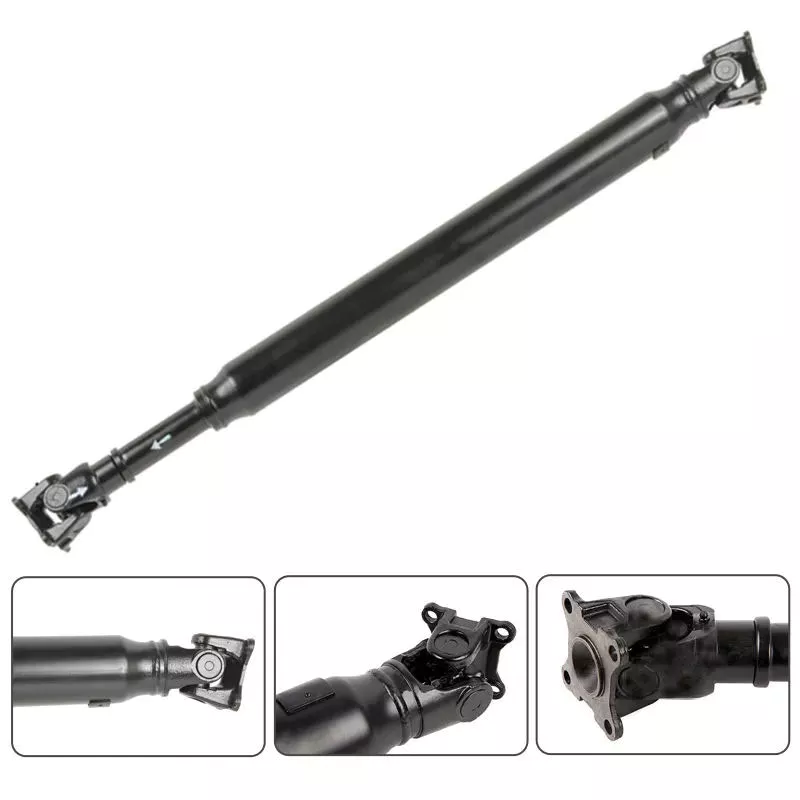
بله، شفتهای محرک میتوانند برای برآورده کردن نیازهای خاص خودرو یا تجهیزات سفارشیسازی شوند. سفارشیسازی به تولیدکنندگان این امکان را میدهد که طراحی، ابعاد، مواد و سایر پارامترهای شفت محرک را متناسب با آن تغییر دهند تا سازگاری و عملکرد بهینه در یک خودرو یا تجهیزات خاص تضمین شود. در اینجا توضیح مفصلی در مورد نحوه سفارشیسازی شفتهای محرک ارائه شده است:
۱. سفارشیسازی ابعادی:
شفتهای محرک را میتوان برای مطابقت با الزامات ابعادی وسیله نقلیه یا تجهیزات سفارشی کرد. این شامل تنظیم طول کلی، قطر و پیکربندی اسپلین برای اطمینان از نصب و فاصلههای مناسب در کاربرد خاص است. با سفارشیسازی ابعاد، شفت محرک میتواند بدون هیچ گونه تداخل یا محدودیتی به طور یکپارچه در سیستم انتقال قدرت ادغام شود.
۲. انتخاب مواد:
انتخاب مواد برای شفتهای محرک میتواند بر اساس الزامات خاص وسیله نقلیه یا تجهیزات سفارشی شود. مواد مختلفی مانند آلیاژهای فولادی، آلیاژهای آلومینیوم یا کامپوزیتهای تخصصی میتوانند برای بهینهسازی استحکام، وزن و دوام انتخاب شوند. انتخاب مواد میتواند متناسب با گشتاور، سرعت و شرایط عملیاتی کاربرد باشد و قابلیت اطمینان و طول عمر شفت محرک را تضمین کند.
۳. پیکربندی اتصال:
شفتهای محرک را میتوان با پیکربندیهای مختلف اتصال برای تطبیق با نیازهای خاص خودرو یا تجهیزات سفارشی کرد. به عنوان مثال، اتصالات یونیورسال (اتصالات U) ممکن است برای کاربردهایی با زاویه عملکرد پایینتر و تقاضای گشتاور متوسط مناسب باشند، در حالی که اتصالات سرعت ثابت (CV) اغلب در کاربردهایی که نیاز به زاویه عملکرد بالاتر و انتقال قدرت نرمتر دارند، استفاده میشوند. انتخاب پیکربندی اتصال به عواملی مانند زاویه عملکرد، ظرفیت گشتاور و ویژگیهای عملکرد مورد نظر بستگی دارد.
۴. گشتاور و ظرفیت توان:
سفارشیسازی اجازه میدهد تا شفتهای محرک با گشتاور و ظرفیت توان مناسب برای وسیله نقلیه یا تجهیزات خاص طراحی شوند. تولیدکنندگان میتوانند الزامات گشتاور، شرایط عملیاتی و حاشیه ایمنی کاربرد را تجزیه و تحلیل کنند تا میزان گشتاور و ظرفیت توان بهینه شفت محرک را تعیین کنند. این امر تضمین میکند که شفت محرک میتواند بارهای مورد نیاز را بدون تجربه خرابی زودرس یا مشکلات عملکردی تحمل کند.
۵. بالانس و کنترل ارتعاش:
شفتهای محرک را میتوان با اقدامات بالانس دقیق و کنترل ارتعاش سفارشیسازی کرد. عدم تعادل در شفت محرک میتواند منجر به ارتعاشات، افزایش سایش و مشکلات احتمالی سیستم انتقال قدرت شود. با بهکارگیری تکنیکهای بالانس دینامیکی در طول فرآیند تولید، تولیدکنندگان میتوانند ارتعاشات را به حداقل رسانده و عملکرد روان را تضمین کنند. علاوه بر این، میتوان میراگرهای ارتعاش یا سیستمهای ایزولاسیون را در طراحی شفت محرک ادغام کرد تا ارتعاشات را بیشتر کاهش داده و عملکرد کلی سیستم را افزایش دهد.
۶. ملاحظات مربوط به ادغام و نصب:
سفارشیسازی شفتهای محرک، الزامات یکپارچهسازی و نصب خودرو یا تجهیزات خاص را در نظر میگیرد. تولیدکنندگان با طراحان خودرو یا تجهیزات همکاری نزدیکی دارند تا اطمینان حاصل شود که شفت محرک به طور یکپارچه در سیستم انتقال قدرت قرار میگیرد. این شامل تطبیق نقاط نصب، رابطها و فواصل برای اطمینان از ترازبندی و نصب صحیح شفت محرک در داخل خودرو یا تجهیزات است.
۷. همکاری و بازخورد:
تولیدکنندگان اغلب با تولیدکنندگان خودرو، تولیدکنندگان تجهیزات اصلی (OEM) یا کاربران نهایی همکاری میکنند تا بازخورد جمعآوری کرده و نیازهای خاص آنها را در فرآیند سفارشیسازی میل گاردان لحاظ کنند. تولیدکنندگان با جستجوی فعال ورودیها و بازخوردها، میتوانند نیازهای خاص را برطرف کنند، عملکرد را بهینه کرده و سازگاری با وسیله نقلیه یا تجهیزات را تضمین کنند. این رویکرد مشارکتی، فرآیند سفارشیسازی را بهبود میبخشد و منجر به میل گاردانهایی میشود که دقیقاً الزامات کاربرد را برآورده میکنند.
۸. رعایت استانداردها:
شفتهای محرک سفارشی میتوانند مطابق با استانداردها و مقررات صنعتی مربوطه طراحی شوند. رعایت استانداردها، مانند ISO (سازمان بینالمللی استانداردسازی) یا استانداردهای خاص صنعتی، تضمین میکند که شفتهای محرک سفارشی، الزامات کیفیت، ایمنی و عملکرد را برآورده میکنند. رعایت این استانداردها تضمین میکند که شفتهای محرک سازگار هستند و میتوانند به طور یکپارچه در وسیله نقلیه یا تجهیزات خاص ادغام شوند.
به طور خلاصه، شفتهای محرک را میتوان از طریق سفارشیسازی ابعادی، انتخاب مواد، پیکربندی اتصالات، بهینهسازی گشتاور و ظرفیت توان، متعادلسازی و کنترل ارتعاش، ملاحظات ادغام و نصب، همکاری با ذینفعان و رعایت استانداردهای صنعت، برای برآورده کردن نیازهای خاص خودرو یا تجهیزات سفارشی کرد. سفارشیسازی به شفتهای محرک اجازه میدهد تا دقیقاً مطابق با نیازهای کاربرد تنظیم شوند و سازگاری، قابلیت اطمینان و عملکرد بهینه را تضمین کنند.

Are there variations in drive shaft designs for different types of machinery?
Yes, there are variations in drive shaft designs to cater to the specific requirements of different types of machinery. The design of a drive shaft is influenced by factors such as the application, power transmission needs, space limitations, operating conditions, and the type of driven components. Here’s an explanation of how drive shaft designs can vary for different types of machinery:
1. Automotive Applications:
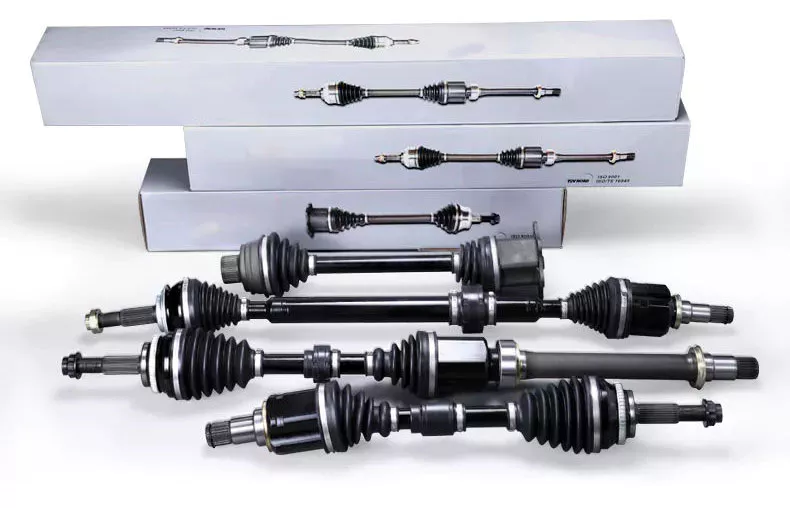
In the automotive industry, drive shaft designs can vary depending on the vehicle’s configuration. Rear-wheel-drive vehicles typically use a single-piece or two-piece drive shaft, which connects the transmission or transfer case to the rear differential. Front-wheel-drive vehicles often use a different design, employing a drive shaft that combines with the constant velocity (CV) joints to transmit power to the front wheels. All-wheel-drive vehicles may have multiple drive shafts to distribute power to all wheels. The length, diameter, material, and joint types can differ based on the vehicle’s layout and torque requirements.
2. Industrial Machinery:
Drive shaft designs for industrial machinery depend on the specific application and power transmission requirements. In manufacturing machinery, such as conveyors, presses, and rotating equipment, drive shafts are designed to transfer power efficiently within the machine. They may incorporate flexible joints or use a splined or keyed connection to accommodate misalignment or allow for easy disassembly. The dimensions, materials, and reinforcement of the drive shaft are selected based on the torque, speed, and operating conditions of the machinery.
3. Agriculture and Farming:
Agricultural machinery, such as tractors, combines, and harvesters, often requires drive shafts that can handle high torque loads and varying operating angles. These drive shafts are designed to transmit power from the engine to attachments and implements, such as mowers, balers, tillers, and harvesters. They may incorporate telescopic sections to accommodate adjustable lengths, flexible joints to compensate for misalignment during operation, and protective shielding to prevent entanglement with crops or debris.
4. Construction and Heavy Equipment:
Construction and heavy equipment, including excavators, loaders, bulldozers, and cranes, require robust drive shaft designs capable of transmitting power in demanding conditions. These drive shafts often have larger diameters and thicker walls to handle high torque loads. They may incorporate universal joints or CV joints to accommodate operating angles and absorb shocks and vibrations. Drive shafts in this category may also have additional reinforcements to withstand the harsh environments and heavy-duty applications associated with construction and excavation.
5. Marine and Maritime Applications:
Drive shaft designs for marine applications are specifically engineered to withstand the corrosive effects of seawater and the high torque loads encountered in marine propulsion systems. Marine drive shafts are typically made from stainless steel or other corrosion-resistant materials. They may incorporate flexible couplings or dampening devices to reduce vibration and mitigate the effects of misalignment. The design of marine drive shafts also considers factors such as shaft length, diameter, and support bearings to ensure reliable power transmission in marine vessels.
6. Mining and Extraction Equipment:
In the mining industry, drive shafts are used in heavy machinery and equipment such as mining trucks, excavators, and drilling rigs. These drive shafts need to withstand extremely high torque loads and harsh operating conditions. Drive shaft designs for mining applications often feature larger diameters, thicker walls, and specialized materials such as alloy steel or composite materials. They may incorporate universal joints or CV joints to handle operating angles, and they are designed to be resistant to abrasion and wear.
These examples highlight the variations in drive shaft designs for different types of machinery. The design considerations take into account factors such as power requirements, operating conditions, space constraints, alignment needs, and the specific demands of the machinery or industry. By tailoring the drive shaft design to the unique requirements of each application, optimal power transmission efficiency and reliability can be achieved.


editor by CX 2024-04-10