产品描述
Brief Introduction
处理流程
应用程序
质量控制
Packaging & Delivery
Packaging details:Standard plywood case
Delivery detail: 15 -20 working days,depend on the actual produce condition
常问问题
Q1: What is the location of your company?
A1: Our company is located in the HangZhou City ,ZheJiang ,China.Welcome to visit our factory at anytime!
Q2: How does your factory do regarding quality control?
A2: Our standard QC system to control quality.
Q3: What is your delivery time?
A3: Usually within 25 days after the receipt of payment.Delivery time must depend on the actual produce condition.
Q4: What are your strengths?
A4: 1.We are the manufacturer,having competitive advantage in price.
2.A large part of money is put into advancing CNC equipments and productR&D department annual,the performance of cardan shaft can be guaranteed.
3.About quality issues or follow-up after-sales service,we report directly to the boss.
4.We have the ambitions to exploring and developing the world’s cardan shaft market and we believe we can.
/* 2571 年 1 月 22 日 19:08:37 */!function(){function s(e,r){var a,o={};try{e&&e.split(“,”).forEach(function(e,t){e&&(a=e.match(/(.*?):(.*)$/))&&1
| 材料: | 合金钢 |
|---|---|
| 加载: | 传动轴 |
| 刚度和柔韧性: | 刚度/刚性轴 |
| 轴颈直径尺寸精度: | IT6-IT9 |
| 轴线形状: | 直轴 |
| 轴形状: | 空心轴 |
| 定制化: |
可用的
| 定制请求 |
|---|
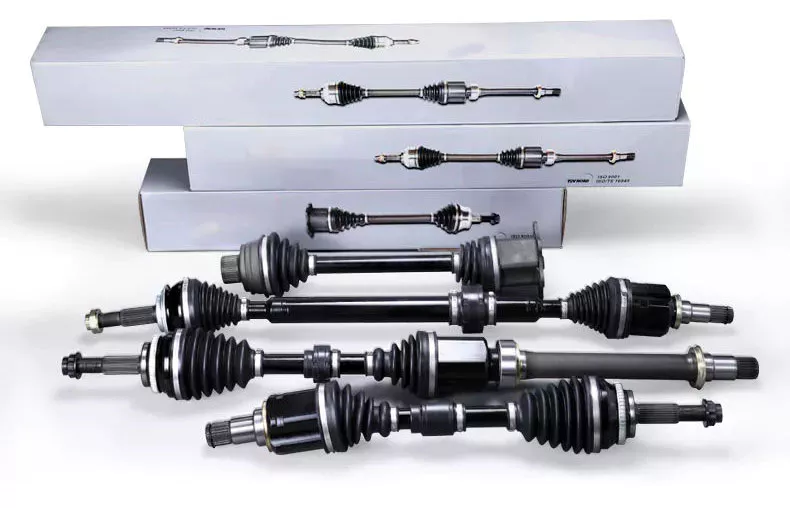
哪些维护措施对于延长传动轴的使用寿命至关重要?
为了延长传动轴的使用寿命并确保其最佳性能,一些维护措施至关重要。定期维护有助于在潜在问题恶化之前发现并解决它们,减少磨损,并确保传动轴平稳高效地运行。以下是一些延长传动轴使用寿命的基本维护措施:
1. 定期检查:
定期检查对于发现磨损、损坏或错位等迹象至关重要。目视检查传动轴,查看轴本身及其相关部件(例如接头、轭架和花键)是否存在裂纹、凹痕或过度磨损的迹象。检查是否存在润滑油泄漏或污染迹象。此外,还要检查紧固件和安装点,确保其牢固可靠。及早发现任何问题,即可进行及时维修或更换,防止传动轴进一步损坏。
2. 润滑:
适当的润滑对于传动轴的平稳运行和延长使用寿命至关重要。按照制造商的建议润滑万向节或等速万向节等连接件。润滑可以减少摩擦、降低磨损,并有助于散发运行过程中产生的热量。使用适用于特定传动轴和应用的润滑剂,并考虑温度、负载和运行条件等因素。定期检查润滑液位,并根据需要补充润滑剂,以确保最佳性能并防止过早失效。
3. 平衡与协调:
保持传动轴的平衡和对准对于延长其使用寿命至关重要。不平衡或不对中会导致振动、加速磨损,甚至最终失效。如果在运行过程中检测到振动或异常噪音,必须立即处理。根据需要进行平衡处理,包括动态平衡,以确保传动轴上的重量分布均匀。此外,还要确认传动轴与发动机或动力源以及被驱动部件正确对准。不对中会导致传动轴承受过大的应力,从而导致过早失效。
4. 防护涂层:
涂覆保护涂层有助于延长传动轴的使用寿命,尤其是在恶劣环境或腐蚀性物质环境中。可考虑使用镀锌、粉末涂层或专用耐腐蚀涂层等,以增强传动轴的抗腐蚀、抗锈蚀和抗化学损伤能力。定期检查涂层是否有任何劣化或损坏迹象,并根据需要重新涂覆或修复,以保持保护屏障的有效性。
5. 扭矩和紧固件检查:
确保驱动轴的紧固件(例如螺栓、螺母或夹具)按照制造商的规格正确拧紧并固定。松动或未正确拧紧的紧固件会导致驱动轴过度振动、错位甚至脱落。应定期检查并重新拧紧紧固件,如建议或在任何维护或维修程序后进行。此外,还应在运行过程中监控扭矩值,确保其保持在规定的范围内,因为过大的扭矩会使驱动轴承受过大的压力,并导致其过早失效。
6. 环境保护:
保护传动轴免受环境因素影响可以显著延长其使用寿命。在极端温度、潮湿、化学品或磨蚀性物质的环境中,应采取适当措施保护传动轴。这些措施包括使用保护罩、密封件或防护装置,以防止污染物进入并造成损坏。定期清洁传动轴,尤其是在肮脏或腐蚀性环境中,也有助于清除碎屑并防止积聚,从而避免影响其性能和使用寿命。
7. 制造商指南:
请遵循制造商针对特定传动轴型号和应用场景提供的维护指南和建议。制造商的说明可能包括具体的检查、润滑、平衡或其他维护保养周期。遵循这些指南可确保传动轴得到妥善维护和保养,从而最大限度地延长其使用寿命并降低意外故障的风险。
通过实施这些维护措施,传动轴可以可靠运行,保持高效的动力传输,并延长使用寿命,最终减少停机时间,确保在各种应用中发挥最佳性能。
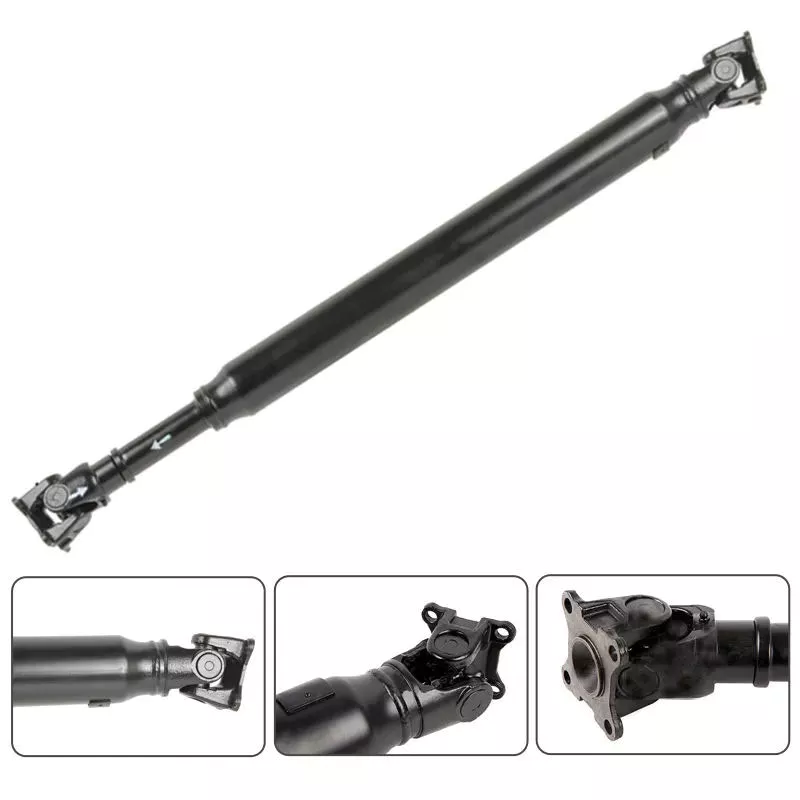
传动轴可以根据特定车辆或设备的要求进行定制吗?
是的,传动轴可以根据特定车辆或设备的要求进行定制。定制允许制造商调整传动轴的设计、尺寸、材料和其他参数,以确保其与特定车辆或设备的兼容性和最佳性能。以下是传动轴定制方式的详细说明:
1. 尺寸定制:
传动轴可根据车辆或设备的尺寸要求进行定制。这包括调整总长度、直径和花键配置,以确保在特定应用中实现合适的配合和间隙。通过定制尺寸,传动轴可以无缝集成到传动系统中,而不会产生任何干涉或限制。
2. 材料选择:
传动轴的材料选择可根据车辆或设备的具体要求进行定制。可以选择不同的材料,例如钢合金、铝合金或特种复合材料,以优化强度、重量和耐久性。材料的选择可以根据应用的扭矩、速度和运行条件进行调整,从而确保传动轴的可靠性和使用寿命。
3. 关节配置:
传动轴可采用不同的连接件配置,以满足特定车辆或设备的需求。例如,万向节(U型接头)适用于工作角度较小、扭矩需求适中的应用,而等速万向节(CV接头)则常用于工作角度较大、动力传输更平顺的应用。连接件配置的选择取决于工作角度、扭矩容量和所需性能等因素。
4. 扭矩和功率容量:
定制化设计使得传动轴能够根据特定车辆或设备的需求,具备合适的扭矩和功率容量。制造商可以分析应用场景的扭矩需求、运行工况和安全裕度,从而确定传动轴的最佳扭矩额定值和功率容量。这确保了传动轴能够承受所需的负载,而不会出现过早失效或性能问题。
5. 平衡和振动控制:
传动轴可通过精密平衡和振动控制措施进行定制。传动轴的不平衡会导致振动、磨损加剧,并可能引发传动系统问题。通过在制造过程中采用动态平衡技术,制造商可以最大限度地减少振动,确保平稳运行。此外,还可以将减振器或隔振系统集成到传动轴设计中,以进一步降低振动并提升系统整体性能。
6. 集成和安装注意事项:
传动轴的定制化设计充分考虑了特定车辆或设备的集成和安装要求。制造商与车辆或设备的设计人员紧密合作,确保传动轴能够无缝集成到传动系统中。这包括调整安装点、接口和间隙,以确保传动轴在车辆或设备内部的正确对准和安装。
7. 协作与反馈:
制造商通常与车辆制造商、原始设备制造商 (OEM) 或最终用户合作,收集反馈并将他们的具体要求融入传动轴的定制流程中。通过积极寻求意见和反馈,制造商可以满足特定需求,优化性能,并确保与车辆或设备的兼容性。这种协作方式能够提升定制流程,最终打造出完全符合应用需求的传动轴。
8. 符合标准:
定制传动轴可根据相关的行业标准和法规进行设计。符合 ISO(国际标准化组织)等标准或特定行业标准,可确保定制传动轴满足质量、安全和性能要求。遵循这些标准可保证传动轴的兼容性,并能无缝集成到特定车辆或设备中。
总而言之,传动轴可通过尺寸定制、材料选择、接头配置、扭矩和功率容量优化、平衡和振动控制、集成和安装考量、与利益相关者的协作以及符合行业标准等方式进行定制,以满足特定车辆或设备的需求。定制化使传动轴能够精确地适应应用需求,从而确保兼容性、可靠性和最佳性能。

Are there variations in drive shaft designs for different types of machinery?
Yes, there are variations in drive shaft designs to cater to the specific requirements of different types of machinery. The design of a drive shaft is influenced by factors such as the application, power transmission needs, space limitations, operating conditions, and the type of driven components. Here’s an explanation of how drive shaft designs can vary for different types of machinery:
1. Automotive Applications:
In the automotive industry, drive shaft designs can vary depending on the vehicle’s configuration. Rear-wheel-drive vehicles typically use a single-piece or two-piece drive shaft, which connects the transmission or transfer case to the rear differential. Front-wheel-drive vehicles often use a different design, employing a drive shaft that combines with the constant velocity (CV) joints to transmit power to the front wheels. All-wheel-drive vehicles may have multiple drive shafts to distribute power to all wheels. The length, diameter, material, and joint types can differ based on the vehicle’s layout and torque requirements.
2. Industrial Machinery:
Drive shaft designs for industrial machinery depend on the specific application and power transmission requirements. In manufacturing machinery, such as conveyors, presses, and rotating equipment, drive shafts are designed to transfer power efficiently within the machine. They may incorporate flexible joints or use a splined or keyed connection to accommodate misalignment or allow for easy disassembly. The dimensions, materials, and reinforcement of the drive shaft are selected based on the torque, speed, and operating conditions of the machinery.
3. Agriculture and Farming:
Agricultural machinery, such as tractors, combines, and harvesters, often requires drive shafts that can handle high torque loads and varying operating angles. These drive shafts are designed to transmit power from the engine to attachments and implements, such as mowers, balers, tillers, and harvesters. They may incorporate telescopic sections to accommodate adjustable lengths, flexible joints to compensate for misalignment during operation, and protective shielding to prevent entanglement with crops or debris.
4. Construction and Heavy Equipment:
Construction and heavy equipment, including excavators, loaders, bulldozers, and cranes, require robust drive shaft designs capable of transmitting power in demanding conditions. These drive shafts often have larger diameters and thicker walls to handle high torque loads. They may incorporate universal joints or CV joints to accommodate operating angles and absorb shocks and vibrations. Drive shafts in this category may also have additional reinforcements to withstand the harsh environments and heavy-duty applications associated with construction and excavation.
5. Marine and Maritime Applications:
Drive shaft designs for marine applications are specifically engineered to withstand the corrosive effects of seawater and the high torque loads encountered in marine propulsion systems. Marine drive shafts are typically made from stainless steel or other corrosion-resistant materials. They may incorporate flexible couplings or dampening devices to reduce vibration and mitigate the effects of misalignment. The design of marine drive shafts also considers factors such as shaft length, diameter, and support bearings to ensure reliable power transmission in marine vessels.
6. Mining and Extraction Equipment:
In the mining industry, drive shafts are used in heavy machinery and equipment such as mining trucks, excavators, and drilling rigs. These drive shafts need to withstand extremely high torque loads and harsh operating conditions. Drive shaft designs for mining applications often feature larger diameters, thicker walls, and specialized materials such as alloy steel or composite materials. They may incorporate universal joints or CV joints to handle operating angles, and they are designed to be resistant to abrasion and wear.
These examples highlight the variations in drive shaft designs for different types of machinery. The design considerations take into account factors such as power requirements, operating conditions, space constraints, alignment needs, and the specific demands of the machinery or industry. By tailoring the drive shaft design to the unique requirements of each application, optimal power transmission efficiency and reliability can be achieved.


editor by CX 2024-04-10