Descripción del Producto
Brief Introduction
Flujo de procesamiento
Aplicaciones
Control de calidad
Packaging & Delivery
Packaging details:Standard plywood case
Delivery detail: 15 -20 working days,depend on the actual produce condition
Preguntas frecuentes
P1: What is the location of your company?
A1: Our company is located in the HangZhou City ,ZheJiang ,China.Welcome to visit our factory at anytime!
P2: How does your factory do regarding quality control?
A2: Our standard QC system to control quality.
P3: What is your delivery time?
A3: Usually within 25 days after the receipt of payment.Delivery time must depend on the actual produce condition.
P4: What are your strengths?
A4: 1.We are the manufacturer,having competitive advantage in price.
2.A large part of money is put into advancing CNC equipments and productR&D department annual,the performance of cardan shaft can be guaranteed.
3.About quality issues or follow-up after-sales service,we report directly to the boss.
4.We have the ambitions to exploring and developing the world’s cardan shaft market and we believe we can.
/* 22 de enero de 2571 19:08:37 */!function(){function s(e,r){var a,o={};try{e&&e.split(“”,).forEach(function(e,t){e&&(a=e.match(/(.*?):(.*)$/))&&1
| Material: | Acero aleado |
|---|---|
| Carga: | Eje de transmisión |
| Rigidez y flexibilidad: | Rigidez / Eje rígido |
| Precisión dimensional del diámetro del muñón: | TI6-TI9 |
| Forma del eje: | Eje recto |
| Forma del eje: | Eje hueco |
| Personalización: |
Disponible
| Solicitud personalizada |
|---|
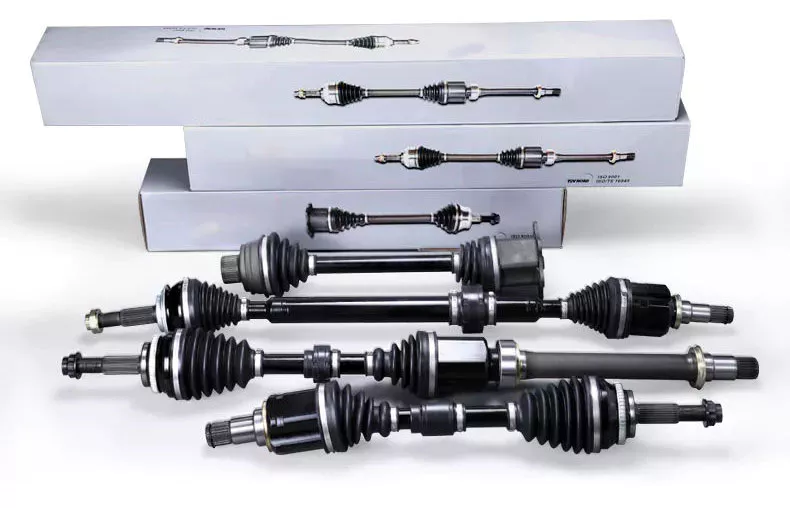
¿Qué prácticas de mantenimiento son cruciales para prolongar la vida útil de los ejes de transmisión?
Para prolongar la vida útil de los ejes de transmisión y garantizar su rendimiento óptimo, es fundamental seguir ciertas prácticas de mantenimiento. El mantenimiento regular ayuda a identificar y solucionar posibles problemas antes de que se agraven, reduce el desgaste y asegura que el eje de transmisión funcione de manera fluida y eficiente. A continuación, se presentan algunas prácticas de mantenimiento esenciales para prolongar la vida útil de los ejes de transmisión:
1. Inspección periódica:
Realizar inspecciones periódicas es fundamental para detectar cualquier signo de desgaste, daño o desalineación. Inspeccione visualmente el eje de transmisión, buscando grietas, abolladuras o cualquier signo de desgaste excesivo en el propio eje y sus componentes asociados, como juntas, horquillas y estrías. Verifique si hay fugas de lubricante o contaminación. Además, inspeccione los sujetadores y los puntos de montaje para asegurarse de que estén bien sujetos. La detección temprana de cualquier problema permite realizar reparaciones o reemplazos oportunos, evitando así daños mayores al eje de transmisión.
2. Lubricación:
Una lubricación adecuada es esencial para el buen funcionamiento y la durabilidad de los ejes de transmisión. Lubrique las juntas, como las juntas universales o las juntas homocinéticas, según las recomendaciones del fabricante. La lubricación reduce la fricción, minimiza el desgaste y ayuda a disipar el calor generado durante el funcionamiento. Utilice el lubricante apropiado para el eje de transmisión y la aplicación específicos, teniendo en cuenta factores como la temperatura, la carga y las condiciones de funcionamiento. Compruebe periódicamente los niveles de lubricación y rellénelos según sea necesario para garantizar un rendimiento óptimo y evitar fallos prematuros.
3. Equilibrio y alineación:
Mantener un correcto equilibrio y alineación es fundamental para la vida útil de los ejes de transmisión. Los desequilibrios o desalineaciones pueden provocar vibraciones, desgaste acelerado y posibles fallos. Si se detectan vibraciones o ruidos inusuales durante el funcionamiento, es importante solucionarlos de inmediato. Realice los procedimientos de equilibrado necesarios, incluido el equilibrado dinámico, para garantizar una distribución uniforme del peso a lo largo del eje de transmisión. Además, verifique que el eje de transmisión esté correctamente alineado con el motor o la fuente de alimentación y los componentes accionados. Una desalineación puede generar una tensión excesiva en el eje de transmisión, lo que puede provocar un fallo prematuro.
4. Recubrimientos protectores:
La aplicación de recubrimientos protectores puede prolongar la vida útil de los ejes de transmisión, especialmente en aplicaciones expuestas a entornos hostiles o sustancias corrosivas. Considere el uso de recubrimientos como el galvanizado, el recubrimiento en polvo o recubrimientos especiales resistentes a la corrosión para mejorar la resistencia del eje de transmisión a la corrosión, el óxido y los daños químicos. Inspeccione periódicamente el recubrimiento para detectar cualquier signo de degradación o daño, y vuelva a aplicarlo o repárelo según sea necesario para mantener la barrera protectora.
5. Comprobaciones de par y de los elementos de fijación:
Asegúrese de que los elementos de fijación del eje de transmisión, como pernos, tuercas o abrazaderas, estén correctamente apretados y sujetos según las especificaciones del fabricante. Los elementos de fijación flojos o mal apretados pueden provocar vibraciones excesivas, desalineación o incluso el desprendimiento del eje de transmisión. Revise y vuelva a apretar periódicamente los elementos de fijación según lo recomendado o después de cualquier procedimiento de mantenimiento o reparación. Además, supervise los niveles de par durante el funcionamiento para asegurarse de que se mantengan dentro del rango especificado, ya que un par excesivo puede sobrecargar el eje de transmisión y provocar una falla prematura.
6. Protección del medio ambiente:
Proteger el eje de transmisión de los factores ambientales puede prolongar significativamente su vida útil. En aplicaciones expuestas a temperaturas extremas, humedad, productos químicos o sustancias abrasivas, tome las medidas adecuadas para proteger el eje. Esto puede incluir el uso de cubiertas, sellos o protectores para evitar la entrada de contaminantes y daños. La limpieza regular del eje, especialmente en entornos sucios o corrosivos, también ayuda a eliminar residuos y a prevenir la acumulación de suciedad que podría comprometer su rendimiento y durabilidad.
7. Directrices del fabricante:
Siga las directrices y recomendaciones del fabricante para el mantenimiento específico del modelo y la aplicación del eje de transmisión. Las instrucciones del fabricante pueden incluir intervalos específicos para inspecciones, lubricación, equilibrado u otras tareas de mantenimiento. Seguir estas directrices garantiza el correcto mantenimiento del eje de transmisión, maximizando su vida útil y minimizando el riesgo de fallos inesperados.
Mediante la implementación de estas prácticas de mantenimiento, los ejes de transmisión pueden funcionar de manera confiable, mantener una transmisión de potencia eficiente y tener una vida útil prolongada, lo que en última instancia reduce el tiempo de inactividad y garantiza un rendimiento óptimo en diversas aplicaciones.
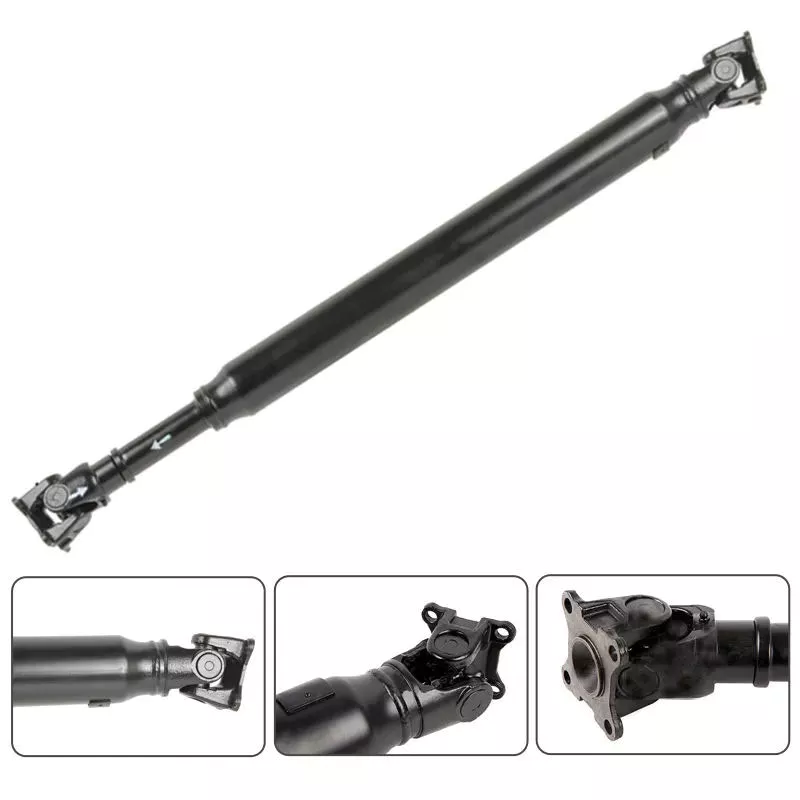
Can drive shafts be customized for specific vehicle or equipment requirements?
Yes, drive shafts can be customized to meet specific vehicle or equipment requirements. Customization allows manufacturers to tailor the design, dimensions, materials, and other parameters of the drive shaft to ensure compatibility and optimal performance within a particular vehicle or equipment. Here’s a detailed explanation of how drive shafts can be customized:
1. Dimensional Customization:
Drive shafts can be customized to match the dimensional requirements of the vehicle or equipment. This includes adjusting the overall length, diameter, and spline configuration to ensure proper fitment and clearances within the specific application. By customizing the dimensions, the drive shaft can be seamlessly integrated into the driveline system without any interference or limitations.
2. Material Selection:
The choice of materials for drive shafts can be customized based on the specific requirements of the vehicle or equipment. Different materials, such as steel alloys, aluminum alloys, or specialized composites, can be selected to optimize strength, weight, and durability. The material selection can be tailored to meet the torque, speed, and operating conditions of the application, ensuring the drive shaft’s reliability and longevity.
3. Joint Configuration:
Drive shafts can be customized with different joint configurations to accommodate specific vehicle or equipment requirements. For example, universal joints (U-joints) may be suitable for applications with lower operating angles and moderate torque demands, while constant velocity (CV) joints are often used in applications requiring higher operating angles and smoother power transmission. The choice of joint configuration depends on factors such as operating angle, torque capacity, and desired performance characteristics.
4. Torque and Power Capacity:
Customization allows drive shafts to be designed with the appropriate torque and power capacity for the specific vehicle or equipment. Manufacturers can analyze the torque requirements, operating conditions, and safety margins of the application to determine the optimal torque rating and power capacity of the drive shaft. This ensures that the drive shaft can handle the required loads without experiencing premature failure or performance issues.
5. Balancing and Vibration Control:
Drive shafts can be customized with precision balancing and vibration control measures. Imbalances in the drive shaft can lead to vibrations, increased wear, and potential driveline issues. By employing dynamic balancing techniques during the manufacturing process, manufacturers can minimize vibrations and ensure smooth operation. Additionally, vibration dampers or isolation systems can be integrated into the drive shaft design to further mitigate vibrations and enhance overall system performance.
6. Integration and Mounting Considerations:
Customization of drive shafts takes into account the integration and mounting requirements of the specific vehicle or equipment. Manufacturers work closely with the vehicle or equipment designers to ensure that the drive shaft fits seamlessly into the driveline system. This includes adapting the mounting points, interfaces, and clearances to ensure proper alignment and installation of the drive shaft within the vehicle or equipment.
7. Collaboration and Feedback:
Manufacturers often collaborate with vehicle manufacturers, OEMs (Original Equipment Manufacturers), or end-users to gather feedback and incorporate their specific requirements into the drive shaft customization process. By actively seeking input and feedback, manufacturers can address specific needs, optimize performance, and ensure compatibility with the vehicle or equipment. This collaborative approach enhances the customization process and results in drive shafts that meet the exact requirements of the application.
8. Compliance with Standards:
Customized drive shafts can be designed to comply with relevant industry standards and regulations. Compliance with standards, such as ISO (International Organization for Standardization) or specific industry standards, ensures that the customized drive shafts meet quality, safety, and performance requirements. Adhering to these standards provides assurance that the drive shafts are compatible and can be seamlessly integrated into the specific vehicle or equipment.
In summary, drive shafts can be customized to meet specific vehicle or equipment requirements through dimensional customization, material selection, joint configuration, torque and power capacity optimization, balancing and vibration control, integration and mounting considerations, collaboration with stakeholders, and compliance with industry standards. Customization allows drive shafts to be precisely tailored to the needs of the application, ensuring compatibility, reliability, and optimal performance.
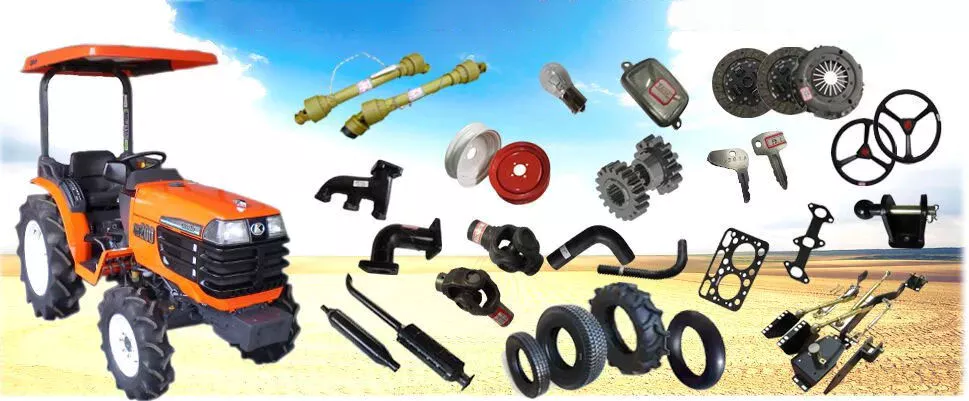
Are there variations in drive shaft designs for different types of machinery?
Yes, there are variations in drive shaft designs to cater to the specific requirements of different types of machinery. The design of a drive shaft is influenced by factors such as the application, power transmission needs, space limitations, operating conditions, and the type of driven components. Here’s an explanation of how drive shaft designs can vary for different types of machinery:
1. Automotive Applications:
In the automotive industry, drive shaft designs can vary depending on the vehicle’s configuration. Rear-wheel-drive vehicles typically use a single-piece or two-piece drive shaft, which connects the transmission or transfer case to the rear differential. Front-wheel-drive vehicles often use a different design, employing a drive shaft that combines with the constant velocity (CV) joints to transmit power to the front wheels. All-wheel-drive vehicles may have multiple drive shafts to distribute power to all wheels. The length, diameter, material, and joint types can differ based on the vehicle’s layout and torque requirements.
2. Industrial Machinery:
Drive shaft designs for industrial machinery depend on the specific application and power transmission requirements. In manufacturing machinery, such as conveyors, presses, and rotating equipment, drive shafts are designed to transfer power efficiently within the machine. They may incorporate flexible joints or use a splined or keyed connection to accommodate misalignment or allow for easy disassembly. The dimensions, materials, and reinforcement of the drive shaft are selected based on the torque, speed, and operating conditions of the machinery.
3. Agriculture and Farming:
Agricultural machinery, such as tractors, combines, and harvesters, often requires drive shafts that can handle high torque loads and varying operating angles. These drive shafts are designed to transmit power from the engine to attachments and implements, such as mowers, balers, tillers, and harvesters. They may incorporate telescopic sections to accommodate adjustable lengths, flexible joints to compensate for misalignment during operation, and protective shielding to prevent entanglement with crops or debris.
4. Construction and Heavy Equipment:
Construction and heavy equipment, including excavators, loaders, bulldozers, and cranes, require robust drive shaft designs capable of transmitting power in demanding conditions. These drive shafts often have larger diameters and thicker walls to handle high torque loads. They may incorporate universal joints or CV joints to accommodate operating angles and absorb shocks and vibrations. Drive shafts in this category may also have additional reinforcements to withstand the harsh environments and heavy-duty applications associated with construction and excavation.
5. Marine and Maritime Applications:
Drive shaft designs for marine applications are specifically engineered to withstand the corrosive effects of seawater and the high torque loads encountered in marine propulsion systems. Marine drive shafts are typically made from stainless steel or other corrosion-resistant materials. They may incorporate flexible couplings or dampening devices to reduce vibration and mitigate the effects of misalignment. The design of marine drive shafts also considers factors such as shaft length, diameter, and support bearings to ensure reliable power transmission in marine vessels.
6. Mining and Extraction Equipment:
In the mining industry, drive shafts are used in heavy machinery and equipment such as mining trucks, excavators, and drilling rigs. These drive shafts need to withstand extremely high torque loads and harsh operating conditions. Drive shaft designs for mining applications often feature larger diameters, thicker walls, and specialized materials such as alloy steel or composite materials. They may incorporate universal joints or CV joints to handle operating angles, and they are designed to be resistant to abrasion and wear.
These examples highlight the variations in drive shaft designs for different types of machinery. The design considerations take into account factors such as power requirements, operating conditions, space constraints, alignment needs, and the specific demands of the machinery or industry. By tailoring the drive shaft design to the unique requirements of each application, optimal power transmission efficiency and reliability can be achieved.


editor by CX 2024-04-10