
توضیحات محصول
Product Details
A coupling is a mechanical component that is used to firmly connect the driving shaft and driven shaft in different mechanisms together, rotate together, and transmit motion and torque. It is also sometimes used to connect shafts and other parts (e.g. gears, pulleys, etc.). It usually consists of 2 parts, which are connected by a key or clamping fit, respectively, and fastened at the 2 shaft ends. Couplings can compensate for deviations (including axial, radial, angular or combined offset) between 2 shafts due to inaccurate manufacturing and installation, deformation or thermal expansion during operation, as well as shock and vibration absorption. The most commonly used couplings have been standardized or normalized. In general, it is only necessary to select the type of coupling correctly and determine the type and size of the coupling. If necessary, check and calculate the carrying capacity of the vulnerable and weak links; When the rotational speed is high, it is necessary to check the centrifugal force on the outer edge and the deformation of the elastic element for balance detection.
Couplings are used to connect shafts in different mechanisms, mainly by rotation, thus transferring torque. Under the action of high-speed power, the coupling has the function of buffering and damping, and the coupling has good service life and working efficiency.
The function of the coupling:
a device that connects 2 shafts or shafts with rotating parts and rotates together in the process of transmitting motion and power and does not break away under normal circumstances. Sometimes, it is also used as a safety device to prevent the connected parts from bearing excessive loads and play the role of overload protection. The coupling is installed between the active side and the passive side of the power transmission, which plays the role of transferring torque, compensating the installation deviation between shafts, absorbing equipment vibration and buffering load impact. One of the functions of couplings is to absorb and compensate for deviations between shafts through their own deformation. The greater the elasticity, the stronger the ability to absorb the deviation; The less flexibility you have, the less ability you have to absorb deviations. In general, the deviation between the shaft and the shaft can be divided into the following 3 aspects: The connection between the coupling and the peripheral equipment is achieved by inserting the shaft of the device into the shaft hole of the coupling.
1. The role of the coupling is to connect the 2 shafts in different mechanisms (drive shaft and driven shaft) to rotate and transmit torque together, and some couplings also have the role of buffering, damping and improving the dynamic performance of the shafting.
2. Eliminate the inertia of the radial force, connect the motor spindle with the load, and use a coupling to weaken the starting power when the motor starts.
3. Power conduction, transmission of power and torque (improve the performance of the transmission system)
4. Different degrees of vibration reduction and buffering
5. Disconnect when the load is too large to play a protective role
6. Good for maintenance
7. Change the drive direction
8. Concentricity correction (different degrees of axial, radial and angular compensation performance)
The types of couplings
Bellows coupling
The bellows coupling is composed of 2 hubs and thin-walled bellows that are welded or bonded together. The input end of the coupling structure is a clamping structure, and the pre-tightening force is generated by clamping screws, and the power input shaft is firmly connected with the clamping hoop. Flexible and rigid stainless steel bellows have the ability to correct radial, axial and angular deviations, transmit torque with zero backlash, and have different bushings designed to meet different equipment requirements.
A plum coupling
Plum coupling is a widely used coupling, elastomer is a balance accessory, can zero back backlash transfer torque and shock absorption. The different types of elastomers determine the characteristics of the entire drive system. Zero back backlash is achieved through a pre-pressure between the 2 coupling bushing and the elastomer. Its elastomer is usually composed of engineering plastics or rubber. Because elastomers have the function of buffering and reducing vibration, they are widely used in the case of strong vibration.
Safety coupling
The safety coupling mainly relies on the spring force and works with the shape, which can protect the adjacent drive components from damage caused by overload. Divided into synchronous type, stepping type 60°, failure protection type, closed. Features of a special butterfly spring system. No torque transfer is possible until the torque control nut is linked to the butterfly spring to apply pressure. The service life of the safety coupling is largely determined by the speed at which the coupling is disengaged and the holding time of the coupling. The safety coupling is not worn when it is engaged, does not require maintenance, and does not require additional refueling.
Rigid coupling
The rigid coupling is actually a torsional rigid coupling. Even under load, there is no turning clearance. Even if there is a deviation that creates a load, the rigid coupling is still rigid to transmit torque. Rigid couplings need to be used to connect 2 shafts in strict alignment without relative misalignment, so they are used less in motor test systems. Of course, if the relative displacement can be successfully controlled (the alignment accuracy is high enough), rigid coupling can also play an excellent role in the application. In particular, the small size rigid coupling has the advantages of light weight, ultra-low inertia and high sensitivity. In practical applications, rigid couplings have the advantages of maintenance-free, ultra-oil resistance and corrosion resistance.
Long shaft coupling
The standard length of the long-shaft coupling is up to 6 meters, and no intermediate support is required. The 2 ends are connected by high-performance stainless steel or high-strength aluminum, and the middle pipe is made of different materials such as steel, aluminum or carbon fiber. The allowable deviation range, speed and torque of the standard model should be reduced by 30%. The allowable working speed depends on the total length of the joint shaft and can also be adjusted according to demand.
Diaphragm coupling
Diaphragm couplings transfer torque by friction and diaphragm assembly, so there are no stress concentrations, backbacklash and micro-displacement that occur when torque is transferred through shoulder bolts. It has a near unlimited service life and increases the torsional rigidity of the individual components of the complete coupling, which can compensate for a variety of combined shaft assembly errors as a percentage of the total allowable error value listed in the data sheet. The sum of the percentages of the 3 errors cannot exceed 100%.
توضیحات محصول
به عنوان یک حرفه ای تولیدکننده برای شفت پروانه، داریم +1000 items for all kinds of car, At present, our products are mainly sold in North America, Europe, Australia, South Korea, the Middle East and Southeast Asia and other regions, applicable models are European cars, American cars, Japanese and Korean cars, etc. /* January 22, 2571 19:08:37 */!function(){function s(e,r){var a,o={};try{e&&e.split(“,”).forEach(function(e,t){e&&(a=e.match(/(.*?):(.*)$/))&&1
| Standard Or Nonstandard: | استاندارد |
|---|---|
| Torque: | >80N.M |
| Bore Diameter: | According to Specific Drawings |
| سفارشی سازی: |
موجود است
| درخواست سفارشی |
|---|
.shipping-cost-tm .tm-status-off{background: none;padding:0;color: #1470cc}
|
هزینه ارسال:
هزینه حمل و نقل تخمینی برای هر واحد |
در مورد هزینه ارسال و زمان تقریبی تحویل. |
|---|
| روش پرداخت: |
|
|---|---|
|
پرداخت اولیه پرداخت کامل |
| ارز: | US$ |
|---|
| بازگشت و بازپرداخت: | شما میتوانید تا 30 روز پس از دریافت محصولات، درخواست بازگشت وجه خود را ثبت کنید. |
|---|
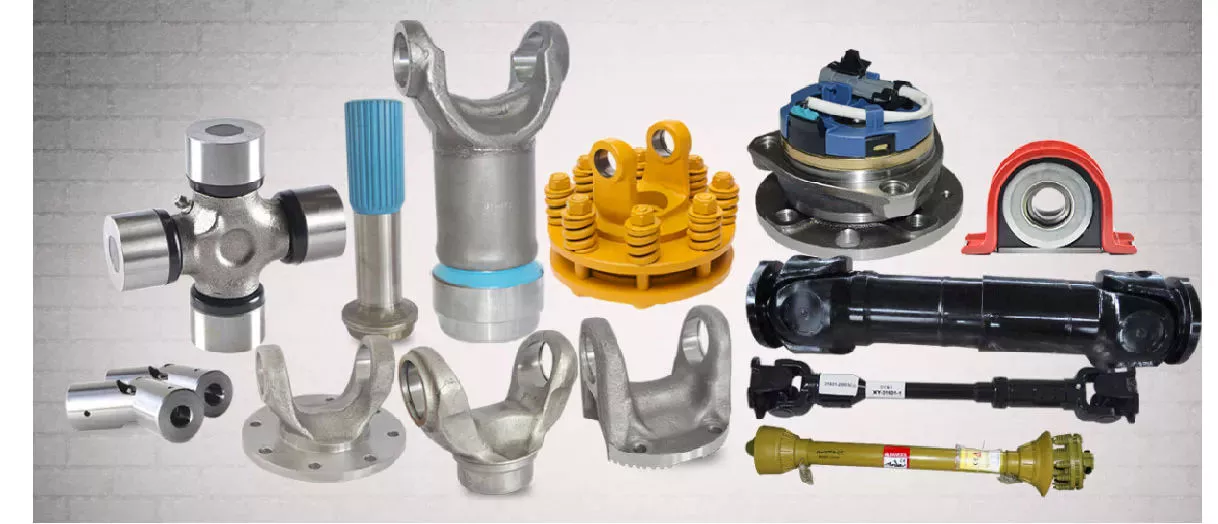
هنگام انتخاب شفت درایو مناسب برای یک کاربرد، چه عواملی باید در نظر گرفته شوند؟
هنگام انتخاب شفت محرک مناسب برای یک کاربرد، عوامل مختلفی باید در نظر گرفته شوند. انتخاب شفت محرک نقش بسیار مهمی در تضمین انتقال قدرت کارآمد و قابل اعتماد دارد. در اینجا عوامل کلیدی که باید در نظر گرفته شوند، آورده شده است:
۱. الزامات توان و گشتاور:
الزامات توان و گشتاور مورد نیاز برای کاربرد، ملاحظات اساسی هستند. تعیین حداکثر گشتاوری که شفت محرک باید بدون خرابی یا انحراف بیش از حد منتقل کند، بسیار مهم است. این شامل ارزیابی توان خروجی موتور یا منبع تغذیه و همچنین گشتاور مورد نیاز اجزای محرک میشود. انتخاب شفت محرک با قطر، استحکام مواد و طراحی مناسب برای اطمینان از اینکه میتواند سطوح گشتاور مورد انتظار را بدون به خطر انداختن عملکرد یا ایمنی تحمل کند، ضروری است.
۲. سرعت عملیاتی:
سرعت کارکرد محور محرک یکی دیگر از عوامل حیاتی است. سرعت چرخش بر رفتار دینامیکی محور محرک، از جمله پتانسیل ارتعاش، رزونانس و محدودیتهای سرعت بحرانی، تأثیر میگذارد. انتخاب محور محرکی که بتواند در محدوده سرعت مورد نظر بدون مواجهه با ارتعاشات بیش از حد یا به خطر انداختن یکپارچگی سازه کار کند، بسیار مهم است. عواملی مانند خواص مواد، تعادل و تحلیل سرعت بحرانی باید در نظر گرفته شوند تا اطمینان حاصل شود که محور محرک میتواند سرعت کارکرد مورد نیاز را به طور مؤثر مدیریت کند.
۳. طول و تراز:
هنگام انتخاب شفت محرک، باید الزامات طول و ترازبندی کاربرد در نظر گرفته شود. فاصله بین موتور یا منبع تغذیه و اجزای محرک، طول مورد نیاز شفت محرک را تعیین میکند. در شرایطی که تغییرات قابل توجهی در طول یا زوایای عملکرد وجود دارد، شفتهای محرک تلسکوپی یا چندین شفت محرک با کوپلینگها یا اتصالات یونیورسال مناسب ممکن است ضروری باشد. ترازبندی مناسب شفت محرک برای به حداقل رساندن ارتعاشات، کاهش سایش و پارگی و اطمینان از انتقال قدرت کارآمد بسیار مهم است.
۴. محدودیتهای فضایی:
فضای موجود در محل مورد استفاده، عامل مهمی است که باید در نظر گرفته شود. محور محرک باید در فضای اختصاص داده شده، بدون تداخل با سایر اجزا یا سازهها، جا شود. در نظر گرفتن ابعاد کلی محور محرک، از جمله طول، قطر و هرگونه اجزای اضافی مانند اتصالات یا کوپلینگها، ضروری است. در برخی موارد، ممکن است طراحیهای محور محرک سفارشی یا جمع و جور برای تطبیق با محدودیتهای فضا و در عین حال حفظ قابلیتهای انتقال قدرت کافی مورد نیاز باشد.
۵. شرایط محیطی:
شرایط محیطی که محور محرک در آن کار خواهد کرد باید ارزیابی شود. عواملی مانند دما، رطوبت، عوامل خورنده و قرار گرفتن در معرض آلایندهها میتوانند بر عملکرد و طول عمر محور محرک تأثیر بگذارند. انتخاب مواد و پوششهایی که بتوانند در برابر شرایط محیطی خاص مقاومت کنند، برای جلوگیری از خوردگی، تخریب یا خرابی زودرس محور محرک بسیار مهم است. برای کاربردهایی که در معرض دماهای شدید، آب، مواد شیمیایی یا مواد ساینده قرار دارند، ممکن است ملاحظات ویژهای لازم باشد.
۶. نوع کاربرد و صنعت:
نوع کاربرد خاص و الزامات صنعت نقش مهمی در انتخاب میل گاردان ایفا میکنند. صنایع مختلف، مانند خودرو، هوافضا، ماشینآلات صنعتی، کشاورزی یا دریایی، نیازهای منحصر به فردی دارند که باید به آنها توجه شود. درک نیازها و شرایط عملیاتی خاص کاربرد در تعیین طراحی، مواد و ویژگیهای عملکردی مناسب میل گاردان بسیار مهم است. رعایت استانداردها و مقررات صنعت نیز ممکن است در برخی از کاربردها مورد توجه قرار گیرد.
۷. نگهداری و قابلیت سرویسدهی:
سهولت نگهداری و قابلیت سرویسدهی باید در نظر گرفته شود. برخی از طرحهای محور محرک ممکن است نیاز به بازرسی دورهای، روغنکاری یا تعویض قطعات داشته باشند. در نظر گرفتن دسترسی به محور محرک و الزامات نگهداری مرتبط میتواند به حداقل رساندن زمان از کار افتادگی و تضمین قابلیت اطمینان درازمدت کمک کند. جداسازی و مونتاژ مجدد آسان محور محرک نیز میتواند برای تعمیر یا تعویض قطعات مفید باشد.
با در نظر گرفتن دقیق این عوامل، میتوان شفت محرک مناسب را برای کاربردی که نیازهای انتقال قدرت، شرایط عملیاتی و الزامات دوام را برآورده میکند، انتخاب کرد و در نهایت عملکرد و قابلیت اطمینان بهینه را تضمین نمود.

آیا میتوانید نمونههایی از وسایل نقلیه و ماشینآلات واقعی که از شفت محرک استفاده میکنند، ارائه دهید؟
شفتهای محرک به طور گسترده در وسایل نقلیه و ماشینآلات مختلف برای انتقال نیرو از موتور یا منبع تغذیه به چرخها یا اجزای محرک استفاده میشوند. در اینجا چند نمونه واقعی از وسایل نقلیه و ماشینآلاتی که از شفتهای محرک استفاده میکنند، آورده شده است:
۱. خودروها:
میل گاردانها معمولاً در خودروها، به ویژه خودروهایی که دارای سیستم محرک چرخهای عقب یا چهار چرخ محرک هستند، یافت میشوند. در این خودروها، میل گاردان نیرو را از جعبه دنده یا جعبه انتقال به ترتیب به دیفرانسیل عقب یا دیفرانسیل جلو منتقل میکند. این امر باعث میشود قدرت موتور بین چرخها توزیع شود و خودرو به جلو حرکت کند.
۲. کامیونها و وسایل نقلیه تجاری:
میل گاردانها اجزای ضروری در کامیونها و وسایل نقلیه تجاری هستند. آنها برای انتقال قدرت از جعبه دنده یا جعبه انتقال به محور عقب یا چندین محور در مورد کامیونهای سنگین استفاده میشوند. میل گاردانها در وسایل نقلیه تجاری برای تحمل بارهای گشتاور بالاتر طراحی شدهاند و اغلب بزرگتر و مستحکمتر از میل گاردانهای مورد استفاده در خودروهای سواری هستند.
۳. تجهیزات ساختمانی و خاکبرداری:
انواع مختلف تجهیزات ساختمانی و خاکی، مانند بیل مکانیکی، لودر، بولدوزر و گریدر، برای انتقال نیرو به شفتهای محرک متکی هستند. این ماشینها معمولاً دارای سیستمهای پیچیده انتقال نیرو هستند که از شفتهای محرک برای انتقال نیرو از موتور به چرخها یا ریلها استفاده میکنند و آنها را قادر به انجام وظایف سنگین در سایتهای ساختمانی یا در عملیات معدنکاری میکنند.
۴. ماشینآلات کشاورزی:
ماشینآلات کشاورزی، شامل تراکتورها، کمباینها و ماشینهای برداشت، از شفتهای محرک برای انتقال نیرو از موتور به چرخها یا اجزای محرک استفاده میکنند. شفتهای محرک در ماشینآلات کشاورزی اغلب در معرض شرایط سخت قرار دارند و ممکن است دارای ویژگیهای اضافی مانند بخشهای تلسکوپی برای تطبیق با فواصل متغیر بین اجزا باشند.
۵. ماشینآلات صنعتی:
ماشینآلات صنعتی، مانند تجهیزات تولیدی، ژنراتورها، پمپها و کمپرسورها، اغلب در سیستمهای انتقال قدرت خود از شفتهای محرک استفاده میکنند. این شفتهای محرک، نیرو را از موتورهای الکتریکی، موتورها یا سایر منابع نیرو به اجزای محرک مختلف منتقل میکنند و ماشینآلات را قادر میسازند تا وظایف خاصی را در محیطهای صنعتی انجام دهند.
۶. شناورهای دریایی:
در کاربردهای دریایی، شفتهای محرک معمولاً برای انتقال نیرو از موتور به پروانه در قایقها، کشتیها و سایر وسایل نقلیه آبی استفاده میشوند. شفتهای محرک دریایی معمولاً بلندتر هستند و برای مقاومت در برابر چالشهای منحصر به فرد ناشی از محیطهای آبی، از جمله مقاومت در برابر خوردگی و مکانیسمهای آببندی مناسب، طراحی شدهاند.
۷. وسایل نقلیه تفریحی (RV) و خانههای سیار:
خودروهای تفریحی و خانههای سیار اغلب از شفتهای محرک به عنوان بخشی از سیستمهای انتقال قدرت خود استفاده میکنند. این شفتهای محرک، نیرو را از گیربکس به محور عقب منتقل میکنند و به وسیله نقلیه اجازه حرکت و تأمین نیروی محرکه را میدهند. شفتهای محرک در خودروهای تفریحی ممکن است دارای ویژگیهای اضافی مانند کمکفنرها یا اجزای کاهشدهنده ارتعاش برای افزایش راحتی در طول سفر باشند.
۸. خودروهای آفرود و مسابقهای:
خودروهای آفرود، مانند SUVها، کامیونها و خودروهای همهجارو (ATVها)، و همچنین خودروهای مسابقهای، اغلب از میل گاردان استفاده میکنند. این میل گاردانها برای مقاومت در برابر شرایط سخت آفرود یا مسابقات با عملکرد بالا طراحی شدهاند، قدرت را به طور مؤثر به چرخها منتقل میکنند و کشش و عملکرد بهینه را تضمین میکنند.
۹. ناوگان ریلی:
در سیستمهای راهآهن، شفتهای محرک در لوکوموتیوها و برخی از انواع واگنهای ریلی به کار میروند. آنها نیرو را از موتور لوکوموتیو به چرخها یا سیستم نیروی محرکه منتقل میکنند و قطار را قادر میسازند تا در امتداد ریل حرکت کند. شفتهای محرک راهآهن معمولاً بسیار بلندتر هستند و ممکن است ویژگیهای اضافی برای تطبیق با ماهیت مفصلی یا انعطافپذیر برخی از پیکربندیهای قطار داشته باشند.
۱۰. توربینهای بادی:
توربینهای بادی در مقیاس بزرگ که برای تولید برق استفاده میشوند، در سیستمهای انتقال قدرت خود از شفتهای محرک استفاده میکنند. شفتهای محرک، انرژی چرخشی را از پرههای توربین به ژنراتور منتقل میکنند، جایی که به انرژی الکتریکی تبدیل میشود. شفتهای محرک در توربینهای بادی برای تحمل گشتاور و نیروهای چرخشی قابل توجه تولید شده توسط باد طراحی شدهاند.
این مثالها طیف گستردهای از وسایل نقلیه و ماشینآلات را نشان میدهند که برای انتقال قدرت و نیروی محرکه کارآمد به شفتهای محرک متکی هستند. شفتهای محرک اجزای ضروری در صنایع مختلف هستند و امکان انتقال قدرت از منبع به اجزای محرک را فراهم میکنند و در نهایت حرکت، عملکرد یا انجام وظایف خاص را تسهیل میکنند.

How do drive shafts handle variations in length and torque requirements?
Drive shafts are designed to handle variations in length and torque requirements in order to efficiently transmit rotational power. Here’s an explanation of how drive shafts address these variations:
Length Variations:
Drive shafts are available in different lengths to accommodate varying distances between the engine or power source and the driven components. They can be custom-made or purchased in standardized lengths, depending on the specific application. In situations where the distance between the engine and the driven components is longer, multiple drive shafts with appropriate couplings or universal joints can be used to bridge the gap. These additional drive shafts effectively extend the overall length of the power transmission system.
Additionally, some drive shafts are designed with telescopic sections. These sections can be extended or retracted, allowing for adjustments in length to accommodate different vehicle configurations or dynamic movements. Telescopic drive shafts are commonly used in applications where the distance between the engine and the driven components may change, such as in certain types of trucks, buses, and off-road vehicles.
Torque Requirements:
Drive shafts are engineered to handle varying torque requirements based on the power output of the engine or power source and the demands of the driven components. The torque transmitted through the drive shaft depends on factors such as the engine power, load conditions, and the resistance encountered by the driven components.
Manufacturers consider torque requirements when selecting the appropriate materials and dimensions for drive shafts. Drive shafts are typically made from high-strength materials, such as steel or aluminum alloys, to withstand the torque loads without deformation or failure. The diameter, wall thickness, and design of the drive shaft are carefully calculated to ensure it can handle the expected torque without excessive deflection or vibration.
In applications with high torque demands, such as heavy-duty trucks, industrial machinery, or performance vehicles, drive shafts may have additional reinforcements. These reinforcements can include thicker walls, cross-sectional shapes optimized for strength, or composite materials with superior torque-handling capabilities.
Furthermore, drive shafts often incorporate flexible joints, such as universal joints or constant velocity (CV) joints. These joints allow for angular misalignment and compensate for variations in the operating angles between the engine, transmission, and driven components. They also help absorb vibrations and shocks, reducing stress on the drive shaft and enhancing its torque-handling capacity.
In summary, drive shafts handle variations in length and torque requirements through customizable lengths, telescopic sections, appropriate materials and dimensions, and the inclusion of flexible joints. By carefully considering these factors, drive shafts can efficiently and reliably transmit power while accommodating the specific needs of different applications.


ویرایشگر توسط CX 2024-04-16

























