
Опис продукту
Transmission Shaft PTO Shaft for agricultural machine
Durable Transmission Shaft Made of aluminum alloy with excellent quality and carefully selected materials,the hot head greatly extends its service life.
Application Scope for PTO Shafts
Various types of agricultural machinery transmission shafts, with a wide range of product uses, which are mainly suitable for agricultural tractors,micro tillers,rotary tillers,seeders,fertilizer spreaders,lawn mowers,baling machines,grass bales and so on.
| Серія | D(mm) | W(mm) | 540 | 1000 | ||||
| CV | KW | NM | CV | KW | NM | |||
| 1S | 22.0 | 54.0 | 16 | 12 | 210 | 25 | 18 | 172 |
| 2S | 23.8 | 61.3 | 21 | 15 | 270 | 31 | 23 | 220 |
| 3S | 27.0 | 70.0 | 30 | 22 | 390 | 47 | 35 | 330 |
| 4S | 27.0 | 74.6 | 35 | 26 | 460 | 55 | 40 | 380 |
| 5S | 30.2 | 80.0 | 47 | 35 | 620 | 74 | 54 | 520 |
| 6S | 30.2 | 92.0 | 64 | 47 | 830 | 100 | 74 | 710 |
| 7S | 30.2 | 106.5 | 75 | 55 | 970 | 118 | 87 | 830 |
| 8S | 35.0 | 106.5 | 95 | 70 | 1240 | 150 | 110 | 1050 |
| 9S | 41.0 | 108.0 | 120 | 88 | 1560 | 190 | 140 | 1340 |
Профіль компанії
Shuoxin, Sure thing.
ZheJiang Shuoxin Machinery Manufacturing Co., Ltd has been in the agricultural machinery industry for more than 30 years, the product range covering spraying machines, fertilizer spreaders, manure spreaders, mowers, rakes, land levellers and so on. In the 30 years’ service for agriculture field, Shuoxin has grown into an enterprise that integrates multiple business modules such as Design, Manufacture, Service and Information Survey. Shuoxin agricultural machinery have done a important work to nutrition supply and plant diseases & insect pests control for crops such as wheat, cotton, corn, rice, orchards and vegetables. With the ISO System certificates and CE production certificates, Cooperating with Shuixin can guarantee the partners with advanced machine products, reduced labor cost, improved work efficiency and promoted product revenue.
Сертифікати
Product packaging
Iron Farme Packing
All the machines are fixed in the Iron Frame by steel wire, the Frame use the steel which is thicker than 3mm. Strong enough to carry and protect the machine.
Black plastic film will also protect the machine from rain and sun shine.
All the frames is welded according to the machine size, to make sure the minimum size and weight.
/* 22 січня 2571 19:08:37 */!function(){function s(e,r){var a,o={};try{e&&e.split(“,”).forEach(function(e,t){e&&(a=e.match(/(.*?):(.*)$/))&&1
| Тип: | Вал |
|---|---|
| Використання: | Tillage, Harvester, Planting and Fertilization |
| Матеріал: | Залізо |
| Джерело живлення: | Tractor |
| Вага: | 6kg |
| Післяпродажне обслуговування: | Online Service |
| Налаштування: |
Доступно
| Індивідуальний запит |
|---|
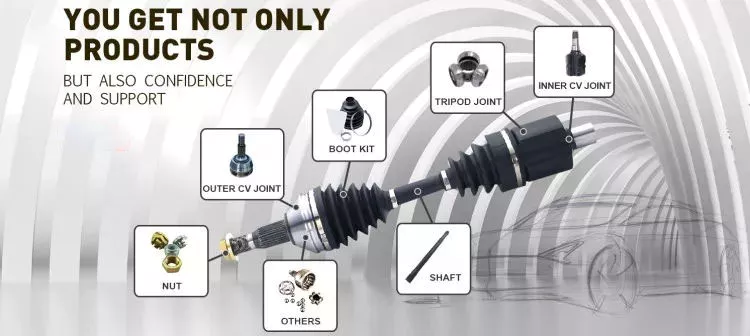
What factors should be considered when selecting the right PTO shaft for an application?
When selecting the right Power Take-Off (PTO) shaft for an application, several factors need to be considered to ensure optimal performance, safety, and compatibility. PTO shafts are crucial components that transmit power from a power source to driven machinery or equipment. Here are the key factors to consider when selecting the appropriate PTO shaft for an application:
1. Power Requirements: The power requirements of the driven machinery play a vital role in determining the appropriate PTO shaft. Consider the horsepower (HP) or kilowatt (kW) rating of the power source and ensure that the PTO shaft can handle the required power transmission. It is essential to match the power capacity of the PTO shaft with the power output of the power source to ensure efficient and reliable operation.
2. Speed and Torque Requirements: Consider the speed and torque requirements of the driven machinery. Determine the desired rotational speed and torque levels necessary for the equipment to operate effectively. Some applications require specific speed or torque ratios, while others may require variable speeds. Ensure that the selected PTO shaft can handle the required speed and torque range to provide the necessary power transfer.
3. Shaft Type and Design: Evaluate the type and design of the PTO shaft to ensure compatibility with the application. Consider factors such as the distance between the power source and the driven machinery, the need for angular misalignment, and the flexibility of movement required. Different shaft types, such as standard, telescopic, or Constant Velocity (CV) shafts, offer varying capabilities to accommodate different application requirements.
4. Safety Considerations: Safety is a critical factor when selecting a PTO shaft. Assess the safety features provided by the PTO shaft, such as protective guards, shear bolt mechanisms, or other safety devices. Protective guards should be in place to prevent accidental contact with the rotating shaft. Shear bolt mechanisms can protect the driveline components from damage in case of excessive torque or sudden resistance. Prioritize safety features that align with the specific hazards and risks associated with the application.
5. Application Specifics: Consider the unique requirements of the application. Factors such as the type of machinery, industry sector, environmental conditions, and operating conditions should be taken into account. For example, agricultural applications may require PTO shafts that can handle debris and dirt accumulation, while industrial applications may require PTO shafts with high corrosion resistance or special sealing to protect against contaminants.
6. Compatibility and Interchangeability: Ensure that the selected PTO shaft is compatible with the power source and the driven machinery. Consider factors such as the shaft diameter, spline size, and connection type. Check if the PTO shaft adheres to industry standards and if it can be easily interchanged with other compatible components in case of replacement or upgrading needs. Compatibility and interchangeability can simplify maintenance and reduce downtime.
7. Manufacturer and Quality: Choose a reputable manufacturer or supplier to ensure the quality and reliability of the PTO shaft. Look for manufacturers with a track record of producing high-quality PTO shafts that meet industry standards and regulations. Consider factors such as warranty, after-sales support, and availability of spare parts when making a selection.
By considering these factors, you can select the right PTO shaft that meets the power, speed, torque, safety, and application requirements. It is advisable to consult with experts, such as equipment manufacturers or PTO shaft specialists, to ensure an optimal match between the PTO shaft and the application.

How do PTO shafts handle variations in load and torque during operation?
PTO (Power Take-Off) shafts are designed to handle variations in load and torque during operation by employing specific mechanisms and features that ensure efficient power transfer and protection against overload conditions. Here’s a detailed explanation of how PTO shafts handle variations in load and torque:
1. Mechanical Design: PTO shafts are engineered with robust mechanical design principles that enable them to handle variations in load and torque. They are typically constructed using high-strength materials such as steel, which provides durability and resistance to bending or twisting forces. The shaft’s diameter, wall thickness, and overall dimensions are carefully calculated to withstand the expected torque levels and load variations. The mechanical design of the PTO shaft ensures that it can transmit power reliably and accommodate the dynamic forces encountered during operation.
2. Universal Joints: Universal joints are a key component of PTO shafts that allow for flexibility and compensation of misalignment between the power source and driven machinery. These joints can accommodate variations in angular alignment, which may occur due to changes in load or movement of the machinery. Universal joints consist of a cross-shaped yoke with needle bearings that allow for smooth rotation and transfer of torque, even when the shafts are not perfectly aligned. The design of universal joints enables PTO shafts to handle variations in load and torque while maintaining consistent power transmission.
3. Ковзні зчеплення: Slip clutches are often incorporated into PTO shafts to provide overload protection. These clutches allow the PTO shaft to slip or disengage momentarily when excessive torque or resistance is encountered. Slip clutches typically consist of friction plates that can be adjusted to a specific torque setting. When the torque surpasses the predetermined limit, the clutch slips, preventing damage to the PTO shaft and connected equipment. Slip clutches are particularly useful when sudden changes in load or torque occur, providing a safety mechanism to protect the PTO shaft and associated machinery.
4. Torque Limiters: Torque limiters are another protective feature found in some PTO shafts. These devices are designed to automatically disengage the power transmission when a predetermined torque threshold is exceeded. Torque limiters can be mechanical, such as shear pin couplings or friction clutches, or electronic, utilizing sensors and control systems. When the torque exceeds the set limit, the torque limiter disengages, preventing further power transfer and protecting the PTO shaft from overload conditions. Torque limiters are effective in handling sudden spikes in torque and safeguarding the PTO shaft and associated equipment.
5. Технічне обслуговування та перевірка: Regular maintenance and inspection of PTO shafts are essential to ensure their proper functioning and ability to handle variations in load and torque. Routine maintenance includes lubrication of universal joints, inspection of shaft integrity, and tightening of fasteners. Regular inspections allow for early detection of wear, misalignment, or other issues that may affect the PTO shaft’s performance. By addressing maintenance and inspection requirements, operators can identify and address any concerns that may arise due to variations in load and torque, ensuring the continued safe and efficient operation of the PTO shaft.
6. Operator Awareness and Control: Operators play a crucial role in managing variations in load and torque during PTO shaft operation. They should be aware of the machinery’s operational limits, including the recommended torque ratings and load capacities of the PTO shaft. Proper training and understanding of the equipment’s capabilities enable operators to make informed decisions and adjust the operation when encountering significant load or torque changes. Operators should also be vigilant in monitoring the equipment’s performance, watching for any signs of excessive vibration, noise, or other indications of potential issues related to load and torque variations.
By incorporating robust mechanical design, utilizing universal joints, slip clutches, torque limiters, and implementing proper maintenance practices, PTO shafts are equipped to handle variations in load and torque during operation. These features ensure reliable power transmission, protect against overload conditions, and contribute to the safe and efficient functioning of the PTO shaft and the machinery it drives.
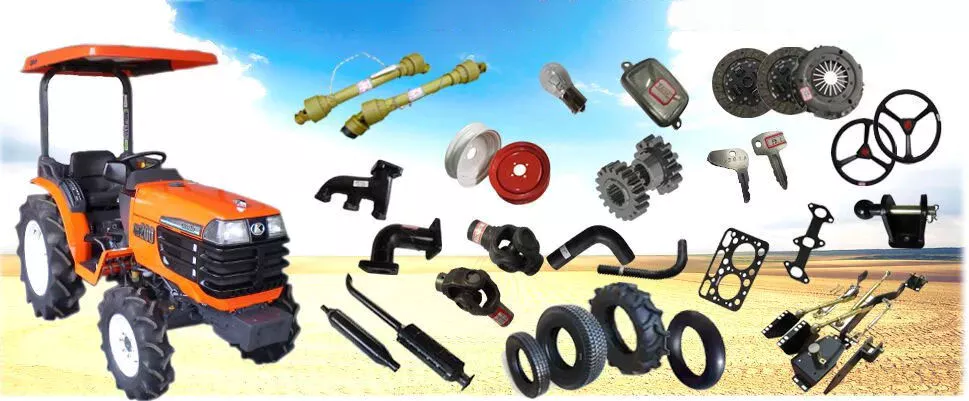
Як вали відбору потужності справляються з коливаннями швидкості та крутного моменту?
Вали відбору потужності (ВВП) призначені для роботи з різною швидкістю та крутним моментом між джерелом живлення (наприклад, трактором або двигуном) та керованою машиною або обладнанням. Вони містять різні механізми та компоненти для забезпечення ефективної передачі потужності, одночасно враховуючи різні вимоги до швидкості та крутного моменту. Ось детальне пояснення того, як ВВП справляються з різною швидкістю та крутним моментом:
1. Системи коробок передач: Вали відбору потужності часто містять системи коробок передач для узгодження вимог до швидкості та крутного моменту між джерелом живлення та приводним обладнанням. Коробки передач дозволяють зменшувати або збільшувати швидкість, а також можуть змінювати напрямок обертання, якщо необхідно. Використовуючи різні передавальні числа, вали відбору потужності можуть адаптувати швидкість обертання та вихідний крутний момент відповідно до конкретних вимог приводного обладнання. Системи коробок передач дозволяють валам відбору потужності забезпечувати необхідну сумісність потужності та швидкості між джерелом живлення та обладнанням, яке вони приводять у рух.
2. Механізми зсувних болтів: Деякі вали відбору потужності, особливо в тих випадках, коли очікуються раптові перевантаження або ударні навантаження, використовують механізми зрізних болтів. Ці механізми призначені для захисту компонентів трансмісії від пошкоджень шляхом відключення валу відбору потужності у разі надмірного крутного моменту або раптового опору. Зрізні болти розроблені таким чином, щоб розриватися при певному порозі крутного моменту, що гарантує відключення валу відбору потужності до того, як компоненти трансмісії зазнають пошкодження. Завдяки використанню механізмів зрізних болтів, вали відбору потужності можуть справлятися з коливаннями вимог до крутного моменту та забезпечувати функцію безпеки для захисту обладнання.
3. Фрикційні муфти: Вали відбору потужності можуть мати системи фрикційних зчеплень для забезпечення плавного вмикання та вимикання передачі потужності. Фрикційні зчеплення використовують механізм з диска та натискної пластини для керування передачею потужності. Оператори можуть поступово вмикати або вимикати передачу потужності, регулюючи тиск на фрикційний диск. Ця функція дозволяє точно контролювати передачу крутного моменту, враховуючи коливання вимог до крутного моменту, мінімізуючи ударні навантаження на компоненти трансмісії. Фрикційні зчеплення зазвичай використовуються в тих випадках, коли плавне вмикання потужності є важливим, наприклад, у гідравлічних насосах, генераторах та промислових змішувачах.
4. Шарніри рівних швидкостей (ШРУС): У випадках, коли ведена машина потребує значного діапазону руху або шарнірного зчленування, вали відбору потужності можуть мати шарніри постійної швидкості (ШРУС). ШРУСи дозволяють валу відбору потужності компенсувати перекіс та кутові коливання, не впливаючи на передачу потужності. Ці шарніри забезпечують плавну та постійну передачу потужності, навіть коли ведена машина знаходиться під кутом відносно джерела живлення. ШРУСи зазвичай використовуються в таких пристроях, як шарнірні навантажувачі, телескопічні навантажувачі та самохідні обприскувачі, де техніка потребує гнучкості та широкого діапазону руху.
5. Телескопічні конструкції: Деякі вали відбору потужності мають телескопічні конструкції, що дозволяють регулювати довжину. Ці вали складаються з двох або більше концентричних валів, які ковзають один в одному, забезпечуючи можливість висування або втягування вала відбору потужності за потреби. Телескопічні конструкції враховують зміни відстані між джерелом живлення та приводним механізмом. Регулюючи довжину вала відбору потужності, оператори можуть забезпечити належну передачу потужності без ризику того, що вал буде волочитися по землі або буде занадто коротким, щоб дістатися до обладнання. Телескопічні вали відбору потужності зазвичай використовуються в тих випадках, коли відстань між джерелом живлення та знаряддям змінюється, наприклад, у фронтально навісному знарядді, снігоприбирачах та самозавантажувальних причепах.
Завдяки поєднанню цих механізмів та конструкцій, вали відбору потужності можуть ефективно справлятися з коливаннями швидкості та крутного моменту. Вони забезпечують необхідну гнучкість, безпеку та контроль для забезпечення ефективної передачі потужності між джерелом живлення та приводним механізмом. Вали відбору потужності відіграють вирішальну роль в адаптації потужності для задоволення конкретних потреб різного обладнання та застосувань.


editor by CX 2024-05-02

























