คำอธิบายผลิตภัณฑ์
คำอธิบายผลิตภัณฑ์
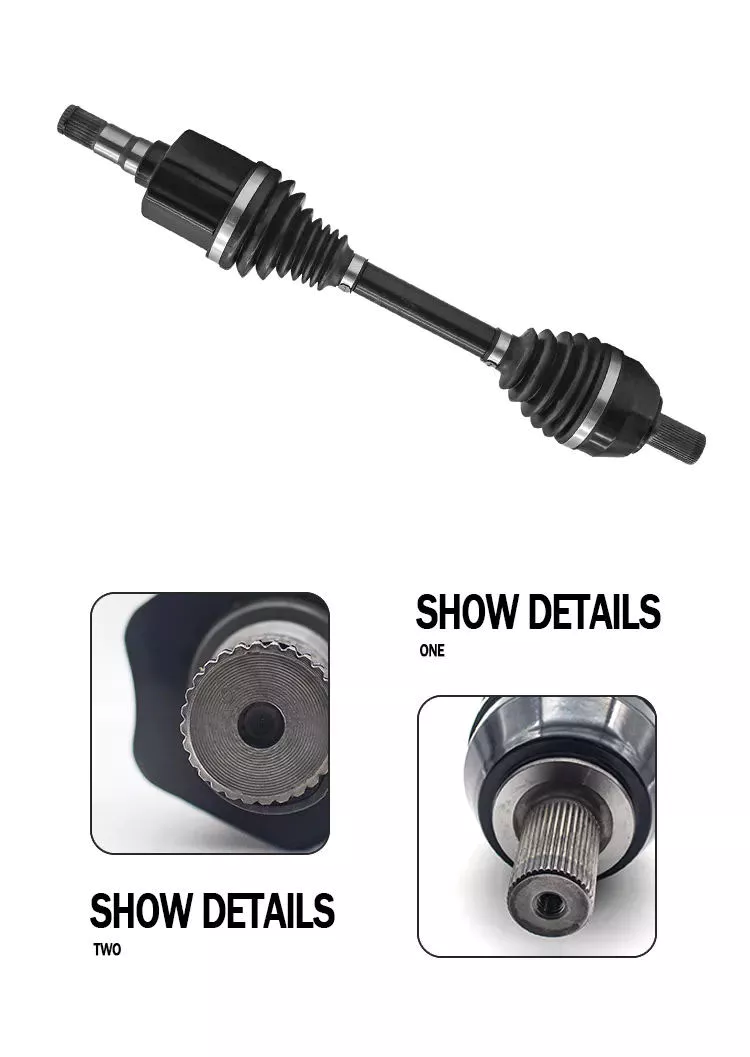
เพลาส่งกำลัง (PTO) รุ่น Weasler 44 เป็นระบบเพลาส่งกำลังแบบพิเศษที่ใช้กันอย่างแพร่หลายในเครน รถขุด และอุปกรณ์อุตสาหกรรมอื่นๆ ผลิตจากเหล็กอัลลอยคุณภาพสูง ผ่านกระบวนการผลิตและการอบชุบความร้อนอย่างละเอียด เพื่อให้มั่นใจถึงความทนทานและความน่าเชื่อถือที่ยอดเยี่ยม
พารามิเตอร์ผลิตภัณฑ์
ระบบขับเคลื่อน
| เพลา | แอกรถแทรกเตอร์ | โดยรวมถูกบีบอัด ขนาดความยาว “A” | ความยาวสูงสุด | |
| 14004448 | 1 5/16″ | 1 3/8″ × 6 Spl. QD | 48″ | 72″ |
| 14004460 | 1 5/16″ | 1 3/8″ × 6 Spl. QD | 60″ | 96″ |
| 14044448 | 1 11/16″ × 20 Spl. | 1 3/8″ × 6 Spl. QD | 48″ | 72″ |
ผลิตภัณฑ์ที่เกี่ยวข้อง
|
ชุดข้อต่อไขว้/ข้อต่ออเนกประสงค์
|
หลอด
|
แผ่นป้องกันเพลา
|
แอก
|
|
ตัวจำกัดแรงบิด
|
เพลา PTO, อะแดปเตอร์ และดุม |
ข้อต่ออเนกประสงค์
|
ข้อต่อมุมกว้าง
|
ข้อมูลบริษัท
ในฐานะผู้ผลิตเพลา PTO ของจีน เรามีข้อได้เปรียบดังต่อไปนี้:
- ผลิตภัณฑ์คุณภาพสูง: เราใช้เทคโนโลยีและวัสดุที่ทันสมัยที่สุดเพื่อให้มั่นใจว่าเพลา PTO ที่เราผลิตมีคุณภาพและความทนทานเป็นเลิศ
- กลุ่มผลิตภัณฑ์ที่ครอบคลุม: เพลา PTO ของเรามีหลากหลายประเภทและขนาด เพื่อตอบสนองความต้องการของลูกค้าที่แตกต่างกัน
- บริการที่ปรับแต่งตามความต้องการ: เราสามารถผลิตเพลา PTO แบบกำหนดเองได้ตามความต้องการเฉพาะของลูกค้า เพื่อให้มั่นใจได้ว่าความต้องการของลูกค้าจะได้รับการตอบสนอง
- จัดส่งรวดเร็ว: สายการผลิตของเราดำเนินงานอย่างมีประสิทธิภาพและสามารถตอบสนองความต้องการของลูกค้าได้อย่างรวดเร็ว ทำให้มั่นใจได้ว่าผลิตภัณฑ์เพลา PTO จะถูกจัดส่งอย่างรวดเร็ว
- บริการสนับสนุนทางเทคนิคจากผู้เชี่ยวชาญ: เรามีทีมงานด้านเทคนิคผู้เชี่ยวชาญที่สามารถให้การสนับสนุนทางเทคนิคและบริการให้คำปรึกษาต่างๆ แก่ลูกค้า เพื่อให้มั่นใจว่าลูกค้าจะได้รับโซลูชันที่ดีที่สุด
ยินดีต้อนรับสู่โรงงานผลิตเพลา PTO ของเราในประเทศจีน เราเป็นหนึ่งในผู้ผลิตเพลา PTO รายใหญ่ที่สุดของจีน โดยมุ่งเน้นการจัดหาเพลา PTO คุณภาพสูงและประสิทธิภาพสูงให้แก่ลูกค้า เราเป็นผู้ผลิตที่มีประสบการณ์และทุ่มเทในการผลิตเพลา PTO คุณภาพสูงเพื่อช่วยให้ลูกค้าประสบความสำเร็จในโครงการต่างๆ
เรามุ่งมั่นที่จะใช้เทคโนโลยีและอุปกรณ์ที่ทันสมัยที่สุดเพื่อให้มั่นใจว่าเพลา PTO ที่เราผลิตมีคุณภาพและความน่าเชื่อถือที่ยอดเยี่ยม เพื่อให้ลูกค้าได้รับประสิทธิภาพและอายุการใช้งานที่ดีที่สุด ทีมงานของเราประกอบด้วยผู้เชี่ยวชาญที่มีประสบการณ์ ซึ่งสามารถปรับแต่งเพลา PTO ให้ตรงกับความต้องการของลูกค้าเพื่อให้ตรงตามข้อกำหนดเฉพาะของพวกเขาได้อย่างดีที่สุด
นอกจากนี้ โรงงานของเรายังมีระบบการจัดการคุณภาพที่เข้มงวด เพื่อให้มั่นใจว่าเพลา PTO ทุกชิ้นเป็นไปตามมาตรฐานอุตสาหกรรมและผ่านการทดสอบคุณภาพที่จำเป็นทั้งหมด เรามีบริการหลังการขายชั้นเลิศและจะพยายามอย่างเต็มที่เพื่อให้ลูกค้าพึงพอใจ
เราหวังเป็นอย่างยิ่งที่จะได้ร่วมงานกับคุณและผลิตเพลา PTO คุณภาพสูงเพื่อช่วยให้โครงการของคุณประสบความสำเร็จมากยิ่งขึ้น หากคุณมีคำถามใดๆ เกี่ยวกับโรงงานของเรา โปรดติดต่อเราได้เลย
/* 22 มกราคม 2571 19:08:37 */!function(){function s(e,r){var a,o={};try{e&&e.split(“,”).forEach(function(e,t){e&&(a=e.match(/(.*?):(.*)$/))&&1
| วัสดุ: | เหล็กกล้าคาร์บอน |
|---|---|
| กำลังโหลด: | เพลาขับ |
| ความแข็งและความยืดหยุ่น: | ความแข็ง / เพลาแข็ง |
| ความแม่นยำเชิงมิติของเส้นผ่านศูนย์กลางวารสาร: | IT6-IT9 |
| รูปร่างแกน: | เพลาตรง |
| รูปทรงของเพลา: | แกนจริง |
| ตัวอย่าง: |
US$ 9999/ชิ้น
1 ชิ้น (สั่งขั้นต่ำ) | |
|---|
How do manufacturers ensure the compatibility of PTO shafts with different equipment?
Manufacturers employ various measures to ensure the compatibility of PTO (Power Take-Off) shafts with different equipment. Compatibility is crucial to ensure that PTO shafts can effectively transfer power from the power source to the driven machinery without compromising performance, safety, or ease of use. Here’s a detailed explanation of how manufacturers ensure compatibility:
1. การกำหนดมาตรฐาน: PTO shafts are designed and manufactured based on standardized specifications. These specifications outline the essential parameters such as shaft dimensions, spline sizes, torque ratings, and safety requirements. By adhering to standardized designs, manufacturers ensure that PTO shafts are compatible with a wide range of equipment that meets the same standards. Standardization allows for interchangeability, meaning that PTO shafts from one manufacturer can be used with equipment from another manufacturer as long as they conform to the same specifications.
2. Collaboration with Equipment Manufacturers: PTO shaft manufacturers often collaborate closely with equipment manufacturers to ensure compatibility. They work together to understand the specific requirements of the equipment and design PTO shafts that seamlessly integrate with the machinery. This collaboration may involve sharing technical specifications, conducting joint testing, and exchanging feedback. By working in partnership, manufacturers can address any compatibility issues early in the design and development process, resulting in PTO shafts that are tailored to the equipment’s needs.
3. ตัวเลือกการปรับแต่ง: PTO shaft manufacturers offer customization options to accommodate different equipment configurations. They provide flexibility in terms of shaft length, spline sizes, yoke designs, and coupling mechanisms. Equipment manufacturers can specify the required parameters, and the PTO shafts can be customized accordingly. This ensures that the PTO shafts precisely match the equipment’s power input/output requirements and connection methods, guaranteeing compatibility and efficient power transfer.
4. Testing and Validation: Manufacturers conduct rigorous testing and validation processes to ensure the compatibility and performance of PTO shafts. They subject the shafts to various tests, including torque testing, rotational speed testing, and durability testing. These tests verify that the PTO shafts can handle the expected power loads and operating conditions without failure. By validating the performance of the PTO shafts, manufacturers can ensure that they are compatible with a wide range of equipment and can reliably transfer power under different operating scenarios.
5. Compliance with Industry Standards: PTO shaft manufacturers adhere to industry standards and regulations to ensure compatibility. Organizations such as the American Society of Agricultural and Biological Engineers (ASABE) establish safety and performance standards for PTO shafts. Manufacturers design and produce their shafts in accordance with these standards, ensuring that their products meet the necessary requirements for compatibility and safety. Compliance with industry standards provides assurance to equipment manufacturers and end-users that the PTO shafts are compatible and suitable for use with different equipment.
6. Documentation and Guidelines: Manufacturers provide comprehensive documentation and guidelines to assist equipment manufacturers and end-users in ensuring compatibility. This documentation includes technical specifications, installation instructions, maintenance guidelines, and safety recommendations. The documentation helps equipment manufacturers select the appropriate PTO shaft for their equipment and provides guidance on proper installation and use. By following the manufacturer’s guidelines, equipment manufacturers can ensure compatibility and optimize the performance of the PTO shafts.
7. การวิจัยและพัฒนาอย่างต่อเนื่อง: PTO shaft manufacturers continuously invest in research and development to enhance compatibility with different equipment. They stay updated with industry trends, technological advancements, and evolving equipment requirements. This ongoing research and development enable manufacturers to improve the design, materials, and features of PTO shafts, ensuring compatibility with the latest equipment innovations and addressing any compatibility challenges that may arise.
By employing standardization, collaborating with equipment manufacturers, offering customization options, conducting thorough testing, complying with industry standards, providing documentation and guidelines, and investing in research and development, manufacturers ensure the compatibility of PTO shafts with different equipment. This compatibility allows for seamless integration, efficient power transfer, and optimal performance across a wide range of machinery and equipment in various industries.

How do PTO shafts handle variations in load and torque during operation?
PTO (Power Take-Off) shafts are designed to handle variations in load and torque during operation by employing specific mechanisms and features that ensure efficient power transfer and protection against overload conditions. Here’s a detailed explanation of how PTO shafts handle variations in load and torque:
1. Mechanical Design: PTO shafts are engineered with robust mechanical design principles that enable them to handle variations in load and torque. They are typically constructed using high-strength materials such as steel, which provides durability and resistance to bending or twisting forces. The shaft’s diameter, wall thickness, and overall dimensions are carefully calculated to withstand the expected torque levels and load variations. The mechanical design of the PTO shaft ensures that it can transmit power reliably and accommodate the dynamic forces encountered during operation.
2. Universal Joints: Universal joints are a key component of PTO shafts that allow for flexibility and compensation of misalignment between the power source and driven machinery. These joints can accommodate variations in angular alignment, which may occur due to changes in load or movement of the machinery. Universal joints consist of a cross-shaped yoke with needle bearings that allow for smooth rotation and transfer of torque, even when the shafts are not perfectly aligned. The design of universal joints enables PTO shafts to handle variations in load and torque while maintaining consistent power transmission.
3. Slip Clutches: Slip clutches are often incorporated into PTO shafts to provide overload protection. These clutches allow the PTO shaft to slip or disengage momentarily when excessive torque or resistance is encountered. Slip clutches typically consist of friction plates that can be adjusted to a specific torque setting. When the torque surpasses the predetermined limit, the clutch slips, preventing damage to the PTO shaft and connected equipment. Slip clutches are particularly useful when sudden changes in load or torque occur, providing a safety mechanism to protect the PTO shaft and associated machinery.
4. Torque Limiters: Torque limiters are another protective feature found in some PTO shafts. These devices are designed to automatically disengage the power transmission when a predetermined torque threshold is exceeded. Torque limiters can be mechanical, such as shear pin couplings or friction clutches, or electronic, utilizing sensors and control systems. When the torque exceeds the set limit, the torque limiter disengages, preventing further power transfer and protecting the PTO shaft from overload conditions. Torque limiters are effective in handling sudden spikes in torque and safeguarding the PTO shaft and associated equipment.
5. Maintenance and Inspection: Regular maintenance and inspection of PTO shafts are essential to ensure their proper functioning and ability to handle variations in load and torque. Routine maintenance includes lubrication of universal joints, inspection of shaft integrity, and tightening of fasteners. Regular inspections allow for early detection of wear, misalignment, or other issues that may affect the PTO shaft’s performance. By addressing maintenance and inspection requirements, operators can identify and address any concerns that may arise due to variations in load and torque, ensuring the continued safe and efficient operation of the PTO shaft.
6. Operator Awareness and Control: Operators play a crucial role in managing variations in load and torque during PTO shaft operation. They should be aware of the machinery’s operational limits, including the recommended torque ratings and load capacities of the PTO shaft. Proper training and understanding of the equipment’s capabilities enable operators to make informed decisions and adjust the operation when encountering significant load or torque changes. Operators should also be vigilant in monitoring the equipment’s performance, watching for any signs of excessive vibration, noise, or other indications of potential issues related to load and torque variations.
By incorporating robust mechanical design, utilizing universal joints, slip clutches, torque limiters, and implementing proper maintenance practices, PTO shafts are equipped to handle variations in load and torque during operation. These features ensure reliable power transmission, protect against overload conditions, and contribute to the safe and efficient functioning of the PTO shaft and the machinery it drives.

เพลา PTO มีประโยชน์อย่างไรบ้างสำหรับเครื่องจักรประเภทต่างๆ?
เพลา PTO (Power Take-Off shafts) มีข้อดีหลายประการสำหรับเครื่องจักรประเภทต่างๆ ในงานเกษตรกรรมและอุตสาหกรรม ช่วยให้การส่งกำลังมีความยืดหยุ่นและมีประสิทธิภาพ ทำให้เครื่องจักรสามารถทำงานและหน้าที่เฉพาะเจาะจงได้ ต่อไปนี้คือคำอธิบายโดยละเอียดเกี่ยวกับข้อดีของเพลา PTO สำหรับเครื่องจักรประเภทต่างๆ:
ความอเนกประสงค์: เพลา PTO ช่วยเพิ่มความอเนกประสงค์ของเครื่องจักรโดยทำให้สามารถใช้แหล่งพลังงานเดียวกัน เช่น รถแทรกเตอร์หรือเครื่องยนต์ ในการขับเคลื่อนอุปกรณ์หรือเครื่องจักรหลายอย่างได้ หมายความว่าสามารถใช้แหล่งพลังงานเดียวในการขับเคลื่อนอุปกรณ์หรือเครื่องจักรหลายชนิดได้โดยการเชื่อมต่อและถอดเพลา PTO ตัวอย่างเช่น ในภาคเกษตรกรรม รถแทรกเตอร์ที่ติดตั้งเพลา PTO สามารถขับเคลื่อนอุปกรณ์ต่างๆ เช่น เครื่องตัดหญ้า เครื่องอัดฟาง เครื่องไถพรวน เครื่องพ่นสารเคมี และเครื่องลำเลียงเมล็ดพืช ในทำนองเดียวกัน ในการใช้งานทางอุตสาหกรรม เพลา PTO ช่วยให้สามารถใช้เครื่องยนต์หรือมอเตอร์เพียงเครื่องเดียวในการขับเคลื่อนเครื่องจักรหรืออุปกรณ์ต่างๆ เช่น เครื่องกำเนิดไฟฟ้า ปั๊ม คอมเพรสเซอร์ และเครื่องผสมอุตสาหกรรม
ประสิทธิภาพ: เพลา PTO เป็นวิธีการส่งกำลังจากแหล่งพลังงานไปยังเครื่องจักรที่มีประสิทธิภาพ โดยการเชื่อมต่อแหล่งพลังงานเข้ากับเครื่องจักรโดยตรง เพลา PTO ช่วยลดการสูญเสียพลังงานที่อาจเกิดขึ้นกับวิธีการส่งกำลังแบบอื่น การส่งกำลังโดยตรงนี้ส่งผลให้ประสิทธิภาพและสมรรถนะโดยรวมของเครื่องจักรดีขึ้น นอกจากนี้ เพลา PTO ยังช่วยให้สามารถปรับความเร็วรอบและกำลังส่งออกให้ตรงกับความต้องการของเครื่องจักรเฉพาะ ทำให้มั่นใจได้ถึงการทำงานที่เหมาะสมที่สุดและลดการใช้พลังงานที่ไม่จำเป็น
การประหยัดต้นทุน: การใช้เพลา PTO สามารถช่วยประหยัดต้นทุนได้หลายวิธี ประการแรก การใช้แหล่งพลังงานเดียวในการขับเคลื่อนเครื่องจักรหรืออุปกรณ์หลายชิ้น ช่วยลดความจำเป็นในการใช้เครื่องยนต์หรือมอเตอร์แยกต่างหากสำหรับอุปกรณ์แต่ละชิ้น ซึ่งช่วยลดต้นทุนการลงทุน ประการที่สอง เพลา PTO ช่วยลดความจำเป็นในการใช้เชื้อเพลิงหรือแหล่งพลังงานเพิ่มเติม เนื่องจากสามารถดึงพลังงานจากแหล่งพลังงานที่มีอยู่แล้ว ทำให้ค่าใช้จ่ายด้านเชื้อเพลิงหรือพลังงานลดลง นอกจากนี้ ความอเนกประสงค์ของเพลา PTO ยังช่วยให้สามารถใช้งานอุปกรณ์ได้อย่างมีประสิทธิภาพมากขึ้น ส่งผลให้ผลตอบแทนจากการลงทุนสูงสุด
ความยืดหยุ่น: เพลา PTO ให้ความยืดหยุ่นในการติดตั้งและกำหนดค่าอุปกรณ์ สามารถปรับความยาวหรือติดตั้งส่วนยืดหดได้ ทำให้ปรับให้เข้ากับการจัดวางอุปกรณ์ที่แตกต่างกันและระยะห่างระหว่างแหล่งพลังงานและเครื่องจักรที่ขับเคลื่อนได้ง่าย ความยืดหยุ่นนี้ช่วยให้ผู้ใช้งานสามารถเชื่อมต่อและถอดเพลา PTO ได้อย่างรวดเร็วตามต้องการ ช่วยให้การเปลี่ยนอุปกรณ์มีประสิทธิภาพและลดเวลาหยุดทำงาน นอกจากนี้ ความสามารถในการปรับความเร็วรอบและกำลังส่งของเพลา PTO ยังเพิ่มความยืดหยุ่นยิ่งขึ้น รองรับความต้องการเฉพาะของเครื่องจักรและการใช้งานที่แตกต่างกัน
ใช้งานง่าย: เพลา PTO นั้นใช้งานค่อนข้างง่าย ทำให้ผู้ปฏิบัติงานที่มีการฝึกอบรมน้อยก็สามารถใช้งานได้ กระบวนการเชื่อมต่อและถอดเพลา PTO นั้นตรงไปตรงมา โดยส่วนใหญ่มักใช้กลไกการเชื่อมต่อหรือการล็อคแบบง่ายๆ ความง่ายในการใช้งานนี้ช่วยเพิ่มประสิทธิภาพการทำงานของอุปกรณ์ ทำให้ผู้ปฏิบัติงานสามารถสลับระหว่างอุปกรณ์หรือเครื่องจักรต่างๆ ได้อย่างรวดเร็วโดยไม่ต้องใช้ความพยายามหรือขั้นตอนที่ยุ่งยาก นอกจากนี้ การส่งกำลังโดยตรงผ่านเพลา PTO ยังช่วยลดความซับซ้อนในการทำงานของเครื่องจักร เนื่องจากเครื่องจักรสามารถใช้พลังงานจากแหล่งพลังงานที่มีอยู่แล้วได้โดยไม่จำเป็นต้องมีระบบควบคุมหรือระบบจัดการพลังงานเพิ่มเติม
เพิ่มประสิทธิภาพการทำงาน: เพลา PTO ช่วยเพิ่มผลผลิตในภาคเกษตรกรรมและอุตสาหกรรม ด้วยการทำให้สามารถใช้เครื่องจักรที่มีการกำหนดค่าที่หลากหลาย ผู้ปฏิบัติงานสามารถทำงานได้หลากหลายโดยใช้แหล่งพลังงานเพียงแหล่งเดียว ซึ่งช่วยลดความจำเป็นในการใช้แรงงานคนหรือเครื่องจักรหลายเครื่อง ทำให้ขั้นตอนการทำงานคล่องตัวขึ้นและลดเวลาที่ใช้ในการทำงานต่างๆ ประสิทธิภาพและความน่าเชื่อถือของการส่งกำลังผ่านเพลา PTO ยังช่วยเพิ่มผลผลิตโดยการรับประกันการทำงานของเครื่องจักรที่สม่ำเสมอและมีประสิทธิภาพ ส่งผลให้ผลผลิตเพิ่มขึ้นและลดเวลาหยุดทำงาน
ความปลอดภัย: แม้ว่าจะไม่เกี่ยวข้องโดยตรงกับประสิทธิภาพของเครื่องจักร แต่เพลา PTO ก็มีประโยชน์ด้านความปลอดภัยเช่นกัน การติดตั้งแผ่นป้องกันหรือตัวครอบบนเพลา PTO ช่วยป้องกันการสัมผัสโดยไม่ตั้งใจกับเพลาหมุน ลดความเสี่ยงต่อการบาดเจ็บของผู้ปฏิบัติงาน คุณสมบัติความปลอดภัยเหล่านี้ได้รับการออกแบบมาเพื่อครอบคลุมเพลาหมุนและข้อต่ออเนกประสงค์ เพื่อให้แน่ใจว่าผู้ปฏิบัติงานจะไม่สัมผัสกับชิ้นส่วนเหล่านั้นในระหว่างการทำงาน การฝึกอบรมที่เหมาะสมเกี่ยวกับการใช้งานเพลา PTO และการปฏิบัติตามแนวทางด้านความปลอดภัยจะช่วยเพิ่มความปลอดภัยของผู้ปฏิบัติงานเมื่อทำงานกับเครื่องจักรที่ขับเคลื่อนด้วย PTO
โดยสรุปแล้ว เพลา PTO มีข้อดีมากมายสำหรับเครื่องจักรประเภทต่างๆ ข้อดีเหล่านี้ได้แก่ ความอเนกประสงค์ที่เพิ่มขึ้น ประสิทธิภาพที่ดีขึ้น การประหยัดต้นทุน ความยืดหยุ่นในการกำหนดค่าอุปกรณ์ ความง่ายในการใช้งาน ผลผลิตที่เพิ่มขึ้น และความปลอดภัยของผู้ปฏิบัติงานที่ดียิ่งขึ้น เพลา PTO มีบทบาทสำคัญในงานเกษตรกรรมและอุตสาหกรรม โดยช่วยให้สามารถถ่ายโอนกำลังโดยตรงจากแหล่งพลังงานทั่วไปไปยังเครื่องจักรหรืออุปกรณ์ต่างๆ ส่งผลให้ประสิทธิภาพและประสิทธิผลในการใช้งานดีขึ้น


editor by CX 2024-03-10