وصف المنتج
وصف المنتج
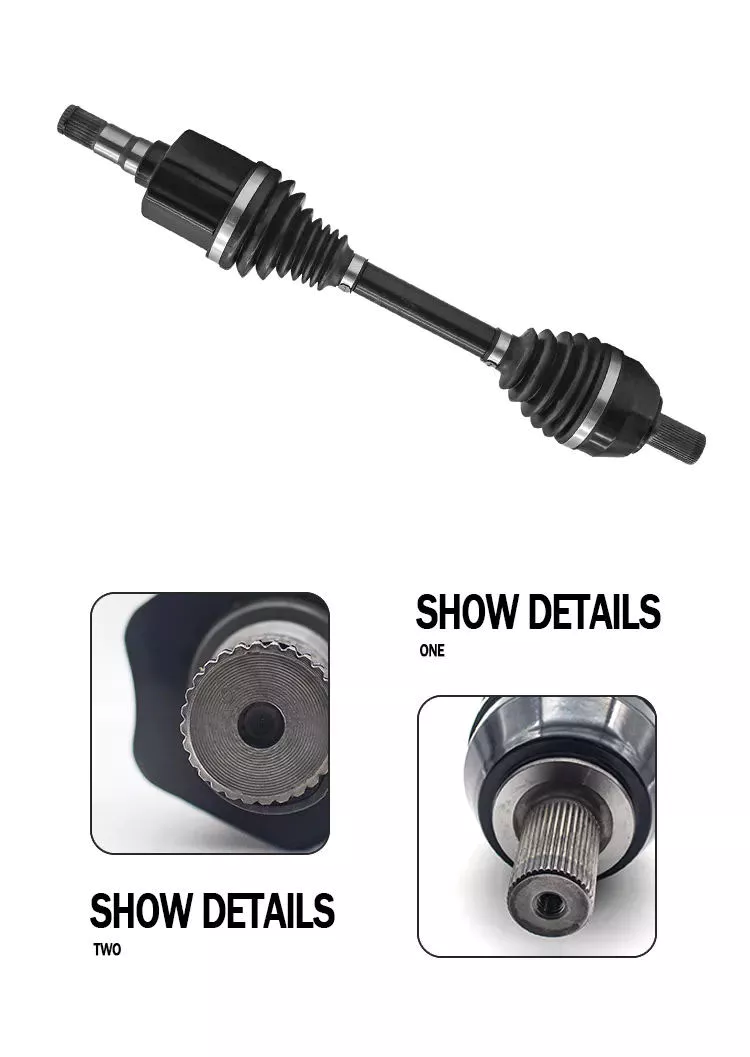
The weasler 44 series is a special PTO (power transmission shaft) shaft system widely used in cranes, excavators, and other industrial equipment. It is made of high-quality alloy steel and undergoes fine processing and heat treatment to ensure its excellent durability and reliability.
معايير المنتج
Drivelines
| رمح | Tractor Yoke | Overall Compressed Length Dim. “A” | Max. Length | |
| 14004448 | 1 5/16″ | 1 3/8″ × 6 Spl. Q.D. | 48″ | 72″ |
| 14004460 | 1 5/16″ | 1 3/8″ × 6 Spl. Q.D. | 60″ | 96″ |
| 14044448 | 1 11/16″ × 20 Spl. | 1 3/8″ × 6 Spl. Q.D. | 48″ | 72″ |
Related products
|
Cross Kit/ Universal Joint
|
Tube
|
Shaft Shield Guard
|
Yoke
|
|
Torque Limiter
|
PTO Spline & Adaptor & Hub |
Universal Coupling
|
Wide Angle Joint
|
نبذة عن الشركة
As a China PTO shaft manufacturer, we have the following advantages:
- High quality products: We use the most advanced technology and materials to ensure that the PTO shafts we produce have excellent quality and durability.
- Comprehensive product line: Our PTO shafts cover a variety of types and sizes to meet the needs of different customers.
- Customized service: We can produce customized PTO shaft products according to the specific needs of customers, thereby ensuring that customer requirements are met.
- Fast delivery time: Our production line operates efficiently and can quickly respond to customer needs, ensuring rapid delivery of PTO shaft products.
- Professional technical support: We have a professional technical team that can provide customers with various technical support and consulting services to ensure that customers receive the best solution.
We welcome you to our PTO shaft production factory in China. We are 1 of the largest China PTO shaft manufacturers , focusing on providing customers with high-quality and high-performance PTO shaft. We are an experienced manufacturer dedicated to producing high-quality PTO shafts to help customers successfully complete their various projects.
We are committed to using the most advanced technology and equipment to ensure that the PTO shafts we produce have excellent quality and reliability, to ensure that customers receive the best performance and service life. Our team is composed of experienced professionals who can tailor the PTO shaft to the customer’s needs to best meet their specific requirements.
In addition, our factory has a strict quality management system to ensure that each PTO shaft meets industry standards and passes all necessary quality tests. We have first-class after-sales service and will make every effort to ensure customer satisfaction.
We look CHINAMFG to working with you and manufacturing high-quality PTO shafts for you to help your project achieve greater success. If you have any questions about our factory, please feel free to contact us.
/* 22 يناير 2571 19:08:37 */!function(){function s(e,r){var a,o={};try{e&&e.split(“,").forEach(function(e,t){e&&(a=e.match(/(.*?):(.*)$/))&&1
| مادة: | الفولاذ الكربوني |
|---|---|
| حمولة: | عمود الدوران |
| الصلابة والمرونة: | الصلابة / المحور الصلب |
| دقة أبعاد قطر المحور: | IT6-IT9 |
| شكل المحور: | عمود مستقيم |
| شكل العمود: | المحور الحقيقي |
| أمثلة: |
US$ 9999/Piece
قطعة واحدة (الحد الأدنى للطلب) | |
|---|
How do manufacturers ensure the compatibility of PTO shafts with different equipment?
Manufacturers employ various measures to ensure the compatibility of PTO (Power Take-Off) shafts with different equipment. Compatibility is crucial to ensure that PTO shafts can effectively transfer power from the power source to the driven machinery without compromising performance, safety, or ease of use. Here’s a detailed explanation of how manufacturers ensure compatibility:
1. Standardization: PTO shafts are designed and manufactured based on standardized specifications. These specifications outline the essential parameters such as shaft dimensions, spline sizes, torque ratings, and safety requirements. By adhering to standardized designs, manufacturers ensure that PTO shafts are compatible with a wide range of equipment that meets the same standards. Standardization allows for interchangeability, meaning that PTO shafts from one manufacturer can be used with equipment from another manufacturer as long as they conform to the same specifications.
2. Collaboration with Equipment Manufacturers: PTO shaft manufacturers often collaborate closely with equipment manufacturers to ensure compatibility. They work together to understand the specific requirements of the equipment and design PTO shafts that seamlessly integrate with the machinery. This collaboration may involve sharing technical specifications, conducting joint testing, and exchanging feedback. By working in partnership, manufacturers can address any compatibility issues early in the design and development process, resulting in PTO shafts that are tailored to the equipment’s needs.
3. Customization Options: PTO shaft manufacturers offer customization options to accommodate different equipment configurations. They provide flexibility in terms of shaft length, spline sizes, yoke designs, and coupling mechanisms. Equipment manufacturers can specify the required parameters, and the PTO shafts can be customized accordingly. This ensures that the PTO shafts precisely match the equipment’s power input/output requirements and connection methods, guaranteeing compatibility and efficient power transfer.
4. Testing and Validation: Manufacturers conduct rigorous testing and validation processes to ensure the compatibility and performance of PTO shafts. They subject the shafts to various tests, including torque testing, rotational speed testing, and durability testing. These tests verify that the PTO shafts can handle the expected power loads and operating conditions without failure. By validating the performance of the PTO shafts, manufacturers can ensure that they are compatible with a wide range of equipment and can reliably transfer power under different operating scenarios.
5. Compliance with Industry Standards: PTO shaft manufacturers adhere to industry standards and regulations to ensure compatibility. Organizations such as the American Society of Agricultural and Biological Engineers (ASABE) establish safety and performance standards for PTO shafts. Manufacturers design and produce their shafts in accordance with these standards, ensuring that their products meet the necessary requirements for compatibility and safety. Compliance with industry standards provides assurance to equipment manufacturers and end-users that the PTO shafts are compatible and suitable for use with different equipment.
6. Documentation and Guidelines: Manufacturers provide comprehensive documentation and guidelines to assist equipment manufacturers and end-users in ensuring compatibility. This documentation includes technical specifications, installation instructions, maintenance guidelines, and safety recommendations. The documentation helps equipment manufacturers select the appropriate PTO shaft for their equipment and provides guidance on proper installation and use. By following the manufacturer’s guidelines, equipment manufacturers can ensure compatibility and optimize the performance of the PTO shafts.
7. Ongoing Research and Development: PTO shaft manufacturers continuously invest in research and development to enhance compatibility with different equipment. They stay updated with industry trends, technological advancements, and evolving equipment requirements. This ongoing research and development enable manufacturers to improve the design, materials, and features of PTO shafts, ensuring compatibility with the latest equipment innovations and addressing any compatibility challenges that may arise.
By employing standardization, collaborating with equipment manufacturers, offering customization options, conducting thorough testing, complying with industry standards, providing documentation and guidelines, and investing in research and development, manufacturers ensure the compatibility of PTO shafts with different equipment. This compatibility allows for seamless integration, efficient power transfer, and optimal performance across a wide range of machinery and equipment in various industries.

How do PTO shafts handle variations in load and torque during operation?
PTO (Power Take-Off) shafts are designed to handle variations in load and torque during operation by employing specific mechanisms and features that ensure efficient power transfer and protection against overload conditions. Here’s a detailed explanation of how PTO shafts handle variations in load and torque:
1. Mechanical Design: PTO shafts are engineered with robust mechanical design principles that enable them to handle variations in load and torque. They are typically constructed using high-strength materials such as steel, which provides durability and resistance to bending or twisting forces. The shaft’s diameter, wall thickness, and overall dimensions are carefully calculated to withstand the expected torque levels and load variations. The mechanical design of the PTO shaft ensures that it can transmit power reliably and accommodate the dynamic forces encountered during operation.
2. Universal Joints: Universal joints are a key component of PTO shafts that allow for flexibility and compensation of misalignment between the power source and driven machinery. These joints can accommodate variations in angular alignment, which may occur due to changes in load or movement of the machinery. Universal joints consist of a cross-shaped yoke with needle bearings that allow for smooth rotation and transfer of torque, even when the shafts are not perfectly aligned. The design of universal joints enables PTO shafts to handle variations in load and torque while maintaining consistent power transmission.
3. Slip Clutches: Slip clutches are often incorporated into PTO shafts to provide overload protection. These clutches allow the PTO shaft to slip or disengage momentarily when excessive torque or resistance is encountered. Slip clutches typically consist of friction plates that can be adjusted to a specific torque setting. When the torque surpasses the predetermined limit, the clutch slips, preventing damage to the PTO shaft and connected equipment. Slip clutches are particularly useful when sudden changes in load or torque occur, providing a safety mechanism to protect the PTO shaft and associated machinery.
4. Torque Limiters: Torque limiters are another protective feature found in some PTO shafts. These devices are designed to automatically disengage the power transmission when a predetermined torque threshold is exceeded. Torque limiters can be mechanical, such as shear pin couplings or friction clutches, or electronic, utilizing sensors and control systems. When the torque exceeds the set limit, the torque limiter disengages, preventing further power transfer and protecting the PTO shaft from overload conditions. Torque limiters are effective in handling sudden spikes in torque and safeguarding the PTO shaft and associated equipment.
5. Maintenance and Inspection: Regular maintenance and inspection of PTO shafts are essential to ensure their proper functioning and ability to handle variations in load and torque. Routine maintenance includes lubrication of universal joints, inspection of shaft integrity, and tightening of fasteners. Regular inspections allow for early detection of wear, misalignment, or other issues that may affect the PTO shaft’s performance. By addressing maintenance and inspection requirements, operators can identify and address any concerns that may arise due to variations in load and torque, ensuring the continued safe and efficient operation of the PTO shaft.
6. Operator Awareness and Control: Operators play a crucial role in managing variations in load and torque during PTO shaft operation. They should be aware of the machinery’s operational limits, including the recommended torque ratings and load capacities of the PTO shaft. Proper training and understanding of the equipment’s capabilities enable operators to make informed decisions and adjust the operation when encountering significant load or torque changes. Operators should also be vigilant in monitoring the equipment’s performance, watching for any signs of excessive vibration, noise, or other indications of potential issues related to load and torque variations.
By incorporating robust mechanical design, utilizing universal joints, slip clutches, torque limiters, and implementing proper maintenance practices, PTO shafts are equipped to handle variations in load and torque during operation. These features ensure reliable power transmission, protect against overload conditions, and contribute to the safe and efficient functioning of the PTO shaft and the machinery it drives.

ما هي الفوائد التي توفرها أعمدة نقل الحركة (PTO) لأنواع مختلفة من الآلات؟
توفر أعمدة نقل الحركة (PTO) العديد من المزايا لأنواع مختلفة من الآلات في التطبيقات الزراعية والصناعية. فهي توفر وسيلة مرنة وفعالة لنقل الطاقة، مما يُمكّن الآلات من أداء مهام ووظائف محددة. إليكم شرحًا مفصلاً للمزايا التي توفرها أعمدة نقل الحركة لأنواع مختلفة من الآلات:
التنوع: تساهم أعمدة نقل الحركة (PTO) في تعدد استخدامات الآلات من خلال تمكينها من العمل بمصدر طاقة واحد، مثل الجرار أو المحرك. وهذا يعني إمكانية استخدام مصدر طاقة واحد لتشغيل عدة أدوات أو آلات ببساطة عن طريق توصيل وفصل عمود نقل الحركة. على سبيل المثال، في الزراعة، يمكن للجرار المزود بعمود نقل الحركة تشغيل أدوات متنوعة مثل جزازات العشب، وآلات كبس التبن، وآلات الحراثة، وآلات الرش، وآلات نقل الحبوب. وبالمثل، في التطبيقات الصناعية، تُمكّن أعمدة نقل الحركة من استخدام محرك واحد لتشغيل آلات أو معدات مختلفة، مثل المولدات، والمضخات، والضواغط، والخلاطات الصناعية.
كفاءة: توفر أعمدة نقل الطاقة (PTO) طريقة فعالة لنقل الطاقة من مصدر الطاقة إلى الآلات. فمن خلال توصيل مصدر الطاقة مباشرةً بالآلة المُدارة، تُقلل أعمدة نقل الطاقة من فقد الطاقة الذي قد يحدث مع طرق نقل الطاقة الأخرى. ويؤدي هذا النقل المباشر للطاقة إلى تحسين الكفاءة والأداء العام للآلات. بالإضافة إلى ذلك، تسمح أعمدة نقل الطاقة بضبط سرعة الدوران وقدرة الخرج لتتوافق مع متطلبات الآلة المحددة، مما يضمن التشغيل الأمثل ويقلل من استهلاك الطاقة غير الضروري.
توفير التكاليف: يُمكن أن يُؤدي استخدام أعمدة نقل الحركة (PTO) إلى توفير التكاليف بطرقٍ مُتعددة. أولًا، من خلال استخدام مصدر طاقة واحد لتشغيل العديد من الآلات أو المعدات، يتم الاستغناء عن الحاجة إلى مُحركات مُنفصلة لكل قطعة من المعدات، مما يُقلل من التكاليف الرأسمالية. ثانيًا، تُغني أعمدة نقل الحركة عن الحاجة إلى مصادر وقود أو طاقة إضافية، حيث إنها تستفيد من مصدر الطاقة الحالي، مما يُؤدي إلى انخفاض نفقات الوقود أو الطاقة. بالإضافة إلى ذلك، تُتيح المرونة التي تُوفرها أعمدة نقل الحركة تحسين استخدام المعدات، مما يُعظم العائد على الاستثمار.
المرونة: توفر أعمدة نقل الحركة (PTO) مرونةً في إعداد وتكوين المعدات. إذ يمكن تعديل طولها أو تزويدها بأجزاء تلسكوبية، مما يتيح سهولة التكيف مع ترتيبات المعدات المختلفة والمسافات المتفاوتة بين مصدر الطاقة والآلات المُدارة. تُمكّن هذه المرونة المشغلين من توصيل وفصل أعمدة نقل الحركة بسرعة حسب الحاجة، مما يُسهّل تغيير المعدات بكفاءة ويقلل من وقت التوقف. علاوة على ذلك، تُضيف إمكانية ضبط سرعة الدوران وقدرة خرج أعمدة نقل الحركة مزيدًا من المرونة، لتلبية المتطلبات الخاصة لمختلف الآلات والتطبيقات.
سهولة الاستخدام: تتميز أعمدة نقل الحركة (PTO) بسهولة استخدامها، مما يجعلها في متناول المشغلين الذين يحتاجون إلى تدريب بسيط. عملية توصيل وفصل هذه الأعمدة سهلة ومباشرة، وغالبًا ما تتضمن آلية ربط أو قفل بسيطة. هذه السهولة في الاستخدام تُحسّن من كفاءة تشغيل المعدات، مما يسمح للمشغلين بالتبديل السريع بين الأدوات أو الآلات المختلفة دون بذل جهد كبير أو اتباع إجراءات تستغرق وقتًا طويلاً. علاوة على ذلك، يُسهّل نقل الطاقة المباشر عبر أعمدة نقل الحركة تشغيل المعدات، حيث يمكن تشغيل الآلات من مصدر الطاقة الحالي دون الحاجة إلى أنظمة تحكم أو إدارة طاقة إضافية.
زيادة الإنتاجية: تساهم أعمدة نقل الحركة (PTO) في زيادة الإنتاجية في العمليات الزراعية والصناعية. فمن خلال تمكين استخدام تكوينات آلات متعددة الاستخدامات، يستطيع المشغلون إنجاز مجموعة واسعة من المهام باستخدام مصدر طاقة واحد. وهذا يُغني عن الحاجة إلى العمل اليدوي أو استخدام آلات متعددة، مما يُبسط سير العمل ويقلل الوقت اللازم لإنجاز مختلف العمليات. كما تُسهم كفاءة وموثوقية نقل الطاقة عبر أعمدة نقل الحركة في تحسين الإنتاجية من خلال ضمان تشغيل الآلات بشكل متسق وفعال، مما يؤدي إلى زيادة الإنتاج وتقليل وقت التوقف.
أمان: على الرغم من عدم ارتباطها المباشر بأداء الآلات، توفر أعمدة نقل الحركة (PTO) مزايا أمان إضافية. إذ يُسهم تركيب واقيات أو دروع أمان على هذه الأعمدة في منع التلامس العرضي مع العمود الدوار، مما يقلل من خطر إصابة المشغلين. صُممت هذه الميزات لتغطية العمود الدوار والمفاصل العالمية، لضمان عدم ملامسة المشغلين لها أثناء التشغيل. كما يُعزز التدريب المناسب على تشغيل أعمدة نقل الحركة والالتزام بإرشادات السلامة سلامة المشغلين عند العمل مع الآلات التي تعمل بنظام نقل الحركة.
باختصار، توفر أعمدة نقل الحركة (PTO) مجموعة من المزايا لأنواع مختلفة من الآلات. تشمل هذه المزايا زيادة التنوع، وتحسين الكفاءة، وتوفير التكاليف، ومرونة تكوين المعدات، وسهولة الاستخدام، وزيادة الإنتاجية، وتعزيز سلامة المشغل. تلعب أعمدة نقل الحركة دورًا حاسمًا في التطبيقات الزراعية والصناعية من خلال تمكين نقل الطاقة المباشر من مصدر طاقة مشترك إلى مختلف الآلات أو الأدوات، مما يؤدي إلى تحسين الأداء والفعالية التشغيلية.


editor by CX 2024-03-10