தயாரிப்பு விளக்கம்
தயாரிப்பு விளக்கம்
| product name | gearbox drive shaft |
| Product number | 2201-0571 |
| விவரக்குறிப்பு | standard |
| பொருள் | Metal |
| performance | hight |
| Application classification | drive shaft |
| Applicable models | Yutong/zhongtong/haige bus |
| Origin | சீனா |
| Package | Carton |
| Transportation method | According to customer requirements |
விரிவான புகைப்படங்கள்
Product material number
Our company operates a full range of accessories for buses and trucks of multiple brands. If the product you need is not on my list, please send me an email and I will send you the exact information and price based on your description or item number.
| 2201-05711 | 2201-01587 | 2201-0571 | 2201-01405 | 2201-00948 | 2201-5713 |
| 2201-01818 | 2201-0 0571 | 2201-57169 | 2201-02620 | 2201-00145 | 2201-03263 |
| 2201-5713 | 2201-00495 | 2201-00179 | 2201-57198 | 2201-01391 | 2201-00696 |
| 2201-00687 | 2201-01863 | 2201-05710 | 2201-00696 | 2201-01707 | 2201-01700 |
| 2201-0571 | 2201-00012 | 2201-00038 | 2201-00082 | 2201-00082A | 2201-00087 |
| 2201-00089A | 2201-00099 | 2201-5711 | 2201-5718 | 2201-5719 | 2201-00127 |
| 2201-00129 | 2201-00166A | 2201-00171 | 2201-00175 | 2201-00181 | 2201-5713 |
| 2201-05712 | 2201-05711 | 2201-05711A | 2201-05712 | 2201-05710 | 2201-05711 |
| 2201-5716 | 2201-5712 | 2201-5718 | 2201-0571 | 2201-0571 | 2201-0571 |
| 2201-0 0571 | 2201-00388 | 2201-00390 | 2201-00390A | 2201-00406 | 2201-0571 |
| 2201-00428 | 2201-00441 | 2201-00447 | 2201-00495 | 2201-0571 | 2201-0571 |
| 2201-00544 | 2201-0 0571 | 2201-00581 | 2201-00587 | 2201-00588 | 2201-00589 |
| 2201-00590 | 2201-00602 | 2201-0 0571 | 2201-00652 | 2201-00654 | 2201-00655 |
| 2201-00658 | 2201-00664 | 2201-00667 | 2201-00686 | 2201-00687 | 2201-00696 |
| 2201-00729 | 2201-0571 | 2201-0 0571 | 2201-0571 | 2201-571 | 2201-00801 |
| 2201-00808 | 2201-0571 | 2201-0 0571 | 2201-0 0571 | 2201-0 0571 | 2201-00881 |
| 2201-00948 | 2201-571 | 2201-0 0571 | 2201-57126 | 2201-57138 | 2201-57143 |
| 2201-57152 | 2201-57178 | 2201-57184 | 2201-57187 | 2201-01128 | 2201-01215 |
| 2201-01284 | 2201-01297 | 2201-01328 | 2201-01341 | 2201-01342 | 2201-01345 |
| 2201-01402 | 2201-01404 | 2201-01405 | 2201-01455 | 2201-01459 | 2201-01460 |
| 2201-01462 | 2201-01545 | 2201-01555 | 2201-01557 | 2201-01586 | 2201-01587 |
| 2201-01588 | 2201-01589 | 2201-01593 | 2201-01620 | 2201-01623 | 2201-01624 |
| 2201-01633 | 2201-01634 | 2201-01642 | 2201-01693 | 2201-01702 | 2201-01709 |
| 2201-01720 | 2201-01726 | 2201-01755 | 2201-01759 | 2201-01762 | 2201-01818 |
| 2201-01827 | 2201-01844 | 2201-01847 | 2201-01849 | 2201-01857 | 2201-01860 |
| 2201-01863 | 2201-01864 | 2201-01981 | 2201-01991 | 2201-57177 | 2201-57178 |
| 2201-57120 | 2201-57155 | 2201-57133 | 2201-57140 | 2201-57154 | 2201-57159 |
| 2201-57161 | 2201-57173 | 2201-57108 | 2201-02605 | 2201-02615 | 2201-02620 |
| 2201-02621 | 2201-02634 | 2201-57155 | 2201-57156 | 2201-57122 | 2201-57125 |
| 2201-57130 | 2201-57169 | 2201- 0571 1 | 2201-5718 | 2201-5713 | 2201-03394 |
| 2201-03453 | 5904- 0571 8 | 5904- 0571 9 | 5904-05017 | 5904-05018 | 5904-05019 |
| 5904-05062 | 5904-05063 | 5904-05064 | 5904- 0571 3 | 5904- 0571 4 | 5904- 0571 5 |
| 5912-05265 | 5912-05266 | 5913-5719 | 5913-5710 | 5913-5711 | 5913-05204 |
| 5913-05205 | 5914-57188 | 5914-57189 |
Shipping scenario
எங்கள் நன்மைகள்
அடிக்கடி கேட்கப்படும் கேள்விகள்
Q1. How do you correctly identify the products you need?
A:Supply part number,we can check directly.
Engine and gearbox parts;if you don’t know part code,try to found engine or gear model and number.
Q2. What are your packaging conditions?
A: Generally, the goods are packed in neutral white boxes or brown cartons.
If you have a legally registered patent, the goods can be packed in your branded boxes after obtaining your authorization letter.
Q3. What are your payment terms?
A: T/T 30% as deposit, 70% before delivery. Photos of the product and packaging will be shown to you before the balance is paid.
Q4 How is your delivery time?
A: Generally, it takes 30 days after receiving the advance payment.
The specific delivery time depends on the items and quantity of the order.
Q5. Can you produce according to samples?
A: Yes, it can be developed according to your samples or technical drawings.
Q6. Do you test all goods before delivery?
A: Yes, 100% tested before delivery.
Q7: How do you make our business long-term and good relationship?
A: 1. Good quality and competitive prices ensure our customers benefit;
2.We respect every customer as our friend, we sincerely do business and make friends with them, no matter where they come from.
/* ஜனவரி 22, 2571 19:08:37 */!function(){function s(e,r){var a,o={};try{e&&e.split(“,”).forEach(function(e,t){e&&(a=e.match(/(.*?):&T/*)1TP4
| விற்பனைக்குப் பிந்தைய சேவை: | Standard After-Sales |
|---|---|
| நிபந்தனை: | புதிய |
| நிறம்: | Black |
| சிக்னேஷியா: | CE, DIN, ISO |
| வகை: | C.V. Joint |
| Application Brand: | Yutong |
| மாதிரிகள்: |
US$ 120/Piece
1 துண்டு (குறைந்தபட்ச ஆர்டர்) | |
|---|
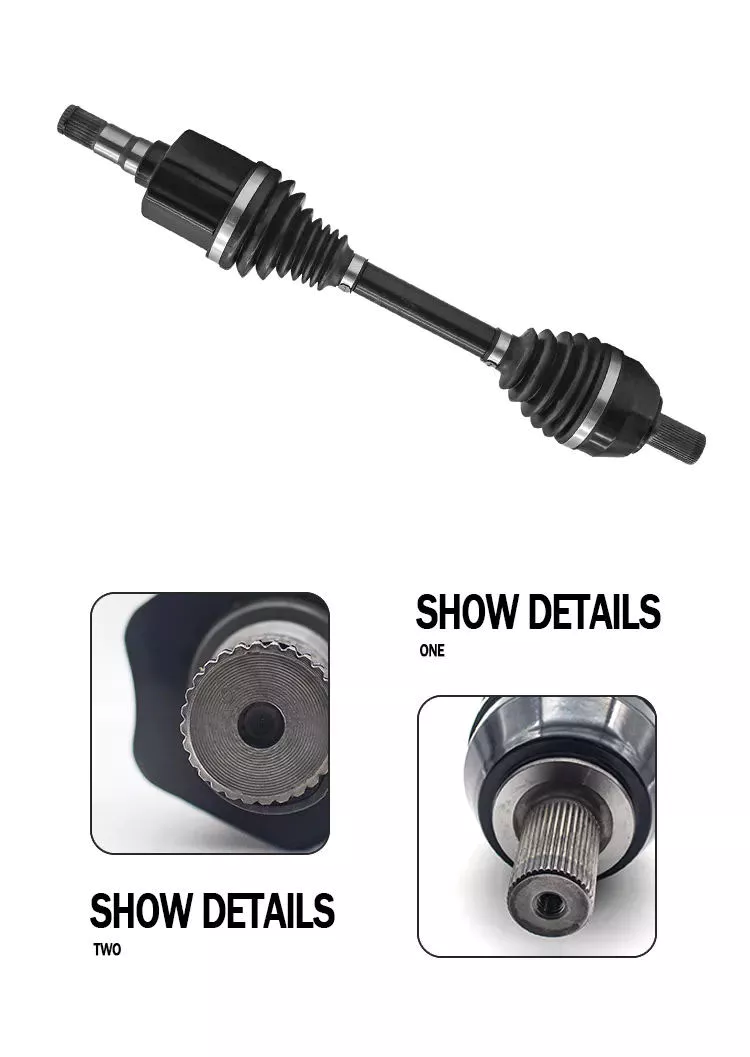
Are there any limitations or disadvantages associated with drive shafts?
While drive shafts are widely used and offer several advantages, they also have certain limitations and disadvantages that should be considered. Here’s a detailed explanation of the limitations and disadvantages associated with drive shafts:
1. Length and Misalignment Constraints:
Drive shafts have a maximum practical length due to factors such as material strength, weight considerations, and the need to maintain rigidity and minimize vibrations. Longer drive shafts can be prone to increased bending and torsional deflection, leading to reduced efficiency and potential driveline vibrations. Additionally, drive shafts require proper alignment between the driving and driven components. Misalignment can cause increased wear, vibrations, and premature failure of the drive shaft or its associated components.
2. Limited Operating Angles:
Drive shafts, especially those using U-joints, have limitations on operating angles. U-joints are typically designed to operate within specific angular ranges, and operating beyond these limits can result in reduced efficiency, increased vibrations, and accelerated wear. In applications requiring large operating angles, constant velocity (CV) joints are often used to maintain a constant speed and accommodate greater angles. However, CV joints may introduce higher complexity and cost compared to U-joints.
3. Maintenance Requirements:
Drive shafts require regular maintenance to ensure optimal performance and reliability. This includes periodic inspection, lubrication of joints, and balancing if necessary. Failure to perform routine maintenance can lead to increased wear, vibrations, and potential driveline issues. Maintenance requirements should be considered in terms of time and resources when using drive shafts in various applications.
4. Noise and Vibration:
Drive shafts can generate noise and vibrations, especially at high speeds or when operating at certain resonant frequencies. Imbalances, misalignment, worn joints, or other factors can contribute to increased noise and vibrations. These vibrations may affect the comfort of vehicle occupants, contribute to component fatigue, and require additional measures such as dampers or vibration isolation systems to mitigate their effects.
5. Weight and Space Constraints:
Drive shafts add weight to the overall system, which can be a consideration in weight-sensitive applications, such as automotive or aerospace industries. Additionally, drive shafts require physical space for installation. In compact or tightly packaged equipment or vehicles, accommodating the necessary drive shaft length and clearances can be challenging, requiring careful design and integration considerations.
6. Cost Considerations:
Drive shafts, depending on their design, materials, and manufacturing processes, can involve significant costs. Customized or specialized drive shafts tailored to specific equipment requirements may incur higher expenses. Additionally, incorporating advanced joint configurations, such as CV joints, can add complexity and cost to the drive shaft system.
7. Inherent Power Loss:
Drive shafts transmit power from the driving source to the driven components, but they also introduce some inherent power loss due to friction, bending, and other factors. This power loss can reduce overall system efficiency, particularly in long drive shafts or applications with high torque requirements. It is important to consider power loss when determining the appropriate drive shaft design and specifications.
8. Limited Torque Capacity:
While drive shafts can handle a wide range of torque loads, there are limits to their torque capacity. Exceeding the maximum torque capacity of a drive shaft can lead to premature failure, resulting in downtime and potential damage to other driveline components. It is crucial to select a drive shaft with sufficient torque capacity for the intended application.
Despite these limitations and disadvantages, drive shafts remain a widely used and effective means of power transmission in various industries. Manufacturers continuously work to address these limitations through advancements in materials, design techniques, joint configurations, and balancing processes. By carefully considering the specific application requirements and potential drawbacks, engineers and designers can mitigate the limitations and maximize the benefits of drive shafts in their respective systems.
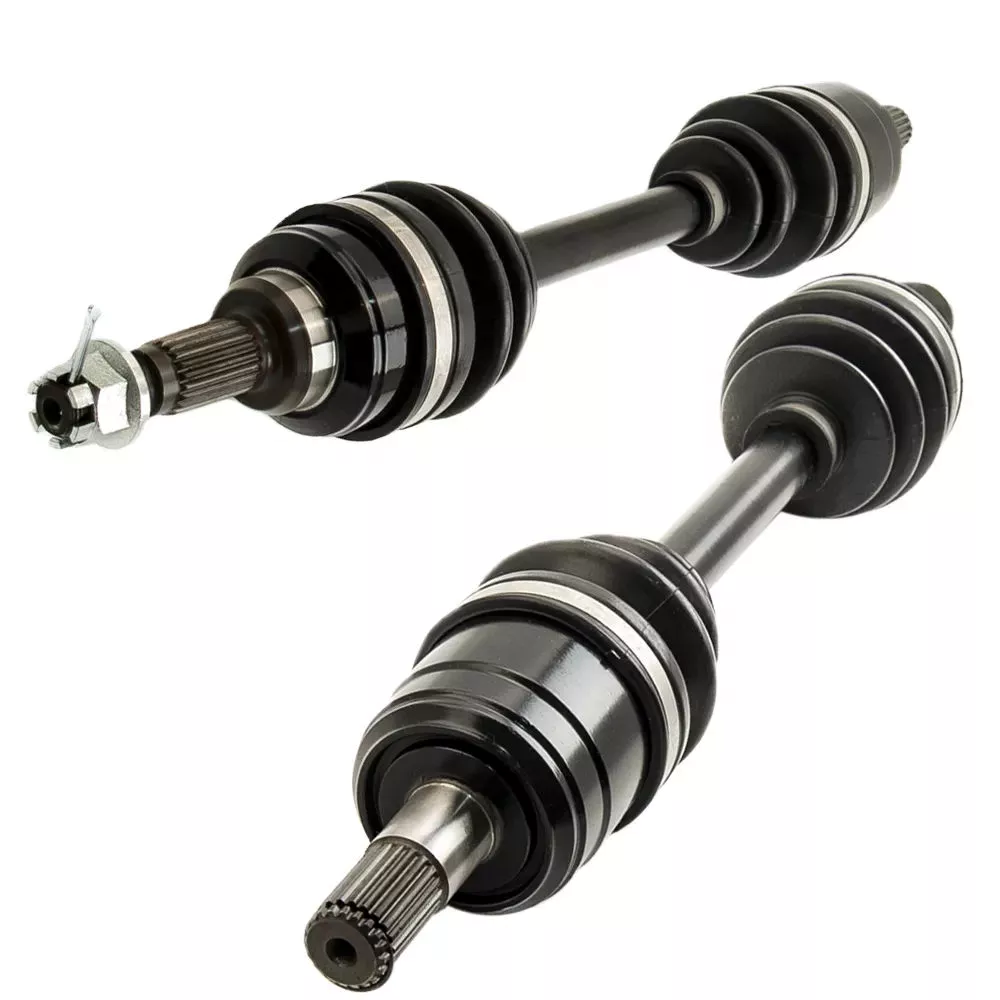
இயக்கத்தின் போது, சுமை மற்றும் அதிர்வுகளில் ஏற்படும் மாறுபாடுகளை இயக்கத் தண்டுகள் எவ்வாறு சமாளிக்கின்றன?
இயக்கத் தண்டுகள், பல்வேறு பொறிமுறைகள் மற்றும் அம்சங்களைப் பயன்படுத்தி, செயல்பாட்டின் போது ஏற்படும் சுமை மற்றும் அதிர்வு மாறுபாடுகளைக் கையாளும் வகையில் வடிவமைக்கப்பட்டுள்ளன. இந்தப் பொறிமுறைகள், சீரான ஆற்றல் பரிமாற்றத்தை உறுதி செய்யவும், அதிர்வுகளைக் குறைக்கவும், மற்றும் இயக்கத் தண்டின் கட்டமைப்பு ஒருமைப்பாட்டைப் பராமரிக்கவும் உதவுகின்றன. இயக்கத் தண்டுகள் சுமை மற்றும் அதிர்வு மாறுபாடுகளை எவ்வாறு கையாளுகின்றன என்பதற்கான விரிவான விளக்கம் இங்கே கொடுக்கப்பட்டுள்ளது:
1. மூலப்பொருள் தேர்வு மற்றும் வடிவமைப்பு:
இயக்கத் தண்டுகள் பொதுவாக எஃகு கலவைகள் அல்லது கூட்டுப் பொருட்கள் போன்ற அதிக வலிமை மற்றும் விறைப்புத்தன்மை கொண்ட பொருட்களிலிருந்து தயாரிக்கப்படுகின்றன. பொருளின் தேர்வு மற்றும் வடிவமைப்பு ஆகியவை, பயன்பாட்டின் எதிர்பார்க்கப்படும் சுமைகள் மற்றும் இயக்க நிலைமைகளைக் கருத்தில் கொள்கின்றன. பொருத்தமான பொருட்களைப் பயன்படுத்துவதன் மூலமும், வடிவமைப்பை மேம்படுத்துவதன் மூலமும், இயக்கத் தண்டுகள் அதிகப்படியான விலகல் அல்லது உருக்குலைவுக்கு உள்ளாகாமல், சுமையில் ஏற்படும் எதிர்பார்க்கப்படும் மாறுபாடுகளைத் தாங்கிக்கொள்ள முடியும்.
2. முறுக்குத் திறன்:
இயக்கத் தண்டுகள், எதிர்பார்க்கப்படும் சுமைகளுக்கு ஏற்ப ஒரு குறிப்பிட்ட முறுக்குவிசைத் திறனுடன் வடிவமைக்கப்படுகின்றன. இந்த முறுக்குவிசைத் திறனானது, இயக்கும் மூலத்தின் ஆற்றல் வெளியீடு மற்றும் இயக்கப்படும் பாகங்களின் முறுக்குவிசைத் தேவைகள் போன்ற காரணிகளைக் கருத்தில் கொள்கிறது. போதுமான முறுக்குவிசைத் திறன் கொண்ட ஒரு இயக்கத் தண்டைத் தேர்ந்தெடுப்பதன் மூலம், அதன் வரம்புகளை மீறாமலும், செயலிழப்பு அல்லது சேத அபாயத்தைத் தவிர்க்காமலும், சுமையில் ஏற்படும் மாறுபாடுகளைச் சமாளிக்க முடியும்.
3. டைனமிக் பேலன்சிங்:
உற்பத்திச் செயல்முறையின் போது, இயக்கத் தண்டுகள் இயக்கச் சமநிலையாக்கத்திற்கு உட்படுத்தப்படலாம். இயக்கத் தண்டில் ஏற்படும் சமநிலையின்மைகள், செயல்பாட்டின் போது அதிர்வுகளை ஏற்படுத்தக்கூடும். இந்தச் சமநிலைப்படுத்தும் செயல்முறையின் மூலம், இயக்கத் தண்டு சீராகச் சுழல்வதையும் அதிர்வுகளைக் குறைப்பதையும் உறுதி செய்வதற்காக, எடைகள் திட்டமிட்டுச் சேர்க்கப்படுகின்றன அல்லது அகற்றப்படுகின்றன. இயக்கச் சமநிலையாக்கம், சுமை மாறுபாடுகளின் விளைவுகளைத் தணிக்க உதவுகிறது மற்றும் இயக்கத் தண்டில் அதிகப்படியான அதிர்வுகள் ஏற்படுவதற்கான சாத்தியத்தைக் குறைக்கிறது.
4. தணிப்பான்கள் மற்றும் அதிர்வுக் கட்டுப்பாடு:
அதிர்வுகளை மேலும் குறைப்பதற்காக, இயக்கத் தண்டுகளில் அதிர்வு தணிப்பான்கள் அல்லது அதிர்வுக் கட்டுப்பாட்டு அமைப்புகள் இணைக்கப்படலாம். இந்தச் சாதனங்கள், பொதுவாக சுமை மாறுபாடுகள் அல்லது பிற காரணிகளால் ஏற்படக்கூடிய அதிர்வுகளை உறிஞ்சுவதற்காக அல்லது சிதறடிப்பதற்காக வடிவமைக்கப்படுகின்றன. அதிர்வு தணிப்பான்கள் என்பவை, இயக்கத் தண்டின் நெடுகிலும் உத்தியோகபூர்வமாக வைக்கப்பட்டுள்ள முறுக்குத் தணிப்பான்கள், ரப்பர் தனிப்படுத்திகள் அல்லது பிற அதிர்வு உறிஞ்சும் கூறுகளின் வடிவத்தில் இருக்கலாம். அதிர்வுகளை நிர்வகித்துத் தணிப்பதன் மூலம், இயக்கத் தண்டுகள் சீரான செயல்பாட்டை உறுதிசெய்து, ஒட்டுமொத்த அமைப்பின் செயல்திறனை மேம்படுத்துகின்றன.
5. சிவி மூட்டுகள்:
இயக்கக் கோணங்களில் ஏற்படும் மாறுபாடுகளைச் சமாளிப்பதற்கும், ஒரு நிலையான வேகத்தைப் பராமரிப்பதற்கும், இயக்கத் தண்டுகளில் மாறா திசைவேக (CV) இணைப்புகள் பெரும்பாலும் பயன்படுத்தப்படுகின்றன. இயக்கும் மற்றும் இயக்கப்படும் பாகங்கள் வெவ்வேறு கோணங்களில் இருக்கும்போதும், இயக்கத் தண்டு ஆற்றலைக் கடத்த CV இணைப்புகள் அனுமதிக்கின்றன. இயக்கக் கோணங்களில் ஏற்படும் மாறுபாடுகளைச் சமாளிப்பதன் மூலம், சுமை மாறுபாடுகளின் தாக்கத்தைக் குறைக்கவும், இயக்கவழி வடிவவியலில் ஏற்படும் மாற்றங்களால் உருவாகக்கூடிய அதிர்வுகளைக் குறைக்கவும் CV இணைப்புகள் உதவுகின்றன.
6. உயவு மற்றும் பராமரிப்பு:
சுமை மற்றும் அதிர்வு மாறுபாடுகளைத் திறம்படக் கையாள்வதற்கு, இயக்கத் தண்டுகளுக்கு முறையான உயவு மற்றும் வழக்கமான பராமரிப்பு அவசியமாகும். உயவு, நகரும் பாகங்களுக்கு இடையேயான உராய்வைக் குறைத்து, தேய்மானம் மற்றும் வெப்ப உருவாக்கத்தைக் குறைக்க உதவுகிறது. இணைப்புகளை ஆய்வு செய்தல் மற்றும் உயவு செய்தல் உள்ளிட்ட வழக்கமான பராமரிப்பு, இயக்கத் தண்டு உகந்த நிலையில் இருப்பதை உறுதிசெய்து, சுமை மாறுபாடுகளால் ஏற்படும் செயலிழப்பு அல்லது செயல்திறன் குறைவு அபாயத்தைக் குறைக்கிறது.
7. கட்டமைப்பு விறைப்புத்தன்மை:
இயக்கத் தண்டுகள், வளைவு மற்றும் முறுக்கு விசைகளைத் தாங்கும் வகையில் போதுமான கட்டமைப்பு விறைப்புத்தன்மையுடன் வடிவமைக்கப்பட்டுள்ளன. இந்த விறைப்புத்தன்மை, சுமை மாறுபாடுகளுக்கு உட்படுத்தப்படும்போது இயக்கத் தண்டின் ஒருமைப்பாட்டைப் பராமரிக்க உதவுகிறது. விலகலைக் குறைத்து, கட்டமைப்பு ஒருமைப்பாட்டைப் பராமரிப்பதன் மூலம், இயக்கத் தண்டானது செயல்திறனைக் குறைக்காமலும் அல்லது அதிகப்படியான அதிர்வுகளை ஏற்படுத்தாமலும், ஆற்றலைத் திறம்படக் கடத்தவும் சுமை மாறுபாடுகளைச் சமாளிக்கவும் முடிகிறது.
8. கட்டுப்பாட்டு அமைப்புகள் மற்றும் பின்னூட்டம்:
சில பயன்பாடுகளில், இயக்கத் தண்டுகளில் முறுக்குவிசை, வேகம் மற்றும் அதிர்வு போன்ற அளவுருக்களைத் தீவிரமாகக் கண்காணித்துச் சரிசெய்யும் கட்டுப்பாட்டு அமைப்புகள் பொருத்தப்பட்டிருக்கலாம். இந்தக் கட்டுப்பாட்டு அமைப்புகள், சுமை அல்லது அதிர்வுகளில் ஏற்படும் மாறுபாடுகளைக் கண்டறிந்து, செயல்திறனை மேம்படுத்துவதற்காக நிகழ்நேரச் சரிசெய்தல்களைச் செய்ய, உணர்விகள் மற்றும் பின்னூட்ட வழிமுறைகளைப் பயன்படுத்துகின்றன. சுமை மாறுபாடுகளையும் அதிர்வுகளையும் தீவிரமாக நிர்வகிப்பதன் மூலம், இயக்கத் தண்டுகள் மாறிவரும் இயக்கச் சூழல்களுக்கு ஏற்பத் தங்களைத் தகவமைத்துக்கொண்டு, சீரான செயல்பாட்டைப் பராமரிக்கின்றன.
சுருக்கமாக, இயக்கத் தண்டுகள், கவனமான மூலப்பொருள் தேர்வு மற்றும் வடிவமைப்பு, முறுக்குத் திறன் பரிசீலனைகள், இயக்கச் சமநிலைப்படுத்துதல், தணிப்பான்கள் மற்றும் அதிர்வுக் கட்டுப்பாட்டு வழிமுறைகளின் ஒருங்கிணைப்பு, CV இணைப்புகளின் பயன்பாடு, முறையான உயவு மற்றும் பராமரிப்பு, கட்டமைப்பு உறுதித்தன்மை, மற்றும் சில சமயங்களில், கட்டுப்பாட்டு அமைப்புகள் மற்றும் பின்னூட்ட வழிமுறைகள் ஆகியவற்றின் மூலம், செயல்பாட்டின் போது ஏற்படும் சுமை மற்றும் அதிர்வு மாறுபாடுகளைக் கையாளுகின்றன. இந்த அம்சங்களையும் வழிமுறைகளையும் இணைப்பதன் மூலம், இயக்கத் தண்டுகள் நம்பகமான மற்றும் திறமையான ஆற்றல் பரிமாற்றத்தை உறுதிசெய்கின்றன, அதே நேரத்தில் ஒட்டுமொத்த அமைப்பின் செயல்திறனில் சுமை மாறுபாடுகள் மற்றும் அதிர்வுகளின் தாக்கத்தைக் குறைக்கின்றன.
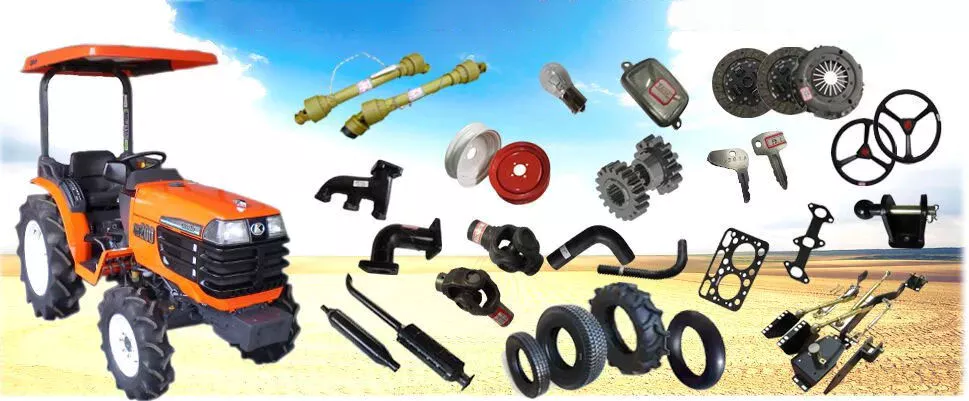
Are there variations in drive shaft designs for different types of machinery?
Yes, there are variations in drive shaft designs to cater to the specific requirements of different types of machinery. The design of a drive shaft is influenced by factors such as the application, power transmission needs, space limitations, operating conditions, and the type of driven components. Here’s an explanation of how drive shaft designs can vary for different types of machinery:
1. Automotive Applications:
In the automotive industry, drive shaft designs can vary depending on the vehicle’s configuration. Rear-wheel-drive vehicles typically use a single-piece or two-piece drive shaft, which connects the transmission or transfer case to the rear differential. Front-wheel-drive vehicles often use a different design, employing a drive shaft that combines with the constant velocity (CV) joints to transmit power to the front wheels. All-wheel-drive vehicles may have multiple drive shafts to distribute power to all wheels. The length, diameter, material, and joint types can differ based on the vehicle’s layout and torque requirements.
2. Industrial Machinery:
Drive shaft designs for industrial machinery depend on the specific application and power transmission requirements. In manufacturing machinery, such as conveyors, presses, and rotating equipment, drive shafts are designed to transfer power efficiently within the machine. They may incorporate flexible joints or use a splined or keyed connection to accommodate misalignment or allow for easy disassembly. The dimensions, materials, and reinforcement of the drive shaft are selected based on the torque, speed, and operating conditions of the machinery.
3. Agriculture and Farming:
Agricultural machinery, such as tractors, combines, and harvesters, often requires drive shafts that can handle high torque loads and varying operating angles. These drive shafts are designed to transmit power from the engine to attachments and implements, such as mowers, balers, tillers, and harvesters. They may incorporate telescopic sections to accommodate adjustable lengths, flexible joints to compensate for misalignment during operation, and protective shielding to prevent entanglement with crops or debris.
4. Construction and Heavy Equipment:
Construction and heavy equipment, including excavators, loaders, bulldozers, and cranes, require robust drive shaft designs capable of transmitting power in demanding conditions. These drive shafts often have larger diameters and thicker walls to handle high torque loads. They may incorporate universal joints or CV joints to accommodate operating angles and absorb shocks and vibrations. Drive shafts in this category may also have additional reinforcements to withstand the harsh environments and heavy-duty applications associated with construction and excavation.
5. Marine and Maritime Applications:
Drive shaft designs for marine applications are specifically engineered to withstand the corrosive effects of seawater and the high torque loads encountered in marine propulsion systems. Marine drive shafts are typically made from stainless steel or other corrosion-resistant materials. They may incorporate flexible couplings or dampening devices to reduce vibration and mitigate the effects of misalignment. The design of marine drive shafts also considers factors such as shaft length, diameter, and support bearings to ensure reliable power transmission in marine vessels.
6. Mining and Extraction Equipment:
In the mining industry, drive shafts are used in heavy machinery and equipment such as mining trucks, excavators, and drilling rigs. These drive shafts need to withstand extremely high torque loads and harsh operating conditions. Drive shaft designs for mining applications often feature larger diameters, thicker walls, and specialized materials such as alloy steel or composite materials. They may incorporate universal joints or CV joints to handle operating angles, and they are designed to be resistant to abrasion and wear.
These examples highlight the variations in drive shaft designs for different types of machinery. The design considerations take into account factors such as power requirements, operating conditions, space constraints, alignment needs, and the specific demands of the machinery or industry. By tailoring the drive shaft design to the unique requirements of each application, optimal power transmission efficiency and reliability can be achieved.


CX ஆல் தொகுக்கப்பட்டது 2024-04-09