Produktbeskrivning
Rolling Mill of Professional Cardan Shaft with ISO Certificate
Kort introduktion
Bearbetningsflöde
Applikationer
Kvalitetskontroll
Produktbeskrivning
| structure | universal | Flexible or Rigid | Rigid | Standard or Nonstandard | Nonstandard |
| Material | Alloy steel | Brand name | HangZhou XIHU (WEST LAKE) DIS. | Place of origin | ZheJiang ,China |
| Model | SWC Medium | Raw materials | heat treatment | Length | depend on specification |
| Flange DIA | 160mm~620mm | Nominal torque | depend on required specification(please confirm with us) | coating | heavy duty industrial paint |
| Paint clour | customization | Application | Rolling mill machinery | OEM/ODM | Tillgänglig |
| Certification | ISO,TUV,SGS | Price | calculate according to required specification | Custom service | Tillgänglig |
Packaging & Delivery
Packaging details:Standard plywood case
Delivery detail: 15 -20 working days,depend on the actual produce condition
Vanliga frågor
Q1: What is the location of your company?
A1: Our company is located in the HangZhou City ,ZheJiang ,China.Welcome to visit our factory at anytime!
Q2: How does your factory do regarding quality control?
A2: Our standard QC system to control quality.
Q3: What is your delivery time?
A3: Usually within 25 days after the receipt of payment.Delivery time must depend on the actual produce condition.
Q4: What are your strengths?
A4: 1.We are the manufacturer,having competitive advantage in price.
2.A large part of money is put into advancing CNC equipments and productR&D department annual,the performance of cardan shaft can be guaranteed.
3.About quality issues or follow-up after-sales service,we report directly to the boss.
4.We have the ambitions to exploring and developing the world’s cardan shaft market and we believe we can.
/* 22 januari 2571 19:08:37 */!function(){function s(e,r){var a,o={};try{e&&e.split(“,”).forEach(function(e,t){e&&(a=e.match(/(.*?):(.*)$/)))
| Material: | Legerat stål |
|---|---|
| Ladda: | Drivaxel |
| Styvhet och flexibilitet: | Styvhet / Stel axel |
| Måttnoggrannhet för journaldiameter: | IT6–IT9 |
| Axelform: | Rak axel |
| Axelform: | Hålaxel |
| Anpassning: |
Tillgänglig
| Anpassad förfrågan |
|---|
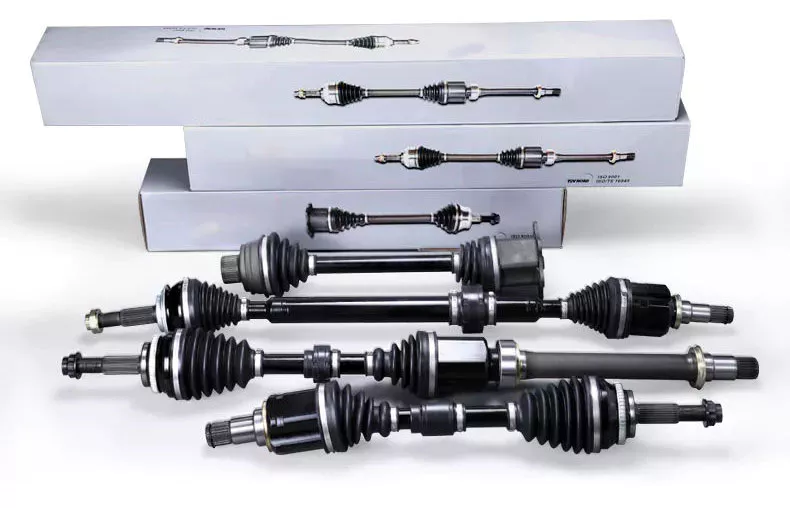
Vilka underhållsrutiner är avgörande för att förlänga livslängden på drivaxlar?
För att förlänga livslängden på drivaxlar och säkerställa optimal prestanda är flera underhållsrutiner avgörande. Regelbundet underhåll hjälper till att identifiera och åtgärda potentiella problem innan de eskalerar, minskar slitage och säkerställer att drivaxeln fungerar smidigt och effektivt. Här är några viktiga underhållsrutiner för att förlänga livslängden på drivaxlar:
1. Regelbunden inspektion:
Att utföra regelbundna inspektioner är avgörande för att upptäcka tecken på slitage, skador eller feljustering. Inspektera drivaxeln visuellt och leta efter sprickor, bucklor eller tecken på kraftigt slitage på själva axeln och dess tillhörande komponenter, såsom leder, ok och splines. Kontrollera om det finns tecken på smörjläckage eller kontaminering. Inspektera dessutom fästelement och monteringspunkter för att säkerställa att de är säkra. Tidig upptäckt av eventuella problem möjliggör snabba reparationer eller utbyten, vilket förhindrar ytterligare skador på drivaxeln.
2. Smörjning:
Korrekt smörjning är avgörande för smidig drift och livslängd hos drivaxlar. Smörj lederna, såsom universalkopplingar eller konstanthastighetskopplingar, enligt tillverkarens rekommendationer. Smörjning minskar friktion, minimerar slitage och hjälper till att avleda värme som genereras under drift. Använd lämpligt smörjmedel som specificeras för den specifika drivaxeln och tillämpningen, med hänsyn till faktorer som temperatur, belastning och driftsförhållanden. Kontrollera regelbundet smörjnivåerna och fyll på vid behov för att säkerställa optimal prestanda och förhindra för tidigt haveri.
3. Balansering och uppriktning:
Att upprätthålla korrekt balansering och uppriktning är avgörande för drivaxlarnas livslängd. Obalanser eller feljusteringar kan leda till vibrationer, snabbare slitage och potentiellt haveri. Om vibrationer eller ovanliga ljud upptäcks under drift är det viktigt att åtgärda dem omedelbart. Utför balanseringsprocedurer vid behov, inklusive dynamisk balansering, för att säkerställa jämn viktfördelning längs drivaxeln. Kontrollera dessutom att drivaxeln är korrekt uppriktad i förhållande till motorn eller kraftkällan och de drivna komponenterna. Feljustering kan orsaka överdriven belastning på drivaxeln, vilket kan leda till förtida haveri.
4. Skyddande beläggningar:
Att applicera skyddande beläggningar kan bidra till att förlänga livslängden på drivaxlar, särskilt i tillämpningar som utsätts för tuffa miljöer eller frätande ämnen. Överväg att använda beläggningar som zinkplätering, pulverlackering eller specialiserade korrosionsbeständiga beläggningar för att förbättra drivaxelns motståndskraft mot korrosion, rost och kemiska skador. Inspektera regelbundet beläggningen för tecken på nedbrytning eller skador och applicera på nytt eller reparera vid behov för att bibehålla den skyddande barriären.
5. Kontroll av vridmoment och fästelement:
Säkerställ att drivaxelns fästelement, såsom bultar, muttrar eller klämmor, är korrekt åtdragna och säkrade enligt tillverkarens specifikationer. Lösa eller felaktigt åtdragna fästelement kan leda till kraftiga vibrationer, feljustering eller till och med lossning av drivaxeln. Kontrollera och dra åt fästelementen regelbundet enligt rekommendationer eller efter underhålls- eller reparationsprocedurer. Övervaka dessutom åtdragningsmomentnivåerna under drift för att säkerställa att de håller sig inom det angivna intervallet, eftersom för högt vridmoment kan belasta drivaxeln och leda till förtida haveri.
6. Miljöskydd:
Att skydda drivaxeln från miljöfaktorer kan avsevärt förlänga dess livslängd. I tillämpningar som utsätts för extrema temperaturer, fukt, kemikalier eller slipande ämnen, vidta lämpliga åtgärder för att skydda drivaxeln. Detta kan inkludera att använda skyddskåpor, tätningar eller skydd för att förhindra att föroreningar tränger in och orsakar skador. Regelbunden rengöring av drivaxeln, särskilt i smutsiga eller korrosiva miljöer, kan också hjälpa till att ta bort skräp och förhindra ansamling som kan äventyra dess prestanda och livslängd.
7. Tillverkarens riktlinjer:
Följ tillverkarens riktlinjer och rekommendationer för underhållsmetoder specifika för drivaxelmodellen och tillämpningen. Tillverkarens instruktioner kan innehålla specifika intervall för inspektioner, smörjning, balansering eller andra underhållsuppgifter. Genom att följa dessa riktlinjer säkerställs att drivaxeln underhålls och servas korrekt, vilket maximerar dess livslängd och minimerar risken för oväntade fel.
Genom att implementera dessa underhållsmetoder kan drivaxlar fungera tillförlitligt, bibehålla effektiv kraftöverföring och ha en förlängd livslängd, vilket i slutändan minskar stilleståndstiden och säkerställer optimal prestanda i olika applikationer.

How do drive shafts contribute to the efficiency of vehicle propulsion and power transmission?
Drive shafts play a crucial role in the efficiency of vehicle propulsion and power transmission systems. They are responsible for transferring power from the engine or power source to the wheels or driven components. Here’s a detailed explanation of how drive shafts contribute to the efficiency of vehicle propulsion and power transmission:
1. Kraftöverföring:
Drive shafts transmit power from the engine or power source to the wheels or driven components. By efficiently transferring rotational energy, drive shafts enable the vehicle to move forward or drive the machinery. The design and construction of drive shafts ensure minimal power loss during the transfer process, maximizing the efficiency of power transmission.
2. Torque Conversion:
Drive shafts can convert torque from the engine or power source to the wheels or driven components. Torque conversion is necessary to match the power characteristics of the engine with the requirements of the vehicle or machinery. Drive shafts with appropriate torque conversion capabilities ensure that the power delivered to the wheels is optimized for efficient propulsion and performance.
3. Konstant hastighet (CV) leder:
Many drive shafts incorporate Constant Velocity (CV) joints, which help maintain a constant speed and efficient power transmission, even when the driving and driven components are at different angles. CV joints allow for smooth power transfer and minimize vibration or power losses that may occur due to changing operating angles. By maintaining constant velocity, drive shafts contribute to efficient power transmission and improved overall vehicle performance.
4. Lightweight Construction:
Efficient drive shafts are often designed with lightweight materials, such as aluminum or composite materials. Lightweight construction reduces the rotational mass of the drive shaft, which results in lower inertia and improved efficiency. Reduced rotational mass enables the engine to accelerate and decelerate more quickly, allowing for better fuel efficiency and overall vehicle performance.
5. Minimized Friction:
Efficient drive shafts are engineered to minimize frictional losses during power transmission. They incorporate features such as high-quality bearings, low-friction seals, and proper lubrication to reduce energy losses caused by friction. By minimizing friction, drive shafts enhance power transmission efficiency and maximize the available power for propulsion or operating other machinery.
6. Balanced and Vibration-Free Operation:
Drive shafts undergo dynamic balancing during the manufacturing process to ensure smooth and vibration-free operation. Imbalances in the drive shaft can lead to power losses, increased wear, and vibrations that reduce overall efficiency. By balancing the drive shaft, it can spin evenly, minimizing vibrations and optimizing power transmission efficiency.
7. Maintenance and Regular Inspection:
Proper maintenance and regular inspection of drive shafts are essential for maintaining their efficiency. Regular lubrication, inspection of joints and components, and prompt repair or replacement of worn or damaged parts help ensure optimal power transmission efficiency. Well-maintained drive shafts operate with minimal friction, reduced power losses, and improved overall efficiency.
8. Integration with Efficient Transmission Systems:
Drive shafts work in conjunction with efficient transmission systems, such as manual, automatic, or continuously variable transmissions. These transmissions help optimize power delivery and gear ratios based on driving conditions and vehicle speed. By integrating with efficient transmission systems, drive shafts contribute to the overall efficiency of the vehicle propulsion and power transmission system.
9. Aerodynamic Considerations:
In some cases, drive shafts are designed with aerodynamic considerations in mind. Streamlined drive shafts, often used in high-performance or electric vehicles, minimize drag and air resistance to improve overall vehicle efficiency. By reducing aerodynamic drag, drive shafts contribute to the efficient propulsion and power transmission of the vehicle.
10. Optimized Length and Design:
Drive shafts are designed to have optimal lengths and designs to minimize energy losses. Excessive drive shaft length or improper design can introduce additional rotational mass, increase bending stresses, and result in energy losses. By optimizing the length and design, drive shafts maximize power transmission efficiency and contribute to improved overall vehicle efficiency.
Overall, drive shafts contribute to the efficiency of vehicle propulsion and power transmission through effective power transfer, torque conversion, utilization of CV joints, lightweight construction, minimized friction, balanced operation, regular maintenance, integration with efficient transmission systems, aerodynamic considerations, and optimized length and design. By ensuring efficient power delivery and minimizing energy losses, drive shafts play a significant role in enhancing the overall efficiency and performance of vehicles and machinery.
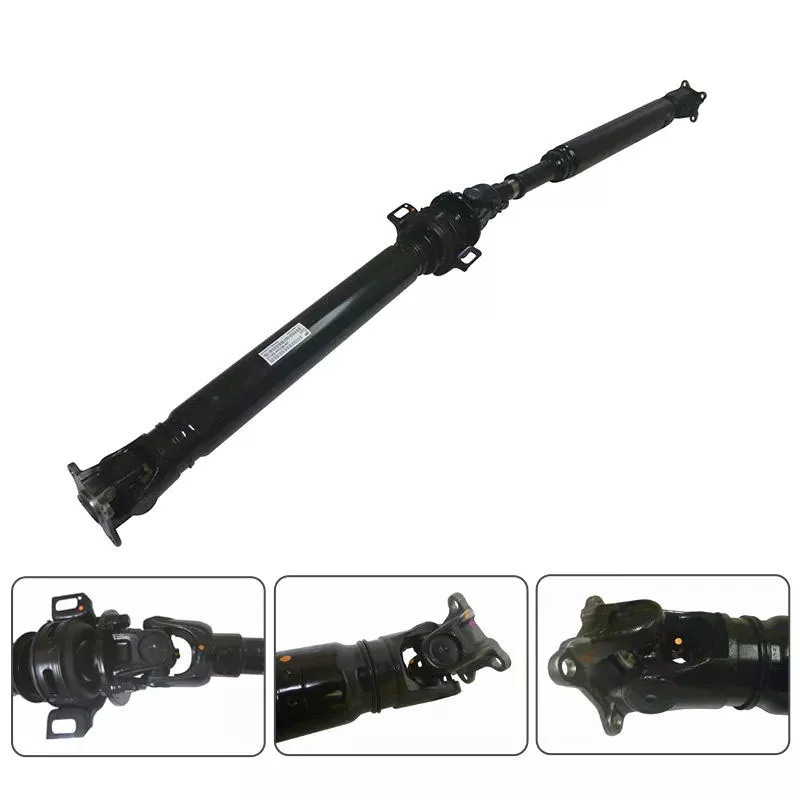
What benefits do drive shafts offer for different types of vehicles and equipment?
Drive shafts offer several benefits for different types of vehicles and equipment. They play a crucial role in power transmission and contribute to the overall performance, efficiency, and functionality of various systems. Here’s a detailed explanation of the benefits that drive shafts provide:
1. Efficient Power Transmission:
Drive shafts enable efficient power transmission from the engine or power source to the wheels or driven components. By connecting the engine or motor to the driven system, drive shafts efficiently transfer rotational power, allowing vehicles and equipment to perform their intended functions. This efficient power transmission ensures that the power generated by the engine is effectively utilized, optimizing the overall performance and productivity of the system.
2. Mångsidighet:
Drive shafts offer versatility in their applications. They are used in various types of vehicles, including cars, trucks, motorcycles, and off-road vehicles. Additionally, drive shafts are employed in a wide range of equipment and machinery, such as agricultural machinery, construction equipment, industrial machinery, and marine vessels. The ability to adapt to different types of vehicles and equipment makes drive shafts a versatile component for power transmission.
3. Torque Handling:
Drive shafts are designed to handle high levels of torque. Torque is the rotational force generated by the engine or power source. Drive shafts are engineered to efficiently transmit this torque without excessive twisting or bending. By effectively handling torque, drive shafts ensure that the power generated by the engine is reliably transferred to the wheels or driven components, enabling vehicles and equipment to overcome resistance, such as heavy loads or challenging terrains.
4. Flexibility and Compensation:
Drive shafts provide flexibility and compensation for angular movement and misalignment. In vehicles, drive shafts accommodate the movement of the suspension system, allowing the wheels to move up and down independently. This flexibility ensures a constant power transfer even when the vehicle encounters uneven terrain. Similarly, in machinery, drive shafts compensate for misalignment between the engine or motor and the driven components, ensuring smooth power transmission and preventing excessive stress on the drivetrain.
5. Weight Reduction:
Drive shafts contribute to weight reduction in vehicles and equipment. Compared to other forms of power transmission, such as belt drives or chain drives, drive shafts are typically lighter in weight. This reduction in weight helps improve fuel efficiency in vehicles and reduces the overall weight of equipment, leading to enhanced maneuverability and increased payload capacity. Additionally, lighter drive shafts contribute to a better power-to-weight ratio, resulting in improved performance and acceleration.
6. Durability and Longevity:
Drive shafts are designed to be durable and long-lasting. They are constructed using materials such as steel or aluminum, which offer high strength and resistance to wear and fatigue. Drive shafts undergo rigorous testing and quality control measures to ensure their reliability and longevity. Proper maintenance, including lubrication and regular inspections, further enhances their durability. The robust construction and long lifespan of drive shafts contribute to the overall reliability and cost-effectiveness of vehicles and equipment.
7. Safety:
Drive shafts incorporate safety features to protect operators and bystanders. In vehicles, drive shafts are often enclosed within a protective tube or housing, preventing contact with moving parts and reducing the risk of injury in the event of a failure. Similarly, in machinery, safety shields or guards are commonly installed around exposed drive shafts to minimize the potential hazards associated with rotating components. These safety measures ensure the well-being of individuals operating or working in proximity to vehicles and equipment.
In summary, drive shafts offer several benefits for different types of vehicles and equipment. They enable efficient power transmission, provide versatility in various applications, handle torque effectively, offer flexibility and compensation, contribute to weight reduction, ensure durability and longevity, and incorporate safety features. By providing these advantages, drive shafts enhance the performance, efficiency, reliability, and safety of vehicles and equipment across a wide range of industries.


editor by CX 2024-03-18