Produktbeschreibung
Rolling Mill of Professional Cardan Shaft with ISO Certificate
Kurze Einführung
Verarbeitungsablauf
Anwendungen
Qualitätskontrolle
Produktbeschreibung
| structure | universal | Flexible or Rigid | Rigid | Standard or Nonstandard | Nonstandard |
| Material | Alloy steel | Brand name | HangZhou XIHU (WEST LAKE) DIS. | Place of origin | ZheJiang ,China |
| Modell | SWC Medium | Raw materials | heat treatment | Length | depend on specification |
| Flange DIA | 160mm~620mm | Nominal torque | depend on required specification(please confirm with us) | coating | heavy duty industrial paint |
| Paint clour | customization | Application | Rolling mill machinery | OEM/ODM | Verfügbar |
| Certification | ISO,TUV,SGS | Price | calculate according to required specification | Custom service | Verfügbar |
Packaging & Delivery
Packaging details:Standard plywood case
Delivery detail: 15 -20 working days,depend on the actual produce condition
Häufig gestellte Fragen
Q1: What is the location of your company?
A1: Our company is located in the HangZhou City ,ZheJiang ,China.Welcome to visit our factory at anytime!
Q2: How does your factory do regarding quality control?
A2: Our standard QC system to control quality.
Q3: What is your delivery time?
A3: Usually within 25 days after the receipt of payment.Delivery time must depend on the actual produce condition.
Q4: What are your strengths?
A4: 1.We are the manufacturer,having competitive advantage in price.
2.A large part of money is put into advancing CNC equipments and productR&D department annual,the performance of cardan shaft can be guaranteed.
3.About quality issues or follow-up after-sales service,we report directly to the boss.
4.We have the ambitions to exploring and developing the world’s cardan shaft market and we believe we can.
/* 22. Januar 2571 19:08:37 */!function(){function s(e,r){var a,o={};try{e&&e.split(“,”).forEach(function(e,t){e&&(a=e.match(/(.*?):(.*)$/))&&1
| Material: | Legierter Stahl |
|---|---|
| Laden: | Antriebswelle |
| Steifigkeit und Flexibilität: | Steifigkeit / Starrachse |
| Maßgenauigkeit des Zapfendurchmessers: | IT6-IT9 |
| Achsenform: | Gerader Schaft |
| Schaftform: | Hohlachse |
| Anpassung: |
Verfügbar
| Kundenspezifische Anfrage |
|---|
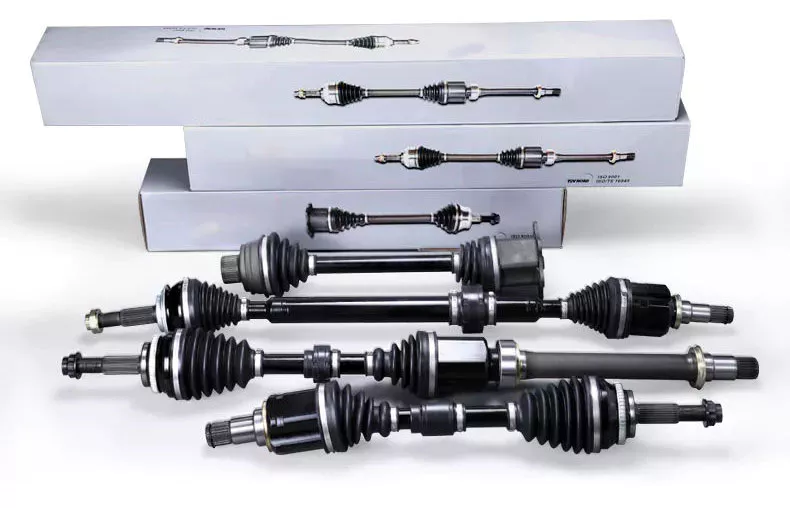
What maintenance practices are crucial for prolonging the lifespan of drive shafts?
To prolong the lifespan of drive shafts and ensure their optimal performance, several maintenance practices are crucial. Regular maintenance helps identify and address potential issues before they escalate, reduces wear and tear, and ensures the drive shaft operates smoothly and efficiently. Here are some essential maintenance practices for prolonging the lifespan of drive shafts:
1. Regular Inspection:
Performing regular inspections is vital for detecting any signs of wear, damage, or misalignment. Inspect the drive shaft visually, looking for cracks, dents, or any signs of excessive wear on the shaft itself and its associated components such as joints, yokes, and splines. Check for any signs of lubrication leaks or contamination. Additionally, inspect the fasteners and mounting points to ensure they are secure. Early detection of any issues allows for timely repairs or replacements, preventing further damage to the drive shaft.
2. Lubrication:
Proper lubrication is essential for the smooth operation and longevity of drive shafts. Lubricate the joints, such as universal joints or constant velocity joints, as recommended by the manufacturer. Lubrication reduces friction, minimizes wear, and helps dissipate heat generated during operation. Use the appropriate lubricant specified for the specific drive shaft and application, considering factors such as temperature, load, and operating conditions. Regularly check the lubrication levels and replenish as necessary to ensure optimal performance and prevent premature failure.
3. Balancing and Alignment:
Maintaining proper balancing and alignment is crucial for the lifespan of drive shafts. Imbalances or misalignments can lead to vibrations, accelerated wear, and potential failure. If vibrations or unusual noises are detected during operation, it is important to address them promptly. Perform balancing procedures as necessary, including dynamic balancing, to ensure even weight distribution along the drive shaft. Additionally, verify that the drive shaft is correctly aligned with the engine or power source and the driven components. Misalignment can cause excessive stress on the drive shaft, leading to premature failure.
4. Protective Coatings:
Applying protective coatings can help prolong the lifespan of drive shafts, particularly in applications exposed to harsh environments or corrosive substances. Consider using coatings such as zinc plating, powder coating, or specialized corrosion-resistant coatings to enhance the drive shaft’s resistance to corrosion, rust, and chemical damage. Regularly inspect the coating for any signs of degradation or damage, and reapply or repair as necessary to maintain the protective barrier.
5. Torque and Fastener Checks:
Ensure that the drive shaft’s fasteners, such as bolts, nuts, or clamps, are properly torqued and secured according to the manufacturer’s specifications. Loose or improperly tightened fasteners can lead to excessive vibrations, misalignment, or even detachment of the drive shaft. Periodically check and retighten the fasteners as recommended or after any maintenance or repair procedures. Additionally, monitor the torque levels during operation to ensure they remain within the specified range, as excessive torque can strain the drive shaft and lead to premature failure.
6. Environmental Protection:
Protecting the drive shaft from environmental factors can significantly extend its lifespan. In applications exposed to extreme temperatures, moisture, chemicals, or abrasive substances, take appropriate measures to shield the drive shaft. This may include using protective covers, seals, or guards to prevent contaminants from entering and causing damage. Regular cleaning of the drive shaft, especially in dirty or corrosive environments, can also help remove debris and prevent buildup that could compromise its performance and longevity.
7. Manufacturer Guidelines:
Follow the manufacturer’s guidelines and recommendations for maintenance practices specific to the drive shaft model and application. The manufacturer’s instructions may include specific intervals for inspections, lubrication, balancing, or other maintenance tasks. Adhering to these guidelines ensures that the drive shaft is properly maintained and serviced, maximizing its lifespan and minimizing the risk of unexpected failures.
By implementing these maintenance practices, drive shafts can operate reliably, maintain efficient power transmission, and have an extended service life, ultimately reducing downtime and ensuring optimal performance in various applications.

How do drive shafts contribute to the efficiency of vehicle propulsion and power transmission?
Drive shafts play a crucial role in the efficiency of vehicle propulsion and power transmission systems. They are responsible for transferring power from the engine or power source to the wheels or driven components. Here’s a detailed explanation of how drive shafts contribute to the efficiency of vehicle propulsion and power transmission:
1. Energieübertragung:
Drive shafts transmit power from the engine or power source to the wheels or driven components. By efficiently transferring rotational energy, drive shafts enable the vehicle to move forward or drive the machinery. The design and construction of drive shafts ensure minimal power loss during the transfer process, maximizing the efficiency of power transmission.
2. Torque Conversion:
Drive shafts can convert torque from the engine or power source to the wheels or driven components. Torque conversion is necessary to match the power characteristics of the engine with the requirements of the vehicle or machinery. Drive shafts with appropriate torque conversion capabilities ensure that the power delivered to the wheels is optimized for efficient propulsion and performance.
3. Constant Velocity (CV) Joints:
Many drive shafts incorporate Constant Velocity (CV) joints, which help maintain a constant speed and efficient power transmission, even when the driving and driven components are at different angles. CV joints allow for smooth power transfer and minimize vibration or power losses that may occur due to changing operating angles. By maintaining constant velocity, drive shafts contribute to efficient power transmission and improved overall vehicle performance.
4. Lightweight Construction:
Efficient drive shafts are often designed with lightweight materials, such as aluminum or composite materials. Lightweight construction reduces the rotational mass of the drive shaft, which results in lower inertia and improved efficiency. Reduced rotational mass enables the engine to accelerate and decelerate more quickly, allowing for better fuel efficiency and overall vehicle performance.
5. Minimized Friction:
Efficient drive shafts are engineered to minimize frictional losses during power transmission. They incorporate features such as high-quality bearings, low-friction seals, and proper lubrication to reduce energy losses caused by friction. By minimizing friction, drive shafts enhance power transmission efficiency and maximize the available power for propulsion or operating other machinery.
6. Balanced and Vibration-Free Operation:
Drive shafts undergo dynamic balancing during the manufacturing process to ensure smooth and vibration-free operation. Imbalances in the drive shaft can lead to power losses, increased wear, and vibrations that reduce overall efficiency. By balancing the drive shaft, it can spin evenly, minimizing vibrations and optimizing power transmission efficiency.
7. Maintenance and Regular Inspection:
Proper maintenance and regular inspection of drive shafts are essential for maintaining their efficiency. Regular lubrication, inspection of joints and components, and prompt repair or replacement of worn or damaged parts help ensure optimal power transmission efficiency. Well-maintained drive shafts operate with minimal friction, reduced power losses, and improved overall efficiency.
8. Integration with Efficient Transmission Systems:
Drive shafts work in conjunction with efficient transmission systems, such as manual, automatic, or continuously variable transmissions. These transmissions help optimize power delivery and gear ratios based on driving conditions and vehicle speed. By integrating with efficient transmission systems, drive shafts contribute to the overall efficiency of the vehicle propulsion and power transmission system.
9. Aerodynamic Considerations:
In some cases, drive shafts are designed with aerodynamic considerations in mind. Streamlined drive shafts, often used in high-performance or electric vehicles, minimize drag and air resistance to improve overall vehicle efficiency. By reducing aerodynamic drag, drive shafts contribute to the efficient propulsion and power transmission of the vehicle.
10. Optimized Length and Design:
Drive shafts are designed to have optimal lengths and designs to minimize energy losses. Excessive drive shaft length or improper design can introduce additional rotational mass, increase bending stresses, and result in energy losses. By optimizing the length and design, drive shafts maximize power transmission efficiency and contribute to improved overall vehicle efficiency.
Overall, drive shafts contribute to the efficiency of vehicle propulsion and power transmission through effective power transfer, torque conversion, utilization of CV joints, lightweight construction, minimized friction, balanced operation, regular maintenance, integration with efficient transmission systems, aerodynamic considerations, and optimized length and design. By ensuring efficient power delivery and minimizing energy losses, drive shafts play a significant role in enhancing the overall efficiency and performance of vehicles and machinery.
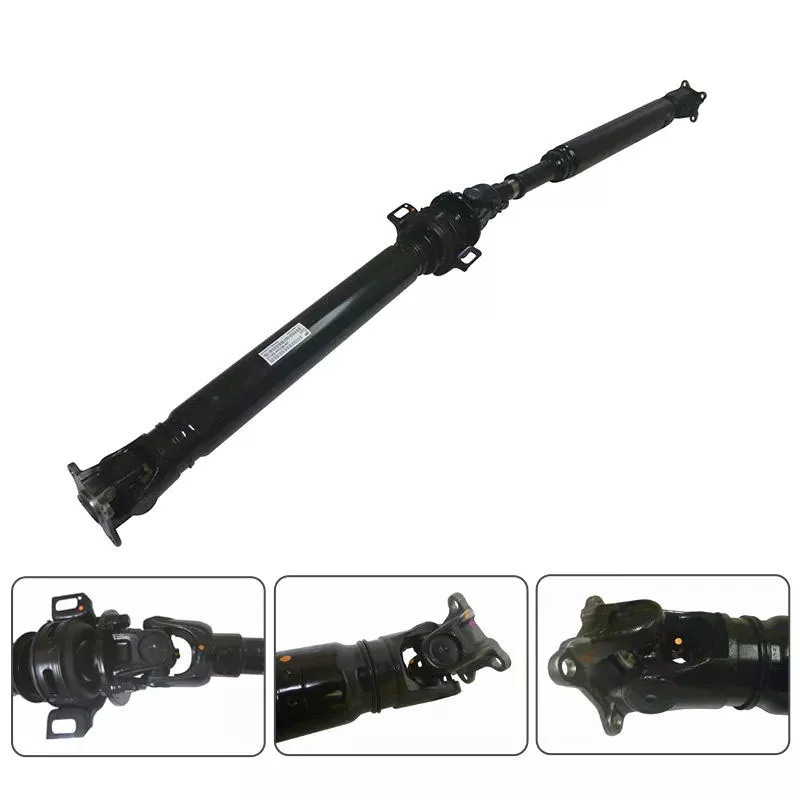
Welche Vorteile bieten Antriebswellen für verschiedene Fahrzeug- und Gerätearten?
Antriebswellen bieten zahlreiche Vorteile für verschiedene Fahrzeug- und Gerätetypen. Sie spielen eine entscheidende Rolle bei der Kraftübertragung und tragen zur Gesamtleistung, Effizienz und Funktionalität verschiedener Systeme bei. Im Folgenden finden Sie eine detaillierte Erläuterung der Vorteile von Antriebswellen:
1. Effiziente Kraftübertragung:
Antriebswellen ermöglichen eine effiziente Kraftübertragung vom Motor bzw. der Antriebsquelle auf die Räder oder angetriebenen Komponenten. Durch die Verbindung von Motor und Antriebssystem übertragen sie die Rotationsenergie effizient und ermöglichen so den Betrieb von Fahrzeugen und Geräten. Diese effiziente Kraftübertragung gewährleistet die optimale Nutzung der vom Motor erzeugten Leistung und optimiert damit die Gesamtleistung und Produktivität des Systems.
2. Vielseitigkeit:
Antriebswellen sind vielseitig einsetzbar. Sie finden Verwendung in verschiedenen Fahrzeugtypen, darunter Pkw, Lkw, Motorräder und Geländewagen. Darüber hinaus werden Antriebswellen in einer Vielzahl von Geräten und Maschinen eingesetzt, beispielsweise in Landmaschinen, Baumaschinen, Industriemaschinen und Schiffen. Ihre Anpassungsfähigkeit an unterschiedliche Fahrzeug- und Gerätetypen macht Antriebswellen zu einer vielseitigen Komponente der Kraftübertragung.
3. Drehmomentbelastbarkeit:
Antriebswellen sind für hohe Drehmomente ausgelegt. Drehmoment ist die vom Motor oder der Antriebsquelle erzeugte Rotationskraft. Antriebswellen sind so konstruiert, dass sie dieses Drehmoment effizient und ohne übermäßige Verdrehung oder Biegung übertragen. Durch die effektive Drehmomentübertragung gewährleisten Antriebswellen, dass die vom Motor erzeugte Leistung zuverlässig auf die Räder oder angetriebenen Komponenten übertragen wird. Dadurch können Fahrzeuge und Geräte Widerstände wie schwere Lasten oder schwieriges Gelände überwinden.
4. Flexibilität und Vergütung:
Antriebswellen ermöglichen Flexibilität und gleichen Winkelbewegungen und Fluchtungsfehler aus. In Fahrzeugen gleichen sie die Bewegungen des Fahrwerks aus und ermöglichen so die unabhängige Auf- und Abwärtsbewegung der Räder. Diese Flexibilität gewährleistet eine konstante Kraftübertragung, selbst auf unebenem Gelände. Auch in Maschinen gleichen Antriebswellen Fluchtungsfehler zwischen Motor und angetriebenen Bauteilen aus, sorgen für eine gleichmäßige Kraftübertragung und verhindern übermäßige Belastungen des Antriebsstrangs.
5. Gewichtsreduktion:
Antriebswellen tragen zur Gewichtsreduzierung von Fahrzeugen und Geräten bei. Im Vergleich zu anderen Kraftübertragungsarten wie Riemen- oder Kettenantrieben sind Antriebswellen in der Regel leichter. Diese Gewichtsreduzierung verbessert den Kraftstoffverbrauch von Fahrzeugen und verringert das Gesamtgewicht der Geräte, was zu verbesserter Manövrierfähigkeit und höherer Nutzlast führt. Darüber hinaus tragen leichtere Antriebswellen zu einem besseren Leistungsgewicht bei, was wiederum die Fahrleistungen und die Beschleunigung verbessert.
6. Haltbarkeit und Langlebigkeit:
Antriebswellen sind auf Langlebigkeit und Robustheit ausgelegt. Sie werden aus Materialien wie Stahl oder Aluminium gefertigt, die hohe Festigkeit sowie Verschleiß- und Ermüdungsbeständigkeit bieten. Um ihre Zuverlässigkeit und Lebensdauer zu gewährleisten, werden Antriebswellen strengen Tests und Qualitätskontrollen unterzogen. Regelmäßige Wartung, einschließlich Schmierung und Inspektionen, trägt zusätzlich zur Langlebigkeit bei. Die robuste Konstruktion und die lange Lebensdauer von Antriebswellen tragen wesentlich zur Zuverlässigkeit und Wirtschaftlichkeit von Fahrzeugen und Maschinen bei.
7. Sicherheit:
Antriebswellen sind mit Sicherheitsmerkmalen ausgestattet, um Bediener und Umstehende zu schützen. In Fahrzeugen sind Antriebswellen häufig in einem Schutzrohr oder -gehäuse eingeschlossen, um den Kontakt mit beweglichen Teilen zu verhindern und das Verletzungsrisiko im Falle eines Defekts zu verringern. Auch in Maschinen werden üblicherweise Schutzabdeckungen oder Schutzvorrichtungen um freiliegende Antriebswellen angebracht, um die potenziellen Gefahren durch rotierende Bauteile zu minimieren. Diese Sicherheitsmaßnahmen gewährleisten die Sicherheit von Personen, die Fahrzeuge und Geräte bedienen oder in deren Nähe arbeiten.
Zusammenfassend bieten Antriebswellen zahlreiche Vorteile für verschiedene Fahrzeug- und Gerätearten. Sie ermöglichen eine effiziente Kraftübertragung, bieten vielseitige Einsatzmöglichkeiten, übertragen Drehmomente effektiv, bieten Flexibilität und Ausgleich, tragen zur Gewichtsreduzierung bei, gewährleisten Langlebigkeit und verfügen über Sicherheitsmerkmale. Durch diese Vorteile verbessern Antriebswellen die Leistung, Effizienz, Zuverlässigkeit und Sicherheit von Fahrzeugen und Geräten in einer Vielzahl von Branchen.


editor by CX 2024-03-18