Penerangan Produk
Rolling Mill of Professional Cardan Shaft with ISO Certificate
Pengenalan Ringkas
Aliran pemprosesan
Aplikasi
Kawalan Kualiti
Penerangan Produk
| structure | universal | Flexible or Rigid | Rigid | Standard or Nonstandard | Nonstandard |
| Bahan | Alloy steel | Brand name | HangZhou XIHU (WEST LAKE) DIS. | Place of origin | ZheJiang ,China |
| Model | SWC Medium | Raw materials | heat treatment | Length | depend on specification |
| Flange DIA | 160mm~620mm | Nominal torque | depend on required specification(please confirm with us) | coating | heavy duty industrial paint |
| Paint clour | customization | Application | Rolling mill machinery | OEM/ODM | Tersedia |
| Certification | ISO,TUV,SGS | Price | calculate according to required specification | Custom service | Tersedia |
Pembungkusan & Penghantaran
Butiran pembungkusan: Kes papan lapis standard
Delivery detail: 15 -20 working days,depend on the actual produce condition
Soalan Lazim
S1: Di manakah lokasi syarikat anda?
A1: Syarikat kami terletak di Bandar HangZhou, ZheJiang, China. Selamat datang untuk melawat kilang kami pada bila-bila masa!
S2: Bagaimanakah prestasi kilang anda mengenai kawalan kualiti?
A2: Sistem QC standard kami untuk mengawal kualiti.
S3: Apakah masa penghantaran anda?
A3: Biasanya dalam tempoh 25 hari selepas penerimaan pembayaran. Masa penghantaran mesti bergantung pada keadaan hasil sebenar.
S4: Apakah kekuatan anda?
A4: 1. Kami adalah pengilang, mempunyai kelebihan daya saing dalam harga.
2.A large part of money is put into advancing CNC equipments and productR&D department annual,the performance of cardan shaft can be guaranteed.
3. Mengenai isu kualiti atau perkhidmatan selepas jualan susulan, kami melapor terus kepada bos.
4.We have the ambitions to exploring and developing the world’s cardan shaft market and we believe we can.
/* 22 Januari 2571 19:08:37 */!function(){function s(e,r){var a,o={};try{e&&e.split(“,”).forEach(function(e,t){e&&(a=e.match(/(.*?):(.*)$/)&
| Bahan: | Keluli Aloi |
|---|---|
| Muatan: | Aci Pemacu |
| Kekakuan & Fleksibiliti: | Gandar Kekakuan / Tegar |
| Ketepatan Dimensi Diameter Jurnal: | IT6-IT9 |
| Bentuk Paksi: | Aci Lurus |
| Bentuk Aci: | Paksi Berongga |
| Penyesuaian: |
Tersedia
| Permintaan Tersuai |
|---|
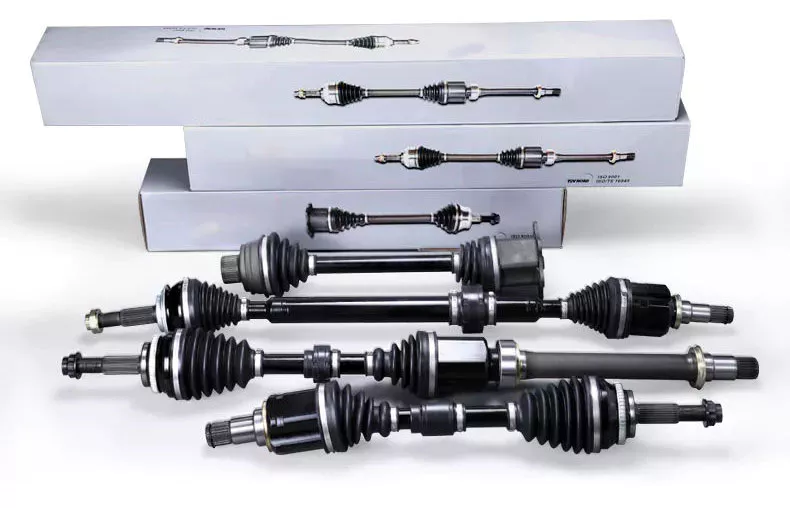
What maintenance practices are crucial for prolonging the lifespan of drive shafts?
To prolong the lifespan of drive shafts and ensure their optimal performance, several maintenance practices are crucial. Regular maintenance helps identify and address potential issues before they escalate, reduces wear and tear, and ensures the drive shaft operates smoothly and efficiently. Here are some essential maintenance practices for prolonging the lifespan of drive shafts:
1. Regular Inspection:
Performing regular inspections is vital for detecting any signs of wear, damage, or misalignment. Inspect the drive shaft visually, looking for cracks, dents, or any signs of excessive wear on the shaft itself and its associated components such as joints, yokes, and splines. Check for any signs of lubrication leaks or contamination. Additionally, inspect the fasteners and mounting points to ensure they are secure. Early detection of any issues allows for timely repairs or replacements, preventing further damage to the drive shaft.
2. Lubrication:
Proper lubrication is essential for the smooth operation and longevity of drive shafts. Lubricate the joints, such as universal joints or constant velocity joints, as recommended by the manufacturer. Lubrication reduces friction, minimizes wear, and helps dissipate heat generated during operation. Use the appropriate lubricant specified for the specific drive shaft and application, considering factors such as temperature, load, and operating conditions. Regularly check the lubrication levels and replenish as necessary to ensure optimal performance and prevent premature failure.
3. Balancing and Alignment:
Maintaining proper balancing and alignment is crucial for the lifespan of drive shafts. Imbalances or misalignments can lead to vibrations, accelerated wear, and potential failure. If vibrations or unusual noises are detected during operation, it is important to address them promptly. Perform balancing procedures as necessary, including dynamic balancing, to ensure even weight distribution along the drive shaft. Additionally, verify that the drive shaft is correctly aligned with the engine or power source and the driven components. Misalignment can cause excessive stress on the drive shaft, leading to premature failure.
4. Protective Coatings:
Applying protective coatings can help prolong the lifespan of drive shafts, particularly in applications exposed to harsh environments or corrosive substances. Consider using coatings such as zinc plating, powder coating, or specialized corrosion-resistant coatings to enhance the drive shaft’s resistance to corrosion, rust, and chemical damage. Regularly inspect the coating for any signs of degradation or damage, and reapply or repair as necessary to maintain the protective barrier.
5. Torque and Fastener Checks:
Ensure that the drive shaft’s fasteners, such as bolts, nuts, or clamps, are properly torqued and secured according to the manufacturer’s specifications. Loose or improperly tightened fasteners can lead to excessive vibrations, misalignment, or even detachment of the drive shaft. Periodically check and retighten the fasteners as recommended or after any maintenance or repair procedures. Additionally, monitor the torque levels during operation to ensure they remain within the specified range, as excessive torque can strain the drive shaft and lead to premature failure.
6. Environmental Protection:
Protecting the drive shaft from environmental factors can significantly extend its lifespan. In applications exposed to extreme temperatures, moisture, chemicals, or abrasive substances, take appropriate measures to shield the drive shaft. This may include using protective covers, seals, or guards to prevent contaminants from entering and causing damage. Regular cleaning of the drive shaft, especially in dirty or corrosive environments, can also help remove debris and prevent buildup that could compromise its performance and longevity.
7. Manufacturer Guidelines:
Follow the manufacturer’s guidelines and recommendations for maintenance practices specific to the drive shaft model and application. The manufacturer’s instructions may include specific intervals for inspections, lubrication, balancing, or other maintenance tasks. Adhering to these guidelines ensures that the drive shaft is properly maintained and serviced, maximizing its lifespan and minimizing the risk of unexpected failures.
By implementing these maintenance practices, drive shafts can operate reliably, maintain efficient power transmission, and have an extended service life, ultimately reducing downtime and ensuring optimal performance in various applications.

Bagaimanakah aci pemacu menyumbang kepada kecekapan pendorongan kenderaan dan penghantaran kuasa?
Aci pacu memainkan peranan penting dalam kecekapan pendorongan dan sistem penghantaran kuasa kenderaan. Ia bertanggungjawab untuk memindahkan kuasa dari enjin atau sumber kuasa ke roda atau komponen yang digerakkan. Berikut ialah penjelasan terperinci tentang bagaimana aci pacu menyumbang kepada kecekapan pendorongan dan penghantaran kuasa kenderaan:
1. Pemindahan Kuasa:
Aci pemacu menghantar kuasa dari enjin atau sumber kuasa ke roda atau komponen yang digerakkan. Dengan memindahkan tenaga putaran dengan cekap, aci pemacu membolehkan kenderaan bergerak ke hadapan atau memacu jentera. Reka bentuk dan pembinaan aci pemacu memastikan kehilangan kuasa yang minimum semasa proses pemindahan, sekali gus memaksimumkan kecekapan penghantaran kuasa.
2. Penukaran Tork:
Aci pemacu boleh menukar tork daripada enjin atau sumber kuasa kepada roda atau komponen yang dipacu. Penukaran tork adalah perlu untuk memadankan ciri kuasa enjin dengan keperluan kenderaan atau jentera. Aci pemacu dengan keupayaan penukaran tork yang sesuai memastikan kuasa yang dihantar ke roda dioptimumkan untuk pendorongan dan prestasi yang cekap.
3. Sambungan Halaju Malar (CV):
Banyak aci pemacu menggabungkan sambungan Halaju Malar (CV), yang membantu mengekalkan kelajuan malar dan penghantaran kuasa yang cekap, walaupun komponen pemacu dan pemacu berada pada sudut yang berbeza. Sambungan CV membolehkan pemindahan kuasa yang lancar dan meminimumkan getaran atau kehilangan kuasa yang mungkin berlaku disebabkan oleh perubahan sudut operasi. Dengan mengekalkan halaju malar, aci pemacu menyumbang kepada penghantaran kuasa yang cekap dan meningkatkan prestasi kenderaan secara keseluruhan.
4. Pembinaan Ringan:
Aci pemacu yang cekap selalunya direka bentuk dengan bahan ringan, seperti aluminium atau bahan komposit. Pembinaan yang ringan mengurangkan jisim putaran aci pemacu, yang menghasilkan inersia yang lebih rendah dan kecekapan yang lebih baik. Jisim putaran yang dikurangkan membolehkan enjin memecut dan menyahpecut dengan lebih cepat, membolehkan kecekapan bahan api dan prestasi kenderaan keseluruhan yang lebih baik.
5. Geseran Diminimumkan:
Aci pemacu yang cekap direka bentuk untuk meminimumkan kehilangan geseran semasa penghantaran kuasa. Ia menggabungkan ciri-ciri seperti galas berkualiti tinggi, pengedap geseran rendah dan pelinciran yang betul untuk mengurangkan kehilangan tenaga yang disebabkan oleh geseran. Dengan meminimumkan geseran, aci pemacu meningkatkan kecekapan penghantaran kuasa dan memaksimumkan kuasa yang tersedia untuk pendorongan atau mengendalikan jentera lain.
6. Operasi Seimbang dan Bebas Getaran:
Aci pemacu menjalani pengimbangan dinamik semasa proses pembuatan untuk memastikan operasi yang lancar dan bebas getaran. Ketidakseimbangan dalam aci pemacu boleh menyebabkan kehilangan kuasa, peningkatan haus dan getaran yang mengurangkan kecekapan keseluruhan. Dengan mengimbangi aci pemacu, ia boleh berputar secara sekata, meminimumkan getaran dan mengoptimumkan kecekapan penghantaran kuasa.
7. Penyelenggaraan dan Pemeriksaan Berkala:
Penyelenggaraan yang betul dan pemeriksaan berkala aci pemacu adalah penting untuk mengekalkan kecekapannya. Pelinciran yang kerap, pemeriksaan sambungan dan komponen, dan pembaikan atau penggantian segera bahagian yang haus atau rosak membantu memastikan kecekapan penghantaran kuasa yang optimum. Aci pemacu yang diselenggara dengan baik beroperasi dengan geseran yang minimum, kehilangan kuasa yang berkurangan, dan kecekapan keseluruhan yang lebih baik.
8. Integrasi dengan Sistem Transmisi yang Cekap:
Aci pacu berfungsi bersama-sama dengan sistem transmisi yang cekap, seperti transmisi manual, automatik atau transmisi boleh ubah secara berterusan. Transmisi ini membantu mengoptimumkan penghantaran kuasa dan nisbah gear berdasarkan keadaan pemanduan dan kelajuan kenderaan. Dengan berintegrasi dengan sistem transmisi yang cekap, aci pacu menyumbang kepada kecekapan keseluruhan sistem pendorongan dan penghantaran kuasa kenderaan.
9. Pertimbangan Aerodinamik:
Dalam sesetengah kes, aci pacuan direka bentuk dengan mengambil kira pertimbangan aerodinamik. Aci pacuan yang diperkemas, yang sering digunakan dalam kenderaan berprestasi tinggi atau elektrik, meminimumkan seretan dan rintangan udara untuk meningkatkan kecekapan keseluruhan kenderaan. Dengan mengurangkan seretan aerodinamik, aci pacuan menyumbang kepada pendorongan dan penghantaran kuasa kenderaan yang cekap.
10. Panjang dan Reka Bentuk yang Dioptimumkan:
Aci pemacu direka bentuk untuk mempunyai panjang dan reka bentuk optimum bagi meminimumkan kehilangan tenaga. Panjang aci pemacu yang berlebihan atau reka bentuk yang tidak betul boleh menyebabkan jisim putaran tambahan, meningkatkan tegasan lenturan dan mengakibatkan kehilangan tenaga. Dengan mengoptimumkan panjang dan reka bentuk, aci pemacu memaksimumkan kecekapan penghantaran kuasa dan menyumbang kepada peningkatan kecekapan kenderaan secara keseluruhan.
Secara keseluruhannya, aci pacu menyumbang kepada kecekapan pendorongan kenderaan dan penghantaran kuasa melalui pemindahan kuasa yang berkesan, penukaran tork, penggunaan sambungan CV, pembinaan ringan, geseran yang diminimumkan, operasi yang seimbang, penyelenggaraan berkala, penyepaduan dengan sistem penghantaran yang cekap, pertimbangan aerodinamik dan panjang serta reka bentuk yang dioptimumkan. Dengan memastikan penghantaran kuasa yang cekap dan meminimumkan kehilangan tenaga, aci pacu memainkan peranan penting dalam meningkatkan kecekapan dan prestasi keseluruhan kenderaan dan jentera.

What benefits do drive shafts offer for different types of vehicles and equipment?
Drive shafts offer several benefits for different types of vehicles and equipment. They play a crucial role in power transmission and contribute to the overall performance, efficiency, and functionality of various systems. Here’s a detailed explanation of the benefits that drive shafts provide:
1. Efficient Power Transmission:
Drive shafts enable efficient power transmission from the engine or power source to the wheels or driven components. By connecting the engine or motor to the driven system, drive shafts efficiently transfer rotational power, allowing vehicles and equipment to perform their intended functions. This efficient power transmission ensures that the power generated by the engine is effectively utilized, optimizing the overall performance and productivity of the system.
2. Kebolehgunaan:
Drive shafts offer versatility in their applications. They are used in various types of vehicles, including cars, trucks, motorcycles, and off-road vehicles. Additionally, drive shafts are employed in a wide range of equipment and machinery, such as agricultural machinery, construction equipment, industrial machinery, and marine vessels. The ability to adapt to different types of vehicles and equipment makes drive shafts a versatile component for power transmission.
3. Torque Handling:
Drive shafts are designed to handle high levels of torque. Torque is the rotational force generated by the engine or power source. Drive shafts are engineered to efficiently transmit this torque without excessive twisting or bending. By effectively handling torque, drive shafts ensure that the power generated by the engine is reliably transferred to the wheels or driven components, enabling vehicles and equipment to overcome resistance, such as heavy loads or challenging terrains.
4. Flexibility and Compensation:
Drive shafts provide flexibility and compensation for angular movement and misalignment. In vehicles, drive shafts accommodate the movement of the suspension system, allowing the wheels to move up and down independently. This flexibility ensures a constant power transfer even when the vehicle encounters uneven terrain. Similarly, in machinery, drive shafts compensate for misalignment between the engine or motor and the driven components, ensuring smooth power transmission and preventing excessive stress on the drivetrain.
5. Pengurangan Berat Badan:
Drive shafts contribute to weight reduction in vehicles and equipment. Compared to other forms of power transmission, such as belt drives or chain drives, drive shafts are typically lighter in weight. This reduction in weight helps improve fuel efficiency in vehicles and reduces the overall weight of equipment, leading to enhanced maneuverability and increased payload capacity. Additionally, lighter drive shafts contribute to a better power-to-weight ratio, resulting in improved performance and acceleration.
6. Durability and Longevity:
Drive shafts are designed to be durable and long-lasting. They are constructed using materials such as steel or aluminum, which offer high strength and resistance to wear and fatigue. Drive shafts undergo rigorous testing and quality control measures to ensure their reliability and longevity. Proper maintenance, including lubrication and regular inspections, further enhances their durability. The robust construction and long lifespan of drive shafts contribute to the overall reliability and cost-effectiveness of vehicles and equipment.
7. Safety:
Drive shafts incorporate safety features to protect operators and bystanders. In vehicles, drive shafts are often enclosed within a protective tube or housing, preventing contact with moving parts and reducing the risk of injury in the event of a failure. Similarly, in machinery, safety shields or guards are commonly installed around exposed drive shafts to minimize the potential hazards associated with rotating components. These safety measures ensure the well-being of individuals operating or working in proximity to vehicles and equipment.
In summary, drive shafts offer several benefits for different types of vehicles and equipment. They enable efficient power transmission, provide versatility in various applications, handle torque effectively, offer flexibility and compensation, contribute to weight reduction, ensure durability and longevity, and incorporate safety features. By providing these advantages, drive shafts enhance the performance, efficiency, reliability, and safety of vehicles and equipment across a wide range of industries.


editor by CX 2024-03-18