Описание продукта
Professional Manufacturer PTO Cardan Shaft for Farm Implement
1. Tubes or Pipes
We’ve already got Triangular profile tube and Lemon profile tube for all the series we provide.
And we have some star tube, splined tube and other profile tubes required by our customers (for a certain series). (Please notice that our catalog doesnt contain all the items we produce)
If you want tubes other than triangular or lemon, please provide drawings or pictures.
2.End yokes
We’ve got several types of quick release yokes and plain bore yoke. I will suggest the usual type for your reference.
You can also send drawings or pictures to us if you cannot find your item in our catalog.
3. Safety devices or clutches
I will attach the details of safety devices for your reference. We’ve already have Free wheel (RA), Ratchet torque limiter(SA), Shear bolt torque limiter(SB), 3types of friction torque limiter (FF,FFS,FCS) and overrunning couplers(adapters) (FAS).
4.For any other more special requirements with plastic guard, connection method, color of painting, package, etc., please feel free to let me know.
Features:
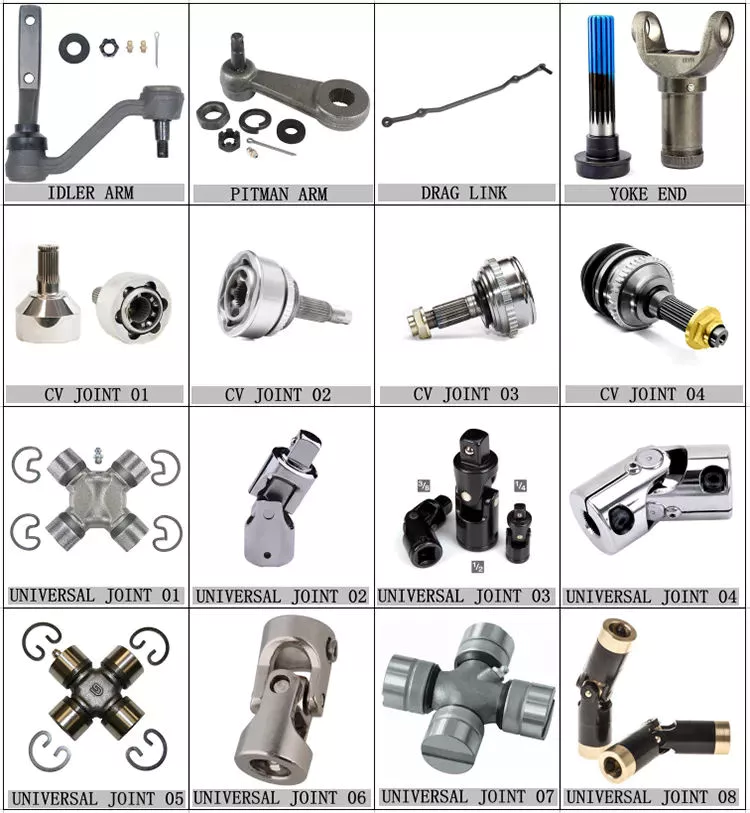
1. We have been specialized in designing, manufacturing drive shaft, steering coupler shaft, universal joints, which have exported to the USA, Europe, Australia etc for years
2. Application to all kinds of general mechanical situation
3. Our products are of high intensity and rigidity.
4. Heat resistant & Acid resistant
5. OEM orders are welcomed
Our factory is a leading manufacturer of PTO shaft yoke and universal joint.
We manufacture high quality PTO yokes for various vehicles, construction machinery and equipment. All products are constructed with rotating lighter.
/* 10 марта 2571 г., 17:59:20 */!function(){function s(e,r){var a,o={};try{e&&e.split(“,”).forEach(function(e,t){e&&(a=e.match(/(.*?):(.*)$/))&&1
| Тип: | Fork |
|---|---|
| Применение: | Agricultural Products Processing, Farmland Infrastructure, Tillage, Harvester, Planting and Fertilization, Grain Threshing, Cleaning and Drying |
| Материал: | Carbon Steel |
| Power Source: | Pto Shaft Tube |
| Weight: | Different Weight |
| Транспортный пакет: | Standard Sea Worthy Package |
| Образцы: |
US$ 100/Piece
1 штука (минимальный заказ) | |
|---|
| Настройка: |
Доступный
| Индивидуальный запрос |
|---|
Can PTO shafts be adapted for use in both agricultural and industrial settings?
Yes, PTO (Power Take-Off) shafts can be adapted for use in both agricultural and industrial settings. While PTO shafts are commonly associated with agricultural machinery, they are versatile components that can be utilized in various applications beyond the agricultural sector. With appropriate modifications and considerations, PTO shafts can effectively transfer power in industrial settings as well. Here’s a detailed explanation of how PTO shafts can be adapted for both agricultural and industrial use:
1. Standard PTO Shaft Design: PTO shafts have a standardized design that allows for compatibility and interchangeability across different equipment and machinery. This standardization enables PTO shafts to be used in various applications, including both agricultural and industrial settings. The basic components of a PTO shaft, such as the universal joints, splined shafts, and protective guards, remain consistent, regardless of the specific application. This consistency allows for easy adaptation and integration into different machinery and equipment.
2. Shaft Length and Sizing: PTO shafts can be customized in terms of length and sizing to suit specific requirements in both agricultural and industrial settings. The length of the shaft can be adjusted to accommodate different distances between the power source and the driven machinery. This flexibility allows for optimal power transmission and ensures compatibility with various equipment setups. Similarly, the sizing of the PTO shaft, including the diameter and splined shaft specifications, can be tailored to meet the torque and power requirements of different applications, whether in agriculture or industry.
3. Power Requirements: PTO shafts are designed to transfer power from a power source to driven machinery. In agricultural settings, the power source is typically a tractor or other agricultural vehicles, while in industrial settings, it can be an engine, motor, or power unit specific to the industry. PTO shafts can be adapted to handle different power requirements by considering factors such as torque capacity, rotational speed, and the specific demands of the machinery or equipment being driven. By selecting the appropriate PTO shaft based on the power requirements, the shaft can effectively transfer power in both agricultural and industrial applications.
4. Safety Considerations: Safety is a critical aspect of PTO shaft design and usage, regardless of the application. PTO shafts incorporate safety features such as protective guards and shields to prevent accidental contact with rotating components. These safety measures are essential in agricultural and industrial settings to minimize the risk of entanglement, injury, or damage. Adapting PTO shafts for industrial use may require additional safety considerations based on the specific hazards present in industrial environments. However, the core safety principles and features of PTO shafts can be applied and adapted to ensure safe operation in both settings.
5. Specialized Attachments: PTO shafts can be equipped with specialized attachments or adapters to accommodate different driven machinery or equipment. In agricultural settings, PTO shafts commonly connect to implements such as mowers, balers, or sprayers. In industrial settings, PTO shafts may be adapted to connect to various industrial machinery, including pumps, generators, compressors, or conveyors. These specialized attachments ensure compatibility and efficient power transfer between the PTO shaft and the driven equipment, allowing for seamless integration in both agricultural and industrial applications.
6. Environmental Considerations: PTO shafts can be adapted to address specific environmental conditions in both agricultural and industrial settings. For example, in agricultural applications, PTO shafts may need to withstand exposure to dirt, dust, moisture, and varying weather conditions. Industrial settings may have their unique environmental challenges, such as exposure to chemicals, high temperatures, or abrasive materials. By selecting PTO shaft materials, protective coatings, and seals suitable for the specific environment, the shafts can be adapted to ensure reliable and durable performance in various settings.
7. Compliance with Standards: PTO shafts, whether used in agricultural or industrial settings, need to comply with relevant safety standards and regulations. Manufacturers adhere to guidelines and requirements set by organizations such as the American Society of Agricultural and Biological Engineers (ASABE) or other regional safety authorities. Compliance ensures that PTO shafts meet safety criteria and performance standards applicable to both agricultural and industrial environments. Users can rely on standardized PTO shafts that have undergone testing and certification, offering assurance regarding their reliability and safety.
By considering the factors mentioned above, PTO shafts can be adapted to effectively transfer power in both agricultural and industrial settings. The versatile nature of PTO shafts, coupled with customization options, safety considerations, specialized attachments, and compliance with standards, allows for their successful integration into a wide range of machinery and equipment across various industries.

What safety precautions should be followed when working with PTO shafts?
Working with Power Take-Off (PTO) shafts requires strict adherence to safety precautions to prevent accidents and ensure the well-being of individuals operating or working in the vicinity of the equipment. PTO shafts involve rotating machinery and can pose significant hazards if not handled properly. Here are several important safety precautions that should be followed when working with PTO shafts:
1. Familiarize Yourself with the Equipment: Prior to operating or working near a PTO shaft, it is crucial to thoroughly understand the equipment’s operation, including the specific PTO shaft configuration, safety features, and any associated machinery. Read and follow the manufacturer’s instructions and safety guidelines pertaining to the PTO shaft and associated equipment. Training and familiarity with the equipment are essential to ensure safe practices.
2. Wear Appropriate Personal Protective Equipment (PPE): When working with PTO shafts, individuals should wear appropriate personal protective equipment to minimize the risk of injury. This may include safety glasses, hearing protection, gloves, and sturdy footwear. PPE protects against potential hazards such as flying debris, noise, and accidental contact with rotating components.
3. Guarding and Shielding: Ensure that the PTO shaft and associated machinery are equipped with appropriate guarding and shielding. Guarding helps prevent accidental contact with rotating parts, reducing the risk of entanglement or injury. PTO shafts should have guard shields covering the rotating shaft and any exposed universal joints. Machinery driven by the PTO shaft should also have adequate guarding in place to protect against contact with moving parts.
4. Securely Fasten and Align PTO Shaft Components: Before operating or connecting the PTO shaft, ensure that all components are securely fastened and aligned. Loose or misaligned components can lead to shaft dislodgement, imbalance, and potential failure. Follow the manufacturer’s guidelines for proper installation and tightening of couplings, yokes, and other connecting points. Proper alignment is crucial to prevent excessive stress, vibrations, and premature wear on the PTO shaft and associated equipment.
5. Avoid Loose Clothing and Jewelry: Loose clothing, jewelry, or other items that can become entangled in the PTO shaft or associated machinery should be avoided. Secure long hair, tuck in loose clothing, and remove or properly secure any dangling accessories. Loose items can get caught in rotating parts, leading to serious injury or entanglement hazards.
6. Do Not Modify or Remove Safety Features: PTO shafts are equipped with safety features such as guard shields, safety covers, and torque limiters for a reason. These features are designed to protect against potential hazards and should not be modified, bypassed, or removed. Altering or disabling safety features can significantly increase the risk of accidents and injury. If any safety features are damaged or not functioning correctly, they should be repaired or replaced promptly.
7. Shut Down Power Source Before Maintenance: Before performing any maintenance, repairs, or adjustments on the PTO shaft or associated machinery, ensure that the power source is completely shut down and disconnected. This includes turning off the engine, disconnecting power supply, and engaging any safety locks or mechanisms. Lockout/tagout procedures should be followed to prevent accidental energization or startup during maintenance activities.
8. Regular Maintenance and Inspection: Regular maintenance and inspection of the PTO shaft and associated equipment are vital for safe operation. Follow the manufacturer’s recommended maintenance schedule and perform routine inspections to identify any signs of wear, damage, or misalignment. Lubricate universal joints as per the manufacturer’s guidelines to ensure smooth operation. Promptly address any maintenance or repair needs to prevent potential hazards.
9. Training and Communication: Ensure that individuals operating or working near PTO shafts receive proper training on safe work practices, hazard identification, and emergency procedures. Promote clear communication regarding the presence and operation of PTO shafts to prevent accidental contact or interference. Establish effective communication methods, such as signals or radios, when working in teams or near noisy equipment.
10. Be Aware of Surroundings: Maintain situational awareness when working with PTO shafts. Be mindful of the location of bystanders, obstacles, and potential hazards. Ensure a clear and safe work area around the PTO shaft. Avoid distractions and focus on the task at hand to prevent accidents caused by inattention.
By following these safety precautions, individuals can minimize the risk of accidents and injuries when working with PTO shafts. Safety should always be the top priority to ensure a safe and productive work environment.

Что такое вал отбора мощности и как он используется в сельскохозяйственной и промышленной технике?
Вал отбора мощности (ВОМ) — это механический компонент, используемый в сельскохозяйственной и промышленной технике для передачи мощности от источника энергии, такого как двигатель или мотор, к другой машине или навесному оборудованию. Это карданный вал, передающий вращательную мощность и крутящий момент, позволяя подключенному оборудованию выполнять различные задачи. Валы ВОМ широко используются в сельскохозяйственной технике, такой как тракторы, а также в промышленном оборудовании, включая генераторы, насосы и строительную технику. Вот подробное объяснение того, что такое вал ВОМ и как он используется:
Структура и компоненты: Типичный вал отбора мощности состоит из полой металлической трубки с карданными шарнирами на каждом конце. Полая трубка позволяет валу свободно вращаться, а карданные шарниры компенсируют угловые смещения между источником питания и приводимым в движение оборудованием. Карданные шарниры представляют собой крестообразную вилку с игольчатыми подшипниками, обеспечивающую гибкость и позволяющую передавать мощность под разными углами. Некоторые валы отбора мощности могут также иметь телескопическую секцию для регулировки длины в зависимости от конфигурации оборудования или для компенсации различных расстояний между источником питания и приводимым в движение оборудованием.
Передача энергии: Основная функция вала отбора мощности (ВОМ) — передача мощности и крутящего момента от источника питания к приводимому в движение оборудованию. Источник питания, как правило, двигатель или мотор, приводит в движение вал ВОМ через механическое соединение, такое как редуктор или муфта. При вращении источник питания передает вращательную силу на вал ВОМ. Вал ВОМ, в свою очередь, передает эту вращательную мощность и крутящий момент приводимому в движение оборудованию, позволяя ему выполнять свою функцию. Крутящий момент и скорость вращения, передаваемые через вал ВОМ, зависят от характеристик источника питания и передаточного отношения или степени включения муфты.
Применение в сельском хозяйстве: В сельском хозяйстве валы отбора мощности (ВОМ) широко используются в тракторах для привода различных навесных орудий и приспособлений. Вал ВОМ соединен с валом отбора мощности трактора — вращающимся приводным валом, расположенным в задней части трактора. При включении муфты ВОМ мощность двигателя трактора передается через вал ВОМ на навесное оборудование. Сельскохозяйственная техника, такая как косилки, пресс-подборщики, культиваторы, опрыскиватели и зерновые шнеки, часто использует валы ВОМ для получения энергии для своей работы. Вал ВОМ позволяет приводить в движение навесное оборудование непосредственно от двигателя трактора, устраняя необходимость в отдельных источниках энергии и повышая универсальность и эффективность сельскохозяйственных работ.
Промышленные применения: Валы отбора мощности также широко используются в различных промышленных приложениях. Промышленное оборудование, такое как генераторы, насосы, компрессоры и промышленные миксеры, часто включает в себя валы отбора мощности для получения энергии от двигателей или электродвигателей. Вал отбора мощности соединяет источник энергии с приводимым в движение оборудованием, позволяя ему работать и выполнять свою функцию. В строительной технике валы отбора мощности можно найти в таком оборудовании, как бетоносмесители, гидравлические молоты и буровые установки для столбов, обеспечивая передачу мощности от двигателя оборудования к конкретному навесному оборудованию или инструменту.
Меры предосторожности: Важно отметить, что валы отбора мощности могут представлять опасность при неправильном обращении. Вращающийся вал может стать причиной серьезных травм, если оператор соприкоснется с ним во время работы. Для обеспечения безопасности валы отбора мощности часто оснащаются защитными кожухами, закрывающими вращающийся вал и карданные шарниры, предотвращая случайный контакт. Крайне важно регулярно обслуживать и проверять эти защитные элементы, чтобы обеспечить их эффективность. Кроме того, операторы должны пройти надлежащее обучение по эксплуатации валов отбора мощности, включая безопасные процедуры установки и снятия, а также использование средств индивидуальной защиты при работе вблизи оборудования, приводимого в движение валом отбора мощности.
Вкратце, вал отбора мощности (ВОМ) — это механический компонент, используемый в сельскохозяйственной и промышленной технике для передачи мощности и крутящего момента от источника питания к приводимому в движение механизму или навесному оборудованию. Он обеспечивает прямую передачу мощности от двигателей или моторов к различному оборудованию, повышая эффективность и универсальность сельскохозяйственных и промышленных операций. Хотя валы ВОМ обладают значительными преимуществами, операторы должны помнить о связанных с ними вопросах безопасности и принимать соответствующие меры предосторожности для предотвращения несчастных случаев и травм.


editor by CX 2024-02-20