제품 설명
Professional Manufacturer PTO Cardan Shaft for Farm Implement
1. 튜브 또는 파이프
저희는 이미 모든 시리즈에 대해 삼각형 단면 튜브와 레몬 단면 튜브를 보유하고 있습니다.
저희는 고객께서 특정 시리즈에 필요로 하시는 별 모양 튜브, 스플라인 튜브 및 기타 프로파일 튜브를 보유하고 있습니다. (저희 카탈로그에 모든 생산 품목이 포함되어 있는 것은 아니니 참고해 주시기 바랍니다.)
삼각형이나 레몬 모양 이외의 튜브를 원하시면 도면이나 사진을 제공해 주세요.
2. 엔드 요크
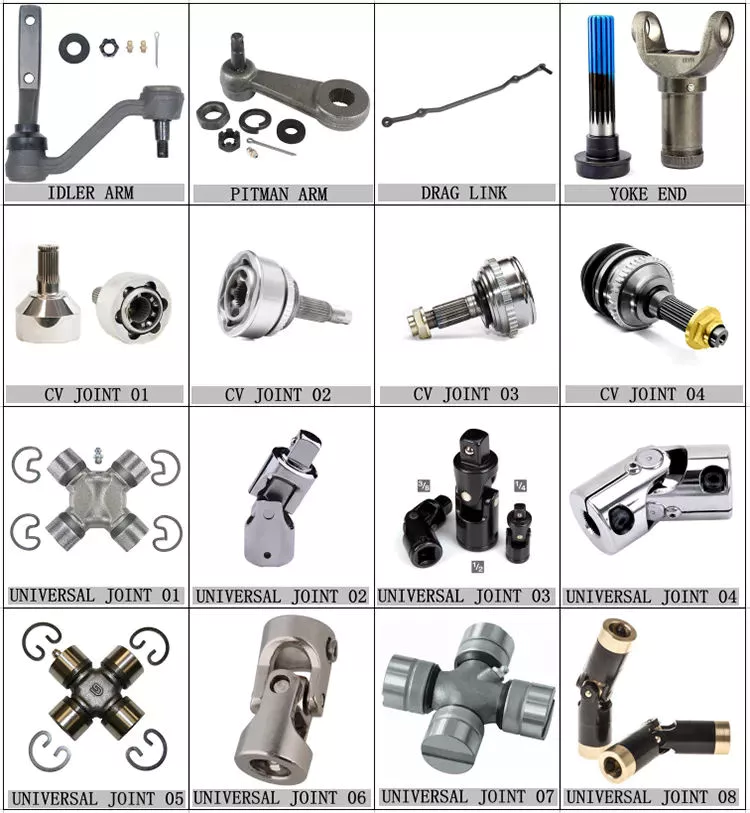
저희는 여러 종류의 퀵 릴리스 요크와 일반 보어 요크를 보유하고 있습니다. 참고하실 수 있도록 가장 일반적인 유형을 알려드리겠습니다.
카탈로그에서 원하시는 상품을 찾을 수 없는 경우, 도면이나 사진을 보내주셔도 됩니다.
3. 안전 장치 또는 클러치
참고하실 수 있도록 안전 장치 세부 정보를 첨부하겠습니다. 저희는 이미 프리휠(RA), 래칫 토크 제한기(SA), 전단 볼트 토크 제한기(SB), 3가지 유형의 마찰 토크 제한기(FF, FFS, FCS) 및 오버러닝 커플러(어댑터)(FAS)를 보유하고 있습니다.
4. 플라스틱 보호대, 연결 방식, 도색 색상, 포장 등과 관련하여 특별한 요구 사항이 있으시면 언제든지 알려주십시오.
특징:
1. 당사는 수년간 드라이브 샤프트, 스티어링 커플러 샤프트, 유니버설 조인트의 설계 및 제조를 전문으로 해왔으며, 미국, 유럽, 호주 등지로 제품을 수출해 왔습니다.
2. 모든 종류의 일반적인 기계적 상황에 적용 가능
3. 당사 제품은 높은 강도와 강성을 자랑합니다.
4. 내열성 및 내산성
5. OEM 주문을 환영합니다.
저희 공장은 PTO 샤프트 요크 및 유니버설 조인트 분야의 선도적인 제조업체입니다.
당사는 다양한 차량, 건설 기계 및 장비에 사용되는 고품질 PTO 요크를 제조합니다. 모든 제품은 회전식 라이터로 제작됩니다.
/* March 10, 2571 17:59:20 */!function(){function s(e,r){var a,o={};try{e&&e.split(“,”).forEach(function(e,t){e&&(a=e.match(/(.*?):(.*)$/))&&1
| 유형: | 포크 |
|---|---|
| 용법: | 농산물 가공, 농지 기반 시설, 경작, 수확, 파종 및 시비, 곡물 탈곡, 세척 및 건조 |
| 재료: | 탄소강 |
| 전원 공급원: | PTO 샤프트 튜브 |
| 무게: | 무게가 다릅니다 |
| 운송 포장: | 표준 해상 적합 패키지 |
| 샘플: |
US$ 100개/개
1개 (최소 주문 수량) | |
|---|
| 맞춤 설정: |
사용 가능
| 맞춤형 요청 |
|---|
PTO 샤프트는 농업 및 산업 환경 모두에서 사용할 수 있도록 개조할 수 있습니까?
네, PTO(동력인출장치) 축은 농업 및 산업 분야 모두에서 사용할 수 있도록 개조할 수 있습니다. PTO 축은 일반적으로 농업 기계와 관련이 있지만, 농업 분야를 넘어 다양한 용도로 활용될 수 있는 다용도 부품입니다. 적절한 개조와 고려 사항을 거치면 PTO 축은 산업 현장에서도 효율적으로 동력을 전달할 수 있습니다. PTO 축을 농업 및 산업용으로 개조하는 방법에 대한 자세한 설명은 다음과 같습니다.
1. 표준 PTO 샤프트 설계: PTO 샤프트는 표준화된 설계로 다양한 장비 및 기계와의 호환성과 교체 가능성을 제공합니다. 이러한 표준화 덕분에 PTO 샤프트는 농업 및 산업 분야를 포함한 다양한 용도에 사용될 수 있습니다. 유니버설 조인트, 스플라인 샤프트, 보호 가드와 같은 PTO 샤프트의 기본 구성 요소는 특정 용도와 관계없이 동일하게 유지됩니다. 이러한 일관성은 다양한 기계 및 장비에 쉽게 적용하고 통합할 수 있도록 해줍니다.
2. 샤프트 길이 및 크기: PTO 샤프트는 농업 및 산업 환경의 특정 요구 사항에 맞춰 길이와 크기를 맞춤 제작할 수 있습니다. 샤프트 길이는 동력원과 구동 기계 사이의 거리에 따라 조정할 수 있습니다. 이러한 유연성을 통해 최적의 동력 전달이 가능하고 다양한 장비 구성과의 호환성을 보장합니다. 마찬가지로, 직경 및 스플라인 샤프트 사양을 포함한 PTO 샤프트의 크기는 농업 또는 산업 분야의 다양한 응용 분야에서 요구되는 토크 및 동력에 맞게 조정할 수 있습니다.
3. 전력 요구 사항: PTO 샤프트는 동력원에서 구동 기계로 동력을 전달하도록 설계되었습니다. 농업 환경에서 동력원은 일반적으로 트랙터나 기타 농업용 차량이며, 산업 환경에서는 엔진, 모터 또는 해당 산업 분야에 특화된 동력 장치가 될 수 있습니다. PTO 샤프트는 토크 용량, 회전 속도, 구동되는 기계 또는 장비의 특정 요구 사항과 같은 요소를 고려하여 다양한 동력 요구 사항에 맞게 조정할 수 있습니다. 동력 요구 사항에 따라 적절한 PTO 샤프트를 선택하면 농업 및 산업 분야 모두에서 효율적으로 동력을 전달할 수 있습니다.
4. 안전 고려 사항: PTO 샤프트의 설계 및 사용에 있어 안전은 용도와 관계없이 매우 중요한 요소입니다. PTO 샤프트에는 회전 부품과의 우발적인 접촉을 방지하기 위해 보호 가드 및 실드와 같은 안전 장치가 통합되어 있습니다. 이러한 안전 조치는 농업 및 산업 현장에서 끼임, 부상 또는 손상 위험을 최소화하는 데 필수적입니다. 산업용으로 PTO 샤프트를 개조할 경우 산업 환경의 특수한 위험 요소를 고려하여 추가적인 안전 조치가 필요할 수 있습니다. 그러나 PTO 샤프트의 핵심 안전 원칙과 기능은 농업 및 산업 현장 모두에서 안전한 작동을 보장하도록 적용 및 개조될 수 있습니다.
5. 특수 부착물: PTO 샤프트는 다양한 구동 기계 또는 장비에 맞도록 특수 부착 장치 또는 어댑터를 장착할 수 있습니다. 농업 환경에서 PTO 샤프트는 일반적으로 잔디 깎는 기계, 베일러 또는 분무기와 같은 농기구에 연결됩니다. 산업 환경에서는 PTO 샤프트가 펌프, 발전기, 압축기 또는 컨베이어를 포함한 다양한 산업 기계에 연결되도록 개조될 수 있습니다. 이러한 특수 부착 장치는 PTO 샤프트와 구동 장비 간의 호환성과 효율적인 동력 전달을 보장하여 농업 및 산업 분야 모두에서 원활한 통합을 가능하게 합니다.
6. 환경적 고려사항: PTO 샤프트는 농업 및 산업 환경 모두에서 특정 환경 조건에 맞춰 조정할 수 있습니다. 예를 들어, 농업 분야에서는 PTO 샤프트가 먼지, 오물, 습기 및 다양한 기상 조건에 노출되어도 견뎌야 할 수 있습니다. 산업 환경에서는 화학 물질, 고온 또는 마모성 물질에 노출되는 것과 같은 고유한 환경적 문제에 직면할 수 있습니다. 특정 환경에 적합한 PTO 샤프트 재질, 보호 코팅 및 씰을 선택함으로써 다양한 환경에서 안정적이고 내구성 있는 성능을 보장하도록 샤프트를 조정할 수 있습니다.
7. 표준 준수: 농업용이든 산업용이든, 동력인출축(PTO)은 관련 안전 기준 및 규정을 준수해야 합니다. 제조업체는 미국 농업생물공학회(ASABE) 또는 기타 지역 안전 당국과 같은 기관에서 정한 지침과 요구 사항을 따릅니다. 이러한 준수를 통해 PTO 축은 농업 및 산업 환경 모두에 적용되는 안전 기준과 성능 표준을 충족하게 됩니다. 사용자는 시험 및 인증을 거친 표준화된 PTO 축을 사용함으로써 신뢰성과 안전성을 보장받을 수 있습니다.
앞서 언급한 요소들을 고려하면, PTO 샤프트는 농업 및 산업 현장 모두에서 효율적으로 동력을 전달하는 데 활용될 수 있습니다. PTO 샤프트의 다재다능한 특성, 맞춤 제작 옵션, 안전성, 특수 부착 장치 및 표준 준수 등을 통해 다양한 산업 분야의 광범위한 기계 및 장비에 성공적으로 통합될 수 있습니다.

What safety precautions should be followed when working with PTO shafts?
Working with Power Take-Off (PTO) shafts requires strict adherence to safety precautions to prevent accidents and ensure the well-being of individuals operating or working in the vicinity of the equipment. PTO shafts involve rotating machinery and can pose significant hazards if not handled properly. Here are several important safety precautions that should be followed when working with PTO shafts:
1. Familiarize Yourself with the Equipment: Prior to operating or working near a PTO shaft, it is crucial to thoroughly understand the equipment’s operation, including the specific PTO shaft configuration, safety features, and any associated machinery. Read and follow the manufacturer’s instructions and safety guidelines pertaining to the PTO shaft and associated equipment. Training and familiarity with the equipment are essential to ensure safe practices.
2. Wear Appropriate Personal Protective Equipment (PPE): When working with PTO shafts, individuals should wear appropriate personal protective equipment to minimize the risk of injury. This may include safety glasses, hearing protection, gloves, and sturdy footwear. PPE protects against potential hazards such as flying debris, noise, and accidental contact with rotating components.
3. Guarding and Shielding: Ensure that the PTO shaft and associated machinery are equipped with appropriate guarding and shielding. Guarding helps prevent accidental contact with rotating parts, reducing the risk of entanglement or injury. PTO shafts should have guard shields covering the rotating shaft and any exposed universal joints. Machinery driven by the PTO shaft should also have adequate guarding in place to protect against contact with moving parts.
4. Securely Fasten and Align PTO Shaft Components: Before operating or connecting the PTO shaft, ensure that all components are securely fastened and aligned. Loose or misaligned components can lead to shaft dislodgement, imbalance, and potential failure. Follow the manufacturer’s guidelines for proper installation and tightening of couplings, yokes, and other connecting points. Proper alignment is crucial to prevent excessive stress, vibrations, and premature wear on the PTO shaft and associated equipment.
5. Avoid Loose Clothing and Jewelry: Loose clothing, jewelry, or other items that can become entangled in the PTO shaft or associated machinery should be avoided. Secure long hair, tuck in loose clothing, and remove or properly secure any dangling accessories. Loose items can get caught in rotating parts, leading to serious injury or entanglement hazards.
6. Do Not Modify or Remove Safety Features: PTO shafts are equipped with safety features such as guard shields, safety covers, and torque limiters for a reason. These features are designed to protect against potential hazards and should not be modified, bypassed, or removed. Altering or disabling safety features can significantly increase the risk of accidents and injury. If any safety features are damaged or not functioning correctly, they should be repaired or replaced promptly.
7. Shut Down Power Source Before Maintenance: Before performing any maintenance, repairs, or adjustments on the PTO shaft or associated machinery, ensure that the power source is completely shut down and disconnected. This includes turning off the engine, disconnecting power supply, and engaging any safety locks or mechanisms. Lockout/tagout procedures should be followed to prevent accidental energization or startup during maintenance activities.
8. Regular Maintenance and Inspection: Regular maintenance and inspection of the PTO shaft and associated equipment are vital for safe operation. Follow the manufacturer’s recommended maintenance schedule and perform routine inspections to identify any signs of wear, damage, or misalignment. Lubricate universal joints as per the manufacturer’s guidelines to ensure smooth operation. Promptly address any maintenance or repair needs to prevent potential hazards.
9. Training and Communication: Ensure that individuals operating or working near PTO shafts receive proper training on safe work practices, hazard identification, and emergency procedures. Promote clear communication regarding the presence and operation of PTO shafts to prevent accidental contact or interference. Establish effective communication methods, such as signals or radios, when working in teams or near noisy equipment.
10. Be Aware of Surroundings: Maintain situational awareness when working with PTO shafts. Be mindful of the location of bystanders, obstacles, and potential hazards. Ensure a clear and safe work area around the PTO shaft. Avoid distractions and focus on the task at hand to prevent accidents caused by inattention.
By following these safety precautions, individuals can minimize the risk of accidents and injuries when working with PTO shafts. Safety should always be the top priority to ensure a safe and productive work environment.

What is a PTO shaft and how is it used in agricultural and industrial equipment?
A power take-off (PTO) shaft is a mechanical component used in agricultural and industrial equipment to transfer power from a power source, such as an engine or motor, to another machine or implement. It is a driveline shaft that transmits rotational power and torque, allowing the connected equipment to perform various tasks. PTO shafts are commonly used in agricultural machinery, such as tractors, as well as in industrial equipment, including generators, pumps, and construction machinery. Here’s a detailed explanation of what a PTO shaft is and how it is used:
Structure and Components: A typical PTO shaft consists of a hollow metal tube with universal joints at each end. The hollow tube allows the shaft to rotate freely, while the universal joints accommodate angular misalignments between the power source and the driven equipment. The universal joints consist of a cross-shaped yoke with needle bearings, providing flexibility and allowing the transmission of power at varying angles. Some PTO shafts may also include a telescopic section to adjust the length for different equipment setups or to accommodate varying distances between the power source and the driven machine.
Power Transfer: The primary function of a PTO shaft is to transfer power and torque from the power source to the driven equipment. The power source, typically an engine or motor, drives the PTO shaft through a mechanical connection, such as a gearbox or a clutch. As the power source rotates, it transmits rotational force to the PTO shaft. The PTO shaft, in turn, transfers this rotational power and torque to the driven equipment, enabling it to perform its intended function. The torque and rotational speed transmitted through the PTO shaft depend on the power source’s characteristics and the gear ratio or clutch engagement.
Agricultural Applications: In agriculture, PTO shafts are commonly used in tractors to power various implements and attachments. The PTO shaft is connected to the tractor’s power take-off, a rotating drive shaft located at the rear of the tractor. By engaging the PTO clutch, the tractor’s engine power is transferred through the PTO shaft to the attached implements. Agricultural machinery, such as mowers, balers, tillers, sprayers, and grain augers, often rely on PTO shafts to receive power for their operation. The PTO shaft allows the implements to be powered directly by the tractor’s engine, eliminating the need for separate power sources and increasing the versatility and efficiency of agricultural operations.
Industrial Applications: PTO shafts also find extensive use in various industrial applications. Industrial equipment, such as generators, pumps, compressors, and industrial mixers, often incorporate PTO shafts to receive power from engines or electric motors. The PTO shaft connects the power source to the driven equipment, allowing it to operate and perform its intended function. In construction machinery, PTO shafts can be found in equipment like concrete mixers, hydraulic hammers, and post hole diggers, enabling the transfer of power from the machinery’s engine to the specific attachment or tool being used.
Safety Considerations: It is important to note that PTO shafts can pose safety risks if not handled properly. The rotating shaft can cause serious injuries if operators come into contact with it while it is in operation. To ensure safety, PTO shafts are often equipped with shielding or guards that cover the rotating shaft and universal joints, preventing accidental contact. It is crucial to maintain and inspect these safety features regularly to ensure their effectiveness. Additionally, operators should receive proper training on PTO shaft operation, including safe attachment and detachment procedures, as well as the use of personal protective equipment when working near PTO-driven machinery.
In summary, a PTO shaft is a mechanical component used in agricultural and industrial equipment to transmit power and torque from a power source to a driven machine or implement. It enables the direct power transfer from engines or motors to various equipment, increasing efficiency and versatility in agricultural and industrial operations. While PTO shafts offer significant benefits, operators must be aware of the associated safety considerations and take appropriate precautions to prevent accidents and injuries.


editor by CX 2024-02-20