
Descrição do produto
Pto Shaft Agricultural Driveline Spline Pto Shaft Factory Transmission for Tractor Parts Drive Propeller Shaft
eixo da tomada de força
The power take-off (PTO) is a sophisticated mechanism, allowing implements to draw energy from the engine and transmit it to another application. It works as a mechanical gearbox which can be mounted on the vehicle’s transmission.
The power take-off shaft (PTO shaft) is a critical component, designed and manufactured for continuous heavy-duty use. A good PTO shaft should be strong enough to bear the torsion and shear stress and minimize vibration.
EP Group has been internationally recognized as a reliable global supplier. Our state-of-the-art manufacturing process and
experienced engineers ensure the top-quality of all Farinia components.
|
Número do modelo |
05(Push Pin)+RA2(Overrunning Clutch) |
|
Função |
Transmissão de potência |
|
Usar |
Tratores e diversos implementos agrícolas |
|
Tipo de garfo |
push pin/quick release/ball attachment/collar/double push pin/bolt pins/split pins |
|
Processamento de jugo |
Forjamento |
|
Capa de plástico |
YW;BW;YS;BS |
|
Cor |
Yellow;black,customized |
|
Série |
1S;2S;3S;4S;5S;6S;7S;8S;9S;10S;38S;48S;36 |
|
Tipo de tubo |
Triângulo/estrela/limão |
|
Processamento de Tubos |
Desenho a frio |
|
Tipo Spline |
1 3/8″ Z6; 1 3/8 Z21 ;1 3/4 Z20;1 1/8 Z6; 1 3/4 Z6; 8*42*48*8; 8*32*38*6 |
Aplicativo:
We also provide agricultural machinery gearboxes
/* 22 de janeiro de 2571 19:08:37 */!function(){function s(e,r){var a,o={};try{e&&e.split(“”,).forEach(function(e,t){e&&(a=e.match(/(.*?):(.*)$/))&&1
| Material: | Aço carbono |
|---|---|
| Carregar: | Eixo de transmissão |
| Rigidez e flexibilidade: | Rigidez / Eixo Rígido |
| Precisão dimensional do diâmetro do munhão: | IT6-IT9 |
| Formato do eixo: | Crankshaft |
| Formato do eixo: | Optic Axis |
| Exemplos: |
US$ 30/Piece
1 unidade (pedido mínimo) | |
|---|
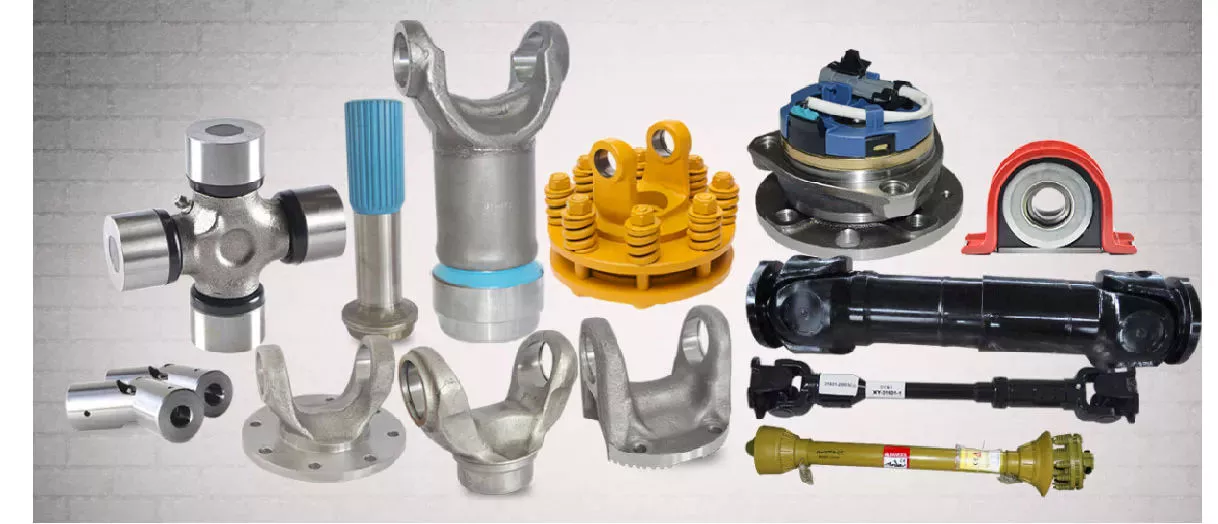
Existem variações nos projetos de eixos de tomada de força (PTO) para diferentes tipos de máquinas?
Sim, existem variações nos projetos de eixos de tomada de força (TDF) para atender às necessidades específicas de diferentes tipos de máquinas. Os eixos de TDF são componentes altamente versáteis e adaptáveis, usados para transferir energia de uma fonte, como um trator ou motor, para máquinas ou equipamentos acionados. As variações de projeto nos eixos de TDF são necessárias para garantir compatibilidade, eficiência e segurança em diversas aplicações. Aqui está uma explicação detalhada dos diferentes projetos de eixos de TDF para diferentes tipos de máquinas:
1. Eixos de tomada de força padrão: Eixos de tomada de força (TDF) padrão são o modelo mais comum e amplamente utilizados em diversas aplicações. Normalmente, consistem em um eixo de aço maciço com uma junta universal em cada extremidade. Essas juntas universais permitem o desalinhamento angular entre a fonte de energia e a máquina acionada. Os eixos de TDF padrão são adequados para aplicações em que a distância entre a fonte de energia e a máquina acionada permanece relativamente fixa. São comumente utilizados em implementos agrícolas, como segadoras, enfardadeiras, cultivadores e semeadoras, bem como em aplicações industriais.
2. Eixos telescópicos da tomada de força: Eixos telescópicos de tomada de força (TDF) possuem um design telescópico que permite o ajuste do comprimento. Esses eixos consistem em dois ou mais eixos concêntricos que podem deslizar uns dentro dos outros. Os eixos telescópicos de TDF são vantajosos em aplicações onde a distância entre a fonte de energia e a máquina acionada varia. Ao ajustar o comprimento do eixo, os operadores podem garantir a transmissão adequada de potência sem o risco de o eixo arrastar no chão ou ser curto demais para alcançar o equipamento. Os eixos telescópicos de TDF são comumente usados em implementos frontais, sopradores de neve, vagões autocarregáveis e outras aplicações onde a distância entre a fonte de energia e o implemento muda.
3. Eixos de tomada de força (TDF) CV (velocidade constante): Os eixos de tomada de força (PTO) com juntas homocinéticas (CV) incorporam juntas de velocidade constante para acomodar desalinhamentos e variações angulares. Essas juntas mantêm uma velocidade constante e a transferência de torque mesmo quando a máquina acionada está em um ângulo em relação à fonte de energia. Os eixos de tomada de força com juntas homocinéticas são vantajosos em aplicações onde a máquina acionada requer flexibilidade e uma ampla gama de movimentos. Eles são comumente usados em carregadeiras articuladas, manipuladores telescópicos, pulverizadores autopropelidos e outros equipamentos que exigem transmissão contínua de potência enquanto operam em vários ângulos.
4. Eixos da tomada de força acionados por caixa de engrenagens: Algumas máquinas exigem relações específicas de velocidade ou torque entre a fonte de energia e o equipamento acionado. Nesses casos, os eixos de tomada de força (TDF) podem incorporar sistemas de engrenagens. Os eixos de TDF acionados por caixa de engrenagens permitem a redução ou o aumento da velocidade e podem inverter o sentido de rotação, se necessário. As relações de engrenagem na caixa de engrenagens podem ser ajustadas para atender aos requisitos de velocidade e torque da máquina acionada. Esses eixos de TDF são comumente usados em aplicações onde a fonte de energia opera em um nível de velocidade ou torque diferente do equipamento que aciona, como em certos processos de fabricação industrial e máquinas especializadas.
5. Eixos de tomada de força de alto torque: Algumas máquinas pesadas exigem altos níveis de torque para a transmissão de potência. Os eixos de tomada de força (TDF) de alto torque são projetados para lidar com essas aplicações exigentes. Eles são construídos com componentes reforçados, incluindo eixos de maior diâmetro e juntas universais mais robustas, para suportar as maiores necessidades de torque. Os eixos de TDF de alto torque são comumente usados em equipamentos como trituradores de madeira, britadores e implementos agrícolas pesados que requerem potência e torque substanciais para sua operação.
6. Eixos de tomada de força de segurança: A segurança é uma consideração crucial ao usar eixos de tomada de força (TDF). Os eixos de TDF de segurança incorporam mecanismos para reduzir o risco de acidentes e lesões. Uma característica de segurança comum é o uso de proteções que cobrem o eixo rotativo para evitar contato acidental. Essas proteções são geralmente feitas de metal ou plástico e são projetadas para proteger os componentes rotativos, permitindo o movimento necessário para a transmissão de potência. Os eixos de TDF de segurança são usados em diversas aplicações onde o risco de emaranhamento ou contato acidental com o eixo rotativo é alto, como em cortadores de grama, roçadeiras e outros equipamentos usados em paisagismo e agricultura.
Estas são algumas das principais variações nos projetos de eixos de tomada de força (TDF) para diferentes tipos de máquinas. O projeto específico utilizado depende de fatores como os requisitos da aplicação, as características da fonte de energia, os níveis de torque, a flexibilidade de movimento e as considerações de segurança. Os fabricantes de eixos de TDF oferecem uma gama de projetos para garantir a compatibilidade e a transmissão eficiente de potência em diversos setores e aplicações.

How do PTO shafts enhance the performance of tractors and agricultural machinery?
Power Take-Off (PTO) shafts play a crucial role in enhancing the performance of tractors and agricultural machinery. By providing a reliable power transfer mechanism, PTO shafts enable these machines to operate efficiently, effectively, and with increased versatility. Here’s a detailed explanation of how PTO shafts enhance the performance of tractors and agricultural machinery:
1. Transferência de energia: PTO shafts facilitate the transfer of power from the tractor’s engine to various agricultural implements and machinery. The rotating power generated by the engine is transmitted through the PTO shaft to drive the connected equipment. This direct power transfer eliminates the need for separate engines or motors on each implement, reducing complexity, weight, and maintenance requirements. PTO shafts ensure a consistent and reliable power supply, enabling agricultural machinery to perform tasks with optimal efficiency and effectiveness.
2. Versatilidade: PTO shafts provide tractors and agricultural machinery with increased versatility. Since PTO shafts have standardized dimensions and connection methods, a wide range of implements can be easily attached and powered by the same tractor. This versatility allows farmers to quickly switch between different tasks, such as mowing, tilling, planting, and harvesting, without the need for multiple specialized machines. The ability to use a single power unit for various operations reduces costs, saves storage space, and improves overall operational efficiency.
3. Improved Productivity: PTO shafts contribute to improved productivity in agricultural operations. By harnessing the power of tractors, agricultural machinery can operate at higher speeds and with greater efficiency compared to manual or alternative power methods. PTO-driven implements, such as mowers, balers, and harvesters, can cover larger areas and complete tasks more quickly, reducing the time required to perform agricultural operations. This increased productivity allows farmers to accomplish more within a given timeframe, leading to higher crop yields and improved overall farm efficiency.
4. Reduced Labor Requirements: PTO shafts help reduce labor requirements in agricultural operations. By utilizing mechanized equipment powered by PTO shafts, farmers can minimize manual labor and the associated physical effort. Tasks such as plowing, tilling, and harvesting can be performed more efficiently and with less reliance on human labor. This reduction in labor requirements allows farmers to allocate resources more effectively, focus on other essential tasks, and potentially reduce labor costs.
5. Precision and Accuracy: PTO shafts contribute to precision and accuracy in agricultural operations. The consistent power supply from the tractor’s engine ensures uniform operation and performance of the connected machinery. This precision is crucial for tasks such as seed placement, fertilizer or chemical application, and crop harvesting. PTO-driven equipment can provide consistent rotations per minute (RPM) and maintain the necessary operational parameters, resulting in precise and accurate agricultural practices. This precision leads to improved crop quality, reduced waste, and optimized resource utilization.
6. Adaptability to Various Tasks: PTO shafts enhance the adaptability of tractors and agricultural machinery to perform various tasks. With the ability to connect different implements, such as mowers, seeders, sprayers, or balers, via PTO shafts, farmers can quickly transform their tractors into specialized machines for specific operations. This adaptability allows for efficient utilization of equipment across different stages of crop production, enabling farmers to respond to changing needs and conditions in a cost-effective manner.
7. Enhanced Safety: PTO shafts contribute to enhanced safety in agricultural operations. Many PTO shafts are equipped with safety features, such as shields or guards, to protect operators from potential hazards associated with rotating components. These safety measures help prevent entanglement accidents and reduce the risk of injuries. Additionally, by using PTO-driven machinery, farmers can keep a safe distance from certain hazardous tasks, such as mowing or shredding, further improving overall safety on the farm.
8. Integration with Technology: PTO shafts can be integrated with advanced technology and automation systems in modern tractors and agricultural machinery. This integration allows for precise control, data monitoring, and optimization of machine performance. For example, precision guidance systems can be synchronized with PTO-driven implements to ensure accurate seed placement or chemical application. Furthermore, data collection and analysis can provide insights into fuel efficiency, maintenance needs, and overall equipment performance, leading to optimized operation and improved productivity.
In summary, PTO shafts enhance the performance of tractors and agricultural machinery by enabling efficient power transfer, increasing versatility, improving productivity, reducing labor requirements, ensuring precision and accuracy, facilitating adaptability, enhancing safety, and integrating with advanced technologies. These benefits contribute to overall operational efficiency, cost-effectiveness, and the ability of farmers to effectively manage theiragricultural operations.
How do PTO shafts contribute to transferring power from tractors to implements?
PTO shafts (Power Take-Off shafts) play a critical role in transferring power from tractors to implements in agricultural and industrial settings. They provide a reliable and efficient means of power transmission, enabling tractors to drive various implements and perform a wide range of tasks. Here’s a detailed explanation of how PTO shafts contribute to transferring power from tractors to implements:
Fonte de alimentação: Tractors are equipped with powerful engines designed to generate substantial amounts of mechanical power. This power is harnessed to drive the tractor’s wheels and operate hydraulic systems, as well as to provide power for the attachment of implements through the PTO shaft. The PTO shaft typically connects to the rear or side of the tractor, where the power take-off mechanism is located. The power take-off derives power directly from the tractor’s engine or transmission, allowing for efficient power transfer to the PTO shaft.
PTO Shaft Design: PTO shafts are designed as driveline components that transmit rotational power and torque from the tractor’s power take-off to the implement. They consist of a hollow metal tube with universal joints at each end. The universal joints accommodate angular misalignments and allow the PTO shaft to transmit power even when the tractor and implement are not perfectly aligned. The PTO shaft is also equipped with a safety shield or guard to prevent accidental contact with the rotating shaft, ensuring operator safety during operation.
PTO Engagement: To transfer power from the tractor to the implement, the PTO shaft needs to be engaged. Tractors are equipped with a PTO clutch mechanism that allows operators to engage or disengage the PTO shaft as needed. When the PTO clutch is engaged, power flows from the tractor’s engine through the power take-off mechanism and into the PTO shaft. This rotational power is then transmitted through the PTO shaft to the implement, driving its working components.
Rotational Power Transmission: The rotational power generated by the tractor’s engine is transferred to the PTO shaft through the power take-off mechanism. The PTO shaft, being directly connected to the power take-off, rotates at the same speed as the engine. This rotational power is then transmitted from the PTO shaft to the implement’s driveline or gearbox. The implement’s driveline, in turn, distributes the power to the implement’s working components, such as blades, augers, or pumps, enabling them to carry out their respective functions.
Matching Speed and Power: PTO shafts are designed to match the rotational speed and power requirements of various implements. Tractors often feature multiple speed settings for the PTO, allowing operators to select the appropriate speed for the specific implement being used. Different implements may require different rotational speeds to operate optimally, and the PTO shaft allows for easy adjustment to match those requirements. Additionally, the power generated by the tractor’s engine is transmitted through the PTO shaft, providing the necessary torque to drive the implement’s working components effectively.
Versatility and Efficiency: PTO shafts offer significant versatility and efficiency in agricultural and industrial operations. They allow tractors to power a wide range of implements, including mowers, balers, tillers, sprayers, and grain augers, among others. By connecting implements directly to the tractor’s power source, operators can quickly switch between tasks without the need for separate power generators or engines. This versatility and efficiency streamline workflow, reduce costs, and increase overall productivity in agricultural and industrial settings.
Safety Considerations: While PTO shafts are essential for power transmission, they can pose safety risks if mishandled. The rotating shaft and universal joints can cause severe injuries if operators come into contact with them while in operation. That’s why PTO shafts are equipped with safety shields or guards to prevent accidental contact. Operators should always ensure that the safety shields are in place and secure before engaging the PTO shaft. Proper training, adherence to safety guidelines, and regular maintenance of PTO shafts and associated safety features are crucial to ensuring safe operation.
In summary, PTO shafts are vital components that enable the transfer of power from tractors to implements in agricultural and industrial applications. They provide a reliable and efficient means of power transmission, allowing tractors to drive various implements and perform a wide range of tasks. By engaging the PTO clutch and transmitting rotational power through the PTO shaft, tractors power the working components of implements, providing versatility, efficiency, and productivity in agricultural and industrial operations.


editor by CX 2024-04-08

























