
Descrizione del prodotto
Pto Shaft Agricultural Driveline Spline Pto Shaft Factory Transmission for Tractor Parts Drive Propeller Shaft
Albero cardanico
The power take-off (PTO) is a sophisticated mechanism, allowing implements to draw energy from the engine and transmit it to another application. It works as a mechanical gearbox which can be mounted on the vehicle’s transmission.
The power take-off shaft (PTO shaft) is a critical component, designed and manufactured for continuous heavy-duty use. A good PTO shaft should be strong enough to bear the torsion and shear stress and minimize vibration.
EP Group has been internationally recognized as a reliable global supplier. Our state-of-the-art manufacturing process and
experienced engineers ensure the top-quality of all Farinia components.
|
Numero di modello |
05(Push Pin)+RA2(Overrunning Clutch) |
|
Funzione |
Trasmissione di potenza |
|
Utilizzo |
Trattori e vari attrezzi agricoli |
|
Tipo di giogo |
push pin/quick release/ball attachment/collar/double push pin/bolt pins/split pins |
|
Elaborazione del giogo |
Forgiatura |
|
Copertura in plastica |
YW;BW;YS;BS |
|
Colore |
Yellow;black,customized |
|
Serie |
1S;2S;3S;4S;5S;6S;7S;8S;9S;10S;38S;48S;36 |
|
Tipo di tubo |
Triangolare/stella/limone |
|
Lavorazione del tubo |
Estratto a freddo |
|
Tipo scanalato |
1 3/8″ Z6; 1 3/8 Z21 ;1 3/4 Z20;1 1/8 Z6; 1 3/4 Z6; 8*42*48*8; 8*32*38*6 |
Applicazione:
We also provide agricultural machinery gearboxes
/* 22 gennaio 2571 19:08:37 */!function(){function s(e,r){var a,o={};try{e&&e.split(“,”).forEach(function(e,t){e&&(a=e.match(/(.*?):(.*)$/))&&1
| Materiale: | acciaio al carbonio |
|---|---|
| Carico: | Albero di trasmissione |
| Rigidità e flessibilità: | Rigidità / Assale rigido |
| Precisione dimensionale del diametro del perno: | IT6-IT9 |
| Forma dell'asse: | Crankshaft |
| Forma dell'albero: | Asse ottico |
| Esempi: |
US$ 30/Piece
1 pezzo (ordine minimo) | |
|---|
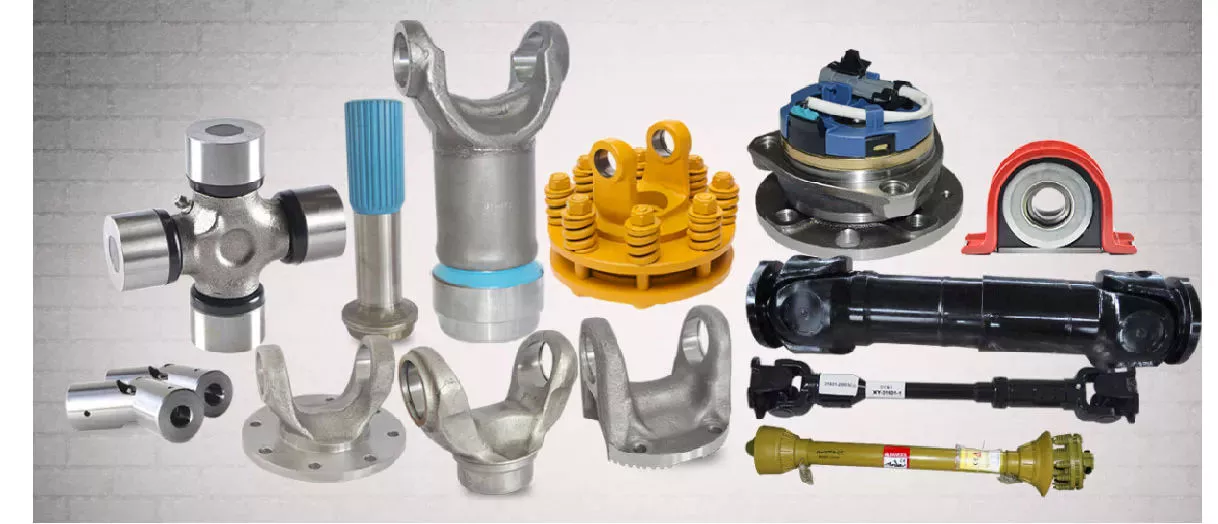
Esistono variazioni nella progettazione degli alberi cardanici per diversi tipi di macchinari?
Sì, esistono diverse varianti di alberi di presa di forza (PTO) per soddisfare le esigenze specifiche di vari tipi di macchinari. Gli alberi di presa di forza sono componenti estremamente versatili e adattabili, utilizzati per trasferire potenza da una fonte di energia, come un trattore o un motore, a macchinari o attrezzature azionate. Le diverse tipologie di alberi di presa di forza sono necessarie per garantire compatibilità, efficienza e sicurezza in varie applicazioni. Ecco una spiegazione dettagliata delle diverse configurazioni di alberi di presa di forza per diverse tipologie di macchinari:
1. Alberi cardanici standard: Gli alberi cardanici standard sono i più comuni e ampiamente utilizzati in diverse applicazioni. Tipicamente sono costituiti da un albero in acciaio massiccio con un giunto cardanico a ciascuna estremità. Questi giunti cardanici consentono di compensare eventuali disallineamenti angolari tra la fonte di energia e la macchina azionata. Gli alberi cardanici standard sono adatti per applicazioni in cui la distanza tra la fonte di energia e la macchina azionata rimane relativamente fissa. Sono comunemente utilizzati in macchine agricole, come falciatrici, presse, fresatrici e seminatrici, nonché in applicazioni industriali.
2. Alberi di presa di forza telescopici: Gli alberi di trasmissione telescopici sono caratterizzati da un design telescopico che consente la regolazione della lunghezza. Questi alberi sono costituiti da due o più alberi concentrici che possono scorrere l'uno sull'altro. Gli alberi di trasmissione telescopici sono vantaggiosi nelle applicazioni in cui la distanza tra la fonte di energia e il macchinario azionato varia. Regolando la lunghezza dell'albero, gli operatori possono garantire una corretta trasmissione della potenza senza il rischio che l'albero tocchi terra o sia troppo corto per raggiungere l'attrezzatura. Gli alberi di trasmissione telescopici sono comunemente utilizzati in attrezzi frontali, spazzaneve, rimorchi semoventi e altre applicazioni in cui la distanza tra la fonte di energia e l'attrezzo varia.
3. Alberi cardanici CV (a velocità costante): Gli alberi cardanici CV incorporano giunti omocinetici per compensare disallineamenti e variazioni angolari. Questi giunti mantengono una velocità e una coppia costanti anche quando il macchinario azionato si trova inclinato rispetto alla fonte di energia. Gli alberi cardanici CV sono vantaggiosi in applicazioni in cui il macchinario azionato richiede flessibilità e un'ampia gamma di movimento. Sono comunemente utilizzati in pale gommate articolate, sollevatori telescopici, irroratrici semoventi e altre attrezzature che necessitano di una trasmissione di potenza continua durante il funzionamento a diverse angolazioni.
4. Alberi di presa di forza azionati dal riduttore: Alcuni macchinari richiedono specifici rapporti di velocità o coppia tra la fonte di energia e l'apparecchiatura azionata. In questi casi, gli alberi cardanici possono integrare sistemi di ingranaggi. Gli alberi cardanici azionati da ingranaggi consentono di ridurre o aumentare la velocità e, se necessario, di invertire il senso di rotazione. I rapporti di trasmissione del riduttore possono essere regolati per adattarsi ai requisiti di velocità e coppia del macchinario azionato. Questi alberi cardanici sono comunemente utilizzati in applicazioni in cui la fonte di energia opera a una velocità o a un livello di coppia diverso rispetto all'apparecchiatura che aziona, come ad esempio in alcuni processi di produzione industriale e in macchinari specializzati.
5. Alberi cardanici ad alta coppia: Alcuni macchinari pesanti richiedono elevati livelli di coppia per la trasmissione di potenza. Gli alberi cardanici ad alta coppia sono progettati per gestire queste applicazioni impegnative. Sono costruiti con componenti rinforzati, tra cui alberi di diametro maggiore e giunti cardanici più robusti, per resistere alle maggiori esigenze di coppia. Gli alberi cardanici ad alta coppia sono comunemente utilizzati in attrezzature come cippatrici, frantumatori e macchine agricole pesanti che richiedono potenza e coppia considerevoli per il loro funzionamento.
6. Alberi di trasmissione di sicurezza: La sicurezza è un aspetto cruciale nell'utilizzo degli alberi cardanici. Gli alberi cardanici di sicurezza integrano meccanismi per ridurre il rischio di incidenti e infortuni. Una caratteristica di sicurezza comune è l'utilizzo di protezioni che ricoprono l'albero rotante per prevenire contatti accidentali. Queste protezioni sono generalmente realizzate in metallo o plastica e sono progettate per proteggere i componenti rotanti consentendo al contempo il movimento necessario per la trasmissione della potenza. Gli alberi cardanici di sicurezza sono utilizzati in diverse applicazioni in cui il rischio di impigliamento o contatto accidentale con l'albero rotante è elevato, come ad esempio nei tosaerba, nelle troncatrici rotative e in altre attrezzature utilizzate nel settore del giardinaggio e dell'agricoltura.
Queste sono alcune delle principali varianti di progettazione degli alberi cardanici per diversi tipi di macchinari. La progettazione specifica utilizzata dipende da fattori quali i requisiti dell'applicazione, le caratteristiche della fonte di energia, i livelli di coppia, la flessibilità di movimento e le considerazioni di sicurezza. I produttori di alberi cardanici offrono una gamma di progetti per garantire la compatibilità e un'efficiente trasmissione di potenza in diversi settori e applicazioni.

How do PTO shafts enhance the performance of tractors and agricultural machinery?
Power Take-Off (PTO) shafts play a crucial role in enhancing the performance of tractors and agricultural machinery. By providing a reliable power transfer mechanism, PTO shafts enable these machines to operate efficiently, effectively, and with increased versatility. Here’s a detailed explanation of how PTO shafts enhance the performance of tractors and agricultural machinery:
1. Power Transfer: PTO shafts facilitate the transfer of power from the tractor’s engine to various agricultural implements and machinery. The rotating power generated by the engine is transmitted through the PTO shaft to drive the connected equipment. This direct power transfer eliminates the need for separate engines or motors on each implement, reducing complexity, weight, and maintenance requirements. PTO shafts ensure a consistent and reliable power supply, enabling agricultural machinery to perform tasks with optimal efficiency and effectiveness.
2. Versatility: PTO shafts provide tractors and agricultural machinery with increased versatility. Since PTO shafts have standardized dimensions and connection methods, a wide range of implements can be easily attached and powered by the same tractor. This versatility allows farmers to quickly switch between different tasks, such as mowing, tilling, planting, and harvesting, without the need for multiple specialized machines. The ability to use a single power unit for various operations reduces costs, saves storage space, and improves overall operational efficiency.
3. Improved Productivity: PTO shafts contribute to improved productivity in agricultural operations. By harnessing the power of tractors, agricultural machinery can operate at higher speeds and with greater efficiency compared to manual or alternative power methods. PTO-driven implements, such as mowers, balers, and harvesters, can cover larger areas and complete tasks more quickly, reducing the time required to perform agricultural operations. This increased productivity allows farmers to accomplish more within a given timeframe, leading to higher crop yields and improved overall farm efficiency.
4. Reduced Labor Requirements: PTO shafts help reduce labor requirements in agricultural operations. By utilizing mechanized equipment powered by PTO shafts, farmers can minimize manual labor and the associated physical effort. Tasks such as plowing, tilling, and harvesting can be performed more efficiently and with less reliance on human labor. This reduction in labor requirements allows farmers to allocate resources more effectively, focus on other essential tasks, and potentially reduce labor costs.
5. Precision and Accuracy: PTO shafts contribute to precision and accuracy in agricultural operations. The consistent power supply from the tractor’s engine ensures uniform operation and performance of the connected machinery. This precision is crucial for tasks such as seed placement, fertilizer or chemical application, and crop harvesting. PTO-driven equipment can provide consistent rotations per minute (RPM) and maintain the necessary operational parameters, resulting in precise and accurate agricultural practices. This precision leads to improved crop quality, reduced waste, and optimized resource utilization.
6. Adaptability to Various Tasks: PTO shafts enhance the adaptability of tractors and agricultural machinery to perform various tasks. With the ability to connect different implements, such as mowers, seeders, sprayers, or balers, via PTO shafts, farmers can quickly transform their tractors into specialized machines for specific operations. This adaptability allows for efficient utilization of equipment across different stages of crop production, enabling farmers to respond to changing needs and conditions in a cost-effective manner.
7. Enhanced Safety: PTO shafts contribute to enhanced safety in agricultural operations. Many PTO shafts are equipped with safety features, such as shields or guards, to protect operators from potential hazards associated with rotating components. These safety measures help prevent entanglement accidents and reduce the risk of injuries. Additionally, by using PTO-driven machinery, farmers can keep a safe distance from certain hazardous tasks, such as mowing or shredding, further improving overall safety on the farm.
8. Integration with Technology: PTO shafts can be integrated with advanced technology and automation systems in modern tractors and agricultural machinery. This integration allows for precise control, data monitoring, and optimization of machine performance. For example, precision guidance systems can be synchronized with PTO-driven implements to ensure accurate seed placement or chemical application. Furthermore, data collection and analysis can provide insights into fuel efficiency, maintenance needs, and overall equipment performance, leading to optimized operation and improved productivity.
In summary, PTO shafts enhance the performance of tractors and agricultural machinery by enabling efficient power transfer, increasing versatility, improving productivity, reducing labor requirements, ensuring precision and accuracy, facilitating adaptability, enhancing safety, and integrating with advanced technologies. These benefits contribute to overall operational efficiency, cost-effectiveness, and the ability of farmers to effectively manage theiragricultural operations.
How do PTO shafts contribute to transferring power from tractors to implements?
PTO shafts (Power Take-Off shafts) play a critical role in transferring power from tractors to implements in agricultural and industrial settings. They provide a reliable and efficient means of power transmission, enabling tractors to drive various implements and perform a wide range of tasks. Here’s a detailed explanation of how PTO shafts contribute to transferring power from tractors to implements:
Fonte di alimentazione: Tractors are equipped with powerful engines designed to generate substantial amounts of mechanical power. This power is harnessed to drive the tractor’s wheels and operate hydraulic systems, as well as to provide power for the attachment of implements through the PTO shaft. The PTO shaft typically connects to the rear or side of the tractor, where the power take-off mechanism is located. The power take-off derives power directly from the tractor’s engine or transmission, allowing for efficient power transfer to the PTO shaft.
PTO Shaft Design: PTO shafts are designed as driveline components that transmit rotational power and torque from the tractor’s power take-off to the implement. They consist of a hollow metal tube with universal joints at each end. The universal joints accommodate angular misalignments and allow the PTO shaft to transmit power even when the tractor and implement are not perfectly aligned. The PTO shaft is also equipped with a safety shield or guard to prevent accidental contact with the rotating shaft, ensuring operator safety during operation.
PTO Engagement: To transfer power from the tractor to the implement, the PTO shaft needs to be engaged. Tractors are equipped with a PTO clutch mechanism that allows operators to engage or disengage the PTO shaft as needed. When the PTO clutch is engaged, power flows from the tractor’s engine through the power take-off mechanism and into the PTO shaft. This rotational power is then transmitted through the PTO shaft to the implement, driving its working components.
Rotational Power Transmission: The rotational power generated by the tractor’s engine is transferred to the PTO shaft through the power take-off mechanism. The PTO shaft, being directly connected to the power take-off, rotates at the same speed as the engine. This rotational power is then transmitted from the PTO shaft to the implement’s driveline or gearbox. The implement’s driveline, in turn, distributes the power to the implement’s working components, such as blades, augers, or pumps, enabling them to carry out their respective functions.
Matching Speed and Power: PTO shafts are designed to match the rotational speed and power requirements of various implements. Tractors often feature multiple speed settings for the PTO, allowing operators to select the appropriate speed for the specific implement being used. Different implements may require different rotational speeds to operate optimally, and the PTO shaft allows for easy adjustment to match those requirements. Additionally, the power generated by the tractor’s engine is transmitted through the PTO shaft, providing the necessary torque to drive the implement’s working components effectively.
Versatility and Efficiency: PTO shafts offer significant versatility and efficiency in agricultural and industrial operations. They allow tractors to power a wide range of implements, including mowers, balers, tillers, sprayers, and grain augers, among others. By connecting implements directly to the tractor’s power source, operators can quickly switch between tasks without the need for separate power generators or engines. This versatility and efficiency streamline workflow, reduce costs, and increase overall productivity in agricultural and industrial settings.
Safety Considerations: While PTO shafts are essential for power transmission, they can pose safety risks if mishandled. The rotating shaft and universal joints can cause severe injuries if operators come into contact with them while in operation. That’s why PTO shafts are equipped with safety shields or guards to prevent accidental contact. Operators should always ensure that the safety shields are in place and secure before engaging the PTO shaft. Proper training, adherence to safety guidelines, and regular maintenance of PTO shafts and associated safety features are crucial to ensuring safe operation.
In summary, PTO shafts are vital components that enable the transfer of power from tractors to implements in agricultural and industrial applications. They provide a reliable and efficient means of power transmission, allowing tractors to drive various implements and perform a wide range of tasks. By engaging the PTO clutch and transmitting rotational power through the PTO shaft, tractors power the working components of implements, providing versatility, efficiency, and productivity in agricultural and industrial operations.


editor by CX 2024-04-08

























