Descrição do produto
Premium Agricultural Machinery Transmission, Driveline, Pto Shaft
| Product No | Pto Shaft |
| Use For | Agricultual Machinery |
| OEM | Acceptable |
| Tube Types for PTO Shaft | Triangle,Lemon.Star |
| Universal Joint | Series1-8 |
| Colors of PTO Shaft | Base on Customer’s requirement |
| PTO Shaft Series | Series1-8 |
| Tipo de garfo | Available Options |
| Equipment End Connection Way | CV,Clutch,Yoke |
| Garantia | 1 Year |
Product Specifications
Fotos detalhadas
Company Profile
HangZhou Rongwang Industry and Trade Co., Ltd. was established in 2007. The company develops and produces gearboxes, transmission shafts, and related accessories for various types of lawn mowers, rotary tillers, excavators, and other agricultural machinery. The products are sold to various countries in Europe and America. The company currently has processing and testing equipment such as machining centers, CNC machine tools, and coordinate measuring instruments, and has a strong research and development team, as well as complete after-sales support services.
The company is committed to meeting and surpassing customer needs with a rigorous work style, providing high-performance and high-quality products. We warmly welcome domestic and foreign enterprises to come and discuss cooperation. The company is willing to take on a new look and constantly innovate. Sincere and enthusiastic service, as always, close communication and cooperation with colleagues at home and abroad, working hand in hand to create brilliance.
Applicatio
Corporate Purpose
The company always adheres to the business philosophy of “integrity, excellence, innovation, and progress” , striving for survival with quality and development with technology.The employees of Rongwang Industry and Trade have many years of experience in mechanical processing and manufacturing, while also absorbing advanced technology and processes from both domestic and foreign countries.And has passed ISO9001 quality system certification certification.
Rongwang Enterprise Purpose: To create excellent enterprises with excellent products, discounted prices, and excellent services.
Vision:Power the industry, Transmit the world.Rongwang Machinery aims to be the leader in the power transmission industry.Mission: To provide trustworthy and affordable products for our customers.”Trustworthy”means high quality and safe products.We are trying to offer lower cost products without sacrificing quality.
/* May 10, 2571 16:49:51 */!function(){function d(e,r){var a,o={};try{e&&e.split(“,”).forEach(function(e,t){e&&(a=e.match(/(.*?):(.*)$/))&&1
Existem variações nos projetos de eixos de tomada de força (PTO) para diferentes tipos de máquinas?
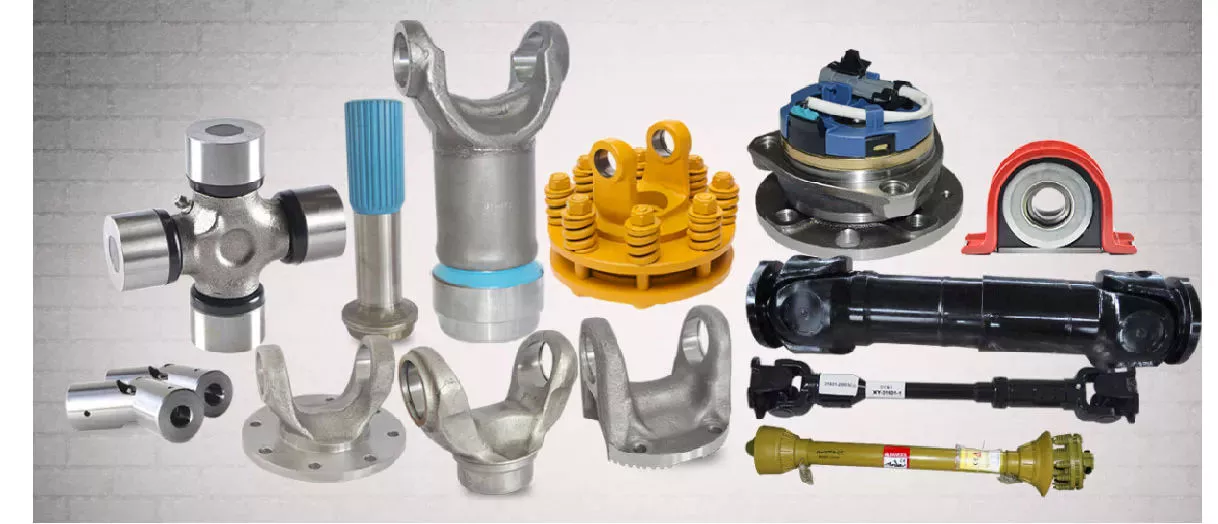
Sim, existem variações nos projetos de eixos de tomada de força (TDF) para atender às necessidades específicas de diferentes tipos de máquinas. Os eixos de TDF são componentes altamente versáteis e adaptáveis, usados para transferir energia de uma fonte, como um trator ou motor, para máquinas ou equipamentos acionados. As variações de projeto nos eixos de TDF são necessárias para garantir compatibilidade, eficiência e segurança em diversas aplicações. Aqui está uma explicação detalhada dos diferentes projetos de eixos de TDF para diferentes tipos de máquinas:
1. Eixos de tomada de força padrão: Eixos de tomada de força (TDF) padrão são o modelo mais comum e amplamente utilizados em diversas aplicações. Normalmente, consistem em um eixo de aço maciço com uma junta universal em cada extremidade. Essas juntas universais permitem o desalinhamento angular entre a fonte de energia e a máquina acionada. Os eixos de TDF padrão são adequados para aplicações em que a distância entre a fonte de energia e a máquina acionada permanece relativamente fixa. São comumente utilizados em implementos agrícolas, como segadoras, enfardadeiras, cultivadores e semeadoras, bem como em aplicações industriais.
2. Eixos telescópicos da tomada de força: Eixos telescópicos de tomada de força (TDF) possuem um design telescópico que permite o ajuste do comprimento. Esses eixos consistem em dois ou mais eixos concêntricos que podem deslizar uns dentro dos outros. Os eixos telescópicos de TDF são vantajosos em aplicações onde a distância entre a fonte de energia e a máquina acionada varia. Ao ajustar o comprimento do eixo, os operadores podem garantir a transmissão adequada de potência sem o risco de o eixo arrastar no chão ou ser curto demais para alcançar o equipamento. Os eixos telescópicos de TDF são comumente usados em implementos frontais, sopradores de neve, vagões autocarregáveis e outras aplicações onde a distância entre a fonte de energia e o implemento muda.
3. Eixos de tomada de força (TDF) CV (velocidade constante): Os eixos de tomada de força (PTO) com juntas homocinéticas (CV) incorporam juntas de velocidade constante para acomodar desalinhamentos e variações angulares. Essas juntas mantêm uma velocidade constante e a transferência de torque mesmo quando a máquina acionada está em um ângulo em relação à fonte de energia. Os eixos de tomada de força com juntas homocinéticas são vantajosos em aplicações onde a máquina acionada requer flexibilidade e uma ampla gama de movimentos. Eles são comumente usados em carregadeiras articuladas, manipuladores telescópicos, pulverizadores autopropelidos e outros equipamentos que exigem transmissão contínua de potência enquanto operam em vários ângulos.
4. Eixos da tomada de força acionados por caixa de engrenagens: Algumas máquinas exigem relações específicas de velocidade ou torque entre a fonte de energia e o equipamento acionado. Nesses casos, os eixos de tomada de força (TDF) podem incorporar sistemas de engrenagens. Os eixos de TDF acionados por caixa de engrenagens permitem a redução ou o aumento da velocidade e podem inverter o sentido de rotação, se necessário. As relações de engrenagem na caixa de engrenagens podem ser ajustadas para atender aos requisitos de velocidade e torque da máquina acionada. Esses eixos de TDF são comumente usados em aplicações onde a fonte de energia opera em um nível de velocidade ou torque diferente do equipamento que aciona, como em certos processos de fabricação industrial e máquinas especializadas.
5. Eixos de tomada de força de alto torque: Algumas máquinas pesadas exigem altos níveis de torque para a transmissão de potência. Os eixos de tomada de força (TDF) de alto torque são projetados para lidar com essas aplicações exigentes. Eles são construídos com componentes reforçados, incluindo eixos de maior diâmetro e juntas universais mais robustas, para suportar as maiores necessidades de torque. Os eixos de TDF de alto torque são comumente usados em equipamentos como trituradores de madeira, britadores e implementos agrícolas pesados que requerem potência e torque substanciais para sua operação.
6. Eixos de tomada de força de segurança: A segurança é uma consideração crucial ao usar eixos de tomada de força (TDF). Os eixos de TDF de segurança incorporam mecanismos para reduzir o risco de acidentes e lesões. Uma característica de segurança comum é o uso de proteções que cobrem o eixo rotativo para evitar contato acidental. Essas proteções são geralmente feitas de metal ou plástico e são projetadas para proteger os componentes rotativos, permitindo o movimento necessário para a transmissão de potência. Os eixos de TDF de segurança são usados em diversas aplicações onde o risco de emaranhamento ou contato acidental com o eixo rotativo é alto, como em cortadores de grama, roçadeiras e outros equipamentos usados em paisagismo e agricultura.
Estas são algumas das principais variações nos projetos de eixos de tomada de força (TDF) para diferentes tipos de máquinas. O projeto específico utilizado depende de fatores como os requisitos da aplicação, as características da fonte de energia, os níveis de torque, a flexibilidade de movimento e as considerações de segurança. Os fabricantes de eixos de TDF oferecem uma gama de projetos para garantir a compatibilidade e a transmissão eficiente de potência em diversos setores e aplicações.
Are there any limitations or disadvantages associated with PTO shafts?
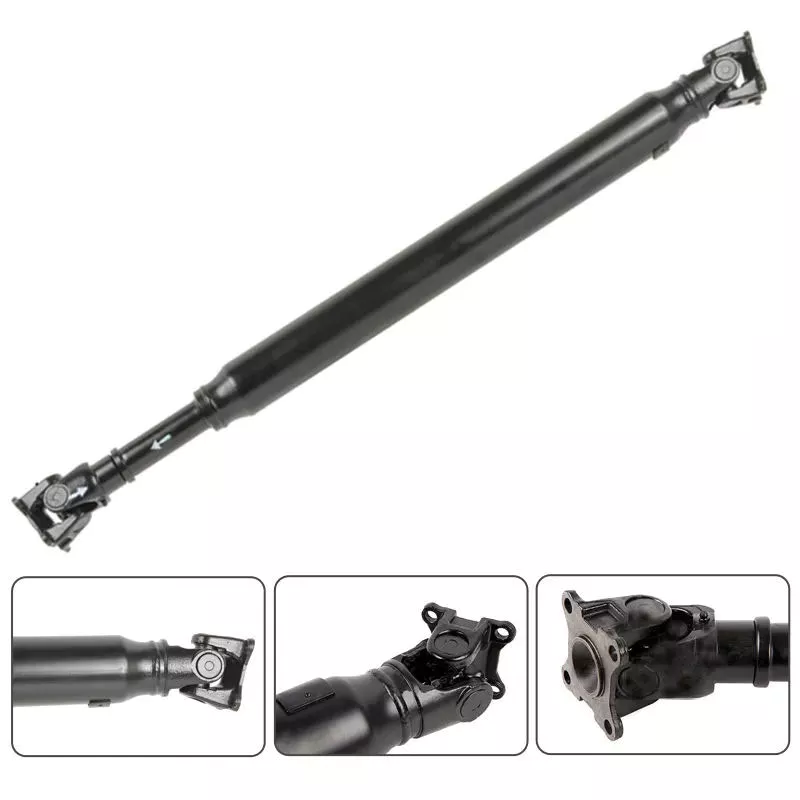
While PTO (Power Take-Off) shafts offer numerous advantages in terms of power transfer and versatility, they also have certain limitations and disadvantages. It’s important to consider these factors when using PTO shafts to ensure safe and efficient operation. Here’s a detailed explanation of some limitations and disadvantages associated with PTO shafts:
1. Safety Hazards: One of the primary concerns with PTO shafts is the potential for safety hazards. PTO shafts rotate at high speeds and can pose a significant risk if not properly guarded or handled. Accidental contact with an exposed or inadequately shielded PTO shaft can result in severe injuries, including entanglement, amputation, or even fatalities. It is crucial to follow safety guidelines, implement proper guarding, and ensure that operators are well-trained on safe handling practices to mitigate these risks.
2. Maintenance and Lubrication: PTO shafts require regular maintenance and lubrication to ensure optimal performance and longevity. The moving parts, such as universal joints and splines, need to be inspected, cleaned, and lubricated at recommended intervals. Neglecting maintenance can lead to premature wear, decreased efficiency, and potential failures. Proper maintenance practices, including regular inspections and timely lubrication, are essential to mitigate these issues.
3. Alignment and Angles: PTO shafts rely on proper alignment and angles to ensure efficient power transfer. Misalignment or excessive angles between the power source and driven machinery can cause increased wear and strain on the components, leading to premature failure. Ensuring proper alignment and angle adjustment, using adjustable sliding yokes or other means, is important to prevent excessive stress on the PTO shaft and associated equipment.
4. Length Limitations: PTO shafts have limitations on their maximum and minimum length due to engineering constraints. The telescoping design allows for some adjustment, but there is a practical limit to how much the shaft can extend or retract. If the distance between the power source and driven machinery exceeds the maximum or falls below the minimum length of the PTO shaft, alternative solutions or modifications may be required. In some cases, additional components such as drive shaft extensions or gearboxes may be necessary to bridge the distance.
5. Compatibility: While manufacturers strive to ensure compatibility, there can still be challenges in finding the right PTO shaft for specific equipment configurations. Equipment may have unique requirements in terms of spline sizes, torque ratings, or connection methods that may not be readily available or compatible with off-the-shelf PTO shafts. Customization may be required to address these compatibility issues, which can result in increased costs or lead times.
6. Noise and Vibrations: PTO shafts in operation can generate significant noise and vibrations, especially at higher speeds. This can be a nuisance for operators and may require additional measures to reduce noise levels or dampen vibrations. Excessive vibrations can also affect the overall performance and lifespan of the PTO shaft and connected equipment. Implementing vibration dampeners or using flexible couplings can help mitigate these issues.
7. Power Limits: PTO shafts have specific power limits based on their design, materials, and components. Exceeding these power limits can lead to premature wear, component failures, or even shaft breakage. It is crucial to understand and adhere to the recommended power ratings for PTO shafts to ensure safe and reliable operation. In some cases, upgrading to a higher-capacity PTO shaft or implementing additional power transmission components may be necessary to accommodate higher power requirements.
8. Complex Installation and Removal: Installing and removing PTO shafts can be a complex process, especially in confined spaces or when dealing with heavy equipment. It may require aligning splines, engaging couplings, and securing locking mechanisms. Improper installation or removal techniques can lead to damage to the shaft or associated equipment. Proper training, handling equipment, and following manufacturer guidelines are essential to simplify and ensure the safe installation and removal of PTO shafts.
Despite these limitations and disadvantages, PTO shafts remain widely used and valuable components for power transfer in various industries. By addressing these considerations and implementing proper safety measures, maintenance practices, and alignment procedures, the potential drawbacks of PTO shafts can be effectively mitigated, allowing for safe and efficient operation.
How do PTO shafts handle variations in speed and torque requirements?
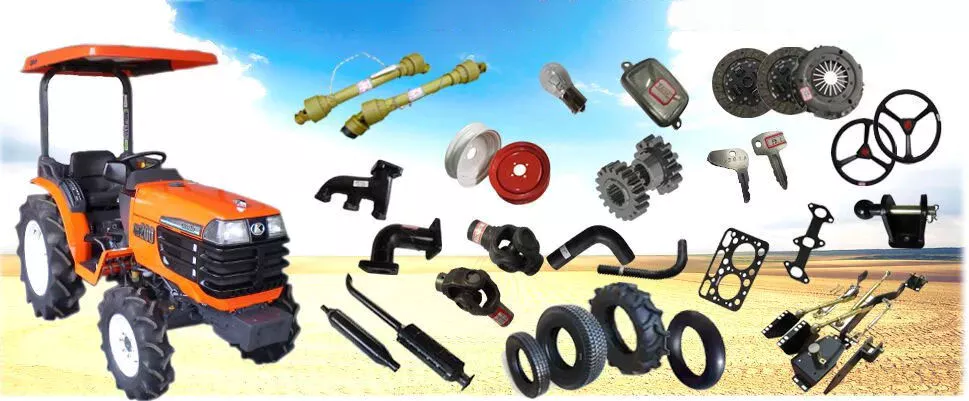
PTO shafts (Power Take-Off shafts) are designed to handle variations in speed and torque requirements between the power source (such as a tractor or engine) and the driven machinery or equipment. They incorporate various mechanisms and components to ensure efficient power transmission while accommodating the different speed and torque demands. Here’s a detailed explanation of how PTO shafts handle variations in speed and torque requirements:
1. Gearbox Systems: PTO shafts often incorporate gearbox systems to match the speed and torque requirements between the power source and the driven machinery. Gearboxes allow for speed reduction or increase and can also change the rotational direction if necessary. By using different gear ratios, PTO shafts can adapt the rotational speed and torque output to suit the specific requirements of the driven equipment. Gearbox systems enable PTO shafts to provide the necessary power and speed compatibility between the power source and the machinery they drive.
2. Shear Bolt Mechanisms: Some PTO shafts, particularly in applications where sudden overloads or shock loads are expected, use shear bolt mechanisms. These mechanisms are designed to protect the driveline components from damage by disconnecting the PTO shaft in case of excessive torque or sudden resistance. Shear bolts are designed to break at a specific torque threshold, ensuring that the PTO shaft separates before the driveline components suffer damage. By incorporating shear bolt mechanisms, PTO shafts can handle variations in torque requirements and provide a safety feature to protect the equipment.
3. Friction Clutches: PTO shafts may incorporate friction clutch systems to enable smooth engagement and disengagement of power transfer. Friction clutches use a disc and pressure plate mechanism to control the transmission of power. Operators can gradually engage or disengage the power transfer by adjusting the pressure on the friction disc. This feature allows for precise control over torque transmission, accommodating variations in torque requirements while minimizing shock loads on the driveline components. Friction clutches are commonly used in applications where smooth power engagement is essential, such as in hydraulic pumps, generators, and industrial mixers.
4. Constant Velocity (CV) Joints: In cases where the driven machinery requires a significant range of movement or articulation, PTO shafts may incorporate Constant Velocity (CV) joints. CV joints allow the PTO shaft to accommodate misalignment and angular variations without affecting power transmission. These joints provide a smooth and constant power transfer even when the driven machinery is at an angle relative to the power source. CV joints are commonly used in applications such as articulated loaders, telescopic handlers, and self-propelled sprayers, where the machinery requires flexibility and a wide range of movement.
5. Telescopic Designs: Some PTO shafts feature telescopic designs that allow for length adjustment. These shafts consist of two or more concentric shafts that slide within each other, providing the ability to extend or retract the PTO shaft as needed. Telescopic designs accommodate variations in the distance between the power source and the driven machinery. By adjusting the length of the PTO shaft, operators can ensure proper power transmission without the risk of the shaft dragging on the ground or being too short to reach the equipment. Telescopic PTO shafts are commonly used in applications where the distance between the power source and the implement varies, such as in front-mounted implements, snow blowers, and self-loading wagons.
By incorporating these mechanisms and designs, PTO shafts can handle variations in speed and torque requirements effectively. They provide the necessary flexibility, safety, and control to ensure efficient power transmission between the power source and the driven machinery. PTO shafts play a critical role in adapting power to meet the specific needs of various equipment and applications.


editor by lmc 2024-11-19