Deskripsi Produk
Premium Agricultural Machinery Transmission, Driveline, Pto Shaft
| Product No | Poros PTO |
| Use For | Agricultual Machinery |
| OEM | Dapat diterima |
| Tube Types for PTO Shaft | Triangle,Lemon.Star |
| Universal Joint | Series1-8 |
| Colors of PTO Shaft | Base on Customer’s requirement |
| PTO Shaft Series | Series1-8 |
| Jenis Yoke | Available Options |
| Equipment End Connection Way | CV,Clutch,Yoke |
| Jaminan | 1 Year |
Spesifikasi Produk
Foto Detail
Profil Perusahaan
HangZhou Rongwang Industry and Trade Co., Ltd. was established in 2007. The company develops and produces gearboxes, transmission shafts, and related accessories for various types of lawn mowers, rotary tillers, excavators, and other agricultural machinery. The products are sold to various countries in Europe and America. The company currently has processing and testing equipment such as machining centers, CNC machine tools, and coordinate measuring instruments, and has a strong research and development team, as well as complete after-sales support services.
The company is committed to meeting and surpassing customer needs with a rigorous work style, providing high-performance and high-quality products. We warmly welcome domestic and foreign enterprises to come and discuss cooperation. The company is willing to take on a new look and constantly innovate. Sincere and enthusiastic service, as always, close communication and cooperation with colleagues at home and abroad, working hand in hand to create brilliance.
Applicatio
Corporate Purpose
The company always adheres to the business philosophy of “integrity, excellence, innovation, and progress” , striving for survival with quality and development with technology.The employees of Rongwang Industry and Trade have many years of experience in mechanical processing and manufacturing, while also absorbing advanced technology and processes from both domestic and foreign countries.And has passed ISO9001 quality system certification certification.
Rongwang Enterprise Purpose: To create excellent enterprises with excellent products, discounted prices, and excellent services.
Vision:Power the industry, Transmit the world.Rongwang Machinery aims to be the leader in the power transmission industry.Mission: To provide trustworthy and affordable products for our customers.”Trustworthy”means high quality and safe products.We are trying to offer lower cost products without sacrificing quality.
/* May 10, 2571 16:49:51 */!function(){function d(e,r){var a,o={};try{e&&e.split(“,”).forEach(function(e,t){e&&(a=e.match(/(.*?):(.*)$/))&&1
Are there variations in PTO shaft designs for different types of machinery?
Yes, there are variations in PTO (Power Take-Off) shaft designs to accommodate the specific requirements of different types of machinery. PTO shafts are highly versatile and adaptable components used to transfer power from a power source, such as a tractor or engine, to driven machinery or equipment. The design variations in PTO shafts are necessary to ensure compatibility, efficiency, and safety in various applications. Here’s a detailed explanation of the different PTO shaft designs for different types of machinery:
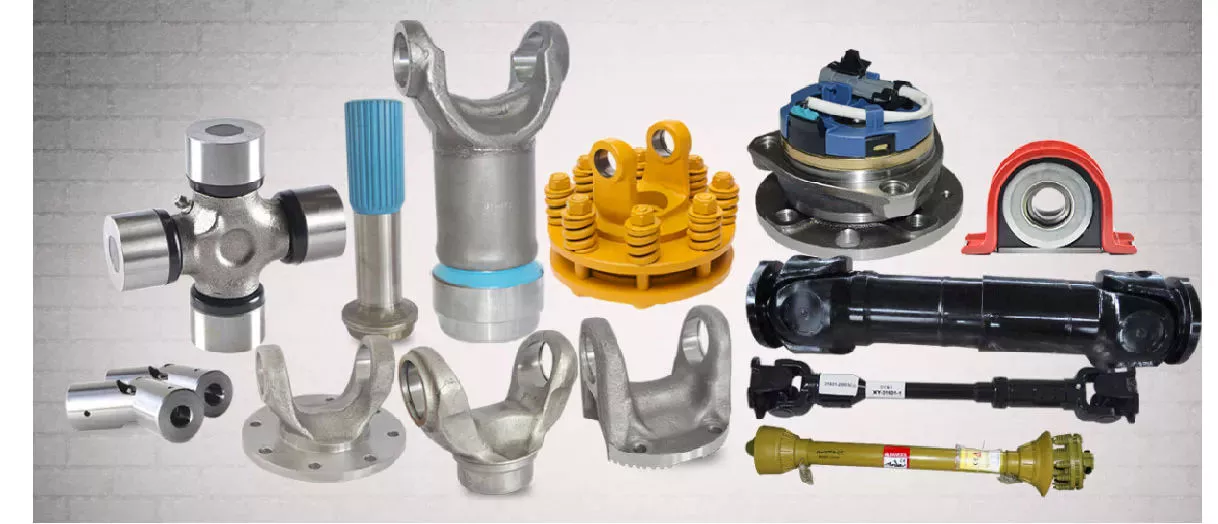
1. Standard PTO Shafts: Standard PTO shafts are the most common design and are widely used in a variety of applications. They typically consist of a solid steel shaft with a universal joint at each end. These universal joints allow for angular misalignment between the power source and the driven machinery. Standard PTO shafts are suitable for applications where the distance between the power source and the driven machinery remains relatively fixed. They are commonly used in agricultural implements, such as mowers, balers, tillers, and seeders, as well as in industrial applications.
2. Telescopic PTO Shafts: Telescopic PTO shafts feature a telescoping design that allows for length adjustment. These shafts consist of two or more concentric shafts that can slide within each other. Telescopic PTO shafts are beneficial in applications where the distance between the power source and the driven machinery varies. By adjusting the length of the shaft, operators can ensure proper power transmission without the risk of the shaft dragging on the ground or being too short to reach the equipment. Telescopic PTO shafts are commonly used in front-mounted implements, snow blowers, self-loading wagons, and other applications where the distance between the power source and the implement changes.
3. CV (Constant Velocity) PTO Shafts: CV PTO shafts incorporate Constant Velocity joints to accommodate misalignment and angular variations. These joints maintain a constant speed and torque transfer even when the driven machinery is at an angle relative to the power source. CV PTO shafts are beneficial in applications where the driven machinery requires flexibility and a wide range of movement. They are commonly used in articulated loaders, telescopic handlers, self-propelled sprayers, and other equipment that requires continuous power transmission while operating at various angles.
4. Gearbox Driven PTO Shafts: Some machinery requires specific speed or torque ratios between the power source and the driven equipment. In such cases, PTO shafts may incorporate gearbox systems. Gearbox driven PTO shafts allow for speed reduction or increase and can change the rotational direction if necessary. The gear ratios in the gearbox can be adjusted to match the speed and torque requirements of the driven machinery. These PTO shafts are commonly used in applications where the power source operates at a different speed or torque level than the equipment it drives, such as in certain industrial manufacturing processes and specialized machinery.
5. High-Torque PTO Shafts: Some heavy-duty machinery requires high torque levels for power transmission. High-torque PTO shafts are designed to handle these demanding applications. They are constructed with reinforced components, including larger diameter shafts and heavier-duty universal joints, to withstand the increased torque requirements. High-torque PTO shafts are commonly used in equipment such as wood chippers, crushers, and heavy-duty agricultural implements that require substantial power and torque for their operation.
6. Safety PTO Shafts: Safety is a crucial consideration when using PTO shafts. Safety PTO shafts incorporate mechanisms to reduce the risk of accidents and injuries. One common safety feature is the use of protective guards that cover the rotating shaft to prevent accidental contact. These guards are typically made of metal or plastic and are designed to shield the rotating components while allowing the necessary movement for power transmission. Safety PTO shafts are used in various applications where the risk of entanglement or accidental contact with the rotating shaft is high, such as in grass mowers, rotary cutters, and other equipment used in landscaping and agriculture.
These are some of the key variations in PTO shaft designs for different types of machinery. The specific design used depends on factors such as the application requirements, power source characteristics, torque levels, movement flexibility, and safety considerations. PTO shaft manufacturers offer a range of designs to ensure compatibility and efficient power transmission in diverse industries and applications.
Are there any limitations or disadvantages associated with PTO shafts?
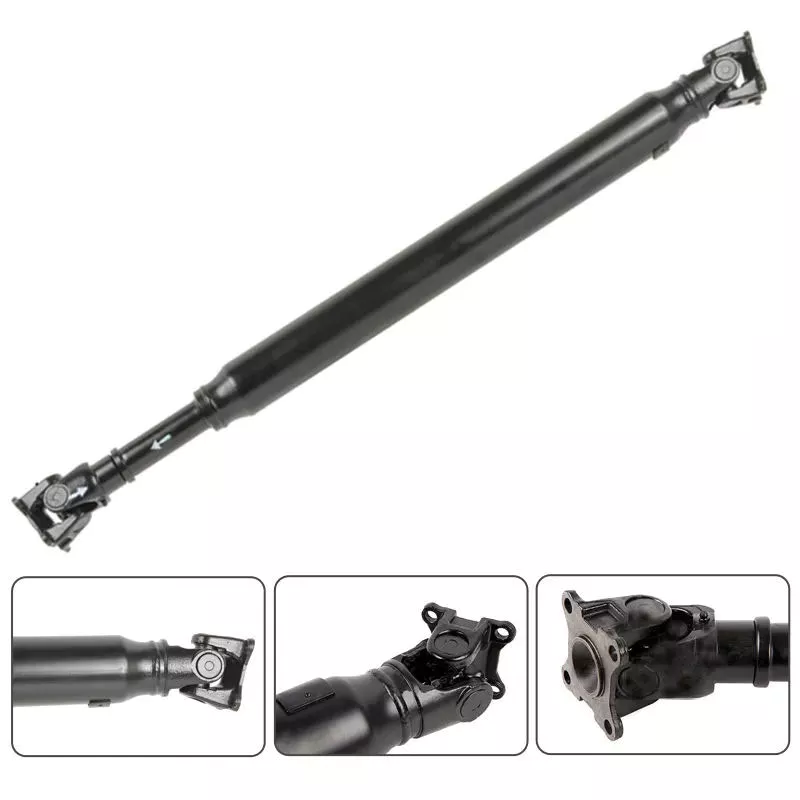
While PTO (Power Take-Off) shafts offer numerous advantages in terms of power transfer and versatility, they also have certain limitations and disadvantages. It’s important to consider these factors when using PTO shafts to ensure safe and efficient operation. Here’s a detailed explanation of some limitations and disadvantages associated with PTO shafts:
1. Safety Hazards: One of the primary concerns with PTO shafts is the potential for safety hazards. PTO shafts rotate at high speeds and can pose a significant risk if not properly guarded or handled. Accidental contact with an exposed or inadequately shielded PTO shaft can result in severe injuries, including entanglement, amputation, or even fatalities. It is crucial to follow safety guidelines, implement proper guarding, and ensure that operators are well-trained on safe handling practices to mitigate these risks.
2. Maintenance and Lubrication: PTO shafts require regular maintenance and lubrication to ensure optimal performance and longevity. The moving parts, such as universal joints and splines, need to be inspected, cleaned, and lubricated at recommended intervals. Neglecting maintenance can lead to premature wear, decreased efficiency, and potential failures. Proper maintenance practices, including regular inspections and timely lubrication, are essential to mitigate these issues.
3. Alignment and Angles: PTO shafts rely on proper alignment and angles to ensure efficient power transfer. Misalignment or excessive angles between the power source and driven machinery can cause increased wear and strain on the components, leading to premature failure. Ensuring proper alignment and angle adjustment, using adjustable sliding yokes or other means, is important to prevent excessive stress on the PTO shaft and associated equipment.
4. Length Limitations: PTO shafts have limitations on their maximum and minimum length due to engineering constraints. The telescoping design allows for some adjustment, but there is a practical limit to how much the shaft can extend or retract. If the distance between the power source and driven machinery exceeds the maximum or falls below the minimum length of the PTO shaft, alternative solutions or modifications may be required. In some cases, additional components such as drive shaft extensions or gearboxes may be necessary to bridge the distance.
5. Compatibility: While manufacturers strive to ensure compatibility, there can still be challenges in finding the right PTO shaft for specific equipment configurations. Equipment may have unique requirements in terms of spline sizes, torque ratings, or connection methods that may not be readily available or compatible with off-the-shelf PTO shafts. Customization may be required to address these compatibility issues, which can result in increased costs or lead times.
6. Noise and Vibrations: PTO shafts in operation can generate significant noise and vibrations, especially at higher speeds. This can be a nuisance for operators and may require additional measures to reduce noise levels or dampen vibrations. Excessive vibrations can also affect the overall performance and lifespan of the PTO shaft and connected equipment. Implementing vibration dampeners or using flexible couplings can help mitigate these issues.
7. Power Limits: PTO shafts have specific power limits based on their design, materials, and components. Exceeding these power limits can lead to premature wear, component failures, or even shaft breakage. It is crucial to understand and adhere to the recommended power ratings for PTO shafts to ensure safe and reliable operation. In some cases, upgrading to a higher-capacity PTO shaft or implementing additional power transmission components may be necessary to accommodate higher power requirements.
8. Complex Installation and Removal: Installing and removing PTO shafts can be a complex process, especially in confined spaces or when dealing with heavy equipment. It may require aligning splines, engaging couplings, and securing locking mechanisms. Improper installation or removal techniques can lead to damage to the shaft or associated equipment. Proper training, handling equipment, and following manufacturer guidelines are essential to simplify and ensure the safe installation and removal of PTO shafts.
Despite these limitations and disadvantages, PTO shafts remain widely used and valuable components for power transfer in various industries. By addressing these considerations and implementing proper safety measures, maintenance practices, and alignment procedures, the potential drawbacks of PTO shafts can be effectively mitigated, allowing for safe and efficient operation.
Bagaimana poros PTO menangani variasi kecepatan dan kebutuhan torsi?
Poros PTO (Power Take-Off shafts) dirancang untuk menangani variasi kecepatan dan torsi antara sumber daya (seperti traktor atau mesin) dan mesin atau peralatan yang digerakkan. Poros ini menggabungkan berbagai mekanisme dan komponen untuk memastikan transmisi daya yang efisien sekaligus mengakomodasi berbagai kebutuhan kecepatan dan torsi. Berikut penjelasan rinci tentang bagaimana poros PTO menangani variasi kecepatan dan torsi:
1. Sistem Gearbox: Poros PTO seringkali dilengkapi dengan sistem gearbox untuk menyesuaikan kebutuhan kecepatan dan torsi antara sumber daya dan mesin yang digerakkan. Gearbox memungkinkan pengurangan atau peningkatan kecepatan dan juga dapat mengubah arah putaran jika diperlukan. Dengan menggunakan rasio gigi yang berbeda, poros PTO dapat menyesuaikan kecepatan putaran dan keluaran torsi agar sesuai dengan kebutuhan spesifik peralatan yang digerakkan. Sistem gearbox memungkinkan poros PTO untuk memberikan kompatibilitas daya dan kecepatan yang diperlukan antara sumber daya dan mesin yang digerakkannya.
2. Mekanisme Baut Geser: Beberapa poros PTO, khususnya pada aplikasi yang diperkirakan akan mengalami beban berlebih atau beban kejut mendadak, menggunakan mekanisme baut geser. Mekanisme ini dirancang untuk melindungi komponen penggerak dari kerusakan dengan memutus poros PTO jika terjadi torsi berlebihan atau hambatan mendadak. Baut geser dirancang untuk patah pada ambang batas torsi tertentu, memastikan bahwa poros PTO terpisah sebelum komponen penggerak mengalami kerusakan. Dengan menggabungkan mekanisme baut geser, poros PTO dapat menangani variasi kebutuhan torsi dan memberikan fitur keselamatan untuk melindungi peralatan.
3. Kopling Gesekan: Poros PTO dapat dilengkapi dengan sistem kopling gesek untuk memungkinkan penyambungan dan pemutusan transfer daya yang halus. Kopling gesek menggunakan mekanisme cakram dan pelat tekanan untuk mengontrol transmisi daya. Operator dapat secara bertahap menyambungkan atau memutus transfer daya dengan menyesuaikan tekanan pada cakram gesek. Fitur ini memungkinkan kontrol yang tepat atas transmisi torsi, mengakomodasi variasi kebutuhan torsi sekaligus meminimalkan beban kejut pada komponen penggerak. Kopling gesek umumnya digunakan dalam aplikasi di mana penyambungan daya yang halus sangat penting, seperti pada pompa hidrolik, generator, dan mixer industri.
4. Sambungan Kecepatan Konstan (CV): Dalam kasus di mana mesin yang digerakkan membutuhkan rentang gerakan atau artikulasi yang signifikan, poros PTO dapat menggunakan sambungan Kecepatan Konstan (CV). Sambungan CV memungkinkan poros PTO untuk mengakomodasi ketidaksejajaran dan variasi sudut tanpa memengaruhi transmisi daya. Sambungan ini memberikan transfer daya yang halus dan konstan bahkan ketika mesin yang digerakkan berada pada sudut relatif terhadap sumber daya. Sambungan CV umumnya digunakan dalam aplikasi seperti loader artikulasi, telehandler, dan alat penyemprot swa-gerak, di mana mesin membutuhkan fleksibilitas dan rentang gerakan yang luas.
5. Desain Teleskopik: Beberapa poros PTO memiliki desain teleskopik yang memungkinkan penyesuaian panjang. Poros ini terdiri dari dua atau lebih poros konsentris yang saling bergeser, sehingga memungkinkan untuk memperpanjang atau menarik kembali poros PTO sesuai kebutuhan. Desain teleskopik mengakomodasi variasi jarak antara sumber daya dan mesin yang digerakkan. Dengan menyesuaikan panjang poros PTO, operator dapat memastikan transmisi daya yang tepat tanpa risiko poros terseret di tanah atau terlalu pendek untuk mencapai peralatan. Poros PTO teleskopik umumnya digunakan dalam aplikasi di mana jarak antara sumber daya dan alat kerja bervariasi, seperti pada alat kerja yang dipasang di depan, mesin peniup salju, dan gerbong pengangkut sendiri.
Dengan menggabungkan mekanisme dan desain ini, poros PTO dapat menangani variasi kecepatan dan kebutuhan torsi secara efektif. Poros PTO memberikan fleksibilitas, keamanan, dan kontrol yang diperlukan untuk memastikan transmisi daya yang efisien antara sumber daya dan mesin yang digerakkan. Poros PTO memainkan peran penting dalam menyesuaikan daya untuk memenuhi kebutuhan spesifik berbagai peralatan dan aplikasi.


editor by lmc 2024-11-19