Opis produktu
Wysokowydajny wał napędowy WOM do maszyn rolniczych
1. Rury lub przewody
Do wszystkich oferowanych przez nas serii oferujemy już rury o profilu trójkątnym i cytrynowym.
Mamy również rury gwiaździste, rury wielowypustowe i inne profile rurowe wymagane przez naszych klientów (do określonej serii). (Należy pamiętać, że nasz katalog nie zawiera wszystkich produkowanych przez nas produktów).
Jeśli interesują Państwa rurki inne niż trójkątne lub cytrynowe, prosimy o przesłanie rysunków lub zdjęć.
2. Jarzma końcowe
Mamy kilka rodzajów jarzm szybkozłącznych i jarzm o gładkim otworze. Zaproponuję Ci standardowy typ jako punkt odniesienia.
Jeśli nie możesz znaleźć interesującego Cię przedmiotu w naszym katalogu, możesz również przesłać nam rysunki lub zdjęcia.
3. Urządzenia zabezpieczające lub sprzęgła
Dołączę szczegóły dotyczące urządzeń zabezpieczających do Państwa wglądu. Mamy już: koło wolne (RA), ogranicznik momentu obrotowego zapadkowego (SA), ogranicznik momentu obrotowego śruby ścinanej (SB), 3 rodzaje ograniczników momentu obrotowego ciernego (FF, FFS, FCS) oraz sprzęgła jednokierunkowe (adaptery) (FAS).
4. Jeśli masz jakieś szczególne wymagania dotyczące osłony plastikowej, sposobu łączenia, koloru malowania, opakowania itp., możesz mnie o tym poinformować.
Cechy:
1. Specjalizujemy się w projektowaniu i produkcji wałów napędowych, wałów sprzęgu kierowniczego, przegubów uniwersalnych, które od lat eksportujemy do USA, Europy, Australii itp.
2. Zastosowanie do wszelkiego rodzaju ogólnych sytuacji mechanicznych
3. Nasze produkty charakteryzują się dużą intensywnością i sztywnością.
4. Odporny na ciepło i kwasy
5. Zamówienia OEM są mile widziane
Nasza fabryka jest wiodącym producentem jarzm wału odbioru mocy i przegubów uniwersalnych.
Produkujemy wysokiej jakości jarzma WOM do różnych pojazdów, maszyn budowlanych i sprzętu. Wszystkie produkty posiadają obrotową zapalniczkę.
/* 22 stycznia 2571 19:08:37 */!function(){function s(e,r){var a,o={};try{e&&e.split(„”,).forEach(function(e,t){e&&(a=e.match(/(.*?):(.*)$/))&&1
| Typ: | Widelec |
|---|---|
| Stosowanie: | Przetwórstwo produktów rolnych, infrastruktura gruntów rolnych, uprawa roli, kombajn, sadzenie i nawożenie, młócenie, czyszczenie i suszenie ziarna |
| Tworzywo: | Stal węglowa |
| Źródło zasilania: | Rura wału odbioru mocy |
| Waga: | Różna waga |
| Pakiet transportowy: | Standardowy pakiet morski |
| Próbki: |
US$ 100/sztuka
1 sztuka (minimalne zamówienie) | |
|---|
| Personalizacja: |
Dostępny
| Spersonalizowane żądanie |
|---|
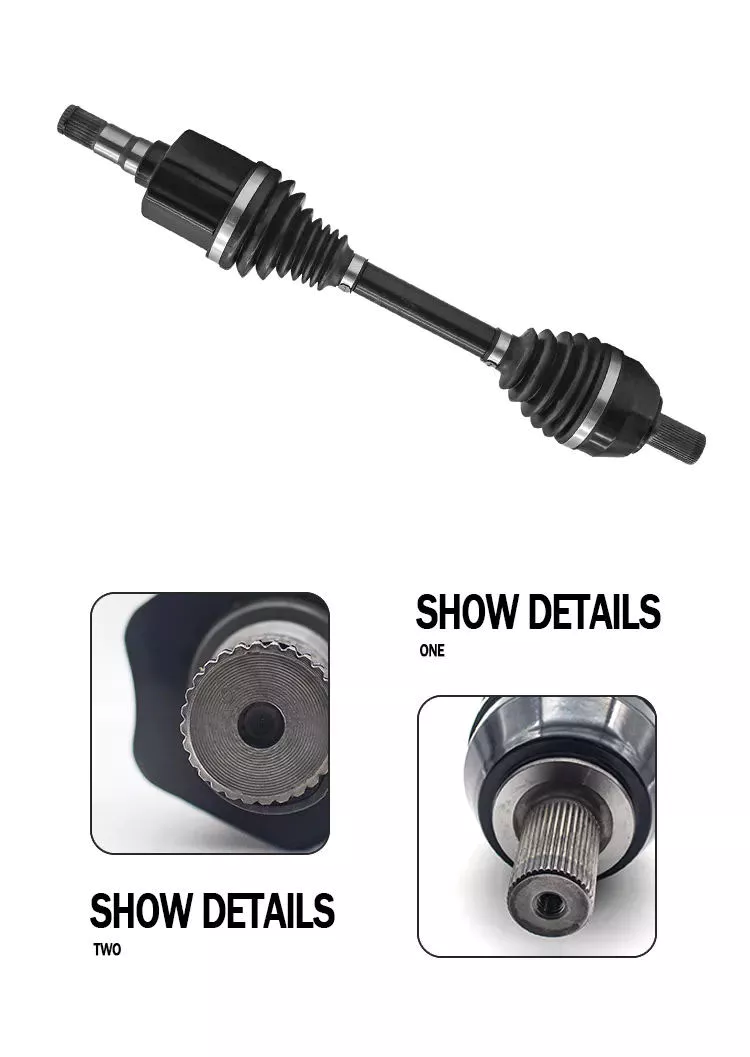
How do manufacturers ensure the compatibility of PTO shafts with different equipment?
Manufacturers employ various measures to ensure the compatibility of PTO (Power Take-Off) shafts with different equipment. Compatibility is crucial to ensure that PTO shafts can effectively transfer power from the power source to the driven machinery without compromising performance, safety, or ease of use. Here’s a detailed explanation of how manufacturers ensure compatibility:
1. Standaryzacja: PTO shafts are designed and manufactured based on standardized specifications. These specifications outline the essential parameters such as shaft dimensions, spline sizes, torque ratings, and safety requirements. By adhering to standardized designs, manufacturers ensure that PTO shafts are compatible with a wide range of equipment that meets the same standards. Standardization allows for interchangeability, meaning that PTO shafts from one manufacturer can be used with equipment from another manufacturer as long as they conform to the same specifications.
2. Collaboration with Equipment Manufacturers: PTO shaft manufacturers often collaborate closely with equipment manufacturers to ensure compatibility. They work together to understand the specific requirements of the equipment and design PTO shafts that seamlessly integrate with the machinery. This collaboration may involve sharing technical specifications, conducting joint testing, and exchanging feedback. By working in partnership, manufacturers can address any compatibility issues early in the design and development process, resulting in PTO shafts that are tailored to the equipment’s needs.
3. Opcje personalizacji: PTO shaft manufacturers offer customization options to accommodate different equipment configurations. They provide flexibility in terms of shaft length, spline sizes, yoke designs, and coupling mechanisms. Equipment manufacturers can specify the required parameters, and the PTO shafts can be customized accordingly. This ensures that the PTO shafts precisely match the equipment’s power input/output requirements and connection methods, guaranteeing compatibility and efficient power transfer.
4. Testing and Validation: Manufacturers conduct rigorous testing and validation processes to ensure the compatibility and performance of PTO shafts. They subject the shafts to various tests, including torque testing, rotational speed testing, and durability testing. These tests verify that the PTO shafts can handle the expected power loads and operating conditions without failure. By validating the performance of the PTO shafts, manufacturers can ensure that they are compatible with a wide range of equipment and can reliably transfer power under different operating scenarios.
5. Compliance with Industry Standards: PTO shaft manufacturers adhere to industry standards and regulations to ensure compatibility. Organizations such as the American Society of Agricultural and Biological Engineers (ASABE) establish safety and performance standards for PTO shafts. Manufacturers design and produce their shafts in accordance with these standards, ensuring that their products meet the necessary requirements for compatibility and safety. Compliance with industry standards provides assurance to equipment manufacturers and end-users that the PTO shafts are compatible and suitable for use with different equipment.
6. Documentation and Guidelines: Manufacturers provide comprehensive documentation and guidelines to assist equipment manufacturers and end-users in ensuring compatibility. This documentation includes technical specifications, installation instructions, maintenance guidelines, and safety recommendations. The documentation helps equipment manufacturers select the appropriate PTO shaft for their equipment and provides guidance on proper installation and use. By following the manufacturer’s guidelines, equipment manufacturers can ensure compatibility and optimize the performance of the PTO shafts.
7. Ciągłe badania i rozwój: PTO shaft manufacturers continuously invest in research and development to enhance compatibility with different equipment. They stay updated with industry trends, technological advancements, and evolving equipment requirements. This ongoing research and development enable manufacturers to improve the design, materials, and features of PTO shafts, ensuring compatibility with the latest equipment innovations and addressing any compatibility challenges that may arise.
By employing standardization, collaborating with equipment manufacturers, offering customization options, conducting thorough testing, complying with industry standards, providing documentation and guidelines, and investing in research and development, manufacturers ensure the compatibility of PTO shafts with different equipment. This compatibility allows for seamless integration, efficient power transfer, and optimal performance across a wide range of machinery and equipment in various industries.

Czy możesz podać rzeczywiste przykłady urządzeń wykorzystujących wały odbioru mocy?
Wały odbioru mocy (WOM) są szeroko stosowane w różnych gałęziach przemysłu, szczególnie w rolnictwie i budownictwie. Zapewniają niezawodne źródło zasilania dla szerokiej gamy urządzeń, umożliwiając wydajną pracę i zwiększoną wydajność. Oto kilka przykładów urządzeń powszechnie wykorzystujących wały WOM:
1. Maszyny rolnicze:
- Narzędzia do ciągnika: Szeroka gama maszyn montowanych na ciągnikach wykorzystuje wałki odbioru mocy do przenoszenia mocy. Należą do nich:
- Kosiarki i kosiarki obrotowe
- Prasy i sprzęt do siana
- Glebogryzarki i kultywatory
- Siewniki i sadzarki
- Opryskiwacze
- Rozrzutniki obornika
- Kombajny, takie jak kombajny zbożowe i sieczkarnie samojezdne
- Sprzęt stacjonarny: Wały przegubowo-teleskopowe stosowane są również w stacjonarnych maszynach rolniczych, w tym:
- Młynki i mieszalniki pasz
- Rozładowacze silosów
- Przenośniki ślimakowe i elewatory zbożowe
- Pompy nawadniające
- Rębaki i rozdrabniacze do drewna
- Frezarki do pni
2. Sprzęt budowlany i do robót ziemnych:
- Koparki i koparki: Wały odbioru mocy można znaleźć w koparko-ładowarkach i koparkach, napędzających urządzenia takie jak świdry, młoty hydrauliczne i podkaszarki.
- Koparki dołów pod słupy: Maszyny do kopania dołów na słupki, stosowane przy montażu ogrodzeń, często wykorzystują wał odbioru mocy do przenoszenia mocy na mechanizm kopiący.
- Koparki łańcuchowe: Maszyny do kopania rowów wyposażone w wały odbioru mocy skutecznie wykopują rowy pod instalacje użyteczności publicznej, systemy odwadniające lub linie nawadniające.
- Frezarki do pni: Frezarki do pni stosowane przy karczowaniu terenów i usuwaniu drzew często wykorzystują wały odbioru mocy do napędzania ostrzy tnących.
- Stabilizatory gruntu i urządzenia do odzyskiwania nawierzchni drogowych: Maszyny te wykorzystują wały odbioru mocy do napędzania wirnika i bębnów frezujących, które rozdrabniają i mieszają materiały wykorzystywane w budowie i utrzymaniu dróg.
3. Sprzęt leśny:
- Rębaki do drewna: Rębaki do drewna służące do przetwarzania gałęzi i kłód na wióry drzewne są zwykle napędzane za pomocą wałów odbioru mocy.
- Podkaszarki i rozdrabniacze: Do wycinania roślinności i utrzymywania terenów leśnych stosuje się podkaszarki i rozdrabniacze napędzane WOM.
- Łuparki do drewna: Łuparki do drewna opałowego, które rozłupują kłody, często wykorzystują wały odbioru mocy do napędzania mechanizmu rozłupującego.
4. Sprzęt użytkowy:
- Generatory: Niektóre generatory są zaprojektowane do napędzania za pomocą wałów odbioru mocy (WOM), zapewniając pomocnicze źródło zasilania dla różnych zastosowań w odległych lokalizacjach lub podczas przerw w dostawie prądu.
- Lakierki: Pompy napędzane przez wał odbioru mocy są powszechnie stosowane w nawadnianiu rolniczym, przepompowywaniu wody i odwadnianiu.
5. Sprzęt specjalistyczny:
- Resurfacery lodu: Wały przegubowo-teleskopowe stosowane są w maszynach do odnawiania lodowisk w celu utrzymania gładkiej powierzchni lodu do hokeja na lodzie i łyżwiarstwa figurowego.
- Sprężarki powietrza: Niektóre sprężarki powietrza napędzane są wałami odbioru mocy, stanowiącymi źródło sprężonego powietrza do różnych zastosowań.
Poniższe przykłady reprezentują szereg urządzeń, które w znacznym stopniu wykorzystują wały odbioru mocy do przenoszenia mocy. Wały odbioru mocy umożliwiają wydajną pracę tych maszyn, zwiększając produktywność i wszechstronność w różnych branżach.
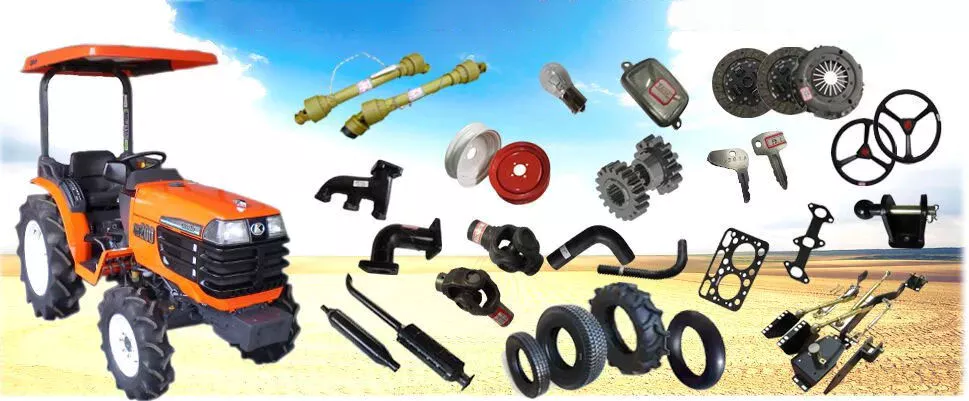
How do PTO shafts handle variations in speed and torque requirements?
PTO shafts (Power Take-Off shafts) are designed to handle variations in speed and torque requirements between the power source (such as a tractor or engine) and the driven machinery or equipment. They incorporate various mechanisms and components to ensure efficient power transmission while accommodating the different speed and torque demands. Here’s a detailed explanation of how PTO shafts handle variations in speed and torque requirements:
1. Gearbox Systems: PTO shafts often incorporate gearbox systems to match the speed and torque requirements between the power source and the driven machinery. Gearboxes allow for speed reduction or increase and can also change the rotational direction if necessary. By using different gear ratios, PTO shafts can adapt the rotational speed and torque output to suit the specific requirements of the driven equipment. Gearbox systems enable PTO shafts to provide the necessary power and speed compatibility between the power source and the machinery they drive.
2. Shear Bolt Mechanisms: Some PTO shafts, particularly in applications where sudden overloads or shock loads are expected, use shear bolt mechanisms. These mechanisms are designed to protect the driveline components from damage by disconnecting the PTO shaft in case of excessive torque or sudden resistance. Shear bolts are designed to break at a specific torque threshold, ensuring that the PTO shaft separates before the driveline components suffer damage. By incorporating shear bolt mechanisms, PTO shafts can handle variations in torque requirements and provide a safety feature to protect the equipment.
3. Friction Clutches: PTO shafts may incorporate friction clutch systems to enable smooth engagement and disengagement of power transfer. Friction clutches use a disc and pressure plate mechanism to control the transmission of power. Operators can gradually engage or disengage the power transfer by adjusting the pressure on the friction disc. This feature allows for precise control over torque transmission, accommodating variations in torque requirements while minimizing shock loads on the driveline components. Friction clutches are commonly used in applications where smooth power engagement is essential, such as in hydraulic pumps, generators, and industrial mixers.
4. Constant Velocity (CV) Joints: In cases where the driven machinery requires a significant range of movement or articulation, PTO shafts may incorporate Constant Velocity (CV) joints. CV joints allow the PTO shaft to accommodate misalignment and angular variations without affecting power transmission. These joints provide a smooth and constant power transfer even when the driven machinery is at an angle relative to the power source. CV joints are commonly used in applications such as articulated loaders, telescopic handlers, and self-propelled sprayers, where the machinery requires flexibility and a wide range of movement.
5. Telescopic Designs: Some PTO shafts feature telescopic designs that allow for length adjustment. These shafts consist of two or more concentric shafts that slide within each other, providing the ability to extend or retract the PTO shaft as needed. Telescopic designs accommodate variations in the distance between the power source and the driven machinery. By adjusting the length of the PTO shaft, operators can ensure proper power transmission without the risk of the shaft dragging on the ground or being too short to reach the equipment. Telescopic PTO shafts are commonly used in applications where the distance between the power source and the implement varies, such as in front-mounted implements, snow blowers, and self-loading wagons.
By incorporating these mechanisms and designs, PTO shafts can handle variations in speed and torque requirements effectively. They provide the necessary flexibility, safety, and control to ensure efficient power transmission between the power source and the driven machinery. PTO shafts play a critical role in adapting power to meet the specific needs of various equipment and applications.


editor by CX 2024-03-14