وصف المنتج
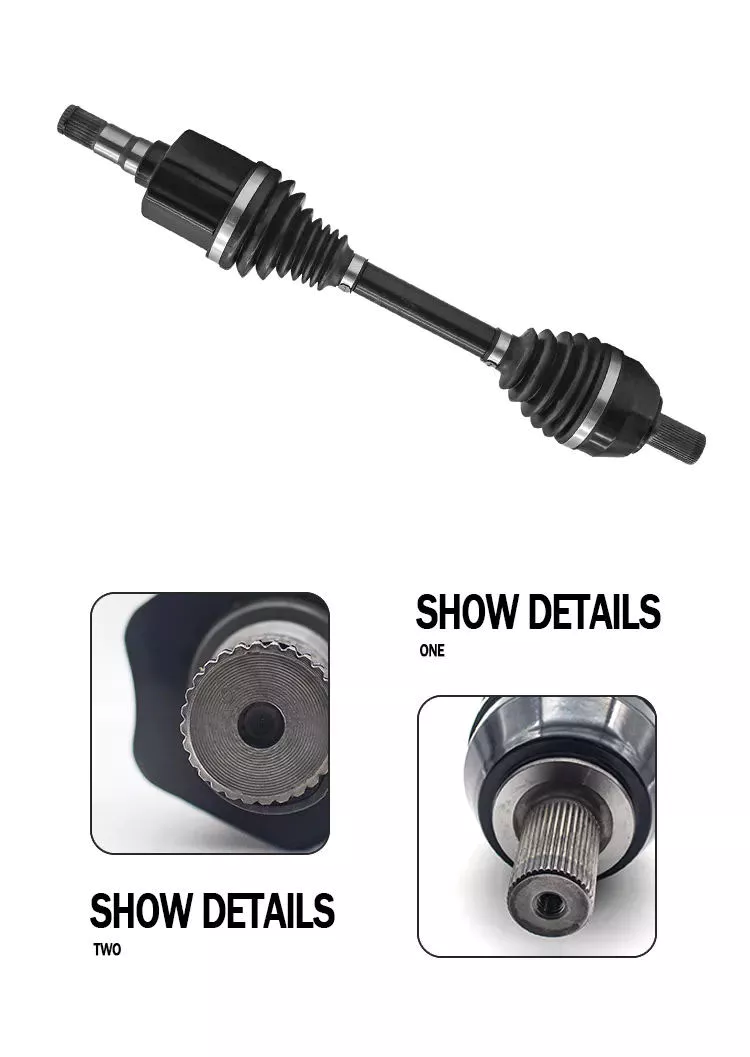
High Performance PTO Drive Shaft For Agricultural Machine
1. الأنابيب أو المواسير
لدينا بالفعل أنابيب ذات شكل مثلثي وأنابيب ذات شكل ليموني لجميع السلاسل التي نقدمها.
ولدينا بعض الأنابيب النجمية، والأنابيب ذات الحواف المسننة، وأنواع أخرى من الأنابيب ذات الأشكال المختلفة التي يطلبها عملاؤنا (لسلسلة معينة). (يرجى ملاحظة أن كتالوجنا لا يحتوي على جميع المنتجات التي نصنعها).
إذا كنت ترغب في أنابيب أخرى غير الأنابيب المثلثة أو الليمونية، فيرجى تقديم رسومات أو صور.
2. نهايات النير
لدينا أنواع عديدة من وصلات التحرير السريع ووصلات التجويف العادي. سأقترح النوع الأكثر شيوعًا كمرجع لك.
يمكنك أيضًا إرسال رسومات أو صور إلينا إذا لم تتمكن من العثور على المنتج الذي تبحث عنه في كتالوجنا.
3. أجهزة أو قابضات السلامة
سأرفق تفاصيل أجهزة السلامة للاطلاع عليها. لدينا بالفعل عجلة حرة (RA)، ومحدد عزم الدوران ذو السقاطة (SA)، ومحدد عزم الدوران ذو مسمار القص (SB)، وثلاثة أنواع من محددات عزم الدوران الاحتكاكية (FF، FFS، FCS)، ووصلات تجاوز السرعة (محولات) (FAS).
4. لأي متطلبات خاصة أخرى تتعلق بالواقي البلاستيكي، أو طريقة التوصيل، أو لون الطلاء، أو التغليف، وما إلى ذلك، فلا تتردد في إبلاغي بذلك.
سمات:
1. لقد تخصصنا لسنوات في تصميم وتصنيع أعمدة نقل الحركة، وأعمدة وصلات التوجيه، والمفاصل العالمية، والتي تم تصديرها إلى الولايات المتحدة الأمريكية وأوروبا وأستراليا وغيرها.
2. التطبيق على جميع أنواع الحالات الميكانيكية العامة
3. منتجاتنا تتميز بقوة وصلابة عاليتين.
4. مقاوم للحرارة والأحماض
5. نرحب بطلبات تصنيع المعدات الأصلية (OEM).
مصنعنا هو مصنع رائد في تصنيع نير عمود نقل الحركة والمفصل العالمي.
نصنع أذرع نقل الحركة عالية الجودة لمختلف المركبات وآلات ومعدات البناء. جميع منتجاتنا مزودة بوحدة دوارة أخف وزنًا.
/* 22 يناير 2571 19:08:37 */!function(){function s(e,r){var a,o={};try{e&&e.split(“,").forEach(function(e,t){e&&(a=e.match(/(.*?):(.*)$/))&&1
| يكتب: | شوكة |
|---|---|
| الاستخدام: | معالجة المنتجات الزراعية، البنية التحتية للأراضي الزراعية، حرث الأرض، الحصاد، الزراعة والتسميد، درس الحبوب، التنظيف والتجفيف |
| مادة: | الفولاذ الكربوني |
| مصدر الطاقة: | أنبوب عمود نقل الحركة |
| وزن: | Different Weight |
| حزمة النقل: | عبوة قياسية صالحة للإبحار |
| أمثلة: |
US$ 100/Piece
قطعة واحدة (الحد الأدنى للطلب) | |
|---|
| التخصيص: |
متاح
| طلب مخصص |
|---|
How do manufacturers ensure the compatibility of PTO shafts with different equipment?
Manufacturers employ various measures to ensure the compatibility of PTO (Power Take-Off) shafts with different equipment. Compatibility is crucial to ensure that PTO shafts can effectively transfer power from the power source to the driven machinery without compromising performance, safety, or ease of use. Here’s a detailed explanation of how manufacturers ensure compatibility:
1. Standardization: PTO shafts are designed and manufactured based on standardized specifications. These specifications outline the essential parameters such as shaft dimensions, spline sizes, torque ratings, and safety requirements. By adhering to standardized designs, manufacturers ensure that PTO shafts are compatible with a wide range of equipment that meets the same standards. Standardization allows for interchangeability, meaning that PTO shafts from one manufacturer can be used with equipment from another manufacturer as long as they conform to the same specifications.
2. Collaboration with Equipment Manufacturers: PTO shaft manufacturers often collaborate closely with equipment manufacturers to ensure compatibility. They work together to understand the specific requirements of the equipment and design PTO shafts that seamlessly integrate with the machinery. This collaboration may involve sharing technical specifications, conducting joint testing, and exchanging feedback. By working in partnership, manufacturers can address any compatibility issues early in the design and development process, resulting in PTO shafts that are tailored to the equipment’s needs.
3. Customization Options: PTO shaft manufacturers offer customization options to accommodate different equipment configurations. They provide flexibility in terms of shaft length, spline sizes, yoke designs, and coupling mechanisms. Equipment manufacturers can specify the required parameters, and the PTO shafts can be customized accordingly. This ensures that the PTO shafts precisely match the equipment’s power input/output requirements and connection methods, guaranteeing compatibility and efficient power transfer.
4. Testing and Validation: Manufacturers conduct rigorous testing and validation processes to ensure the compatibility and performance of PTO shafts. They subject the shafts to various tests, including torque testing, rotational speed testing, and durability testing. These tests verify that the PTO shafts can handle the expected power loads and operating conditions without failure. By validating the performance of the PTO shafts, manufacturers can ensure that they are compatible with a wide range of equipment and can reliably transfer power under different operating scenarios.
5. Compliance with Industry Standards: PTO shaft manufacturers adhere to industry standards and regulations to ensure compatibility. Organizations such as the American Society of Agricultural and Biological Engineers (ASABE) establish safety and performance standards for PTO shafts. Manufacturers design and produce their shafts in accordance with these standards, ensuring that their products meet the necessary requirements for compatibility and safety. Compliance with industry standards provides assurance to equipment manufacturers and end-users that the PTO shafts are compatible and suitable for use with different equipment.
6. Documentation and Guidelines: Manufacturers provide comprehensive documentation and guidelines to assist equipment manufacturers and end-users in ensuring compatibility. This documentation includes technical specifications, installation instructions, maintenance guidelines, and safety recommendations. The documentation helps equipment manufacturers select the appropriate PTO shaft for their equipment and provides guidance on proper installation and use. By following the manufacturer’s guidelines, equipment manufacturers can ensure compatibility and optimize the performance of the PTO shafts.
7. Ongoing Research and Development: PTO shaft manufacturers continuously invest in research and development to enhance compatibility with different equipment. They stay updated with industry trends, technological advancements, and evolving equipment requirements. This ongoing research and development enable manufacturers to improve the design, materials, and features of PTO shafts, ensuring compatibility with the latest equipment innovations and addressing any compatibility challenges that may arise.
By employing standardization, collaborating with equipment manufacturers, offering customization options, conducting thorough testing, complying with industry standards, providing documentation and guidelines, and investing in research and development, manufacturers ensure the compatibility of PTO shafts with different equipment. This compatibility allows for seamless integration, efficient power transfer, and optimal performance across a wide range of machinery and equipment in various industries.

هل يمكنك تقديم أمثلة واقعية لمعدات تستخدم أعمدة نقل الحركة؟
تُستخدم أعمدة نقل الحركة (PTO) على نطاق واسع في مختلف الصناعات، لا سيما في الزراعة والبناء. فهي توفر مصدر طاقة موثوقًا لمجموعة كبيرة من المعدات، مما يُمكّن من التشغيل الفعال وزيادة الإنتاجية. فيما يلي بعض الأمثلة الواقعية للمعدات التي تستخدم أعمدة نقل الحركة بشكل شائع:
1. الآلات الزراعية:
- معدات الجرارات: تعتمد مجموعة واسعة من المعدات الزراعية المثبتة على الجرارات على أعمدة نقل الحركة لنقل الطاقة. وتشمل هذه المعدات ما يلي:
- جزازات العشب وآلات القطع الدوارة
- مكابس القش ومعدات القش
- الحراثون والمزارعون
- آلات البذر والزراعة
- الرشاشات
- آلات نثر السماد
- الحصادات، مثل الحصادات المركبة وحصادات الأعلاف
- المعدات الثابتة: تُستخدم أعمدة نقل الحركة أيضًا في المعدات الزراعية الثابتة، بما في ذلك:
- مطاحن وخلاطات الأعلاف
- رافعات تفريغ الصوامع
- مثاقب ومصاعد الحبوب
- مضخات الري
- آلات تقطيع وتفتيت الخشب
- آلات طحن جذوع الأشجار
2. معدات البناء والحفر:
- الحفارات والجرافات: يمكن العثور على أعمدة نقل الحركة في الحفارات والجرافات الخلفية، حيث تقوم بتشغيل الملحقات مثل المثاقب والمطارق الهيدروليكية وقواطع الفرش.
- حفارو حفر الأعمدة: تعتمد حفارات ثقوب الأعمدة المستخدمة في تركيب الأسوار غالباً على أعمدة نقل الحركة لنقل الطاقة إلى آلية الحفر.
- حفارات الخنادق: تقوم آلات حفر الخنادق المزودة بأعمدة نقل الحركة بحفر الخنادق بكفاءة لتركيبات المرافق أو أنظمة الصرف أو خطوط الري.
- آلات طحن جذوع الأشجار: تستخدم آلات طحن جذوع الأشجار المستخدمة في عمليات إزالة الأشجار وتطهير الأراضي غالبًا أعمدة نقل الحركة لتشغيل شفرات القطع الخاصة بها.
- مثبتات التربة وآلات إعادة تأهيل الطرق: تستخدم هذه الآلات أعمدة نقل الحركة لتشغيل الدوار وأسطوانات الطحن، التي تقوم بسحق وخلط المواد اللازمة لبناء الطرق وصيانتها.
3. معدات الغابات:
- آلات تقطيع الخشب: تُستخدم آلات تقطيع الخشب لمعالجة أغصان الأشجار وجذوعها وتحويلها إلى رقائق خشبية، وعادة ما يتم تشغيلها بواسطة أعمدة نقل الحركة.
- جزازات العشب وآلات تقطيع الأغصان: تُستخدم آلات قص الفرش وآلات تقطيع الأغصان التي تعمل بنظام نقل الحركة لإزالة الغطاء النباتي والحفاظ على المناطق الحرجية.
- فواصل جذوع الأشجار: تستخدم آلات تقسيم جذوع الأشجار التي تقسم الجذوع إلى حطب في كثير من الأحيان أعمدة نقل الحركة لتشغيل آلية التقسيم.
4. معدات المرافق:
- المولدات: تم تصميم بعض المولدات ليتم تشغيلها بواسطة أعمدة نقل الحركة، مما يوفر مصدر طاقة مساعد لتطبيقات مختلفة في المواقع النائية أو أثناء انقطاع التيار الكهربائي.
- مضخات: تُستخدم المضخات التي تعمل بنظام نقل الحركة بشكل شائع في الري الزراعي ونقل المياه وتطبيقات نزح المياه.
5. المعدات المتخصصة:
- آلات إعادة تسوية الجليد: تُستخدم أعمدة نقل الحركة في آلات إعادة تسوية الجليد المستخدمة في حلبات التزلج للحفاظ على سطح جليدي أملس لهوكي الجليد والتزلج الفني.
- ضواغط الهواء: يتم تشغيل بعض ضواغط الهواء بواسطة أعمدة نقل الحركة، مما يوفر مصدرًا للهواء المضغوط لتطبيقات متنوعة.
تُمثل هذه الأمثلة مجموعة من المعدات التي تعتمد بشكل كبير على أعمدة نقل الحركة لنقل الطاقة. تُمكّن أعمدة نقل الحركة هذه الآلات من التشغيل بكفاءة، مما يزيد الإنتاجية والتنوع في مختلف الصناعات.
How do PTO shafts handle variations in speed and torque requirements?
PTO shafts (Power Take-Off shafts) are designed to handle variations in speed and torque requirements between the power source (such as a tractor or engine) and the driven machinery or equipment. They incorporate various mechanisms and components to ensure efficient power transmission while accommodating the different speed and torque demands. Here’s a detailed explanation of how PTO shafts handle variations in speed and torque requirements:
1. Gearbox Systems: PTO shafts often incorporate gearbox systems to match the speed and torque requirements between the power source and the driven machinery. Gearboxes allow for speed reduction or increase and can also change the rotational direction if necessary. By using different gear ratios, PTO shafts can adapt the rotational speed and torque output to suit the specific requirements of the driven equipment. Gearbox systems enable PTO shafts to provide the necessary power and speed compatibility between the power source and the machinery they drive.
2. Shear Bolt Mechanisms: Some PTO shafts, particularly in applications where sudden overloads or shock loads are expected, use shear bolt mechanisms. These mechanisms are designed to protect the driveline components from damage by disconnecting the PTO shaft in case of excessive torque or sudden resistance. Shear bolts are designed to break at a specific torque threshold, ensuring that the PTO shaft separates before the driveline components suffer damage. By incorporating shear bolt mechanisms, PTO shafts can handle variations in torque requirements and provide a safety feature to protect the equipment.
3. Friction Clutches: PTO shafts may incorporate friction clutch systems to enable smooth engagement and disengagement of power transfer. Friction clutches use a disc and pressure plate mechanism to control the transmission of power. Operators can gradually engage or disengage the power transfer by adjusting the pressure on the friction disc. This feature allows for precise control over torque transmission, accommodating variations in torque requirements while minimizing shock loads on the driveline components. Friction clutches are commonly used in applications where smooth power engagement is essential, such as in hydraulic pumps, generators, and industrial mixers.
4. Constant Velocity (CV) Joints: In cases where the driven machinery requires a significant range of movement or articulation, PTO shafts may incorporate Constant Velocity (CV) joints. CV joints allow the PTO shaft to accommodate misalignment and angular variations without affecting power transmission. These joints provide a smooth and constant power transfer even when the driven machinery is at an angle relative to the power source. CV joints are commonly used in applications such as articulated loaders, telescopic handlers, and self-propelled sprayers, where the machinery requires flexibility and a wide range of movement.
5. Telescopic Designs: Some PTO shafts feature telescopic designs that allow for length adjustment. These shafts consist of two or more concentric shafts that slide within each other, providing the ability to extend or retract the PTO shaft as needed. Telescopic designs accommodate variations in the distance between the power source and the driven machinery. By adjusting the length of the PTO shaft, operators can ensure proper power transmission without the risk of the shaft dragging on the ground or being too short to reach the equipment. Telescopic PTO shafts are commonly used in applications where the distance between the power source and the implement varies, such as in front-mounted implements, snow blowers, and self-loading wagons.
By incorporating these mechanisms and designs, PTO shafts can handle variations in speed and torque requirements effectively. They provide the necessary flexibility, safety, and control to ensure efficient power transmission between the power source and the driven machinery. PTO shafts play a critical role in adapting power to meet the specific needs of various equipment and applications.


editor by CX 2024-03-14