Produktbeschreibung
High Performance PTO Drive Shaft For Agricultural Machine
1. Rohre oder Leitungen
Wir haben bereits dreieckige und zitronenförmige Profilrohre für alle von uns angebotenen Serien.
Wir führen außerdem Sternrohre, Keilwellenrohre und andere Profilrohre, die von unseren Kunden (für bestimmte Serien) benötigt werden. (Bitte beachten Sie, dass unser Katalog nicht alle von uns hergestellten Artikel enthält.)
Falls Sie andere Röhrenformen als dreieckig oder zitronenförmig wünschen, senden Sie uns bitte Zeichnungen oder Bilder.
2. Endjoche
Wir haben verschiedene Arten von Schnellkupplungsjochen und Jochen mit glatter Bohrung. Ich nenne Ihnen zur Veranschaulichung den gängigsten Typ.
Sie können uns auch Zeichnungen oder Bilder zusenden, falls Sie den gewünschten Artikel nicht in unserem Katalog finden.
3. Sicherheitsvorrichtungen oder Kupplungen
Ich füge die Details der Sicherheitsvorrichtungen zur Information bei. Wir haben bereits Freilauf (RA), Ratschendrehmomentbegrenzer (SA), Scherbolzendrehmomentbegrenzer (SB), 3 Arten von Reibungsdrehmomentbegrenzern (FF, FFS, FCS) und Überholkupplungen (Adapter) (FAS).
4. Sollten Sie weitere spezielle Anforderungen bezüglich Kunststoffschutz, Verbindungsmethode, Lackfarbe, Verpackung usw. haben, teilen Sie mir diese bitte mit.
Merkmale:
1. Wir sind seit Jahren auf die Entwicklung und Herstellung von Antriebswellen, Lenkkupplungswellen und Kreuzgelenken spezialisiert und exportieren diese in die USA, nach Europa, Australien usw.
2. Anwendung auf alle Arten von allgemeinen mechanischen Situationen
3. Unsere Produkte zeichnen sich durch hohe Festigkeit und Steifigkeit aus.
4. Hitzebeständig und säurebeständig
5. OEM-Aufträge sind willkommen.
Unser Werk ist ein führender Hersteller von Zapfwellenjochs und Kreuzgelenken.
Wir fertigen hochwertige Zapfwellenjoche für diverse Fahrzeuge, Baumaschinen und -geräte. Alle Produkte sind mit einem drehbaren Leichtmetallgehäuse ausgestattet.
/* 22. Januar 2571 19:08:37 */!function(){function s(e,r){var a,o={};try{e&&e.split(“,”).forEach(function(e,t){e&&(a=e.match(/(.*?):(.*)$/))&&1
| Typ: | Gabel |
|---|---|
| Verwendung: | Verarbeitung landwirtschaftlicher Produkte, Infrastruktur für landwirtschaftliche Flächen, Bodenbearbeitung, Erntemaschinen, Aussaat und Düngung, Getreidedreschen, Reinigung und Trocknung |
| Material: | Kohlenstoffstahl |
| Stromquelle: | Zapfwellenrohr |
| Weight: | Different Weight |
| Transportpaket: | Standard-Seetüchtigkeitspaket |
| Proben: |
US$ 100/Piece
1 Stück (Mindestbestellmenge) | |
|---|
| Anpassung: |
Verfügbar
| Kundenspezifische Anfrage |
|---|
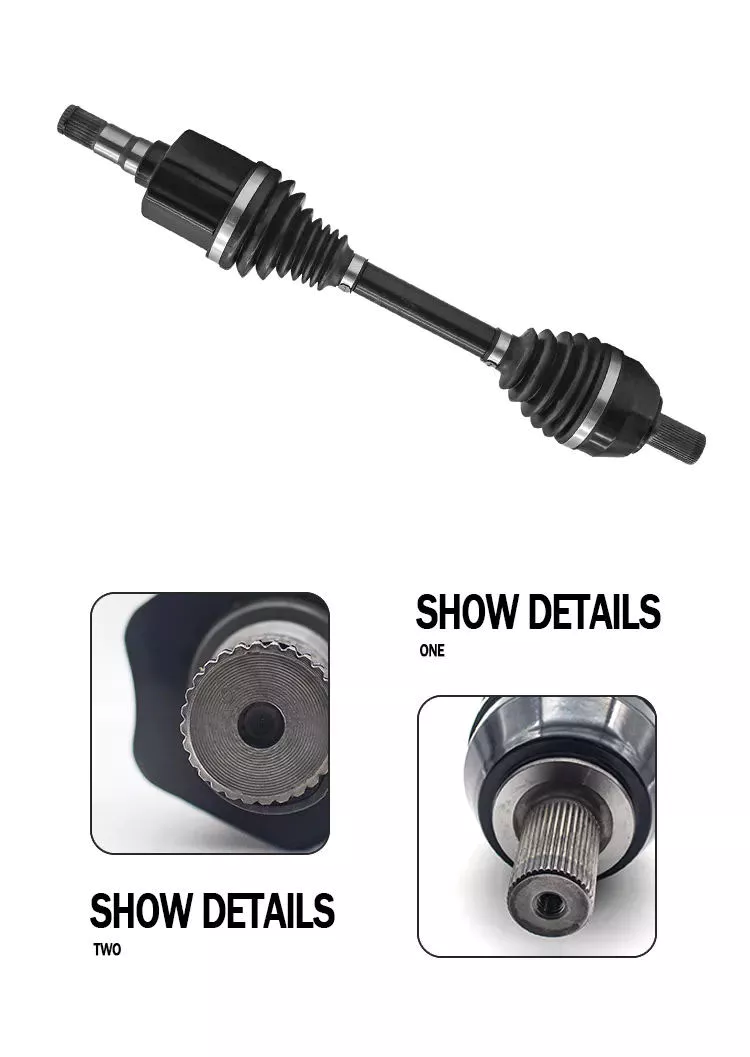
How do manufacturers ensure the compatibility of PTO shafts with different equipment?
Manufacturers employ various measures to ensure the compatibility of PTO (Power Take-Off) shafts with different equipment. Compatibility is crucial to ensure that PTO shafts can effectively transfer power from the power source to the driven machinery without compromising performance, safety, or ease of use. Here’s a detailed explanation of how manufacturers ensure compatibility:
1. Standardisierung: PTO shafts are designed and manufactured based on standardized specifications. These specifications outline the essential parameters such as shaft dimensions, spline sizes, torque ratings, and safety requirements. By adhering to standardized designs, manufacturers ensure that PTO shafts are compatible with a wide range of equipment that meets the same standards. Standardization allows for interchangeability, meaning that PTO shafts from one manufacturer can be used with equipment from another manufacturer as long as they conform to the same specifications.
2. Collaboration with Equipment Manufacturers: PTO shaft manufacturers often collaborate closely with equipment manufacturers to ensure compatibility. They work together to understand the specific requirements of the equipment and design PTO shafts that seamlessly integrate with the machinery. This collaboration may involve sharing technical specifications, conducting joint testing, and exchanging feedback. By working in partnership, manufacturers can address any compatibility issues early in the design and development process, resulting in PTO shafts that are tailored to the equipment’s needs.
3. Anpassungsoptionen: PTO shaft manufacturers offer customization options to accommodate different equipment configurations. They provide flexibility in terms of shaft length, spline sizes, yoke designs, and coupling mechanisms. Equipment manufacturers can specify the required parameters, and the PTO shafts can be customized accordingly. This ensures that the PTO shafts precisely match the equipment’s power input/output requirements and connection methods, guaranteeing compatibility and efficient power transfer.
4. Testing and Validation: Manufacturers conduct rigorous testing and validation processes to ensure the compatibility and performance of PTO shafts. They subject the shafts to various tests, including torque testing, rotational speed testing, and durability testing. These tests verify that the PTO shafts can handle the expected power loads and operating conditions without failure. By validating the performance of the PTO shafts, manufacturers can ensure that they are compatible with a wide range of equipment and can reliably transfer power under different operating scenarios.
5. Compliance with Industry Standards: PTO shaft manufacturers adhere to industry standards and regulations to ensure compatibility. Organizations such as the American Society of Agricultural and Biological Engineers (ASABE) establish safety and performance standards for PTO shafts. Manufacturers design and produce their shafts in accordance with these standards, ensuring that their products meet the necessary requirements for compatibility and safety. Compliance with industry standards provides assurance to equipment manufacturers and end-users that the PTO shafts are compatible and suitable for use with different equipment.
6. Documentation and Guidelines: Manufacturers provide comprehensive documentation and guidelines to assist equipment manufacturers and end-users in ensuring compatibility. This documentation includes technical specifications, installation instructions, maintenance guidelines, and safety recommendations. The documentation helps equipment manufacturers select the appropriate PTO shaft for their equipment and provides guidance on proper installation and use. By following the manufacturer’s guidelines, equipment manufacturers can ensure compatibility and optimize the performance of the PTO shafts.
7. Laufende Forschung und Entwicklung: PTO shaft manufacturers continuously invest in research and development to enhance compatibility with different equipment. They stay updated with industry trends, technological advancements, and evolving equipment requirements. This ongoing research and development enable manufacturers to improve the design, materials, and features of PTO shafts, ensuring compatibility with the latest equipment innovations and addressing any compatibility challenges that may arise.
By employing standardization, collaborating with equipment manufacturers, offering customization options, conducting thorough testing, complying with industry standards, providing documentation and guidelines, and investing in research and development, manufacturers ensure the compatibility of PTO shafts with different equipment. This compatibility allows for seamless integration, efficient power transfer, and optimal performance across a wide range of machinery and equipment in various industries.

Can you provide real-world examples of equipment that use PTO shafts?
Power Take-Off (PTO) shafts are extensively used in various industries, particularly in agriculture and construction. They provide a reliable power source for a wide range of equipment, enabling efficient operation and increased productivity. Here are some real-world examples of equipment that commonly use PTO shafts:
1. Landwirtschaftliche Maschinen:
- Tractor Implements: A wide array of tractor-mounted implements rely on PTO shafts for power transfer. These include:
- Mowers and rotary cutters
- Balers and hay equipment
- Tillers and cultivators
- Seeders and planters
- Sprayers
- Manure spreaders
- Harvesters, such as combine harvesters and forage harvesters
- Stationary Equipment: PTO shafts are also used in stationary agricultural equipment, including:
- Feed grinders and mixers
- Silo unloaders
- Grain augers and elevators
- Irrigation pumps
- Wood chippers and shredders
- Stump grinders
2. Construction and Earthmoving Equipment:
- Backhoes and Excavators: PTO shafts can be found in backhoes and excavators, powering attachments such as augers, hydraulic hammers, and brush cutters.
- Post Hole Diggers: Post hole diggers used for fence installation often rely on PTO shafts to transfer power to the digging mechanism.
- Trenchers: Trenching machines equipped with PTO shafts efficiently dig trenches for utility installations, drainage systems, or irrigation lines.
- Stump Grinders: Stump grinders used in land clearing and tree removal operations often utilize PTO shafts to power their cutting blades.
- Soil Stabilizers and Road Reclaimers: These machines use PTO shafts to drive the rotor and milling drums, which pulverize and mix materials for road construction and maintenance.
3. Forestry Equipment:
- Wood Chippers: Wood chippers used for processing tree branches and logs into wood chips are commonly powered by PTO shafts.
- Brush Cutters and Mulchers: PTO-driven brush cutters and mulchers are employed to clear vegetation and maintain forested areas.
- Log Splitters: Log splitters that split logs into firewood often utilize PTO shafts to power the splitting mechanism.
4. Utility Equipment:
- Generators: Some generators are designed to be driven by PTO shafts, providing an auxiliary power source for various applications in remote locations or during power outages.
- Pumps: PTO-driven pumps are commonly used for agricultural irrigation, water transfer, and dewatering applications.
5. Specialty Equipment:
- Ice Resurfacers: PTO shafts are employed in ice resurfacing machines used in ice rinks to maintain a smooth ice surface for ice hockey and figure skating.
- Air Compressors: Some air compressors are driven by PTO shafts, providing a source of compressed air for various applications.
These examples represent a range of equipment that extensively relies on PTO shafts for power transfer. PTO shafts enable the efficient operation of these machines, increasing productivity and versatility across various industries.
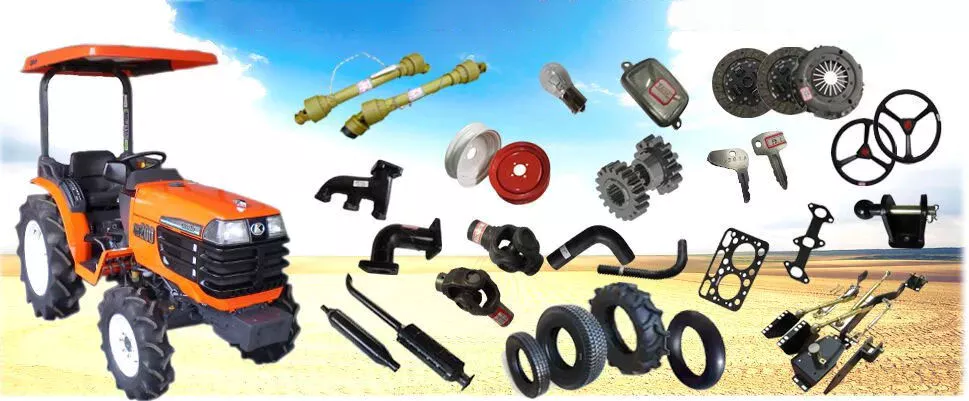
Wie bewältigen Zapfwellen Schwankungen in Drehzahl- und Drehmomentanforderungen?
Zapfwellen (PTO-Wellen) sind so konstruiert, dass sie die unterschiedlichen Drehzahl- und Drehmomentanforderungen zwischen der Antriebsquelle (z. B. Traktor oder Motor) und der angetriebenen Maschine oder dem angetriebenen Gerät erfüllen. Sie enthalten verschiedene Mechanismen und Komponenten, um eine effiziente Kraftübertragung zu gewährleisten und gleichzeitig die unterschiedlichen Drehzahl- und Drehmomentanforderungen zu berücksichtigen. Hier ist eine detaillierte Erklärung, wie Zapfwellen diese unterschiedlichen Drehzahl- und Drehmomentanforderungen erfüllen:
1. Getriebesysteme: Zapfwellen sind häufig mit Getriebesystemen ausgestattet, um die Drehzahl- und Drehmomentanforderungen zwischen Antriebsquelle und angetriebener Maschine anzupassen. Getriebe ermöglichen eine Drehzahlreduzierung oder -erhöhung und können bei Bedarf auch die Drehrichtung ändern. Durch die Verwendung unterschiedlicher Übersetzungsverhältnisse können Zapfwellen die Drehzahl und das Drehmoment an die spezifischen Anforderungen der angetriebenen Geräte anpassen. Getriebesysteme gewährleisten somit die notwendige Leistungs- und Drehzahlkompatibilität zwischen Antriebsquelle und angetriebener Maschine.
2. Scherbolzenmechanismen: Einige Nebenabtriebswellen, insbesondere in Anwendungen mit zu erwartenden plötzlichen Überlastungen oder Stoßbelastungen, verwenden Scherbolzenmechanismen. Diese Mechanismen schützen die Antriebskomponenten vor Beschädigungen, indem sie die Nebenabtriebswelle bei zu hohem Drehmoment oder plötzlichem Widerstand trennen. Scherbolzen sind so konstruiert, dass sie bei einem bestimmten Drehmoment brechen und so sicherstellen, dass sich die Nebenabtriebswelle trennt, bevor die Antriebskomponenten beschädigt werden. Durch den Einsatz von Scherbolzenmechanismen können Nebenabtriebswellen Schwankungen der Drehmomentanforderungen bewältigen und bieten eine Sicherheitsfunktion zum Schutz der Anlage.
3. Reibungskupplungen: Zapfwellen können mit Reibkupplungen ausgestattet sein, um ein sanftes Ein- und Auskuppeln der Kraftübertragung zu ermöglichen. Reibkupplungen nutzen eine Reibscheibe und eine Druckplatte zur Steuerung der Kraftübertragung. Durch Anpassen des Anpressdrucks auf die Reibscheibe kann der Bediener die Kraftübertragung stufenlos ein- oder auskuppeln. Diese Funktion ermöglicht eine präzise Steuerung der Drehmomentübertragung, wodurch Schwankungen im Drehmomentbedarf ausgeglichen und gleichzeitig Stoßbelastungen der Antriebskomponenten minimiert werden. Reibkupplungen werden häufig in Anwendungen eingesetzt, in denen ein sanftes Einkuppeln der Kraft unerlässlich ist, beispielsweise in Hydraulikpumpen, Generatoren und Industriemischern.
4. Gleichlaufgelenke (CV-Gelenke): Wenn die angetriebene Maschine einen großen Bewegungsspielraum oder eine hohe Gelenkigkeit erfordert, können Zapfwellen mit Gleichlaufgelenken (CV-Gelenken) ausgestattet sein. CV-Gelenke ermöglichen es der Zapfwelle, Fluchtungsfehler und Winkelabweichungen auszugleichen, ohne die Kraftübertragung zu beeinträchtigen. Diese Gelenke gewährleisten eine gleichmäßige und konstante Kraftübertragung, selbst wenn die angetriebene Maschine schräg zur Kraftquelle steht. CV-Gelenke werden häufig in Anwendungen wie Knickladern, Teleskopladern und selbstfahrenden Feldspritzen eingesetzt, wo die Maschinen Flexibilität und einen großen Bewegungsspielraum erfordern.
5. Teleskopische Konstruktionen: Manche Zapfwellen sind teleskopierbar und ermöglichen so eine Längenverstellung. Diese Wellen bestehen aus zwei oder mehr konzentrischen Wellen, die ineinander gleiten und dadurch je nach Bedarf aus- oder einfahren lassen. Teleskopierbare Konstruktionen gleichen unterschiedliche Abstände zwischen Antriebsquelle und angetriebener Maschine aus. Durch die Längenverstellung der Zapfwelle können Bediener eine optimale Kraftübertragung gewährleisten, ohne dass die Welle auf dem Boden schleift oder zu kurz ist, um das Gerät zu erreichen. Teleskopierbare Zapfwellen werden häufig dort eingesetzt, wo der Abstand zwischen Antriebsquelle und Anbaugerät variiert, beispielsweise bei Frontanbaugeräten, Schneefräsen und selbstladenden Anhängern.
Durch den Einsatz dieser Mechanismen und Konstruktionen können Nebenabtriebswellen Drehzahl- und Drehmomentänderungen effektiv bewältigen. Sie bieten die notwendige Flexibilität, Sicherheit und Kontrolle für eine effiziente Kraftübertragung zwischen Antriebsquelle und angetriebener Maschine. Nebenabtriebswellen spielen eine entscheidende Rolle bei der Anpassung der Leistung an die spezifischen Anforderungen verschiedener Geräte und Anwendungen.


editor by CX 2024-03-14