Opis produktu
Pto Shaft Agricultural Driveline Spline Pto Shaft Factory Transmission for Tractor Parts Drive Propeller Shaft
Wał odbioru mocy
The power take-off (PTO) is a sophisticated mechanism, allowing implements to draw energy from the engine and transmit it to another application. It works as a mechanical gearbox which can be mounted on the vehicle’s transmission.
The power take-off shaft (PTO shaft) is a critical component, designed and manufactured for continuous heavy-duty use. A good PTO shaft should be strong enough to bear the torsion and shear stress and minimize vibration.
EP Group has been internationally recognized as a reliable global supplier. Our state-of-the-art manufacturing process and
experienced engineers ensure the top-quality of all Farinia components.
|
Model Number |
05(Push Pin)+RA2(Overrunning Clutch) |
|
Function |
Power transmission |
|
Use |
Tractors and various farm implements |
|
Yoke Type |
push pin/quick release/ball attachment/collar/double push pin/bolt pins/split pins |
|
Processing Of Yoke |
Forging |
|
Plastic Cover |
YW;BW;YS;BS |
|
Color |
Yellow;black,customized |
|
Szereg |
1S;2S;3S;4S;5S;6S;7S;8S;9S;10S;38S;48S;36 |
|
Tube Type |
Trianglar/star/lemon |
|
Processing Of Tube |
Cold drawn |
|
Spline Type |
1 3/8″ Z6; 1 3/8 Z21 ;1 3/4 Z20;1 1/8 Z6; 1 3/4 Z6; 8*42*48*8; 8*32*38*6 |
Aplikacja:
We also provide agricultural machinery gearboxes
/* 22 stycznia 2571 19:08:37 */!function(){function s(e,r){var a,o={};try{e&&e.split(„”,).forEach(function(e,t){e&&(a=e.match(/(.*?):(.*)$/))&&1
| Tworzywo: | Stal węglowa |
|---|---|
| Obciążenie: | Wał napędowy |
| Sztywność i elastyczność: | Sztywność / sztywna oś |
| Dokładność wymiarowa średnicy czopu: | IT6-IT9 |
| Kształt osi: | Crankshaft |
| Kształt wału: | Optic Axis |
| Próbki: |
US$ 30/Piece
1 sztuka (minimalne zamówienie) | |
|---|
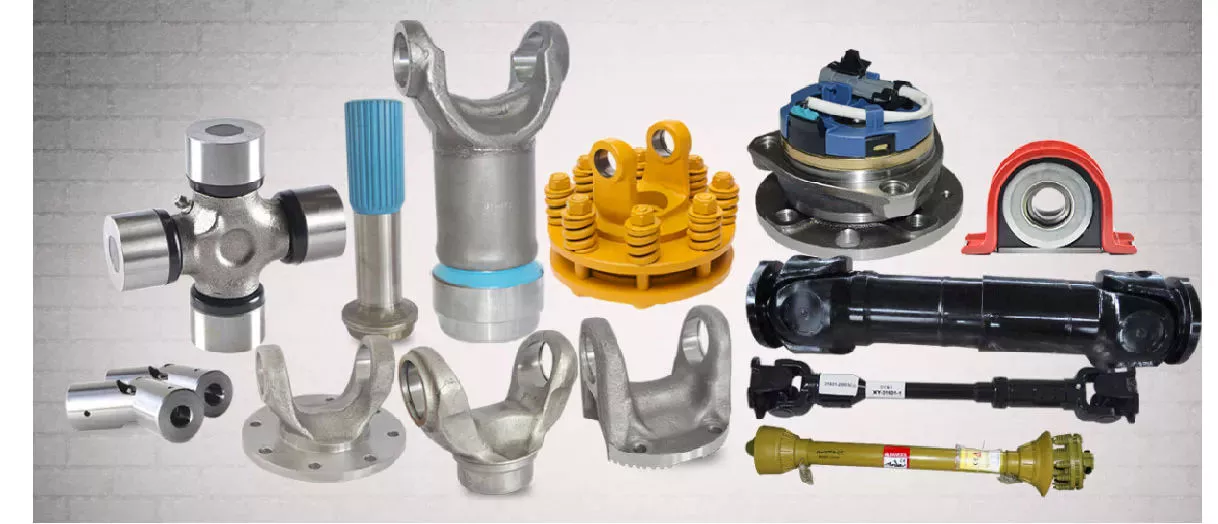
Are there variations in PTO shaft designs for different types of machinery?
Yes, there are variations in PTO (Power Take-Off) shaft designs to accommodate the specific requirements of different types of machinery. PTO shafts are highly versatile and adaptable components used to transfer power from a power source, such as a tractor or engine, to driven machinery or equipment. The design variations in PTO shafts are necessary to ensure compatibility, efficiency, and safety in various applications. Here’s a detailed explanation of the different PTO shaft designs for different types of machinery:
1. Standard PTO Shafts: Standard PTO shafts are the most common design and are widely used in a variety of applications. They typically consist of a solid steel shaft with a universal joint at each end. These universal joints allow for angular misalignment between the power source and the driven machinery. Standard PTO shafts are suitable for applications where the distance between the power source and the driven machinery remains relatively fixed. They are commonly used in agricultural implements, such as mowers, balers, tillers, and seeders, as well as in industrial applications.
2. Telescopic PTO Shafts: Telescopic PTO shafts feature a telescoping design that allows for length adjustment. These shafts consist of two or more concentric shafts that can slide within each other. Telescopic PTO shafts are beneficial in applications where the distance between the power source and the driven machinery varies. By adjusting the length of the shaft, operators can ensure proper power transmission without the risk of the shaft dragging on the ground or being too short to reach the equipment. Telescopic PTO shafts are commonly used in front-mounted implements, snow blowers, self-loading wagons, and other applications where the distance between the power source and the implement changes.
3. CV (Constant Velocity) PTO Shafts: CV PTO shafts incorporate Constant Velocity joints to accommodate misalignment and angular variations. These joints maintain a constant speed and torque transfer even when the driven machinery is at an angle relative to the power source. CV PTO shafts are beneficial in applications where the driven machinery requires flexibility and a wide range of movement. They are commonly used in articulated loaders, telescopic handlers, self-propelled sprayers, and other equipment that requires continuous power transmission while operating at various angles.
4. Gearbox Driven PTO Shafts: Some machinery requires specific speed or torque ratios between the power source and the driven equipment. In such cases, PTO shafts may incorporate gearbox systems. Gearbox driven PTO shafts allow for speed reduction or increase and can change the rotational direction if necessary. The gear ratios in the gearbox can be adjusted to match the speed and torque requirements of the driven machinery. These PTO shafts are commonly used in applications where the power source operates at a different speed or torque level than the equipment it drives, such as in certain industrial manufacturing processes and specialized machinery.
5. High-Torque PTO Shafts: Some heavy-duty machinery requires high torque levels for power transmission. High-torque PTO shafts are designed to handle these demanding applications. They are constructed with reinforced components, including larger diameter shafts and heavier-duty universal joints, to withstand the increased torque requirements. High-torque PTO shafts are commonly used in equipment such as wood chippers, crushers, and heavy-duty agricultural implements that require substantial power and torque for their operation.
6. Safety PTO Shafts: Safety is a crucial consideration when using PTO shafts. Safety PTO shafts incorporate mechanisms to reduce the risk of accidents and injuries. One common safety feature is the use of protective guards that cover the rotating shaft to prevent accidental contact. These guards are typically made of metal or plastic and are designed to shield the rotating components while allowing the necessary movement for power transmission. Safety PTO shafts are used in various applications where the risk of entanglement or accidental contact with the rotating shaft is high, such as in grass mowers, rotary cutters, and other equipment used in landscaping and agriculture.
These are some of the key variations in PTO shaft designs for different types of machinery. The specific design used depends on factors such as the application requirements, power source characteristics, torque levels, movement flexibility, and safety considerations. PTO shaft manufacturers offer a range of designs to ensure compatibility and efficient power transmission in diverse industries and applications.

How do PTO shafts enhance the performance of tractors and agricultural machinery?
Power Take-Off (PTO) shafts play a crucial role in enhancing the performance of tractors and agricultural machinery. By providing a reliable power transfer mechanism, PTO shafts enable these machines to operate efficiently, effectively, and with increased versatility. Here’s a detailed explanation of how PTO shafts enhance the performance of tractors and agricultural machinery:
1. Power Transfer: PTO shafts facilitate the transfer of power from the tractor’s engine to various agricultural implements and machinery. The rotating power generated by the engine is transmitted through the PTO shaft to drive the connected equipment. This direct power transfer eliminates the need for separate engines or motors on each implement, reducing complexity, weight, and maintenance requirements. PTO shafts ensure a consistent and reliable power supply, enabling agricultural machinery to perform tasks with optimal efficiency and effectiveness.
2. Versatility: PTO shafts provide tractors and agricultural machinery with increased versatility. Since PTO shafts have standardized dimensions and connection methods, a wide range of implements can be easily attached and powered by the same tractor. This versatility allows farmers to quickly switch between different tasks, such as mowing, tilling, planting, and harvesting, without the need for multiple specialized machines. The ability to use a single power unit for various operations reduces costs, saves storage space, and improves overall operational efficiency.
3. Improved Productivity: PTO shafts contribute to improved productivity in agricultural operations. By harnessing the power of tractors, agricultural machinery can operate at higher speeds and with greater efficiency compared to manual or alternative power methods. PTO-driven implements, such as mowers, balers, and harvesters, can cover larger areas and complete tasks more quickly, reducing the time required to perform agricultural operations. This increased productivity allows farmers to accomplish more within a given timeframe, leading to higher crop yields and improved overall farm efficiency.
4. Reduced Labor Requirements: PTO shafts help reduce labor requirements in agricultural operations. By utilizing mechanized equipment powered by PTO shafts, farmers can minimize manual labor and the associated physical effort. Tasks such as plowing, tilling, and harvesting can be performed more efficiently and with less reliance on human labor. This reduction in labor requirements allows farmers to allocate resources more effectively, focus on other essential tasks, and potentially reduce labor costs.
5. Precision and Accuracy: PTO shafts contribute to precision and accuracy in agricultural operations. The consistent power supply from the tractor’s engine ensures uniform operation and performance of the connected machinery. This precision is crucial for tasks such as seed placement, fertilizer or chemical application, and crop harvesting. PTO-driven equipment can provide consistent rotations per minute (RPM) and maintain the necessary operational parameters, resulting in precise and accurate agricultural practices. This precision leads to improved crop quality, reduced waste, and optimized resource utilization.
6. Adaptability to Various Tasks: PTO shafts enhance the adaptability of tractors and agricultural machinery to perform various tasks. With the ability to connect different implements, such as mowers, seeders, sprayers, or balers, via PTO shafts, farmers can quickly transform their tractors into specialized machines for specific operations. This adaptability allows for efficient utilization of equipment across different stages of crop production, enabling farmers to respond to changing needs and conditions in a cost-effective manner.
7. Enhanced Safety: PTO shafts contribute to enhanced safety in agricultural operations. Many PTO shafts are equipped with safety features, such as shields or guards, to protect operators from potential hazards associated with rotating components. These safety measures help prevent entanglement accidents and reduce the risk of injuries. Additionally, by using PTO-driven machinery, farmers can keep a safe distance from certain hazardous tasks, such as mowing or shredding, further improving overall safety on the farm.
8. Integration with Technology: PTO shafts can be integrated with advanced technology and automation systems in modern tractors and agricultural machinery. This integration allows for precise control, data monitoring, and optimization of machine performance. For example, precision guidance systems can be synchronized with PTO-driven implements to ensure accurate seed placement or chemical application. Furthermore, data collection and analysis can provide insights into fuel efficiency, maintenance needs, and overall equipment performance, leading to optimized operation and improved productivity.
In summary, PTO shafts enhance the performance of tractors and agricultural machinery by enabling efficient power transfer, increasing versatility, improving productivity, reducing labor requirements, ensuring precision and accuracy, facilitating adaptability, enhancing safety, and integrating with advanced technologies. These benefits contribute to overall operational efficiency, cost-effectiveness, and the ability of farmers to effectively manage theiragricultural operations.
W jaki sposób wały odbioru mocy przyczyniają się do przenoszenia mocy z ciągników na narzędzia?
Wały odbioru mocy (WOM) odgrywają kluczową rolę w przenoszeniu mocy z ciągników na narzędzia w rolnictwie i przemyśle. Zapewniają niezawodne i wydajne przeniesienie mocy, umożliwiając ciągnikom napędzanie różnych narzędzi i wykonywanie szerokiego zakresu zadań. Poniżej znajduje się szczegółowe wyjaśnienie, w jaki sposób wały odbioru mocy przyczyniają się do przenoszenia mocy z ciągników na narzędzia:
Źródło zasilania: Ciągniki są wyposażone w mocne silniki zaprojektowane do generowania znacznych ilości mocy mechanicznej. Moc ta jest wykorzystywana do napędzania kół ciągnika i obsługi układów hydraulicznych, a także do zasilania osprzętu poprzez wałek odbioru mocy (WOM). Wał odbioru mocy zazwyczaj łączy się z tyłem lub bokiem ciągnika, gdzie znajduje się mechanizm odbioru mocy (WOM). WOM czerpie moc bezpośrednio z silnika lub przekładni ciągnika, umożliwiając efektywne przenoszenie mocy na WOM.
Konstrukcja wału odbioru mocy: Wały WOM to elementy układu napędowego, które przenoszą moc obrotową i moment obrotowy z wału odbioru mocy ciągnika na narzędzie. Składają się z pustej metalowej rury z przegubami krzyżowymi na obu końcach. Przeguby krzyżowe kompensują odchylenia kątowe i umożliwiają wałowi WOM przenoszenie mocy nawet wtedy, gdy ciągnik i narzędzie nie są idealnie wyrównane. Wał WOM jest również wyposażony w osłonę zabezpieczającą, która zapobiega przypadkowemu kontaktowi z obracającym się wałem, zapewniając operatorowi bezpieczeństwo podczas pracy.
Zaangażowanie PTO: Aby przenieść moc z ciągnika na narzędzie, należy załączyć wałek odbioru mocy (WOM). Ciągniki są wyposażone w mechanizm sprzęgła WOM, który umożliwia operatorom załączanie i rozłączanie wałka w razie potrzeby. Po załączeniu sprzęgła WOM, moc przepływa z silnika ciągnika przez wał odbioru mocy do wałka odbioru mocy. Ta moc obrotowa jest następnie przekazywana przez wałek odbioru mocy na narzędzie, napędzając jego elementy robocze.
Przenoszenie mocy obrotowej: Moc obrotowa generowana przez silnik ciągnika jest przenoszona na wał odbioru mocy (WOM) poprzez mechanizm wału odbioru mocy (WOM). Wał WOM, będąc bezpośrednio połączony z WOM, obraca się z tą samą prędkością co silnik. Ta moc obrotowa jest następnie przekazywana z WOM do układu napędowego lub przekładni narzędzia. Układ napędowy narzędzia z kolei rozdziela moc na elementy robocze narzędzia, takie jak ostrza, ślimaki czy pompy, umożliwiając im wykonywanie odpowiednich funkcji.
Dopasowanie prędkości i mocy: Wały odbioru mocy (WOM) są zaprojektowane tak, aby dopasować prędkość obrotową i zapotrzebowanie mocy różnych narzędzi. Ciągniki często oferują wiele ustawień prędkości WOM, co pozwala operatorom wybrać odpowiednią prędkość dla konkretnego narzędzia. Różne narzędzia mogą wymagać różnych prędkości obrotowych do optymalnej pracy, a wał odbioru mocy (WOM) umożliwia łatwą regulację w celu dopasowania do tych wymagań. Dodatkowo, moc generowana przez silnik ciągnika jest przenoszona przez wał odbioru mocy, zapewniając niezbędny moment obrotowy do efektywnego napędzania podzespołów roboczych narzędzia.
Wszechstronność i wydajność: Wały odbioru mocy (WOM) oferują znaczną wszechstronność i wydajność w rolnictwie i przemyśle. Umożliwiają one ciągnikom napędzanie szerokiej gamy narzędzi, takich jak kosiarki, prasy, glebogryzarki, opryskiwacze i świdry zbożowe. Dzięki bezpośredniemu podłączeniu narzędzi do źródła zasilania ciągnika, operatorzy mogą szybko przełączać się między zadaniami bez konieczności korzystania z oddzielnych generatorów prądu lub silników. Ta wszechstronność i wydajność usprawniają przepływ pracy, obniżają koszty i zwiększają ogólną wydajność w rolnictwie i przemyśle.
Zagadnienia bezpieczeństwa: Chociaż wały odbioru mocy są niezbędne do przenoszenia mocy, mogą stwarzać zagrożenie bezpieczeństwa w przypadku niewłaściwego obchodzenia się z nimi. Obracający się wał i przeguby krzyżakowe mogą spowodować poważne obrażenia, jeśli operator zetknie się z nimi podczas pracy. Dlatego wały odbioru mocy są wyposażone w osłony zabezpieczające, aby zapobiec przypadkowemu kontaktowi. Operatorzy powinni zawsze upewnić się, że osłony zabezpieczające są na swoim miejscu i zabezpieczone przed uruchomieniem wału odbioru mocy. Odpowiednie przeszkolenie, przestrzeganie wytycznych bezpieczeństwa oraz regularna konserwacja wałów odbioru mocy i powiązanych z nimi zabezpieczeń mają kluczowe znaczenie dla zapewnienia bezpiecznej pracy.
Podsumowując, wały odbioru mocy (WOM) to kluczowe elementy umożliwiające przenoszenie mocy z ciągników na narzędzia w zastosowaniach rolniczych i przemysłowych. Zapewniają one niezawodne i wydajne przeniesienie mocy, umożliwiając ciągnikom napędzanie różnych narzędzi i wykonywanie szerokiego zakresu zadań. Poprzez załączanie sprzęgła WOM i przekazywanie mocy obrotowej przez wał WOM, ciągniki napędzają elementy robocze narzędzi, zapewniając wszechstronność, wydajność i produktywność w zastosowaniach rolniczych i przemysłowych.


editor by CX 2024-04-08