製品説明
| OE | LR092699 T4A1861 |
| Vehicle model | Range Rover Velar FPACE |
We are committed to the production and research and development of transmission shafts, as well as the sales of mid to high-end automotive transmission shafts. We serve high-quality customers with high-quality products. At present, we mainly produce Mercedes Benz, BMW, Audi, Volkswagen, Porsche, Volvo, Land Rover, Jaguar, Maserati, Ferrari, Lamborghini, and Bentley
Reasons for choosing us
1. High quality (quieter to move)
2. After sales worry free (one-on-1 service)
3. Factory direct sales (bypassing intermediaries)
4. Support for 1 custom thread
/* March 10, 2571 17:59:20 */!function(){function s(e,r){var a,o={};try{e&&e.split(“,”).forEach(function(e,t){e&&(a=e.match(/(.*?):(.*)$/))&&1
| After-sales Service: | 12 Months |
|---|---|
| Condition: | New |
| Color: | Black |
| Certification: | ISO |
| Type: | Drive Shaft |
| Application Brand: | Jaguar Land Rover |
| Samples: |
US$ 78/Piece
1 Piece(Min.Order) | |
|---|
| カスタマイズ: |
利用可能
| カスタマイズされたリクエスト |
|---|
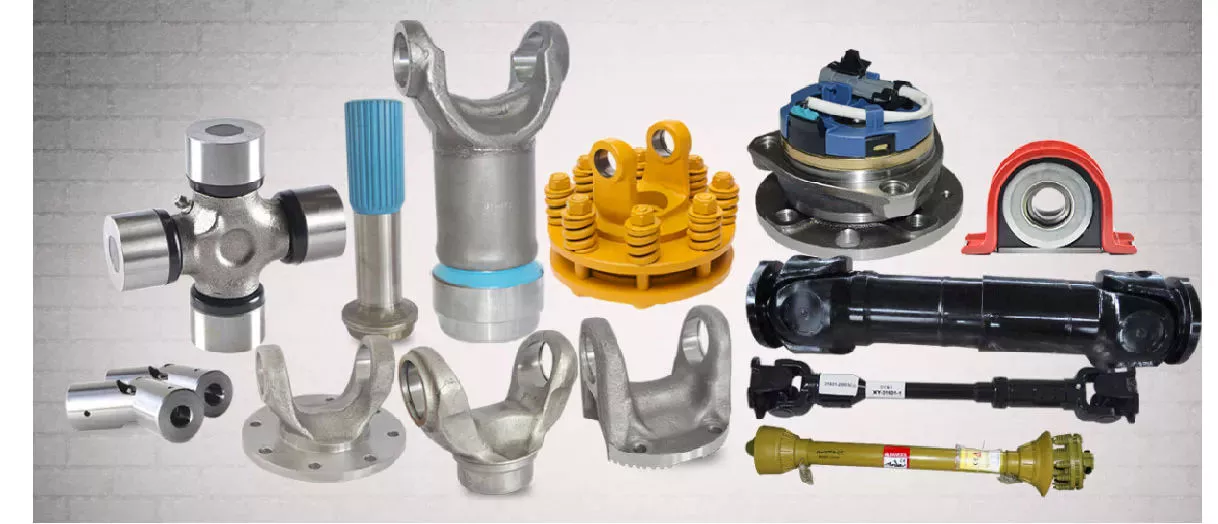
用途に適したドライブシャフトを選定する際に考慮すべき要素は何ですか?
用途に適したドライブシャフトを選定する際には、いくつかの要素を考慮する必要があります。ドライブシャフトの選択は、効率的で信頼性の高い動力伝達を確保する上で重要な役割を果たします。考慮すべき主な要素は以下のとおりです。
1. 出力およびトルク要件:
用途における出力とトルクの要件は、重要な検討事項です。ドライブシャフトが破損や過度のたわみを起こさずに伝達できる最大トルクを決定することが不可欠です。これには、エンジンまたは動力源の出力、および駆動部品のトルク要求を評価することが含まれます。適切な直径、材料強度、および設計のドライブシャフトを選択することは、性能や安全性を損なうことなく、想定されるトルクレベルに対応できることを保証するために不可欠です。
2. 動作速度:
駆動軸の回転速度も重要な要素です。回転速度は、振動、共振、臨界速度制限など、駆動軸の動的挙動に影響を与えます。過度の振動や構造的完全性を損なうことなく、所望の速度範囲内で動作できる駆動軸を選択することが重要です。駆動軸が必要な回転速度に効果的に対応できるよう、材料特性、バランス、臨界速度解析などの要素を考慮する必要があります。
3. 長さと配置:
ドライブシャフトを選定する際には、用途に応じた長さとアライメントの要件を考慮する必要があります。エンジンまたは動力源と駆動部品との距離によって、必要なドライブシャフトの長さが決まります。長さや動作角度に大きな変動がある場合は、伸縮式ドライブシャフト、または適切なカップリングやユニバーサルジョイントを備えた複数のドライブシャフトが必要になる場合があります。ドライブシャフトの適切なアライメントは、振動を最小限に抑え、摩耗を軽減し、効率的な動力伝達を確保するために不可欠です。
4. スペースの制約:
設置場所のスペースは、考慮すべき重要な要素です。ドライブシャフトは、他の部品や構造物と干渉することなく、割り当てられたスペース内に収まる必要があります。ドライブシャフトの長さ、直径、ジョイントやカップリングなどの追加部品を含めた全体の寸法を考慮することが不可欠です。場合によっては、十分な動力伝達能力を維持しながらスペースの制約に対応するために、カスタム設計またはコンパクトなドライブシャフト設計が必要になることがあります。
5.環境条件:
ドライブシャフトが使用される環境条件を評価する必要があります。温度、湿度、腐食性物質、汚染物質への曝露といった要因は、ドライブシャフトの性能と寿命に影響を与える可能性があります。ドライブシャフトの腐食、劣化、早期故障を防ぐため、特定の環境条件に耐えられる材料とコーティングを選択することが重要です。極端な温度、水、化学薬品、研磨物質にさらされる用途では、特別な配慮が必要となる場合があります。
6. アプリケーションの種類と業界:
ドライブシャフトの選定においては、用途の種類や業界の要件が重要な役割を果たします。自動車、航空宇宙、産業機械、農業、船舶など、業界ごとに異なる要求があり、それらに対応する必要があります。用途の具体的なニーズと運転条件を理解することは、適切なドライブシャフトの設計、材料、および性能特性を決定する上で不可欠です。また、用途によっては、業界標準や規制への準拠も考慮すべき事項となります。
7. 保守およびサービス性:
メンテナンスの容易さと整備性も考慮に入れるべきです。ドライブシャフトの設計によっては、定期的な点検、潤滑、または部品交換が必要となる場合があります。ドライブシャフトへのアクセス性や関連するメンテナンス要件を考慮することで、ダウンタイムを最小限に抑え、長期的な信頼性を確保できます。ドライブシャフトの分解と再組み立てが容易であることは、修理や部品交換にも役立ちます。
これらの要素を慎重に検討することで、動力伝達のニーズ、動作条件、耐久性要件を満たす適切なドライブシャフトを選択でき、最終的に最適な性能と信頼性を確保できます。
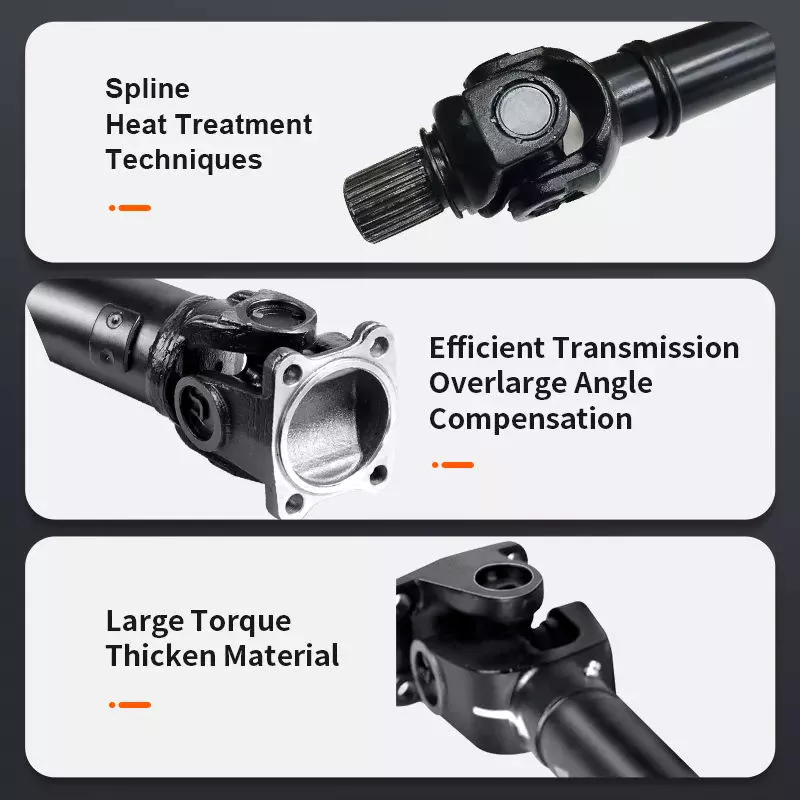
How do drive shafts contribute to the efficiency of vehicle propulsion and power transmission?
Drive shafts play a crucial role in the efficiency of vehicle propulsion and power transmission systems. They are responsible for transferring power from the engine or power source to the wheels or driven components. Here’s a detailed explanation of how drive shafts contribute to the efficiency of vehicle propulsion and power transmission:
1. Power Transfer:
Drive shafts transmit power from the engine or power source to the wheels or driven components. By efficiently transferring rotational energy, drive shafts enable the vehicle to move forward or drive the machinery. The design and construction of drive shafts ensure minimal power loss during the transfer process, maximizing the efficiency of power transmission.
2. Torque Conversion:
Drive shafts can convert torque from the engine or power source to the wheels or driven components. Torque conversion is necessary to match the power characteristics of the engine with the requirements of the vehicle or machinery. Drive shafts with appropriate torque conversion capabilities ensure that the power delivered to the wheels is optimized for efficient propulsion and performance.
3. Constant Velocity (CV) Joints:
Many drive shafts incorporate Constant Velocity (CV) joints, which help maintain a constant speed and efficient power transmission, even when the driving and driven components are at different angles. CV joints allow for smooth power transfer and minimize vibration or power losses that may occur due to changing operating angles. By maintaining constant velocity, drive shafts contribute to efficient power transmission and improved overall vehicle performance.
4. Lightweight Construction:
Efficient drive shafts are often designed with lightweight materials, such as aluminum or composite materials. Lightweight construction reduces the rotational mass of the drive shaft, which results in lower inertia and improved efficiency. Reduced rotational mass enables the engine to accelerate and decelerate more quickly, allowing for better fuel efficiency and overall vehicle performance.
5. Minimized Friction:
Efficient drive shafts are engineered to minimize frictional losses during power transmission. They incorporate features such as high-quality bearings, low-friction seals, and proper lubrication to reduce energy losses caused by friction. By minimizing friction, drive shafts enhance power transmission efficiency and maximize the available power for propulsion or operating other machinery.
6. Balanced and Vibration-Free Operation:
Drive shafts undergo dynamic balancing during the manufacturing process to ensure smooth and vibration-free operation. Imbalances in the drive shaft can lead to power losses, increased wear, and vibrations that reduce overall efficiency. By balancing the drive shaft, it can spin evenly, minimizing vibrations and optimizing power transmission efficiency.
7. Maintenance and Regular Inspection:
Proper maintenance and regular inspection of drive shafts are essential for maintaining their efficiency. Regular lubrication, inspection of joints and components, and prompt repair or replacement of worn or damaged parts help ensure optimal power transmission efficiency. Well-maintained drive shafts operate with minimal friction, reduced power losses, and improved overall efficiency.
8. Integration with Efficient Transmission Systems:
Drive shafts work in conjunction with efficient transmission systems, such as manual, automatic, or continuously variable transmissions. These transmissions help optimize power delivery and gear ratios based on driving conditions and vehicle speed. By integrating with efficient transmission systems, drive shafts contribute to the overall efficiency of the vehicle propulsion and power transmission system.
9. Aerodynamic Considerations:
In some cases, drive shafts are designed with aerodynamic considerations in mind. Streamlined drive shafts, often used in high-performance or electric vehicles, minimize drag and air resistance to improve overall vehicle efficiency. By reducing aerodynamic drag, drive shafts contribute to the efficient propulsion and power transmission of the vehicle.
10. Optimized Length and Design:
Drive shafts are designed to have optimal lengths and designs to minimize energy losses. Excessive drive shaft length or improper design can introduce additional rotational mass, increase bending stresses, and result in energy losses. By optimizing the length and design, drive shafts maximize power transmission efficiency and contribute to improved overall vehicle efficiency.
Overall, drive shafts contribute to the efficiency of vehicle propulsion and power transmission through effective power transfer, torque conversion, utilization of CV joints, lightweight construction, minimized friction, balanced operation, regular maintenance, integration with efficient transmission systems, aerodynamic considerations, and optimized length and design. By ensuring efficient power delivery and minimizing energy losses, drive shafts play a significant role in enhancing the overall efficiency and performance of vehicles and machinery.

What is a drive shaft and how does it function in vehicles and machinery?
A drive shaft, also known as a propeller shaft or prop shaft, is a mechanical component that plays a critical role in transmitting rotational power from the engine to the wheels or other driven components in vehicles and machinery. It is commonly used in various types of vehicles, including cars, trucks, motorcycles, and agricultural or industrial machinery. Here’s a detailed explanation of what a drive shaft is and how it functions:
1. Definition and Construction: A drive shaft is a cylindrical metal tube that connects the engine or power source to the wheels or driven components. It is typically made of steel or aluminum and consists of one or more tubular sections with universal joints (U-joints) at each end. These U-joints allow for angular movement and compensation of misalignment between the engine/transmission and the driven wheels or components.
2. Power Transmission: The primary function of a drive shaft is to transmit rotational power from the engine or power source to the wheels or driven components. In vehicles, the drive shaft connects the transmission or gearbox output shaft to the differential, which then transfers power to the wheels. In machinery, the drive shaft transfers power from the engine or motor to various driven components such as pumps, generators, or other mechanical systems.
3. Torque and Speed: The drive shaft is responsible for transmitting both torque and rotational speed. Torque is the rotational force generated by the engine or power source, while rotational speed is the number of revolutions per minute (RPM). The drive shaft must be capable of transmitting the required torque without excessive twisting or bending and maintaining the desired rotational speed for efficient operation of the driven components.
4. フレキシブルカップリング: The U-joints on the drive shaft provide a flexible coupling that allows for angular movement and compensation of misalignment between the engine/transmission and the driven wheels or components. As the suspension system of a vehicle moves or the machinery operates on uneven terrain, the drive shaft can adjust its length and angle to accommodate these movements, ensuring smooth power transmission and preventing damage to the drivetrain components.
5. Length and Balance: The length of the drive shaft is determined by the distance between the engine or power source and the driven wheels or components. It should be appropriately sized to ensure proper power transmission and avoid excessive vibrations or bending. Additionally, the drive shaft is carefully balanced to minimize vibrations and rotational imbalances, which can cause discomfort, reduce efficiency, and lead to premature wear of drivetrain components.
6. Safety Considerations: Drive shafts in vehicles and machinery require proper safety measures. In vehicles, drive shafts are often enclosed within a protective tube or housing to prevent contact with moving parts and reduce the risk of injury in the event of a malfunction or failure. Additionally, safety shields or guards are commonly installed around exposed drive shafts in machinery to protect operators from potential hazards associated with rotating components.
7. Maintenance and Inspection: Regular maintenance and inspection of drive shafts are essential to ensure their proper functioning and longevity. This includes checking for signs of wear, damage, or excessive play in the U-joints, inspecting the drive shaft for any cracks or deformations, and lubricating the U-joints as recommended by the manufacturer. Proper maintenance helps prevent failures, ensures optimal performance, and prolongs the service life of the drive shaft.
In summary, a drive shaft is a mechanical component that transmits rotational power from the engine or power source to the wheels or driven components in vehicles and machinery. It functions by providing a rigid connection between the engine/transmission and the driven wheels or components, while also allowing for angular movement and compensation of misalignment through the use of U-joints. The drive shaft plays a crucial role in power transmission, torque and speed delivery, flexible coupling, length and balance considerations, safety, and maintenance requirements. Its proper functioning is essential for the smooth and efficient operation of vehicles and machinery.


editor by CX 2024-02-03