توضیحات محصول
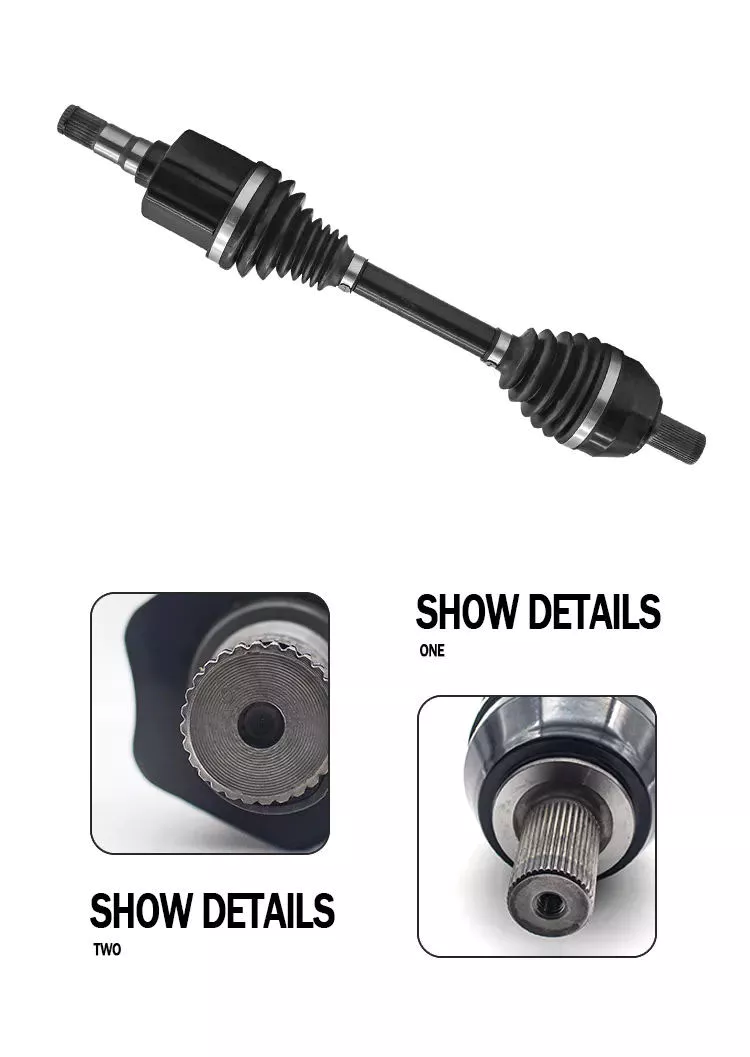
Our company produce more difference Russian car drive shafts and compoents, including to GAZ, MTZ, KAMAZ, UAZ, LADA, please contact us if you need anything.
/* 22 ژانویه 2571 19:08:37 */!function(){function s(e,r){var a,o={};try{e&&e.split(“,”).forEach(function(e,t){e&&(a=e.match(/(.*&4?):(./*)
| وضعیت: | جدید |
|---|---|
| صدور گواهینامه: | ایزو |
| نوع: | Universal Joint |
| مواد: | Alloy |
| Automatic: | Automatic |
| بسته حمل و نقل: | Export Packing |
| نمونهها: |
US$ 1/Piece
۱ قطعه (حداقل سفارش) | |
|---|
| سفارشی سازی: |
موجود است
| درخواست سفارشی |
|---|
Are there any limitations or disadvantages associated with drive shafts?
While drive shafts are widely used and offer several advantages, they also have certain limitations and disadvantages that should be considered. Here’s a detailed explanation of the limitations and disadvantages associated with drive shafts:
1. Length and Misalignment Constraints:
Drive shafts have a maximum practical length due to factors such as material strength, weight considerations, and the need to maintain rigidity and minimize vibrations. Longer drive shafts can be prone to increased bending and torsional deflection, leading to reduced efficiency and potential driveline vibrations. Additionally, drive shafts require proper alignment between the driving and driven components. Misalignment can cause increased wear, vibrations, and premature failure of the drive shaft or its associated components.
2. Limited Operating Angles:
Drive shafts, especially those using U-joints, have limitations on operating angles. U-joints are typically designed to operate within specific angular ranges, and operating beyond these limits can result in reduced efficiency, increased vibrations, and accelerated wear. In applications requiring large operating angles, constant velocity (CV) joints are often used to maintain a constant speed and accommodate greater angles. However, CV joints may introduce higher complexity and cost compared to U-joints.
3. Maintenance Requirements:
Drive shafts require regular maintenance to ensure optimal performance and reliability. This includes periodic inspection, lubrication of joints, and balancing if necessary. Failure to perform routine maintenance can lead to increased wear, vibrations, and potential driveline issues. Maintenance requirements should be considered in terms of time and resources when using drive shafts in various applications.
4. Noise and Vibration:
Drive shafts can generate noise and vibrations, especially at high speeds or when operating at certain resonant frequencies. Imbalances, misalignment, worn joints, or other factors can contribute to increased noise and vibrations. These vibrations may affect the comfort of vehicle occupants, contribute to component fatigue, and require additional measures such as dampers or vibration isolation systems to mitigate their effects.
5. Weight and Space Constraints:
Drive shafts add weight to the overall system, which can be a consideration in weight-sensitive applications, such as automotive or aerospace industries. Additionally, drive shafts require physical space for installation. In compact or tightly packaged equipment or vehicles, accommodating the necessary drive shaft length and clearances can be challenging, requiring careful design and integration considerations.
6. Cost Considerations:
Drive shafts, depending on their design, materials, and manufacturing processes, can involve significant costs. Customized or specialized drive shafts tailored to specific equipment requirements may incur higher expenses. Additionally, incorporating advanced joint configurations, such as CV joints, can add complexity and cost to the drive shaft system.
7. Inherent Power Loss:
Drive shafts transmit power from the driving source to the driven components, but they also introduce some inherent power loss due to friction, bending, and other factors. This power loss can reduce overall system efficiency, particularly in long drive shafts or applications with high torque requirements. It is important to consider power loss when determining the appropriate drive shaft design and specifications.
8. Limited Torque Capacity:
While drive shafts can handle a wide range of torque loads, there are limits to their torque capacity. Exceeding the maximum torque capacity of a drive shaft can lead to premature failure, resulting in downtime and potential damage to other driveline components. It is crucial to select a drive shaft with sufficient torque capacity for the intended application.
Despite these limitations and disadvantages, drive shafts remain a widely used and effective means of power transmission in various industries. Manufacturers continuously work to address these limitations through advancements in materials, design techniques, joint configurations, and balancing processes. By carefully considering the specific application requirements and potential drawbacks, engineers and designers can mitigate the limitations and maximize the benefits of drive shafts in their respective systems.

آیا میتوانید نمونههایی از وسایل نقلیه و ماشینآلات واقعی که از شفت محرک استفاده میکنند، ارائه دهید؟
شفتهای محرک به طور گسترده در وسایل نقلیه و ماشینآلات مختلف برای انتقال نیرو از موتور یا منبع تغذیه به چرخها یا اجزای محرک استفاده میشوند. در اینجا چند نمونه واقعی از وسایل نقلیه و ماشینآلاتی که از شفتهای محرک استفاده میکنند، آورده شده است:
۱. خودروها:
میل گاردانها معمولاً در خودروها، به ویژه خودروهایی که دارای سیستم محرک چرخهای عقب یا چهار چرخ محرک هستند، یافت میشوند. در این خودروها، میل گاردان نیرو را از جعبه دنده یا جعبه انتقال به ترتیب به دیفرانسیل عقب یا دیفرانسیل جلو منتقل میکند. این امر باعث میشود قدرت موتور بین چرخها توزیع شود و خودرو به جلو حرکت کند.
۲. کامیونها و وسایل نقلیه تجاری:
میل گاردانها اجزای ضروری در کامیونها و وسایل نقلیه تجاری هستند. آنها برای انتقال قدرت از جعبه دنده یا جعبه انتقال به محور عقب یا چندین محور در مورد کامیونهای سنگین استفاده میشوند. میل گاردانها در وسایل نقلیه تجاری برای تحمل بارهای گشتاور بالاتر طراحی شدهاند و اغلب بزرگتر و مستحکمتر از میل گاردانهای مورد استفاده در خودروهای سواری هستند.
۳. تجهیزات ساختمانی و خاکبرداری:
انواع مختلف تجهیزات ساختمانی و خاکی، مانند بیل مکانیکی، لودر، بولدوزر و گریدر، برای انتقال نیرو به شفتهای محرک متکی هستند. این ماشینها معمولاً دارای سیستمهای پیچیده انتقال نیرو هستند که از شفتهای محرک برای انتقال نیرو از موتور به چرخها یا ریلها استفاده میکنند و آنها را قادر به انجام وظایف سنگین در سایتهای ساختمانی یا در عملیات معدنکاری میکنند.
۴. ماشینآلات کشاورزی:
ماشینآلات کشاورزی، شامل تراکتورها، کمباینها و ماشینهای برداشت، از شفتهای محرک برای انتقال نیرو از موتور به چرخها یا اجزای محرک استفاده میکنند. شفتهای محرک در ماشینآلات کشاورزی اغلب در معرض شرایط سخت قرار دارند و ممکن است دارای ویژگیهای اضافی مانند بخشهای تلسکوپی برای تطبیق با فواصل متغیر بین اجزا باشند.
۵. ماشینآلات صنعتی:
ماشینآلات صنعتی، مانند تجهیزات تولیدی، ژنراتورها، پمپها و کمپرسورها، اغلب در سیستمهای انتقال قدرت خود از شفتهای محرک استفاده میکنند. این شفتهای محرک، نیرو را از موتورهای الکتریکی، موتورها یا سایر منابع نیرو به اجزای محرک مختلف منتقل میکنند و ماشینآلات را قادر میسازند تا وظایف خاصی را در محیطهای صنعتی انجام دهند.
۶. شناورهای دریایی:
در کاربردهای دریایی، شفتهای محرک معمولاً برای انتقال نیرو از موتور به پروانه در قایقها، کشتیها و سایر وسایل نقلیه آبی استفاده میشوند. شفتهای محرک دریایی معمولاً بلندتر هستند و برای مقاومت در برابر چالشهای منحصر به فرد ناشی از محیطهای آبی، از جمله مقاومت در برابر خوردگی و مکانیسمهای آببندی مناسب، طراحی شدهاند.
۷. وسایل نقلیه تفریحی (RV) و خانههای سیار:
خودروهای تفریحی و خانههای سیار اغلب از شفتهای محرک به عنوان بخشی از سیستمهای انتقال قدرت خود استفاده میکنند. این شفتهای محرک، نیرو را از گیربکس به محور عقب منتقل میکنند و به وسیله نقلیه اجازه حرکت و تأمین نیروی محرکه را میدهند. شفتهای محرک در خودروهای تفریحی ممکن است دارای ویژگیهای اضافی مانند کمکفنرها یا اجزای کاهشدهنده ارتعاش برای افزایش راحتی در طول سفر باشند.
۸. خودروهای آفرود و مسابقهای:
خودروهای آفرود، مانند SUVها، کامیونها و خودروهای همهجارو (ATVها)، و همچنین خودروهای مسابقهای، اغلب از میل گاردان استفاده میکنند. این میل گاردانها برای مقاومت در برابر شرایط سخت آفرود یا مسابقات با عملکرد بالا طراحی شدهاند، قدرت را به طور مؤثر به چرخها منتقل میکنند و کشش و عملکرد بهینه را تضمین میکنند.
۹. ناوگان ریلی:
در سیستمهای راهآهن، شفتهای محرک در لوکوموتیوها و برخی از انواع واگنهای ریلی به کار میروند. آنها نیرو را از موتور لوکوموتیو به چرخها یا سیستم نیروی محرکه منتقل میکنند و قطار را قادر میسازند تا در امتداد ریل حرکت کند. شفتهای محرک راهآهن معمولاً بسیار بلندتر هستند و ممکن است ویژگیهای اضافی برای تطبیق با ماهیت مفصلی یا انعطافپذیر برخی از پیکربندیهای قطار داشته باشند.
۱۰. توربینهای بادی:
توربینهای بادی در مقیاس بزرگ که برای تولید برق استفاده میشوند، در سیستمهای انتقال قدرت خود از شفتهای محرک استفاده میکنند. شفتهای محرک، انرژی چرخشی را از پرههای توربین به ژنراتور منتقل میکنند، جایی که به انرژی الکتریکی تبدیل میشود. شفتهای محرک در توربینهای بادی برای تحمل گشتاور و نیروهای چرخشی قابل توجه تولید شده توسط باد طراحی شدهاند.
این مثالها طیف گستردهای از وسایل نقلیه و ماشینآلات را نشان میدهند که برای انتقال قدرت و نیروی محرکه کارآمد به شفتهای محرک متکی هستند. شفتهای محرک اجزای ضروری در صنایع مختلف هستند و امکان انتقال قدرت از منبع به اجزای محرک را فراهم میکنند و در نهایت حرکت، عملکرد یا انجام وظایف خاص را تسهیل میکنند.

How do drive shafts handle variations in length and torque requirements?
Drive shafts are designed to handle variations in length and torque requirements in order to efficiently transmit rotational power. Here’s an explanation of how drive shafts address these variations:
Length Variations:
Drive shafts are available in different lengths to accommodate varying distances between the engine or power source and the driven components. They can be custom-made or purchased in standardized lengths, depending on the specific application. In situations where the distance between the engine and the driven components is longer, multiple drive shafts with appropriate couplings or universal joints can be used to bridge the gap. These additional drive shafts effectively extend the overall length of the power transmission system.
Additionally, some drive shafts are designed with telescopic sections. These sections can be extended or retracted, allowing for adjustments in length to accommodate different vehicle configurations or dynamic movements. Telescopic drive shafts are commonly used in applications where the distance between the engine and the driven components may change, such as in certain types of trucks, buses, and off-road vehicles.
Torque Requirements:
Drive shafts are engineered to handle varying torque requirements based on the power output of the engine or power source and the demands of the driven components. The torque transmitted through the drive shaft depends on factors such as the engine power, load conditions, and the resistance encountered by the driven components.
Manufacturers consider torque requirements when selecting the appropriate materials and dimensions for drive shafts. Drive shafts are typically made from high-strength materials, such as steel or aluminum alloys, to withstand the torque loads without deformation or failure. The diameter, wall thickness, and design of the drive shaft are carefully calculated to ensure it can handle the expected torque without excessive deflection or vibration.
In applications with high torque demands, such as heavy-duty trucks, industrial machinery, or performance vehicles, drive shafts may have additional reinforcements. These reinforcements can include thicker walls, cross-sectional shapes optimized for strength, or composite materials with superior torque-handling capabilities.
Furthermore, drive shafts often incorporate flexible joints, such as universal joints or constant velocity (CV) joints. These joints allow for angular misalignment and compensate for variations in the operating angles between the engine, transmission, and driven components. They also help absorb vibrations and shocks, reducing stress on the drive shaft and enhancing its torque-handling capacity.
In summary, drive shafts handle variations in length and torque requirements through customizable lengths, telescopic sections, appropriate materials and dimensions, and the inclusion of flexible joints. By carefully considering these factors, drive shafts can efficiently and reliably transmit power while accommodating the specific needs of different applications.


editor by CX 2024-04-17