产品描述
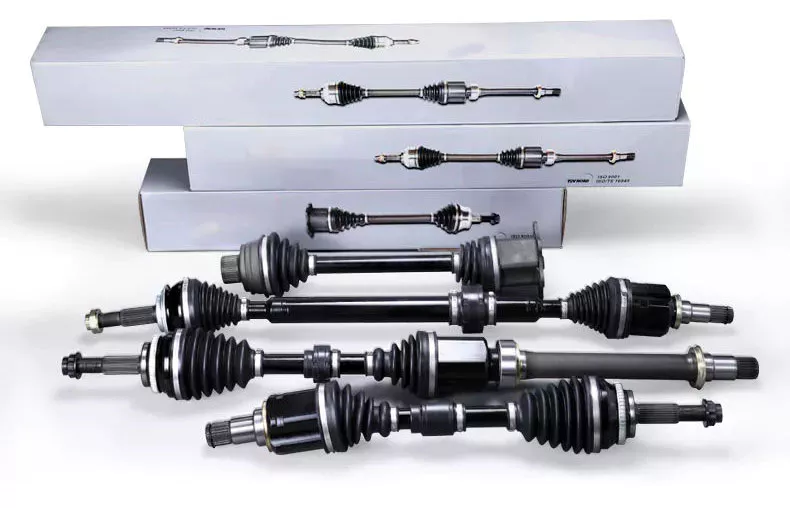
Agricultural replacement parts PTO shaft fit for CHINAMFG Douglas Tecma Sovema Maschio CHINAMFG Sicma all Models
Replacement PTO shaft for Finish Mowers, Tillers, Spreaders, Hay Tedders and many more applications.
PTO is a series 4, rated for 40HP it has 1-3/8″ 6 spline push pin on both ends for easy installment. Complete with safety shield, The PTO measures 43″ from end to end and has an 58″ maximum extended length.
These PTO shafts fit the following Finish Mowers:
Bush Hog: ATH 600 and ATH 720, ATH 900, FTH 480, FTH 600, FTH 720, MTH 600, MTH 720 Series Mowers;
Landpride: FDR1548, FDR1560, FDR1572, FDR1648, FDR1660, FDR1672, FDR2548, FDR2560, FDR2572, AT2660, AT2672 Series Mowers;
Kubota: BL348A, B342A; Caroni TC480, TC590, TC710, TC910 with spline Input Shaft;
Befco most late models with splined input shafts, early models had some with smooth input shaft;
CHINAMFG all Models;
Douglas all Models;
Tecma all Models;
Sovema all Models;
Maschio all Models;
CHINAMFG all Models;
Sicma all Models;
First Choice all Models
Related products
|
Materlal and Surface Treatment |
|
|
Cross shaft |
Heat treatment of 20Cr2Ni4A forging |
|
Bearing cup |
20CrMOTi forging heat treatment |
|
Flange fork |
ZG35CrMo, steel casting |
|
Spline shaft |
42GrMo forging heat treatment |
|
Spline bushing |
35CrM0 forging heat treatment |
|
Sleeve body |
42CrMo forging |
|
Surface treatment: |
spraying |
|
Flat key, positioning ring |
42GrMo forging |
The above are standard models and materials.
If you have special supporting requirements, you can customize production according to customer needs.
Please click here to consult us!
Application scenarios
Company Information:
/* 2571 年 1 月 22 日 19:08:37 */!function(){function s(e,r){var a,o={};try{e&&e.split(“,”).forEach(function(e,t){e&&(a=e.match(/(.*?):(.*)$/))&&1
| 类型: | 动力输出轴 |
|---|---|
| 用法: | Agricultural Products Processing, Farmland Infrastructure, Tillage, Harvester, Planting and Fertilization, Grain Threshing, Cleaning and Drying, Flail Mower Truck |
| 材料: | All |
| 电源: | Electricity |
| 重量: | OEM |
| 售后服务: | Installation Guide |
How do PTO shafts ensure efficient power transfer while maintaining safety?
PTO (Power Take-Off) shafts play a crucial role in ensuring efficient power transfer from a power source to driven machinery or equipment, while also maintaining safety. These shafts are designed with various features and mechanisms to optimize power transmission efficiency and mitigate potential hazards. Here’s a detailed explanation of how PTO shafts achieve efficient power transfer while prioritizing safety:
1. Mechanical Power Transmission: PTO shafts serve as mechanical linkages between the power source, typically a tractor or engine, and the driven machinery. They transmit rotational power from the power source to the equipment, enabling efficient transfer of energy. The mechanical design of PTO shafts, including their diameter, length, and material composition, is optimized to minimize power losses during transmission, ensuring that a significant portion of the power generated by the source is effectively delivered to the machinery.
2. Universal Joints and Flexible Couplings: PTO shafts are equipped with universal joints and flexible couplings that allow for angular misalignment and flexibility in movement. Universal joints accommodate variations in the alignment between the power source and the driven machinery, enabling smooth power transfer even when the two components are not perfectly aligned. Flexible couplings help to compensate for slight misalignments, reduce vibration, and prevent excessive stress on the shaft and connected components, thereby enhancing efficiency and reducing the risk of mechanical failure or damage.
3. 等速万向节(CV关节): CV joints are often used in PTO shafts to maintain constant speed and torque transfer, particularly in applications where the driven machinery requires flexibility or operates at different angles. CV joints allow for smooth power transmission without significant fluctuations, even when the driven machinery is at an angle relative to the power source. By minimizing speed variations and power loss due to changing angles, CV joints contribute to efficient power transfer while ensuring consistent performance and reducing the likelihood of mechanical stress or premature wear.
4. Safety Guards and Shields: Safety is a paramount consideration in the design of PTO shafts. Protective guards and shields are installed to cover the rotating shaft and other moving parts. These guards act as physical barriers to prevent accidental contact with the rotating components, significantly reducing the risk of entanglement, injury, or damage. Safety guards are typically made of durable materials such as metal or plastic and are designed to allow the necessary movement for power transmission while providing adequate protection. Regular inspection and maintenance of these guards are crucial to ensure their effectiveness in maintaining safety.
5. Shear Bolt or Slip Clutch Mechanisms: PTO shafts often incorporate shear bolt or slip clutch mechanisms as safety features to protect the driveline components and prevent damage in case of excessive torque or sudden resistance. Shear bolts are designed to shear or break when the torque exceeds a predetermined threshold, disconnecting the PTO shaft from the power source. This helps prevent damage to the shaft, driven machinery, and power source. Slip clutches work similarly by allowing the PTO shaft to slip when excessive resistance is encountered, protecting the components from overload. These mechanisms act as safety measures to maintain the integrity of the PTO shaft and associated equipment while minimizing the risk of mechanical failures or accidents.
6. Compliance with Safety Standards: PTO shafts are designed and manufactured to comply with relevant safety standards and regulations. Manufacturers follow guidelines and requirements set by organizations such as the American Society of Agricultural and Biological Engineers (ASABE) or other regional safety authorities. Compliance with these standards ensures that PTO shafts meet specific safety criteria, including torque capacity, guard design, and other safety considerations. Users can rely on standardized PTO shafts that have undergone testing and certification, providing an additional layer of assurance regarding their safety and performance.
7. Operator Education and Training: To ensure safe and efficient operation, it is essential for operators to receive proper education and training on PTO shafts. Operators should be familiar with the specific safety features, maintenance requirements, and safe operating procedures for the PTO shafts used in their applications. This includes understanding the importance of using appropriate personal protective equipment, regularly inspecting the equipment for wear or damage, and following recommended maintenance schedules. Operator awareness and adherence to safety protocols significantly contribute to maintaining a safe working environment and maximizing the efficiency of power transfer.
In summary, PTO shafts ensure efficient power transfer while maintaining safety through their mechanical design, incorporation of universal joints and CV joints, installation of safety guards and shields, implementation of shear bolt or slip clutch mechanisms, compliance with safety standards, and operator education. By combining these features and practices, PTO shafts provide reliable and secure power transmission, minimizing power losses and potential risks associated with their operation.

Can PTO shafts be customized for specific machinery and power requirements?
Yes, PTO (Power Take-Off) shafts can be customized to meet the specific machinery and power requirements of different applications. Manufacturers offer customization options to ensure that PTO shafts are precisely tailored to the power source, driven machinery, and the intended application. Here’s a detailed explanation of how PTO shafts can be customized:
1. Shaft Length: PTO shafts can be customized in terms of length to accommodate different equipment configurations. The length of the PTO shaft is critical to ensure proper alignment and connection between the power source and driven machinery. Manufacturers can provide PTO shafts with adjustable or fixed-length options, allowing for flexibility in meeting specific length requirements. Customizing the shaft length ensures that the PTO shaft fits the equipment properly, optimizing power transfer efficiency and reducing the risk of misalignment or excessive stress.
2. Spline Sizes: PTO shafts are available with different spline sizes to match the input and output shafts of various equipment. Spline size customization allows the PTO shaft to seamlessly connect to the power source and driven machinery. Manufacturers can offer different spline configurations, such as 1-3/8 inch, 1-3/4 inch, or metric sizes, to accommodate specific machinery requirements. Customizing the spline size ensures a proper fit and secure connection, enabling efficient power transfer without the need for additional adapters or modifications.
3. Yoke Designs: PTO shafts can be customized with different yoke designs to match the connection points on the power source and driven machinery. The yoke is the component that attaches to the shaft and connects to the equipment. Manufacturers can provide various yoke designs, such as round, triangular, or splined yokes, to ensure compatibility with specific machinery. Customizing the yoke design allows for a secure and reliable connection, aligning the PTO shaft with the equipment’s input/output shafts and optimizing power transmission efficiency.
4. Torque Ratings: PTO shafts can be customized to handle specific torque requirements based on the power demands of the application. Torque is the rotational force that the PTO shaft needs to transmit from the power source to the driven machinery. Manufacturers can design PTO shafts with different torque ratings by using appropriate materials, dimensions, and reinforcement techniques. Customizing the torque rating ensures that the PTO shaft can safely and reliably handle the required power levels without premature wear or failure.
5. 耦合机制: PTO shafts can be customized with different coupling mechanisms to match the connection requirements of specific equipment. Coupling mechanisms are the means by which the PTO shaft connects and disconnects from the power source and driven machinery. Manufacturers can provide various coupling options, such as quick-release couplings, shear pin couplings, or mechanical lock couplings, to accommodate different machinery designs and operational needs. Customizing the coupling mechanism ensures ease of use, secure attachment, and quick disengagement when necessary.
6. Protective Features: PTO shafts can be customized with additional protective features to enhance safety and durability. These features may include guard shields, safety covers, or slip clutches. Guard shields and safety covers provide physical protection by enclosing the rotating shaft and preventing accidental contact, reducing the risk of injuries. Slip clutches offer overload protection by allowing the PTO shaft to slip or disengage when excessive torque or resistance is encountered, preventing damage to the shaft and associated equipment. Customizing the protective features ensures compliance with safety regulations and addresses specific safety requirements of the machinery or application.
7. Material Selection: PTO shafts can be customized with different materials based on the application’s demands. Manufacturers can offer a range of material options, such as steel, aluminum, or composite materials, with varying strength, weight, and corrosion resistance properties. Customizing the material selection allows for optimizing the PTO shaft’s performance, considering factors like operating conditions, environmental exposure, and weight restrictions.
By providing customization options such as shaft length, spline sizes, yoke designs, torque ratings, coupling mechanisms, protective features, and material selection, manufacturers can ensure that PTO shafts are specifically tailored to meet the machinery and power requirements of different applications. Customized PTO shafts facilitate seamless integration, efficient power transfer, and reliable operation, enhancing the overall performance and productivity of the equipment.

您能解释一下不同类型的动力输出轴及其应用吗?
动力输出轴(PTO轴)种类繁多,每种类型都针对特定的应用和要求而设计。不同类型的动力输出轴具有广泛的通用性和兼容性,可与各种机械和农具配合使用。以下是对最常见的几种动力输出轴及其应用的说明:
1. 标准动力输出轴: 标准动力输出轴(PTO轴),也称为花键轴,是农业和工业机械中最常用的类型。它由一根实心钢轴组成,轴上沿长度方向设有花键或凹槽。标准动力输出轴通常有六个花键,但也有四个或八个花键的变体。这种动力输出轴广泛应用于拖拉机和各种农机具,包括割草机、打捆机、耕耘机和旋转切割机。花键在动力源和被驱动机械之间提供牢固的连接,确保高效的动力传输。
2.剪切螺栓动力输出轴: 剪切螺栓式动力输出轴(PTO轴)设计有一项安全功能,可在过载或突发冲击时使轴分离,从而保护传动系统部件。这些动力输出轴采用剪切螺栓机构,将拖拉机的动力输出装置与被驱动机械连接起来。当负载过大或遇到突发阻力时,剪切螺栓会断裂,断开动力输出轴,防止传动系统损坏。剪切螺栓式动力输出轴常用于可能遇到突发障碍或高应力情况的设备,例如碎木机、树桩粉碎机和重型旋转切割机。
3.摩擦离合器动力输出轴: 摩擦式离合器动力输出轴(PTO轴)采用离合器机构,可实现动力传输的平稳接合和分离。这些PTO轴通常包含摩擦片和压盘,类似于传统车辆的离合器系统。摩擦式离合器允许操作人员逐步接合或分离动力传输,从而减少冲击载荷并最大限度地降低传动系统部件的磨损。摩擦式离合器PTO轴常用于需要精确控制动力接合的应用中,例如液压泵、发电机和工业搅拌机。
4. 等速(CV)动力输出轴: 等速(CV)动力输出轴,也称为等速轴,其设计能够适应较大的不对中角度而不影响动力传输。它们采用万向节机构,即使被驱动机械相对于动力源存在一定角度,也能实现平稳的动力传输。等速动力输出轴常用于机械需要较大运动范围或铰接角度的应用场合,例如铰接式装载机、伸缩臂叉装机和自走式喷雾器。
5.伸缩式动力输出轴: 伸缩式动力输出轴的长度可调,从而能够灵活适应不同的设备配置以及动力源与被驱动机械之间的距离。它由两根或多根同心轴组成,这些轴彼此滑动,可以根据需要伸缩动力输出轴。伸缩式动力输出轴常用于拖拉机动力输出装置与农具之间距离变化的应用场景,例如前置农具、吹雪机和自装式货车。伸缩式设计使其能够轻松适应不同的设备配置,并最大限度地降低动力输出轴拖地的风险。
6. 变速箱动力输出轴: 齿轮箱式动力输出轴旨在适应不同转速或旋转方向之间的动力传输。它们内置齿轮箱机构,可实现转速的降低或升高,以及旋转方向的改变。齿轮箱式动力输出轴常用于被驱动机械需要与拖拉机动力输出轴不同的转速或旋转方向的应用场合。例如,谷物螺旋输送机、饲料搅拌机以及需要特定速比或换向功能的工业设备。
需要注意的是,动力输出轴的类型及其具体应用可能因地区和行业因素而异。此外,某些机械或设备可能需要专用或定制的动力输出轴才能满足特定要求。
总而言之,不同类型的动力输出轴(PTO轴),例如标准型、剪切螺栓型、摩擦离合器型、等速(CV)型、伸缩型和齿轮箱型,具有广泛的适用性和与各种机械和农具的兼容性。每种类型的动力输出轴都旨在满足特定的需求,例如动力传输效率、安全性、平稳啮合、不对中容差、适应性以及速度/方向调节。了解不同类型的动力输出轴及其应用对于为目标机械选择合适的轴,并确保最佳性能和可靠性至关重要。

editor by CX 2024-04-11