Ürün Açıklaması
Agricultural replacement parts PTO shaft fit for CHINAMFG Douglas Tecma Sovema Maschio CHINAMFG Sicma all Models
Replacement PTO shaft for Finish Mowers, Tillers, Spreaders, Hay Tedders and many more applications.
PTO is a series 4, rated for 40HP it has 1-3/8″ 6 spline push pin on both ends for easy installment. Complete with safety shield, The PTO measures 43″ from end to end and has an 58″ maximum extended length.
These PTO shafts fit the following Finish Mowers:
Bush Hog: ATH 600 and ATH 720, ATH 900, FTH 480, FTH 600, FTH 720, MTH 600, MTH 720 Series Mowers;
Landpride: FDR1548, FDR1560, FDR1572, FDR1648, FDR1660, FDR1672, FDR2548, FDR2560, FDR2572, AT2660, AT2672 Series Mowers;
Kubota: BL348A, B342A; Caroni TC480, TC590, TC710, TC910 with spline Input Shaft;
Befco most late models with splined input shafts, early models had some with smooth input shaft;
CHINAMFG all Models;
Douglas all Models;
Tecma all Models;
Sovema all Models;
Maschio all Models;
CHINAMFG all Models;
Sicma all Models;
First Choice all Models
İlgili ürünler
|
Materlal and Surface Treatment |
|
|
Cross shaft |
Heat treatment of 20Cr2Ni4A forging |
|
Bearing cup |
20CrMOTi forging heat treatment |
|
Flange fork |
ZG35CrMo, steel casting |
|
Spline shaft |
42GrMo forging heat treatment |
|
Spline bushing |
35CrM0 forging heat treatment |
|
Sleeve body |
42CrMo forging |
|
Surface treatment: |
spraying |
|
Flat key, positioning ring |
42GrMo forging |
The above are standard models and materials.
If you have special supporting requirements, you can customize production according to customer needs.
Please click here to consult us!
Application scenarios
Company Information:
/* 22 Ocak 2571 19:08:37 */!function(){function s(e,r){var a,o={};try{e&&e.split(“,”).forEach(function(e,t){e&&(a=e.match(/(.*?):(.*)$/))&&1
| Tip: | PTO Mili |
|---|---|
| Kullanım: | Agricultural Products Processing, Farmland Infrastructure, Tillage, Harvester, Planting and Fertilization, Grain Threshing, Cleaning and Drying, Flail Mower Truck |
| Malzeme: | All |
| Güç Kaynağı: | Electricity |
| Weight: | OEM |
| Satış Sonrası Hizmet: | Installation Guide |
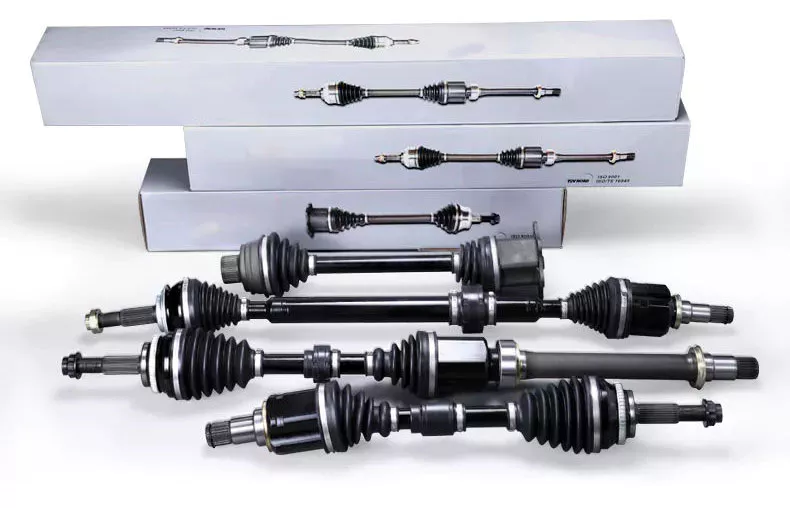
How do PTO shafts ensure efficient power transfer while maintaining safety?
PTO (Power Take-Off) shafts play a crucial role in ensuring efficient power transfer from a power source to driven machinery or equipment, while also maintaining safety. These shafts are designed with various features and mechanisms to optimize power transmission efficiency and mitigate potential hazards. Here’s a detailed explanation of how PTO shafts achieve efficient power transfer while prioritizing safety:
1. Mechanical Power Transmission: PTO shafts serve as mechanical linkages between the power source, typically a tractor or engine, and the driven machinery. They transmit rotational power from the power source to the equipment, enabling efficient transfer of energy. The mechanical design of PTO shafts, including their diameter, length, and material composition, is optimized to minimize power losses during transmission, ensuring that a significant portion of the power generated by the source is effectively delivered to the machinery.
2. Universal Joints and Flexible Couplings: PTO shafts are equipped with universal joints and flexible couplings that allow for angular misalignment and flexibility in movement. Universal joints accommodate variations in the alignment between the power source and the driven machinery, enabling smooth power transfer even when the two components are not perfectly aligned. Flexible couplings help to compensate for slight misalignments, reduce vibration, and prevent excessive stress on the shaft and connected components, thereby enhancing efficiency and reducing the risk of mechanical failure or damage.
3. Constant Velocity (CV) Joints: CV joints are often used in PTO shafts to maintain constant speed and torque transfer, particularly in applications where the driven machinery requires flexibility or operates at different angles. CV joints allow for smooth power transmission without significant fluctuations, even when the driven machinery is at an angle relative to the power source. By minimizing speed variations and power loss due to changing angles, CV joints contribute to efficient power transfer while ensuring consistent performance and reducing the likelihood of mechanical stress or premature wear.
4. Safety Guards and Shields: Safety is a paramount consideration in the design of PTO shafts. Protective guards and shields are installed to cover the rotating shaft and other moving parts. These guards act as physical barriers to prevent accidental contact with the rotating components, significantly reducing the risk of entanglement, injury, or damage. Safety guards are typically made of durable materials such as metal or plastic and are designed to allow the necessary movement for power transmission while providing adequate protection. Regular inspection and maintenance of these guards are crucial to ensure their effectiveness in maintaining safety.
5. Shear Bolt or Slip Clutch Mechanisms: PTO shafts often incorporate shear bolt or slip clutch mechanisms as safety features to protect the driveline components and prevent damage in case of excessive torque or sudden resistance. Shear bolts are designed to shear or break when the torque exceeds a predetermined threshold, disconnecting the PTO shaft from the power source. This helps prevent damage to the shaft, driven machinery, and power source. Slip clutches work similarly by allowing the PTO shaft to slip when excessive resistance is encountered, protecting the components from overload. These mechanisms act as safety measures to maintain the integrity of the PTO shaft and associated equipment while minimizing the risk of mechanical failures or accidents.
6. Güvenlik Standartlarına Uygunluk: PTO shafts are designed and manufactured to comply with relevant safety standards and regulations. Manufacturers follow guidelines and requirements set by organizations such as the American Society of Agricultural and Biological Engineers (ASABE) or other regional safety authorities. Compliance with these standards ensures that PTO shafts meet specific safety criteria, including torque capacity, guard design, and other safety considerations. Users can rely on standardized PTO shafts that have undergone testing and certification, providing an additional layer of assurance regarding their safety and performance.
7. Operator Education and Training: To ensure safe and efficient operation, it is essential for operators to receive proper education and training on PTO shafts. Operators should be familiar with the specific safety features, maintenance requirements, and safe operating procedures for the PTO shafts used in their applications. This includes understanding the importance of using appropriate personal protective equipment, regularly inspecting the equipment for wear or damage, and following recommended maintenance schedules. Operator awareness and adherence to safety protocols significantly contribute to maintaining a safe working environment and maximizing the efficiency of power transfer.
In summary, PTO shafts ensure efficient power transfer while maintaining safety through their mechanical design, incorporation of universal joints and CV joints, installation of safety guards and shields, implementation of shear bolt or slip clutch mechanisms, compliance with safety standards, and operator education. By combining these features and practices, PTO shafts provide reliable and secure power transmission, minimizing power losses and potential risks associated with their operation.
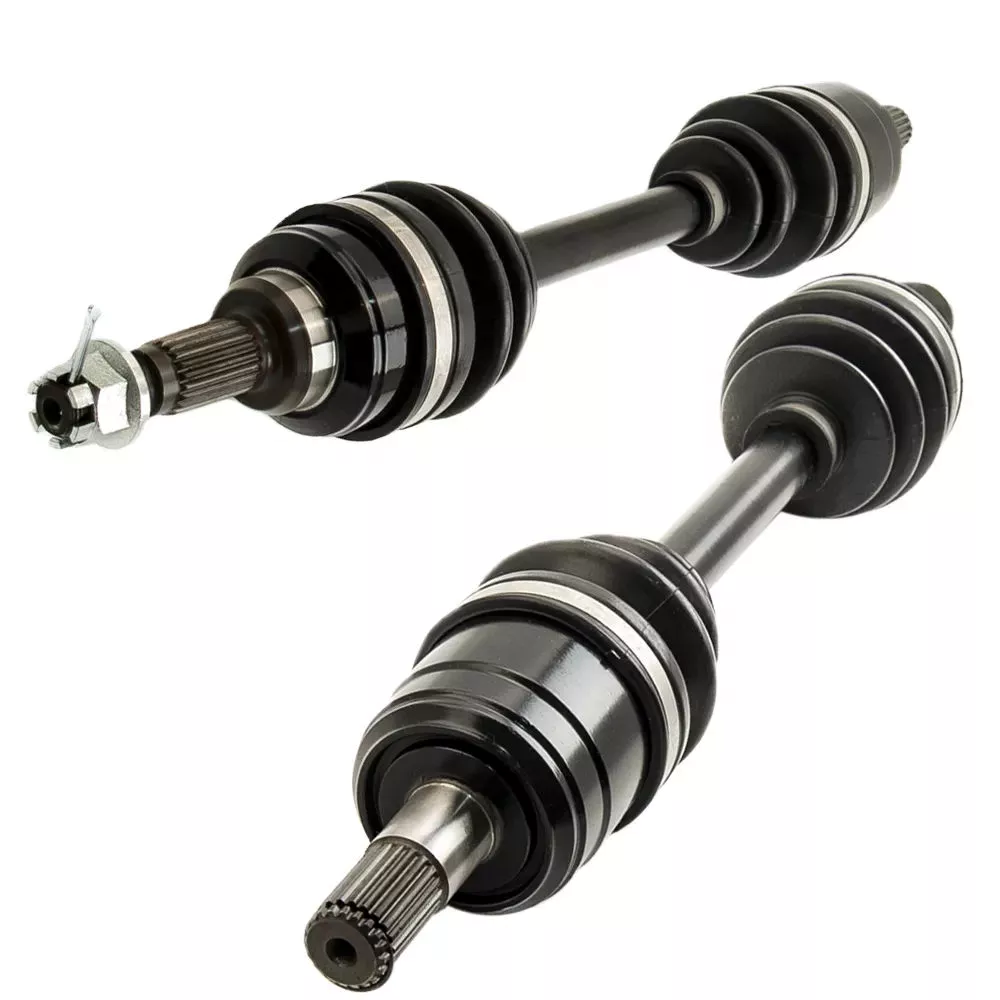
Can PTO shafts be customized for specific machinery and power requirements?
Yes, PTO (Power Take-Off) shafts can be customized to meet the specific machinery and power requirements of different applications. Manufacturers offer customization options to ensure that PTO shafts are precisely tailored to the power source, driven machinery, and the intended application. Here’s a detailed explanation of how PTO shafts can be customized:
1. Shaft Length: PTO shafts can be customized in terms of length to accommodate different equipment configurations. The length of the PTO shaft is critical to ensure proper alignment and connection between the power source and driven machinery. Manufacturers can provide PTO shafts with adjustable or fixed-length options, allowing for flexibility in meeting specific length requirements. Customizing the shaft length ensures that the PTO shaft fits the equipment properly, optimizing power transfer efficiency and reducing the risk of misalignment or excessive stress.
2. Spline Sizes: PTO shafts are available with different spline sizes to match the input and output shafts of various equipment. Spline size customization allows the PTO shaft to seamlessly connect to the power source and driven machinery. Manufacturers can offer different spline configurations, such as 1-3/8 inch, 1-3/4 inch, or metric sizes, to accommodate specific machinery requirements. Customizing the spline size ensures a proper fit and secure connection, enabling efficient power transfer without the need for additional adapters or modifications.
3. Yoke Designs: PTO shafts can be customized with different yoke designs to match the connection points on the power source and driven machinery. The yoke is the component that attaches to the shaft and connects to the equipment. Manufacturers can provide various yoke designs, such as round, triangular, or splined yokes, to ensure compatibility with specific machinery. Customizing the yoke design allows for a secure and reliable connection, aligning the PTO shaft with the equipment’s input/output shafts and optimizing power transmission efficiency.
4. Torque Ratings: PTO shafts can be customized to handle specific torque requirements based on the power demands of the application. Torque is the rotational force that the PTO shaft needs to transmit from the power source to the driven machinery. Manufacturers can design PTO shafts with different torque ratings by using appropriate materials, dimensions, and reinforcement techniques. Customizing the torque rating ensures that the PTO shaft can safely and reliably handle the required power levels without premature wear or failure.
5. Bağlantı Mekanizmaları: PTO shafts can be customized with different coupling mechanisms to match the connection requirements of specific equipment. Coupling mechanisms are the means by which the PTO shaft connects and disconnects from the power source and driven machinery. Manufacturers can provide various coupling options, such as quick-release couplings, shear pin couplings, or mechanical lock couplings, to accommodate different machinery designs and operational needs. Customizing the coupling mechanism ensures ease of use, secure attachment, and quick disengagement when necessary.
6. Protective Features: PTO shafts can be customized with additional protective features to enhance safety and durability. These features may include guard shields, safety covers, or slip clutches. Guard shields and safety covers provide physical protection by enclosing the rotating shaft and preventing accidental contact, reducing the risk of injuries. Slip clutches offer overload protection by allowing the PTO shaft to slip or disengage when excessive torque or resistance is encountered, preventing damage to the shaft and associated equipment. Customizing the protective features ensures compliance with safety regulations and addresses specific safety requirements of the machinery or application.
7. Material Selection: PTO shafts can be customized with different materials based on the application’s demands. Manufacturers can offer a range of material options, such as steel, aluminum, or composite materials, with varying strength, weight, and corrosion resistance properties. Customizing the material selection allows for optimizing the PTO shaft’s performance, considering factors like operating conditions, environmental exposure, and weight restrictions.
By providing customization options such as shaft length, spline sizes, yoke designs, torque ratings, coupling mechanisms, protective features, and material selection, manufacturers can ensure that PTO shafts are specifically tailored to meet the machinery and power requirements of different applications. Customized PTO shafts facilitate seamless integration, efficient power transfer, and reliable operation, enhancing the overall performance and productivity of the equipment.

Farklı PTO şaft tiplerini ve kullanım alanlarını açıklayabilir misiniz?
PTO şaftları (Güç Çıkış Şaftları) çeşitli tiplerde olup, her biri belirli uygulamalar ve gereksinimler için tasarlanmıştır. Farklı PTO şaft tipleri, çok çeşitli makine ve ekipmanlarla çok yönlülük ve uyumluluk sunar. İşte en yaygın PTO şaft tiplerinin ve uygulamalarının açıklaması:
1. Standart PTO Mili: Standart PTO mili, diğer adıyla kamalı mil, tarım ve sanayi makinelerinde en yaygın kullanılan tiptir. Uzunluğu boyunca kamalar veya oluklar bulunan sağlam bir çelik milden oluşur. Standart PTO milinde tipik olarak altı kama bulunur, ancak dört veya sekiz kama içeren varyasyonları da bulunabilir. Bu tip PTO mili, traktörlerde ve çim biçme makineleri, balya makineleri, toprak işleme makineleri ve döner kesiciler de dahil olmak üzere çeşitli ekipmanlarda yaygın olarak kullanılır. Kamalar, güç kaynağı ile tahrik edilen makine arasında güvenli bir bağlantı sağlayarak verimli güç aktarımını garanti eder.
2. Emniyet Cıvatası PTO Mili: Emniyet cıvatalı PTO şaftları, aşırı yüklenme veya ani darbe durumunda şaftın ayrılmasını sağlayarak tahrik sistemi bileşenlerini koruyan bir güvenlik özelliğiyle tasarlanmıştır. Bu PTO şaftları, traktörün güç çıkışını tahrik edilen makineye bağlayan bir emniyet cıvatası mekanizması içerir. Aşırı yük veya ani direnç durumunda, emniyet cıvatası kırılarak PTO şaftının bağlantısını keser ve tahrik sistemine zarar gelmesini önler. Emniyet cıvatalı PTO şaftları, ağaç parçalayıcılar, kütük öğütücüler ve ağır hizmet tipi döner kesiciler gibi ani engellerle veya yüksek gerilimli durumlarla karşılaşabilecek ekipmanlarda yaygın olarak kullanılır.
3. Sürtünmeli Kavramalı PTO Mili: Sürtünmeli kavramalı PTO milleri, güç aktarımının sorunsuz bir şekilde devreye alınmasını ve devre dışı bırakılmasını sağlayan bir kavrama mekanizmasına sahiptir. Bu PTO milleri, geleneksel bir araç kavrama sistemine benzer şekilde, genellikle bir sürtünme diski ve bir baskı plakası içerir. Sürtünmeli kavrama, operatörlerin güç aktarımını kademeli olarak devreye almasına veya devre dışı bırakmasına olanak tanıyarak, şok yüklerini azaltır ve tahrik hattı bileşenlerindeki aşınmayı en aza indirir. Sürtünmeli kavramalı PTO milleri, hidrolik pompalar, jeneratörler ve endüstriyel mikserler gibi güç aktarımının hassas kontrolünün gerekli olduğu uygulamalarda yaygın olarak kullanılır.
4. Sabit Hızlı (CV) PTO Mili: Sabit Hız (CV) PTO şaftları, homokinetik şaftlar olarak da bilinir ve güç aktarımını etkilemeden yüksek açısal sapmaları karşılayacak şekilde tasarlanmıştır. Tahrik edilen makine güç kaynağına göre açılı olduğunda bile düzgün güç aktarımına olanak tanıyan bir üniversal mafsal mekanizması kullanırlar. CV PTO şaftları, mafsallı yükleyiciler, teleskopik yükleyiciler ve kendinden tahrikli püskürtme makineleri gibi makinenin önemli bir hareket aralığı veya eklemleme gerektirdiği uygulamalarda sıklıkla kullanılır.
5. Teleskopik PTO Mili: Teleskopik PTO şaftları, uzunlukları ayarlanabilir olup, ekipman konfigürasyonunda esneklik ve güç kaynağı ile tahrik edilen makine arasındaki mesafelerin değişmesine olanak tanır. Birbirinin içinde kayan iki veya daha fazla eşmerkezli şafttan oluşurlar ve PTO şaftının gerektiği gibi uzatılması veya geri çekilmesini sağlarlar. Teleskopik PTO şaftları, traktörün güç çıkışı ile ekipman arasındaki mesafenin değiştiği uygulamalarda yaygın olarak kullanılır; örneğin önden monte edilen ekipmanlarda, kar üfleyicilerde ve kendinden yüklemeli vagonlarda. Teleskopik tasarım, farklı ekipman kurulumlarına kolay uyum sağlar ve PTO şaftının yere sürtünme riskini en aza indirir.
6. Şanzıman PTO Mili: Dişli kutulu PTO şaftları, farklı dönüş hızları veya yönleri arasında güç aktarımını uyarlamak için tasarlanmıştır. Hız azaltma veya artırmanın yanı sıra dönüş yönünü değiştirme olanağı sağlayan bir dişli kutusu mekanizması içerirler. Dişli kutulu PTO şaftları, tahrik edilen makinenin traktörün güç çıkışından farklı bir hız veya dönüş yönü gerektirdiği uygulamalarda yaygın olarak kullanılır. Örnekler arasında tahıl burguları, yem karıştırıcıları ve belirli hız oranları veya geri dönüş yetenekleri gerektiren endüstriyel ekipmanlar yer alır.
PTO şaft tiplerinin bulunabilirliği ve özel uygulamalarının bölgesel ve sektöre özgü faktörlere bağlı olarak değişebileceğini belirtmek önemlidir. Ayrıca, bazı makineler veya ekipmanlar, özel gereksinimleri karşılamak için özel veya ısmarlama PTO şaftlarına ihtiyaç duyabilir.
Özetle, standart, emniyet cıvatalı, sürtünme kavramalı, sabit hızlı (CV), teleskopik ve dişli kutulu şaftlar gibi farklı PTO şaft tipleri, çeşitli makine ve ekipmanlarla çok yönlülük ve uyumluluk sunar. Her PTO şaft tipi, güç aktarım verimliliği, güvenlik, sorunsuz kavrama, yanlış hizalama toleransı, uyarlanabilirlik ve hız/yön ayarı gibi belirli ihtiyaçları karşılamak üzere tasarlanmıştır. Farklı PTO şaft tiplerini ve uygulamalarını anlamak, amaçlanan makine için uygun şaftı seçmek ve optimum performans ve güvenilirliği sağlamak için çok önemlidir.

editor by CX 2024-04-11