
产品描述
Structure: 70#~75# high-carbon steel wire
Direction of Twist: Levorotation and dextrorotation
Applicable Scope: Vibrating machine, automobile, motorbike, counter, revolution counter, electric tools, gardening machinery mower, and various mechanical flexible rotations.
Function: Smooth, flexible, highly-elastic, and wear resistant
| Diameter (mm) |
Tolerance (mm) |
Number of Layers |
Loading Moment (N @ m) (Sample 500mm Long) |
Weight (kg/ 100m) |
|
| 2.0 |
+0.02 -0.02 |
3/5 |
0.8 |
1.8 |
|
| 2.5 |
3/5 |
1.0 |
2.8 |
||
| 3.2 |
3/5 |
1.3 |
4.6 |
||
| 3.8 |
3/5 |
1.5 |
6.5 |
||
| 5.0 |
+0.00 -0.05 |
3/4/5 |
1.8 |
11.3 |
|
| 6.0 |
3/4/5 |
2.4 |
16.2 |
||
| 6.5 |
4/5/7 |
2.9 |
18.7 |
||
| 8.0 |
|
4/5/6/7 |
7.5 |
28.8 |
|
| 10 |
4/5/6/7 |
22.5 |
45.5 |
||
| 12 |
4/5/6/7 |
39.0 |
66.5 |
||
| 13 |
4/5/6/7 |
50.5 |
77.5 |
||
| 16 |
4/5/6/7 |
115.0 |
114 |
||
| 18 |
4/5/6/7 |
160 |
145 |
||
| The flexible shafts not listed in the chart can be customized |
|||||
/* 2571 年 1 月 22 日 19:08:37 */!function(){function s(e,r){var a,o={};try{e&&e.split(“,”).forEach(function(e,t){e&&(a=e.match(/(.*?):(.*)$/))&&1
| 材料: | 碳钢 |
|---|---|
| 加载: | 传动轴 |
| 刚度和柔韧性: | Flexible Shaft |
| 轴线形状: | Soft Wire Shaft |
| 轴形状: | 实轴 |
| Appearance Shape: | Round |
| 示例: |
US$ 1/Meter
1 Meter(Min.Order) | |
|---|
| 定制化: |
可用的
| 定制请求 |
|---|
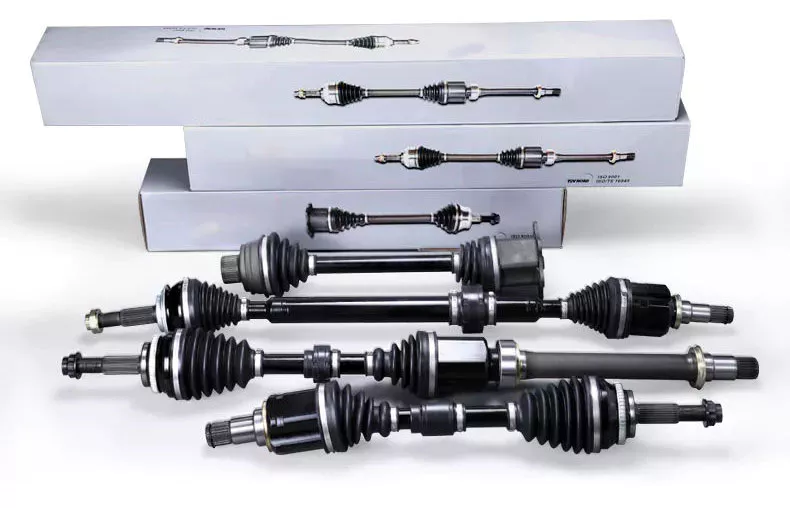
哪些维护措施对于延长传动轴的使用寿命至关重要?
为了延长传动轴的使用寿命并确保其最佳性能,一些维护措施至关重要。定期维护有助于在潜在问题恶化之前发现并解决它们,减少磨损,并确保传动轴平稳高效地运行。以下是一些延长传动轴使用寿命的基本维护措施:
1. 定期检查:
定期检查对于发现磨损、损坏或错位等迹象至关重要。目视检查传动轴,查看轴本身及其相关部件(例如接头、轭架和花键)是否存在裂纹、凹痕或过度磨损的迹象。检查是否存在润滑油泄漏或污染迹象。此外,还要检查紧固件和安装点,确保其牢固可靠。及早发现任何问题,即可进行及时维修或更换,防止传动轴进一步损坏。
2. 润滑:
适当的润滑对于传动轴的平稳运行和延长使用寿命至关重要。按照制造商的建议润滑万向节或等速万向节等连接件。润滑可以减少摩擦、降低磨损,并有助于散发运行过程中产生的热量。使用适用于特定传动轴和应用的润滑剂,并考虑温度、负载和运行条件等因素。定期检查润滑液位,并根据需要补充润滑剂,以确保最佳性能并防止过早失效。
3. 平衡与协调:
保持传动轴的平衡和对准对于延长其使用寿命至关重要。不平衡或不对中会导致振动、加速磨损,甚至最终失效。如果在运行过程中检测到振动或异常噪音,必须立即处理。根据需要进行平衡处理,包括动态平衡,以确保传动轴上的重量分布均匀。此外,还要确认传动轴与发动机或动力源以及被驱动部件正确对准。不对中会导致传动轴承受过大的应力,从而导致过早失效。
4. 防护涂层:
涂覆保护涂层有助于延长传动轴的使用寿命,尤其是在恶劣环境或腐蚀性物质环境中。可考虑使用镀锌、粉末涂层或专用耐腐蚀涂层等,以增强传动轴的抗腐蚀、抗锈蚀和抗化学损伤能力。定期检查涂层是否有任何劣化或损坏迹象,并根据需要重新涂覆或修复,以保持保护屏障的有效性。
5. 扭矩和紧固件检查:
确保驱动轴的紧固件(例如螺栓、螺母或夹具)按照制造商的规格正确拧紧并固定。松动或未正确拧紧的紧固件会导致驱动轴过度振动、错位甚至脱落。应定期检查并重新拧紧紧固件,如建议或在任何维护或维修程序后进行。此外,还应在运行过程中监控扭矩值,确保其保持在规定的范围内,因为过大的扭矩会使驱动轴承受过大的压力,并导致其过早失效。
6. 环境保护:
保护传动轴免受环境因素影响可以显著延长其使用寿命。在极端温度、潮湿、化学品或磨蚀性物质的环境中,应采取适当措施保护传动轴。这些措施包括使用保护罩、密封件或防护装置,以防止污染物进入并造成损坏。定期清洁传动轴,尤其是在肮脏或腐蚀性环境中,也有助于清除碎屑并防止积聚,从而避免影响其性能和使用寿命。
7. 制造商指南:
请遵循制造商针对特定传动轴型号和应用场景提供的维护指南和建议。制造商的说明可能包括具体的检查、润滑、平衡或其他维护保养周期。遵循这些指南可确保传动轴得到妥善维护和保养,从而最大限度地延长其使用寿命并降低意外故障的风险。
通过实施这些维护措施,传动轴可以可靠运行,保持高效的动力传输,并延长使用寿命,最终减少停机时间,确保在各种应用中发挥最佳性能。

What safety precautions should be followed when working with drive shafts?
Working with drive shafts requires adherence to specific safety precautions to prevent accidents, injuries, and damage to equipment. Drive shafts are critical components of a vehicle or machinery’s driveline system and can pose hazards if not handled properly. Here’s a detailed explanation of the safety precautions that should be followed when working with drive shafts:
1. Personal Protective Equipment (PPE):
Always wear appropriate personal protective equipment when working with drive shafts. This may include safety goggles, gloves, steel-toed boots, and protective clothing. PPE helps protect against potential injuries from flying debris, sharp edges, or accidental contact with moving parts.
2. Lockout/Tagout Procedures:
Before working on a drive shaft, ensure that the power source is properly locked out and tagged out. This involves isolating the power supply, such as shutting off the engine or disconnecting the electrical power, and securing it with a lockout/tagout device. This prevents accidental engagement of the drive shaft while maintenance or repair work is being performed.
3. Vehicle or Equipment Support:
When working with drive shafts in vehicles or equipment, use proper support mechanisms to prevent unexpected movement. Securely block the vehicle’s wheels or utilize support stands to prevent the vehicle from rolling or shifting during drive shaft removal or installation. This helps maintain stability and reduces the risk of accidents.
4. Proper Lifting Techniques:
When handling heavy drive shafts, use proper lifting techniques to prevent strain or injuries. Lift with the help of a suitable lifting device, such as a hoist or jack, and ensure that the load is evenly distributed and securely attached. Avoid lifting heavy drive shafts manually or with improper lifting equipment, as this can lead to accidents and injuries.
5. Inspection and Maintenance:
Prior to working on a drive shaft, thoroughly inspect it for any signs of damage, wear, or misalignment. If any abnormalities are detected, consult a qualified technician or engineer before proceeding. Regular maintenance is also essential to ensure the drive shaft is in good working condition. Follow the manufacturer’s recommended maintenance schedule and procedures to minimize the risk of failures or malfunctions.
6. Proper Tools and Equipment:
Use appropriate tools and equipment specifically designed for working with drive shafts. Improper tools or makeshift solutions can lead to accidents or damage to the drive shaft. Ensure that tools are in good condition, properly sized, and suitable for the task at hand. Follow the manufacturer’s instructions and guidelines when using specialized tools or equipment.
7. Controlled Release of Stored Energy:
Some drive shafts, particularly those with torsional dampers or other energy-storing components, can store energy even when the power source is disconnected. Exercise caution when working on such drive shafts and ensure that the stored energy is safely released before disassembly or removal.
8. Training and Expertise:
Work on drive shafts should only be performed by individuals with the necessary training, knowledge, and expertise. If you are not familiar with drive shafts or lack the required skills, seek assistance from qualified technicians or professionals. Improper handling or installation of drive shafts can lead to accidents, damage, or compromised performance.
9. Follow Manufacturer’s Guidelines:
Always follow the manufacturer’s guidelines, instructions, and warnings specific to the drive shaft you are working with. These guidelines provide important information regarding installation, maintenance, and safety considerations. Deviating from the manufacturer’s recommendations may result in unsafe conditions or void warranty coverage.
10. Disposal of Old or Damaged Drive Shafts:
Dispose of old or damaged drive shafts in accordance with local regulations and environmental guidelines. Improper disposal can have negative environmental impacts and may violate legal requirements. Consult with local waste management authorities or recycling centers to ensure appropriate disposal methods are followed.
By following these safety precautions, individuals can minimize the risks associated with working with drive shafts and promote a safe working environment. It is crucial to prioritize personal safety, use proper equipment and techniques, and seek professional help when needed to ensure the proper handling and maintenance of drive shafts.

传动轴如何应对长度和扭矩要求的变化?
传动轴的设计旨在应对长度和扭矩需求的变化,从而高效地传递旋转动力。以下是对传动轴如何应对这些变化的解释:
长度变化:
传动轴有多种长度可供选择,以适应发动机或动力源与被驱动部件之间不同的距离。根据具体应用,传动轴可以定制,也可以购买标准长度的传动轴。在发动机与被驱动部件距离较长的情况下,可以使用多根带有合适联轴器或万向节的传动轴来连接。这些额外的传动轴有效地延长了动力传输系统的总长度。
此外,一些传动轴采用伸缩式设计。这些伸缩节可以伸长或缩回,从而调整长度以适应不同的车辆配置或动态运动。伸缩式传动轴常用于发动机与驱动部件之间距离可能发生变化的场合,例如某些类型的卡车、公共汽车和越野车。
扭矩要求:
传动轴的设计旨在满足不同的扭矩需求,这些需求取决于发动机或动力源的功率输出以及被驱动部件的要求。通过传动轴传递的扭矩取决于多种因素,例如发动机功率、负载情况以及被驱动部件所遇到的阻力。
制造商在选择传动轴的合适材料和尺寸时会考虑扭矩要求。传动轴通常采用高强度材料(例如钢或铝合金)制造,以承受扭矩载荷而不发生变形或断裂。传动轴的直径、壁厚和设计都经过精心计算,以确保其能够承受预期的扭矩,而不会出现过度挠曲或振动。
在重型卡车、工业机械或高性能车辆等高扭矩需求应用中,传动轴可能需要额外的加固措施。这些加固措施包括加厚壁厚、采用强度优化的横截面形状,或使用具有卓越扭矩承受能力的复合材料。
此外,传动轴通常采用柔性连接件,例如万向节或等速万向节(CV接头)。这些连接件允许一定的角度偏差,并补偿发动机、变速器和被驱动部件之间工作角度的变化。它们还有助于吸收振动和冲击,从而降低传动轴的应力,并提高其扭矩承受能力。
总而言之,传动轴通过可定制的长度、伸缩节、合适的材料和尺寸以及柔性接头的加入,来应对长度和扭矩需求的变化。通过仔细考虑这些因素,传动轴能够高效可靠地传递动力,同时满足不同应用的特定需求。


editor by CX 2024-05-17

























