
Penerangan Produk
Structure: 70#~75# high-carbon steel wire
Direction of Twist: Levorotation and dextrorotation
Applicable Scope: Vibrating machine, automobile, motorbike, counter, revolution counter, electric tools, gardening machinery mower, and various mechanical flexible rotations.
Function: Smooth, flexible, highly-elastic, and wear resistant
| Diameter (mm) |
Tolerance (mm) |
Number of Layers |
Loading Moment (N @ m) (Sample 500mm Long) |
Weight (kg/ 100m) |
|
| 2.0 |
+0.02 -0.02 |
3/5 |
0.8 |
1.8 |
|
| 2.5 |
3/5 |
1.0 |
2.8 |
||
| 3.2 |
3/5 |
1.3 |
4.6 |
||
| 3.8 |
3/5 |
1.5 |
6.5 |
||
| 5.0 |
+0.00 -0.05 |
3/4/5 |
1.8 |
11.3 |
|
| 6.0 |
3/4/5 |
2.4 |
16.2 |
||
| 6.5 |
4/5/7 |
2.9 |
18.7 |
||
| 8.0 |
|
4/5/6/7 |
7.5 |
28.8 |
|
| 10 |
4/5/6/7 |
22.5 |
45.5 |
||
| 12 |
4/5/6/7 |
39.0 |
66.5 |
||
| 13 |
4/5/6/7 |
50.5 |
77.5 |
||
| 16 |
4/5/6/7 |
115.0 |
114 |
||
| 18 |
4/5/6/7 |
160 |
145 |
||
| The flexible shafts not listed in the chart can be customized |
|||||
/* 22 Januari 2571 19:08:37 */!function(){function s(e,r){var a,o={};try{e&&e.split(“,”).forEach(function(e,t){e&&(a=e.match(/(.*?):(.*)$/)&
| Bahan: | Keluli Karbon |
|---|---|
| Muatan: | Aci Pemacu |
| Kekakuan & Fleksibiliti: | Flexible Shaft |
| Bentuk Paksi: | Soft Wire Shaft |
| Bentuk Aci: | Paksi Nyata |
| Rupa Bentuk: | Bulat |
| Sampel: |
US$ 1/Meter
1 Meter(Min.Order) | |
|---|
| Penyesuaian: |
Tersedia
| Permintaan Tersuai |
|---|
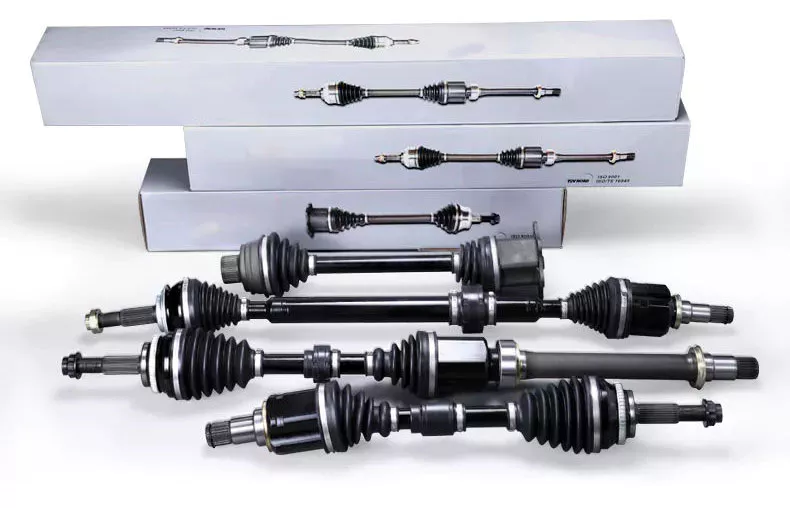
What maintenance practices are crucial for prolonging the lifespan of drive shafts?
To prolong the lifespan of drive shafts and ensure their optimal performance, several maintenance practices are crucial. Regular maintenance helps identify and address potential issues before they escalate, reduces wear and tear, and ensures the drive shaft operates smoothly and efficiently. Here are some essential maintenance practices for prolonging the lifespan of drive shafts:
1. Regular Inspection:
Performing regular inspections is vital for detecting any signs of wear, damage, or misalignment. Inspect the drive shaft visually, looking for cracks, dents, or any signs of excessive wear on the shaft itself and its associated components such as joints, yokes, and splines. Check for any signs of lubrication leaks or contamination. Additionally, inspect the fasteners and mounting points to ensure they are secure. Early detection of any issues allows for timely repairs or replacements, preventing further damage to the drive shaft.
2. Lubrication:
Proper lubrication is essential for the smooth operation and longevity of drive shafts. Lubricate the joints, such as universal joints or constant velocity joints, as recommended by the manufacturer. Lubrication reduces friction, minimizes wear, and helps dissipate heat generated during operation. Use the appropriate lubricant specified for the specific drive shaft and application, considering factors such as temperature, load, and operating conditions. Regularly check the lubrication levels and replenish as necessary to ensure optimal performance and prevent premature failure.
3. Balancing and Alignment:
Maintaining proper balancing and alignment is crucial for the lifespan of drive shafts. Imbalances or misalignments can lead to vibrations, accelerated wear, and potential failure. If vibrations or unusual noises are detected during operation, it is important to address them promptly. Perform balancing procedures as necessary, including dynamic balancing, to ensure even weight distribution along the drive shaft. Additionally, verify that the drive shaft is correctly aligned with the engine or power source and the driven components. Misalignment can cause excessive stress on the drive shaft, leading to premature failure.
4. Protective Coatings:
Applying protective coatings can help prolong the lifespan of drive shafts, particularly in applications exposed to harsh environments or corrosive substances. Consider using coatings such as zinc plating, powder coating, or specialized corrosion-resistant coatings to enhance the drive shaft’s resistance to corrosion, rust, and chemical damage. Regularly inspect the coating for any signs of degradation or damage, and reapply or repair as necessary to maintain the protective barrier.
5. Torque and Fastener Checks:
Ensure that the drive shaft’s fasteners, such as bolts, nuts, or clamps, are properly torqued and secured according to the manufacturer’s specifications. Loose or improperly tightened fasteners can lead to excessive vibrations, misalignment, or even detachment of the drive shaft. Periodically check and retighten the fasteners as recommended or after any maintenance or repair procedures. Additionally, monitor the torque levels during operation to ensure they remain within the specified range, as excessive torque can strain the drive shaft and lead to premature failure.
6. Environmental Protection:
Protecting the drive shaft from environmental factors can significantly extend its lifespan. In applications exposed to extreme temperatures, moisture, chemicals, or abrasive substances, take appropriate measures to shield the drive shaft. This may include using protective covers, seals, or guards to prevent contaminants from entering and causing damage. Regular cleaning of the drive shaft, especially in dirty or corrosive environments, can also help remove debris and prevent buildup that could compromise its performance and longevity.
7. Manufacturer Guidelines:
Follow the manufacturer’s guidelines and recommendations for maintenance practices specific to the drive shaft model and application. The manufacturer’s instructions may include specific intervals for inspections, lubrication, balancing, or other maintenance tasks. Adhering to these guidelines ensures that the drive shaft is properly maintained and serviced, maximizing its lifespan and minimizing the risk of unexpected failures.
By implementing these maintenance practices, drive shafts can operate reliably, maintain efficient power transmission, and have an extended service life, ultimately reducing downtime and ensuring optimal performance in various applications.

What safety precautions should be followed when working with drive shafts?
Working with drive shafts requires adherence to specific safety precautions to prevent accidents, injuries, and damage to equipment. Drive shafts are critical components of a vehicle or machinery’s driveline system and can pose hazards if not handled properly. Here’s a detailed explanation of the safety precautions that should be followed when working with drive shafts:
1. Personal Protective Equipment (PPE):
Always wear appropriate personal protective equipment when working with drive shafts. This may include safety goggles, gloves, steel-toed boots, and protective clothing. PPE helps protect against potential injuries from flying debris, sharp edges, or accidental contact with moving parts.
2. Lockout/Tagout Procedures:
Before working on a drive shaft, ensure that the power source is properly locked out and tagged out. This involves isolating the power supply, such as shutting off the engine or disconnecting the electrical power, and securing it with a lockout/tagout device. This prevents accidental engagement of the drive shaft while maintenance or repair work is being performed.
3. Vehicle or Equipment Support:
When working with drive shafts in vehicles or equipment, use proper support mechanisms to prevent unexpected movement. Securely block the vehicle’s wheels or utilize support stands to prevent the vehicle from rolling or shifting during drive shaft removal or installation. This helps maintain stability and reduces the risk of accidents.
4. Proper Lifting Techniques:
When handling heavy drive shafts, use proper lifting techniques to prevent strain or injuries. Lift with the help of a suitable lifting device, such as a hoist or jack, and ensure that the load is evenly distributed and securely attached. Avoid lifting heavy drive shafts manually or with improper lifting equipment, as this can lead to accidents and injuries.
5. Inspection and Maintenance:
Prior to working on a drive shaft, thoroughly inspect it for any signs of damage, wear, or misalignment. If any abnormalities are detected, consult a qualified technician or engineer before proceeding. Regular maintenance is also essential to ensure the drive shaft is in good working condition. Follow the manufacturer’s recommended maintenance schedule and procedures to minimize the risk of failures or malfunctions.
6. Proper Tools and Equipment:
Use appropriate tools and equipment specifically designed for working with drive shafts. Improper tools or makeshift solutions can lead to accidents or damage to the drive shaft. Ensure that tools are in good condition, properly sized, and suitable for the task at hand. Follow the manufacturer’s instructions and guidelines when using specialized tools or equipment.
7. Controlled Release of Stored Energy:
Some drive shafts, particularly those with torsional dampers or other energy-storing components, can store energy even when the power source is disconnected. Exercise caution when working on such drive shafts and ensure that the stored energy is safely released before disassembly or removal.
8. Training and Expertise:
Work on drive shafts should only be performed by individuals with the necessary training, knowledge, and expertise. If you are not familiar with drive shafts or lack the required skills, seek assistance from qualified technicians or professionals. Improper handling or installation of drive shafts can lead to accidents, damage, or compromised performance.
9. Follow Manufacturer’s Guidelines:
Always follow the manufacturer’s guidelines, instructions, and warnings specific to the drive shaft you are working with. These guidelines provide important information regarding installation, maintenance, and safety considerations. Deviating from the manufacturer’s recommendations may result in unsafe conditions or void warranty coverage.
10. Disposal of Old or Damaged Drive Shafts:
Dispose of old or damaged drive shafts in accordance with local regulations and environmental guidelines. Improper disposal can have negative environmental impacts and may violate legal requirements. Consult with local waste management authorities or recycling centers to ensure appropriate disposal methods are followed.
By following these safety precautions, individuals can minimize the risks associated with working with drive shafts and promote a safe working environment. It is crucial to prioritize personal safety, use proper equipment and techniques, and seek professional help when needed to ensure the proper handling and maintenance of drive shafts.

Bagaimanakah aci pemacu mengendalikan variasi keperluan panjang dan tork?
Aci pemacu direka bentuk untuk mengendalikan variasi keperluan panjang dan tork bagi menghantar kuasa putaran dengan cekap. Berikut ialah penjelasan tentang bagaimana aci pemacu menangani variasi ini:
Variasi Panjang:
Aci pemacu boleh didapati dalam pelbagai panjang untuk menampung jarak yang berbeza-beza antara enjin atau sumber kuasa dan komponen yang dipacu. Ia boleh dibuat khas atau dibeli dalam panjang piawai, bergantung pada aplikasi khusus. Dalam situasi di mana jarak antara enjin dan komponen yang dipacu lebih panjang, berbilang aci pemacu dengan gandingan atau sambungan universal yang sesuai boleh digunakan untuk merapatkan jurang. Aci pemacu tambahan ini memanjangkan keseluruhan panjang sistem penghantaran kuasa dengan berkesan.
Selain itu, sesetengah aci pacuan direka bentuk dengan bahagian teleskopik. Bahagian ini boleh dipanjangkan atau ditarik balik, membolehkan pelarasan panjang untuk menampung konfigurasi kenderaan yang berbeza atau pergerakan dinamik. Aci pacuan teleskopik biasanya digunakan dalam aplikasi di mana jarak antara enjin dan komponen yang dipacu mungkin berubah, seperti dalam jenis trak, bas dan kenderaan luar jalan tertentu.
Keperluan Tork:
Aci pemacu direka bentuk untuk mengendalikan pelbagai keperluan tork berdasarkan output kuasa enjin atau sumber kuasa dan permintaan komponen yang dipacu. Tork yang dihantar melalui aci pemacu bergantung pada faktor seperti kuasa enjin, keadaan beban dan rintangan yang dihadapi oleh komponen yang dipacu.
Pengilang mempertimbangkan keperluan tork apabila memilih bahan dan dimensi yang sesuai untuk aci pemacu. Aci pemacu biasanya diperbuat daripada bahan berkekuatan tinggi, seperti keluli atau aloi aluminium, untuk menahan beban tork tanpa ubah bentuk atau kegagalan. Diameter, ketebalan dinding dan reka bentuk aci pemacu dikira dengan teliti untuk memastikan ia boleh mengendalikan tork yang dijangkakan tanpa pesongan atau getaran yang berlebihan.
Dalam aplikasi dengan permintaan tork yang tinggi, seperti trak tugas berat, jentera perindustrian atau kenderaan berprestasi tinggi, aci pemacu mungkin mempunyai tetulang tambahan. Tetulang ini boleh merangkumi dinding yang lebih tebal, bentuk keratan rentas yang dioptimumkan untuk kekuatan atau bahan komposit dengan keupayaan pengendalian tork yang unggul.
Tambahan pula, aci pemacu selalunya menggabungkan sambungan fleksibel, seperti sambungan universal atau sambungan halaju malar (CV). Sambungan ini membolehkan penjajaran sudut yang tidak betul dan mengimbangi variasi dalam sudut operasi antara enjin, transmisi dan komponen pemacu. Ia juga membantu menyerap getaran dan hentakan, mengurangkan tekanan pada aci pemacu dan meningkatkan kapasiti pengendalian torknya.
Secara ringkasnya, aci pemacu mengendalikan variasi keperluan panjang dan tork melalui panjang yang boleh disesuaikan, bahagian teleskopik, bahan dan dimensi yang sesuai, dan penyertaan sambungan fleksibel. Dengan mempertimbangkan faktor-faktor ini dengan teliti, aci pemacu boleh menghantar kuasa dengan cekap dan andal sambil menampung keperluan khusus aplikasi yang berbeza.


editor by CX 2024-05-17

























