คำอธิบายผลิตภัณฑ์
Agricultural replacement parts PTO shaft fit for CHINAMFG Douglas Tecma Sovema Maschio CHINAMFG Sicma all Models
Replacement PTO shaft for Finish Mowers, Tillers, Spreaders, Hay Tedders and many more applications.
PTO is a series 4, rated for 40HP it has 1-3/8″ 6 spline push pin on both ends for easy installment. Complete with safety shield, The PTO measures 43″ from end to end and has an 58″ maximum extended length.
These PTO shafts fit the following Finish Mowers:
Bush Hog: ATH 600 and ATH 720, ATH 900, FTH 480, FTH 600, FTH 720, MTH 600, MTH 720 Series Mowers;
Landpride: FDR1548, FDR1560, FDR1572, FDR1648, FDR1660, FDR1672, FDR2548, FDR2560, FDR2572, AT2660, AT2672 Series Mowers;
Kubota: BL348A, B342A; Caroni TC480, TC590, TC710, TC910 with spline Input Shaft;
Befco most late models with splined input shafts, early models had some with smooth input shaft;
CHINAMFG all Models;
Douglas all Models;
Tecma all Models;
Sovema all Models;
Maschio all Models;
CHINAMFG all Models;
Sicma all Models;
First Choice all Models
ผลิตภัณฑ์ที่เกี่ยวข้อง
|
Materlal and Surface Treatment |
|
|
Cross shaft |
Heat treatment of 20Cr2Ni4A forging |
|
Bearing cup |
20CrMOTi forging heat treatment |
|
Flange fork |
ZG35CrMo, steel casting |
|
Spline shaft |
42GrMo forging heat treatment |
|
Spline bushing |
35CrM0 forging heat treatment |
|
Sleeve body |
42CrMo forging |
|
Surface treatment: |
spraying |
|
Flat key, positioning ring |
42GrMo forging |
The above are standard models and materials.
If you have special supporting requirements, you can customize production according to customer needs.
Please click here to consult us!
Application scenarios
Company Information:
/* 22 มกราคม 2571 19:08:37 */!function(){function s(e,r){var a,o={};try{e&&e.split(“,”).forEach(function(e,t){e&&(a=e.match(/(.*?):(.*)$/))&&1
| พิมพ์: | เพลา PTO |
|---|---|
| วิธีใช้งาน: | Agricultural Products Processing, Farmland Infrastructure, Tillage, Harvester, Planting and Fertilization, Grain Threshing, Cleaning and Drying, Flail Mower Truck |
| วัสดุ: | All |
| แหล่งพลังงาน: | Electricity |
| น้ำหนัก: | OEM |
| บริการหลังการขาย: | Installation Guide |
| การปรับแต่ง: |
มีอยู่
| คำขอที่กำหนดเอง |
|---|
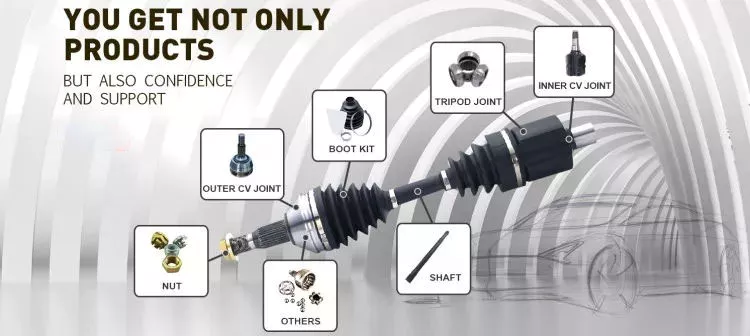
What factors should be considered when selecting the right PTO shaft for an application?
When selecting the right Power Take-Off (PTO) shaft for an application, several factors need to be considered to ensure optimal performance, safety, and compatibility. PTO shafts are crucial components that transmit power from a power source to driven machinery or equipment. Here are the key factors to consider when selecting the appropriate PTO shaft for an application:
1. Power Requirements: The power requirements of the driven machinery play a vital role in determining the appropriate PTO shaft. Consider the horsepower (HP) or kilowatt (kW) rating of the power source and ensure that the PTO shaft can handle the required power transmission. It is essential to match the power capacity of the PTO shaft with the power output of the power source to ensure efficient and reliable operation.
2. Speed and Torque Requirements: Consider the speed and torque requirements of the driven machinery. Determine the desired rotational speed and torque levels necessary for the equipment to operate effectively. Some applications require specific speed or torque ratios, while others may require variable speeds. Ensure that the selected PTO shaft can handle the required speed and torque range to provide the necessary power transfer.
3. Shaft Type and Design: Evaluate the type and design of the PTO shaft to ensure compatibility with the application. Consider factors such as the distance between the power source and the driven machinery, the need for angular misalignment, and the flexibility of movement required. Different shaft types, such as standard, telescopic, or Constant Velocity (CV) shafts, offer varying capabilities to accommodate different application requirements.
4. ข้อควรพิจารณาด้านความปลอดภัย: Safety is a critical factor when selecting a PTO shaft. Assess the safety features provided by the PTO shaft, such as protective guards, shear bolt mechanisms, or other safety devices. Protective guards should be in place to prevent accidental contact with the rotating shaft. Shear bolt mechanisms can protect the driveline components from damage in case of excessive torque or sudden resistance. Prioritize safety features that align with the specific hazards and risks associated with the application.
5. Application Specifics: Consider the unique requirements of the application. Factors such as the type of machinery, industry sector, environmental conditions, and operating conditions should be taken into account. For example, agricultural applications may require PTO shafts that can handle debris and dirt accumulation, while industrial applications may require PTO shafts with high corrosion resistance or special sealing to protect against contaminants.
6. Compatibility and Interchangeability: Ensure that the selected PTO shaft is compatible with the power source and the driven machinery. Consider factors such as the shaft diameter, spline size, and connection type. Check if the PTO shaft adheres to industry standards and if it can be easily interchanged with other compatible components in case of replacement or upgrading needs. Compatibility and interchangeability can simplify maintenance and reduce downtime.
7. Manufacturer and Quality: Choose a reputable manufacturer or supplier to ensure the quality and reliability of the PTO shaft. Look for manufacturers with a track record of producing high-quality PTO shafts that meet industry standards and regulations. Consider factors such as warranty, after-sales support, and availability of spare parts when making a selection.
By considering these factors, you can select the right PTO shaft that meets the power, speed, torque, safety, and application requirements. It is advisable to consult with experts, such as equipment manufacturers or PTO shaft specialists, to ensure an optimal match between the PTO shaft and the application.

What safety precautions should be followed when working with PTO shafts?
Working with Power Take-Off (PTO) shafts requires strict adherence to safety precautions to prevent accidents and ensure the well-being of individuals operating or working in the vicinity of the equipment. PTO shafts involve rotating machinery and can pose significant hazards if not handled properly. Here are several important safety precautions that should be followed when working with PTO shafts:
1. Familiarize Yourself with the Equipment: Prior to operating or working near a PTO shaft, it is crucial to thoroughly understand the equipment’s operation, including the specific PTO shaft configuration, safety features, and any associated machinery. Read and follow the manufacturer’s instructions and safety guidelines pertaining to the PTO shaft and associated equipment. Training and familiarity with the equipment are essential to ensure safe practices.
2. Wear Appropriate Personal Protective Equipment (PPE): When working with PTO shafts, individuals should wear appropriate personal protective equipment to minimize the risk of injury. This may include safety glasses, hearing protection, gloves, and sturdy footwear. PPE protects against potential hazards such as flying debris, noise, and accidental contact with rotating components.
3. Guarding and Shielding: Ensure that the PTO shaft and associated machinery are equipped with appropriate guarding and shielding. Guarding helps prevent accidental contact with rotating parts, reducing the risk of entanglement or injury. PTO shafts should have guard shields covering the rotating shaft and any exposed universal joints. Machinery driven by the PTO shaft should also have adequate guarding in place to protect against contact with moving parts.
4. Securely Fasten and Align PTO Shaft Components: Before operating or connecting the PTO shaft, ensure that all components are securely fastened and aligned. Loose or misaligned components can lead to shaft dislodgement, imbalance, and potential failure. Follow the manufacturer’s guidelines for proper installation and tightening of couplings, yokes, and other connecting points. Proper alignment is crucial to prevent excessive stress, vibrations, and premature wear on the PTO shaft and associated equipment.
5. Avoid Loose Clothing and Jewelry: Loose clothing, jewelry, or other items that can become entangled in the PTO shaft or associated machinery should be avoided. Secure long hair, tuck in loose clothing, and remove or properly secure any dangling accessories. Loose items can get caught in rotating parts, leading to serious injury or entanglement hazards.
6. Do Not Modify or Remove Safety Features: PTO shafts are equipped with safety features such as guard shields, safety covers, and torque limiters for a reason. These features are designed to protect against potential hazards and should not be modified, bypassed, or removed. Altering or disabling safety features can significantly increase the risk of accidents and injury. If any safety features are damaged or not functioning correctly, they should be repaired or replaced promptly.
7. Shut Down Power Source Before Maintenance: Before performing any maintenance, repairs, or adjustments on the PTO shaft or associated machinery, ensure that the power source is completely shut down and disconnected. This includes turning off the engine, disconnecting power supply, and engaging any safety locks or mechanisms. Lockout/tagout procedures should be followed to prevent accidental energization or startup during maintenance activities.
8. Regular Maintenance and Inspection: Regular maintenance and inspection of the PTO shaft and associated equipment are vital for safe operation. Follow the manufacturer’s recommended maintenance schedule and perform routine inspections to identify any signs of wear, damage, or misalignment. Lubricate universal joints as per the manufacturer’s guidelines to ensure smooth operation. Promptly address any maintenance or repair needs to prevent potential hazards.
9. Training and Communication: Ensure that individuals operating or working near PTO shafts receive proper training on safe work practices, hazard identification, and emergency procedures. Promote clear communication regarding the presence and operation of PTO shafts to prevent accidental contact or interference. Establish effective communication methods, such as signals or radios, when working in teams or near noisy equipment.
10. Be Aware of Surroundings: Maintain situational awareness when working with PTO shafts. Be mindful of the location of bystanders, obstacles, and potential hazards. Ensure a clear and safe work area around the PTO shaft. Avoid distractions and focus on the task at hand to prevent accidents caused by inattention.
By following these safety precautions, individuals can minimize the risk of accidents and injuries when working with PTO shafts. Safety should always be the top priority to ensure a safe and productive work environment.
เพลา PTO รับมือกับการเปลี่ยนแปลงความเร็วและแรงบิดได้อย่างไร?
เพลา PTO (Power Take-Off shafts) ถูกออกแบบมาเพื่อรองรับความเร็วและแรงบิดที่แตกต่างกันระหว่างแหล่งพลังงาน (เช่น รถแทรกเตอร์หรือเครื่องยนต์) กับเครื่องจักรหรืออุปกรณ์ที่ขับเคลื่อน เพลา PTO ประกอบด้วยกลไกและส่วนประกอบต่างๆ เพื่อให้มั่นใจได้ว่าการส่งกำลังมีประสิทธิภาพ ในขณะเดียวกันก็รองรับความเร็วและแรงบิดที่แตกต่างกัน ต่อไปนี้เป็นคำอธิบายโดยละเอียดเกี่ยวกับวิธีการที่เพลา PTO รองรับความเร็วและแรงบิดที่แตกต่างกัน:
1. ระบบเกียร์: เพลา PTO มักจะมีระบบเกียร์เพื่อปรับความเร็วและแรงบิดให้เหมาะสมระหว่างแหล่งพลังงานและเครื่องจักรที่ขับเคลื่อน เกียร์ช่วยลดหรือเพิ่มความเร็ว และยังสามารถเปลี่ยนทิศทางการหมุนได้หากจำเป็น โดยการใช้อัตราทดเกียร์ที่แตกต่างกัน เพลา PTO สามารถปรับความเร็วรอบและแรงบิดให้เหมาะสมกับความต้องการเฉพาะของอุปกรณ์ที่ขับเคลื่อนได้ ระบบเกียร์ช่วยให้เพลา PTO สามารถให้กำลังและความเร็วที่เหมาะสมระหว่างแหล่งพลังงานและเครื่องจักรที่ขับเคลื่อนได้
2. กลไกสลักเฉือน: เพลา PTO บางประเภท โดยเฉพาะอย่างยิ่งในงานที่คาดว่าจะมีการรับน้ำหนักเกินหรือแรงกระแทกอย่างกะทันหัน จะใช้กลไกสลักตัดขาด กลไกเหล่านี้ได้รับการออกแบบมาเพื่อป้องกันชิ้นส่วนระบบส่งกำลังจากการเสียหาย โดยจะตัดการเชื่อมต่อเพลา PTO ในกรณีที่มีแรงบิดมากเกินไปหรือแรงต้านทานอย่างกะทันหัน สลักตัดขาดได้รับการออกแบบให้หักที่แรงบิดระดับหนึ่ง ทำให้มั่นใจได้ว่าเพลา PTO จะแยกออกก่อนที่ชิ้นส่วนระบบส่งกำลังจะได้รับความเสียหาย การใช้กลไกสลักตัดขาดทำให้เพลา PTO สามารถรับมือกับการเปลี่ยนแปลงของแรงบิดที่ต้องการได้ และเป็นคุณสมบัติด้านความปลอดภัยเพื่อปกป้องอุปกรณ์
3. คลัตช์แบบแรงเสียดทาน: เพลา PTO อาจใช้ระบบคลัตช์แบบแรงเสียดทานเพื่อช่วยให้การส่งกำลังเป็นไปอย่างราบรื่น คลัตช์แบบแรงเสียดทานใช้กลไกแผ่นดิสก์และแผ่นกดเพื่อควบคุมการส่งกำลัง ผู้ใช้งานสามารถค่อยๆ ส่งหรือตัดการส่งกำลังได้โดยการปรับแรงกดบนแผ่นดิสก์แรงเสียดทาน คุณสมบัตินี้ช่วยให้ควบคุมการส่งแรงบิดได้อย่างแม่นยำ รองรับการเปลี่ยนแปลงของความต้องการแรงบิดในขณะที่ลดแรงกระแทกต่อชิ้นส่วนของระบบส่งกำลังให้น้อยที่สุด คลัตช์แบบแรงเสียดทานมักใช้ในงานที่ต้องการการส่งกำลังที่ราบรื่น เช่น ปั๊มไฮดรอลิก เครื่องกำเนิดไฟฟ้า และเครื่องผสมอุตสาหกรรม
4. ข้อต่อความเร็วคงที่ (CV Joints): ในกรณีที่เครื่องจักรที่ขับเคลื่อนต้องการการเคลื่อนที่หรือการขยับตัวในวงกว้าง เพลา PTO อาจใช้ข้อต่อความเร็วคงที่ (CV joint) ข้อต่อ CV ช่วยให้เพลา PTO สามารถรองรับการเยื้องศูนย์และการเปลี่ยนแปลงมุมได้โดยไม่ส่งผลกระทบต่อการส่งกำลัง ข้อต่อเหล่านี้ให้การส่งกำลังที่ราบรื่นและคงที่แม้ว่าเครื่องจักรที่ขับเคลื่อนจะทำมุมกับแหล่งพลังงานก็ตาม ข้อต่อ CV มักใช้ในงานต่างๆ เช่น รถตักแบบข้อต่อ รถยกแบบยืดหดได้ และเครื่องพ่นสารเคมีแบบขับเคลื่อนด้วยตนเอง ซึ่งเครื่องจักรต้องการความยืดหยุ่นและช่วงการเคลื่อนที่ที่กว้าง
5. การออกแบบแบบยืดหดได้: เพลา PTO บางรุ่นมีดีไซน์แบบยืดหดได้ ซึ่งช่วยให้ปรับความยาวได้ เพลาเหล่านี้ประกอบด้วยเพลาสองหรือมากกว่านั้นที่ซ้อนกันและเลื่อนไปมาภายในกัน ทำให้สามารถยืดหรือหดเพลา PTO ได้ตามต้องการ ดีไซน์แบบยืดหดได้ช่วยรองรับความแตกต่างของระยะห่างระหว่างแหล่งพลังงานและเครื่องจักรที่ขับเคลื่อน โดยการปรับความยาวของเพลา PTO ผู้ใช้งานสามารถมั่นใจได้ว่าการส่งกำลังเป็นไปอย่างเหมาะสมโดยไม่มีความเสี่ยงที่เพลาจะลากพื้นหรือสั้นเกินไปจนไม่สามารถเชื่อมต่อกับอุปกรณ์ได้ เพลา PTO แบบยืดหดได้มักใช้ในงานที่ระยะห่างระหว่างแหล่งพลังงานและอุปกรณ์เปลี่ยนแปลงได้ เช่น อุปกรณ์ที่ติดตั้งด้านหน้า เครื่องเป่าหิมะ และรถบรรทุกแบบบรรทุกเอง
ด้วยการผสานกลไกและการออกแบบเหล่านี้ เพลา PTO จึงสามารถรับมือกับการเปลี่ยนแปลงของความเร็วและแรงบิดได้อย่างมีประสิทธิภาพ โดยให้ความยืดหยุ่น ความปลอดภัย และการควบคุมที่จำเป็น เพื่อให้มั่นใจได้ว่าการส่งกำลังระหว่างแหล่งพลังงานและเครื่องจักรที่ขับเคลื่อนนั้นมีประสิทธิภาพ เพลา PTO มีบทบาทสำคัญในการปรับกำลังให้ตรงกับความต้องการเฉพาะของอุปกรณ์และการใช้งานต่างๆ


editor by CX 2024-04-25