คำอธิบายผลิตภัณฑ์
|
Process: |
CNC Machining, turning,milling, lathe machining, boring, grinding, drilling,broaching, stamping,etc… |
|
Surface treatment: |
Clear/color anodized; Hard anodized; Powder-coating;Sand-blasting; Painting; |
|
Nickel plating; Chrome plating; Zinc plating; Silver/gold plating; |
|
|
Black oxide coating, Polishing etc… |
|
|
Certification: |
IATF 16949, ISO140001 |
|
Experience: |
16 years of machining products |
|
Packaging : |
Standard: carton with plastic bag protecting |
|
For large quantity: pallet or wooden box as required |
|
|
Lead time : |
In general:30-60days |
|
Term of Payment: |
T/T, L/C, etc |
|
Minimum Order: |
Comply with customer’s demand |
|
Delivery way: |
Express(DHL,Fedex, UPS,TNT,EMS), By Sea, By air, or as required |
ZheZheJiang nlead Precision Co., Ltd. which focuses on CNC machining, including milling, turning, auto-lathe turning,holing,grinding, heat treatment from raw materials of bars, tube, extruded profiles, blanks of cold forging & hot forging, aluminum die casting.
We provide one-stop service, from professional design analysis, to free quote, fast prototype, IATF16949 & ISO14001 standard manufacturing, to safe shipping and great after-sales services.During 16 years, we have win lots of trust in the global market, most of them come from North America and Europe.
Now you may have steady customers, and hope you can keep us in the archives to get more market news.
Sunlead produce all kinds of machining parts according to customer’s drawing, we can produces stainless steel Turned parts,carbon steel Turned parts, aluminum turned parts,brass & copper turned parts.
Please feel free to send inquiry to us, and our professional sales manager will get back to you ASAP!
คำถามที่พบบ่อย:
Q1: How can I get the samples?
A: If you need some samples to test, you should pay for the transportation freight of samples and our samples cost.
Q2: Can we have our marking,Logo or company name to be printed on your products or package?
A: Sure. Your marking,logo,or company name can be put on your products by Laser machine
Q3: How to order?
A: Please send us your purchase order by Email, or you can ask us to send you a Performa invoice for your order. We need to know the following information for your order.
1) Product information-Quantity, Specification ( Size, Material, Technological and Packing requirements etc.)
2) Delivery time required
3) Shipping information-Company name, Street address, Phone&Fax number, Destination sea port.
4) Forwarder’s contact details if there’s any in China.
Q4: When can you get the price?
We usually quote within 48 hours after we get your inquiry. If you are very urgent to get the price, please call us or tell us in your email so that we will regard your inquiry priority. Kindly note that if your inquiry is with more details then the price we quote will be more accurate
.Q5: How can you get a sample to check our quality?
After price confirmation, you can require for samples to check our quality
.Q6: What kind of files do we accept for drawing?
A: PDF, CAD,STP,STEP
Q7: What about the lead time for mass production?
Honestly, it depends on the order quantity and the season you place the order. Generally speaking,it would need about 30-60days to finish the sample.
Q8: What is our terms of delivery?
We accept EXW, FOB, CFR, CIF, DDU, DDP, etc. You can choose the 1 which is the most convenient or cost effective for you.
/* January 22, 2571 19:08:37 */!function(){function s(e,r){var a,o={};try{e&&e.split(“,”).forEach(function(e,t){e&&(a=e.match(/(.*?):(.*)$/))&&1
| บริการหลังการขาย: | Yes |
|---|---|
| Warranty: | Yes |
| พิมพ์: | เพลา |
| ตัวอย่าง: |
US$ 2.5/Piece
1 ชิ้น (สั่งขั้นต่ำ) | Order Sample According to requirement
|
|---|
| การปรับแต่ง: |
มีอยู่
| คำขอที่กำหนดเอง |
|---|
.shipping-cost-tm .tm-status-off{background: none;padding:0;color: #1470cc}
|
Shipping Cost:
Estimated freight per unit. |
about shipping cost and estimated delivery time. |
|---|
| Payment Method: |
|
|---|---|
|
Initial Payment Full Payment |
| Currency: | US$ |
|---|
| Return&refunds: | You can apply for a refund up to 30 days after receipt of the products. |
|---|
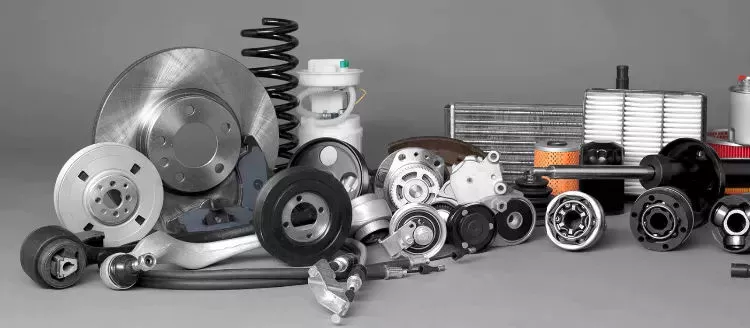
Can drive shafts be adapted for use in both automotive and industrial settings?
Yes, drive shafts can be adapted for use in both automotive and industrial settings. While there may be some differences in design and specifications based on the specific application requirements, the fundamental principles and functions of drive shafts remain applicable in both contexts. Here’s a detailed explanation:
1. Power Transmission:
Drive shafts serve the primary purpose of transmitting rotational power from a power source, such as an engine or motor, to driven components, which can be wheels, machinery, or other mechanical systems. This fundamental function applies to both automotive and industrial settings. Whether it’s delivering power to the wheels of a vehicle or transferring torque to industrial machinery, the basic principle of power transmission remains the same for drive shafts in both contexts.
2. Design Considerations:
While there may be variations in design based on specific applications, the core design considerations for drive shafts are similar in both automotive and industrial settings. Factors such as torque requirements, operating speeds, length, and material selection are taken into account in both cases. Automotive drive shafts are typically designed to accommodate the dynamic nature of vehicle operation, including variations in speed, angles, and suspension movement. Industrial drive shafts, on the other hand, may be designed for specific machinery and equipment, taking into consideration factors such as load capacity, operating conditions, and alignment requirements. However, the underlying principles of ensuring proper dimensions, strength, and balance are essential in both automotive and industrial drive shaft designs.
3. Material Selection:
The material selection for drive shafts is influenced by the specific requirements of the application, whether in automotive or industrial settings. In automotive applications, drive shafts are commonly made from materials such as steel or aluminum alloys, chosen for their strength, durability, and ability to withstand varying operating conditions. In industrial settings, drive shafts may be made from a broader range of materials, including steel, stainless steel, or even specialized alloys, depending on factors such as load capacity, corrosion resistance, or temperature tolerance. The material selection is tailored to meet the specific needs of the application while ensuring efficient power transfer and durability.
4. Joint Configurations:
Both automotive and industrial drive shafts may incorporate various joint configurations to accommodate the specific requirements of the application. Universal joints (U-joints) are commonly used in both contexts to allow for angular movement and compensate for misalignment between the drive shaft and driven components. Constant velocity (CV) joints are also utilized, particularly in automotive drive shafts, to maintain a constant velocity of rotation and accommodate varying operating angles. These joint configurations are adapted and optimized based on the specific needs of automotive or industrial applications.
5. Maintenance and Service:
While maintenance practices may vary between automotive and industrial settings, the importance of regular inspection, lubrication, and balancing remains crucial in both cases. Both automotive and industrial drive shafts benefit from periodic maintenance to ensure optimal performance, identify potential issues, and prolong the lifespan of the drive shafts. Lubrication of joints, inspection for wear or damage, and balancing procedures are common maintenance tasks for drive shafts in both automotive and industrial applications.
6. Customization and Adaptation:
Drive shafts can be customized and adapted to meet the specific requirements of various automotive and industrial applications. Manufacturers often offer drive shafts with different lengths, diameters, and joint configurations to accommodate a wide range of vehicles or machinery. This flexibility allows for the adaptation of drive shafts to suit the specific torque, speed, and dimensional requirements of different applications, whether in automotive or industrial settings.
In summary, drive shafts can be adapted for use in both automotive and industrial settings by considering the specific requirements of each application. While there may be variations in design, materials, joint configurations, and maintenance practices, the fundamental principles of power transmission, design considerations, and customization options remain applicable in both contexts. Drive shafts play a crucial role in both automotive and industrial applications, enabling efficient power transfer and reliable operation in a wide range of mechanical systems.

เพลาขับช่วยเพิ่มประสิทธิภาพของรถยนต์และรถบรรทุกได้อย่างไร?
เพลาขับมีบทบาทสำคัญในการเพิ่มประสิทธิภาพของรถยนต์และรถบรรทุก มันมีส่วนช่วยในด้านต่างๆ ของสมรรถนะของยานพาหนะ รวมถึงการส่งกำลัง การยึดเกาะ การควบคุม และประสิทธิภาพโดยรวม ต่อไปนี้เป็นคำอธิบายโดยละเอียดเกี่ยวกับวิธีการที่เพลาขับช่วยเพิ่มประสิทธิภาพของรถยนต์และรถบรรทุก:
1. ระบบจ่ายพลังงาน:
Drive shafts are responsible for transferring power from the engine to the wheels, enabling the vehicle to move forward. By efficiently transmitting power without significant losses, drive shafts ensure that the engine’s power is effectively utilized, resulting in improved acceleration and overall performance. Well-designed drive shafts with minimal power loss contribute to the vehicle’s ability to deliver power to the wheels efficiently.
2. การส่งถ่ายแรงบิด:
เพลาขับทำหน้าที่ส่งแรงบิดจากเครื่องยนต์ไปยังล้อ แรงบิดคือแรงหมุนที่ขับเคลื่อนรถไปข้างหน้า เพลาขับคุณภาพสูงที่มีความสามารถในการแปลงแรงบิดอย่างเหมาะสมจะช่วยให้แรงบิดที่สร้างโดยเครื่องยนต์ถูกส่งไปยังล้อได้อย่างมีประสิทธิภาพ ซึ่งจะช่วยเพิ่มความสามารถของรถในการเร่งความเร็ว ลากจูงของหนัก และปีนขึ้นทางลาดชันได้ดีขึ้น ส่งผลให้สมรรถนะโดยรวมดีขึ้น
3. การยึดเกาะและความมั่นคง:
เพลาขับมีส่วนช่วยในการยึดเกาะและเสถียรภาพของรถยนต์และรถบรรทุก มันส่งกำลังไปยังล้อ ทำให้ล้อสามารถออกแรงกดบนพื้นผิวถนนได้ ซึ่งช่วยให้รถรักษาการยึดเกาะได้ดี โดยเฉพาะอย่างยิ่งในขณะเร่งความเร็วหรือเมื่อขับขี่บนพื้นผิวที่ลื่นหรือขรุขระ การส่งกำลังอย่างมีประสิทธิภาพผ่านเพลาขับช่วยเพิ่มเสถียรภาพของรถโดยการกระจายกำลังอย่างสมดุลไปยังล้อทั้งสี่ ทำให้ควบคุมและบังคับรถได้ดียิ่งขึ้น
4. การควบคุมและการบังคับเลี้ยว:
เพลาขับมีผลต่อการควบคุมและการบังคับเลี้ยวของรถยนต์ มันช่วยสร้างการเชื่อมต่อโดยตรงระหว่างเครื่องยนต์และล้อ ทำให้สามารถควบคุมได้อย่างแม่นยำและตอบสนองได้ดี เพลาขับที่ออกแบบมาอย่างดีโดยมีระยะคลอนหรือการคลายตัวน้อยที่สุด จะช่วยให้การตอบสนองต่อการควบคุมของผู้ขับขี่รวดเร็วและทันทีมากขึ้น เพิ่มความคล่องตัวและการควบคุมรถให้ดียิ่งขึ้น
5. การลดน้ำหนัก:
เพลาขับสามารถช่วยลดน้ำหนักในรถยนต์และรถบรรทุกได้ เพลาขับน้ำหนักเบาที่ทำจากวัสดุ เช่น อลูมิเนียมหรือวัสดุคอมโพสิตเสริมใยคาร์บอน จะช่วยลดน้ำหนักโดยรวมของรถ น้ำหนักที่ลดลงช่วยปรับปรุงอัตราส่วนกำลังต่อน้ำหนัก ส่งผลให้การเร่งความเร็ว การควบคุม และประสิทธิภาพการใช้เชื้อเพลิงดีขึ้น นอกจากนี้ เพลาขับน้ำหนักเบายังช่วยลดมวลการหมุน ทำให้เครื่องยนต์เร่งรอบได้เร็วขึ้น ซึ่งช่วยเพิ่มประสิทธิภาพการทำงานให้ดียิ่งขึ้น
6. ประสิทธิภาพเชิงกล:
เพลาขับที่มีประสิทธิภาพสูงช่วยลดการสูญเสียพลังงานระหว่างการส่งกำลัง โดยการใช้วัสดุคุณภาพสูง เช่น ตลับลูกปืนคุณภาพดี ซีลลดแรงเสียดทาน และระบบหล่อลื่นที่เหมาะสม เพลาขับจะลดแรงเสียดทานและลดการสูญเสียพลังงานเนื่องจากแรงต้านภายใน ซึ่งจะช่วยเพิ่มประสิทธิภาพเชิงกลของระบบส่งกำลัง ทำให้สามารถส่งกำลังไปยังล้อได้มากขึ้น และปรับปรุงสมรรถนะโดยรวมของรถยนต์
7. การอัปเกรดประสิทธิภาพ:
Drive shaft upgrades can be a popular performance enhancement for enthusiasts. Upgraded drive shafts, such as those made from stronger materials or with enhanced torque capacity, can handle higher power outputs from modified engines. These upgrades allow for increased performance, such as improved acceleration, higher top speeds, and better overall driving dynamics.
8. ความเข้ากันได้กับการปรับแต่งประสิทธิภาพ:
การดัดแปลงเพื่อเพิ่มประสิทธิภาพ เช่น การอัพเกรดเครื่องยนต์ การเพิ่มกำลังขับ หรือการเปลี่ยนแปลงระบบส่งกำลัง มักต้องใช้เพลาขับที่เข้ากันได้ เพลาขับที่ออกแบบมาเพื่อรองรับแรงบิดที่สูงขึ้นหรือปรับให้เข้ากับการกำหนดค่าระบบส่งกำลังที่ดัดแปลงแล้ว จะช่วยให้มั่นใจได้ถึงประสิทธิภาพและความน่าเชื่อถือสูงสุด เพลาขับเหล่านี้ช่วยให้รถสามารถใช้ประโยชน์จากกำลังและแรงบิดที่เพิ่มขึ้นได้อย่างมีประสิทธิภาพ ส่งผลให้ประสิทธิภาพและการตอบสนองดีขึ้น
9. ความทนทานและความน่าเชื่อถือ:
เพลาขับที่แข็งแรงและได้รับการบำรุงรักษาอย่างดีมีส่วนช่วยให้รถยนต์และรถบรรทุกมีความทนทานและเชื่อถือได้ เพลาขับได้รับการออกแบบมาให้ทนต่อแรงกดและภาระที่เกี่ยวข้องกับการส่งกำลัง วัสดุคุณภาพสูง การปรับสมดุลที่เหมาะสม และการบำรุงรักษาอย่างสม่ำเสมอ ช่วยให้มั่นใจได้ว่าเพลาขับทำงานได้อย่างราบรื่น ลดความเสี่ยงต่อความล้มเหลวหรือปัญหาด้านประสิทธิภาพ เพลาขับที่เชื่อถือได้ช่วยเพิ่มประสิทธิภาพโดยรวมโดยการส่งกำลังที่สม่ำเสมอและลดเวลาหยุดทำงาน
10. ความเข้ากันได้กับเทคโนโลยีขั้นสูง:
เพลาขับกำลังพัฒนาไปพร้อมกับความก้าวหน้าของเทคโนโลยีรถยนต์ มีการนำไปผสานรวมกับระบบขั้นสูงต่างๆ มากขึ้น เช่น ระบบขับเคลื่อนไฮบริด มอเตอร์ไฟฟ้า และระบบเบรกแบบสร้างพลังงานกลับคืน เพลาขับที่ออกแบบมาให้ทำงานร่วมกับเทคโนโลยีเหล่านี้ได้อย่างราบรื่น จะช่วยเพิ่มประสิทธิภาพและสมรรถนะให้สูงสุด ส่งผลให้สมรรถนะโดยรวมของรถยนต์ดีขึ้น
In summary, drive shafts enhance the performance of automobiles and trucks by optimizing power delivery, facilitating torque transfer, improving traction and stability, enhancing handling and maneuverability, reducing weight, increasing mechanical efficiency,and enabling compatibility with performance upgrades and advanced technologies. They play a crucial role in ensuring efficient power transmission, responsive acceleration, precise handling, and overall improved performance of vehicles.
Can you explain the different types of drive shafts and their specific applications?
Drive shafts come in various types, each designed to suit specific applications and requirements. The choice of drive shaft depends on factors such as the type of vehicle or equipment, power transmission needs, space limitations, and operating conditions. Here’s an explanation of the different types of drive shafts and their specific applications:
1. Solid Shaft:
A solid shaft, also known as a one-piece or solid-steel drive shaft, is a single, uninterrupted shaft that runs from the engine or power source to the driven components. It is a simple and robust design used in many applications. Solid shafts are commonly found in rear-wheel-drive vehicles, where they transmit power from the transmission to the rear axle. They are also used in industrial machinery, such as pumps, generators, and conveyors, where a straight and rigid power transmission is required.
2. Tubular Shaft:
Tubular shafts, also called hollow shafts, are drive shafts with a cylindrical tube-like structure. They are constructed with a hollow core and are typically lighter than solid shafts. Tubular shafts offer benefits such as reduced weight, improved torsional stiffness, and better damping of vibrations. They find applications in various vehicles, including cars, trucks, and motorcycles, as well as in industrial equipment and machinery. Tubular drive shafts are commonly used in front-wheel-drive vehicles, where they connect the transmission to the front wheels.
3. Constant Velocity (CV) Shaft:
Constant Velocity (CV) shafts are specifically designed to handle angular movement and maintain a constant velocity between the engine/transmission and the driven components. They incorporate CV joints at both ends, which allow flexibility and compensation for changes in angle. CV shafts are commonly used in front-wheel-drive and all-wheel-drive vehicles, as well as in off-road vehicles and certain heavy machinery. The CV joints enable smooth power transmission even when the wheels are turned or the suspension moves, reducing vibrations and improving overall performance.
4. Slip Joint Shaft:
Slip joint shafts, also known as telescopic shafts, consist of two or more tubular sections that can slide in and out of each other. This design allows for length adjustment, accommodating changes in distance between the engine/transmission and the driven components. Slip joint shafts are commonly used in vehicles with long wheelbases or adjustable suspension systems, such as some trucks, buses, and recreational vehicles. By providing flexibility in length, slip joint shafts ensure a constant power transfer, even when the vehicle chassis experiences movement or changes in suspension geometry.
5. Double Cardan Shaft:
A double Cardan shaft, also referred to as a double universal joint shaft, is a type of drive shaft that incorporates two universal joints. This configuration helps to reduce vibrations and minimize the operating angles of the joints, resulting in smoother power transmission. Double Cardan shafts are commonly used in heavy-duty applications, such as trucks, off-road vehicles, and agricultural machinery. They are particularly suitable for applications with high torque requirements and large operating angles, providing enhanced durability and performance.
6. Composite Shaft:
Composite shafts are made from composite materials such as carbon fiber or fiberglass, offering advantages such as reduced weight, improved strength, and resistance to corrosion. Composite drive shafts are increasingly being used in high-performance vehicles, sports cars, and racing applications, where weight reduction and enhanced power-to-weight ratio are critical. The composite construction allows for precise tuning of stiffness and damping characteristics, resulting in improved vehicle dynamics and drivetrain efficiency.
7. PTO Shaft:
Power Take-Off (PTO) shafts are specialized drive shafts used in agricultural machinery and certain industrial equipment. They are designed to transfer power from the engine or power source to various attachments, such as mowers, balers, or pumps. PTO shafts typically have a splined connection at one end to connect to the power source and a universal joint at the other end to accommodate angular movement. They are characterized by their ability to transmit high torque levels and their compatibility with a range of driven implements.
8. Marine Shaft:
Marine shafts, also known as propeller shafts or tail shafts, are specifically designed for marine vessels. They transmit power from the engine to the propeller, enabling propulsion. Marine shafts are usually long and operate in a harsh environment, exposed to water, corrosion, and high torque loads. They are typically made of stainless steel or other corrosion-resistant materials and are designed to withstand the challenging conditions encountered in marine applications.
It’simportant to note that the specific applications of drive shafts may vary depending on the vehicle or equipment manufacturer, as well as the specific design and engineering requirements. The examples provided above highlight common applications for each type of drive shaft, but there may be additional variations and specialized designs based on specific industry needs and technological advancements.


editor by CX 2024-03-13