คำอธิบายผลิตภัณฑ์
คำอธิบายผลิตภัณฑ์
kubota tractor parts 3K061-8014-0 PTO shaft for sale
Detailed Photos
releater product :
Packaging & Shipping
ข้อมูลบริษัท
HangZhou Shunyu Agricultural Machinery Co.,Ltd is specialized on
Tractors and Parts for YTO, CHINAMFG LOVOL, KUBOTA, YANMAR
Combine harvesters and Parts for WORLD, LOVOL, KUBOTA, YANMAR
And all the related rice machines Transplanters, seeders, threshers etc for example.
We can not put all of our products here, if you have any needs, Welcome to send us inquiry
And we will recommend for you.
คำถามที่พบบ่อย
Q: What is the warranty of your agricultural machines?
A: 1 year guarantee for whole machine
Q: How long is your delivery time ?
A:Normally it takes 10-35 days to deliver after receiving your payment
Q: What is the payment term ?
A:T/T;Westorn union;Trade assurance and so on
Q: Is OEM or ODM service acceptable ?
A:Customized service is available,according to customer’s local filed condition
/* March 10, 2571 17:59:20 */!function(){function s(e,r){var a,o={};try{e&&e.split(“,”).forEach(function(e,t){e&&(a=e.match(/(.*?):(.*)$/))&&1
| พิมพ์: | Kubota Tractor Parts |
|---|---|
| วัสดุ: | สแตนเลสสตีล |
| แหล่งพลังงาน: | ดีเซล |
| บริการหลังการขาย: | การสนับสนุนออนไลน์ |
| Product Name: | Kubota Tractor Parts |
| บรรจุภัณฑ์สำหรับการขนส่ง: | Standard Export Packing |
| การปรับแต่ง: |
มีอยู่
| คำขอที่กำหนดเอง |
|---|
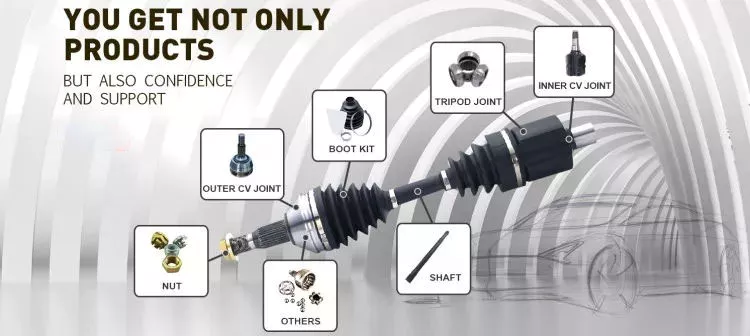
What factors should be considered when selecting the right PTO shaft for an application?
When selecting the right Power Take-Off (PTO) shaft for an application, several factors need to be considered to ensure optimal performance, safety, and compatibility. PTO shafts are crucial components that transmit power from a power source to driven machinery or equipment. Here are the key factors to consider when selecting the appropriate PTO shaft for an application:
1. Power Requirements: The power requirements of the driven machinery play a vital role in determining the appropriate PTO shaft. Consider the horsepower (HP) or kilowatt (kW) rating of the power source and ensure that the PTO shaft can handle the required power transmission. It is essential to match the power capacity of the PTO shaft with the power output of the power source to ensure efficient and reliable operation.
2. Speed and Torque Requirements: Consider the speed and torque requirements of the driven machinery. Determine the desired rotational speed and torque levels necessary for the equipment to operate effectively. Some applications require specific speed or torque ratios, while others may require variable speeds. Ensure that the selected PTO shaft can handle the required speed and torque range to provide the necessary power transfer.
3. Shaft Type and Design: Evaluate the type and design of the PTO shaft to ensure compatibility with the application. Consider factors such as the distance between the power source and the driven machinery, the need for angular misalignment, and the flexibility of movement required. Different shaft types, such as standard, telescopic, or Constant Velocity (CV) shafts, offer varying capabilities to accommodate different application requirements.
4. Safety Considerations: Safety is a critical factor when selecting a PTO shaft. Assess the safety features provided by the PTO shaft, such as protective guards, shear bolt mechanisms, or other safety devices. Protective guards should be in place to prevent accidental contact with the rotating shaft. Shear bolt mechanisms can protect the driveline components from damage in case of excessive torque or sudden resistance. Prioritize safety features that align with the specific hazards and risks associated with the application.
5. Application Specifics: Consider the unique requirements of the application. Factors such as the type of machinery, industry sector, environmental conditions, and operating conditions should be taken into account. For example, agricultural applications may require PTO shafts that can handle debris and dirt accumulation, while industrial applications may require PTO shafts with high corrosion resistance or special sealing to protect against contaminants.
6. Compatibility and Interchangeability: Ensure that the selected PTO shaft is compatible with the power source and the driven machinery. Consider factors such as the shaft diameter, spline size, and connection type. Check if the PTO shaft adheres to industry standards and if it can be easily interchanged with other compatible components in case of replacement or upgrading needs. Compatibility and interchangeability can simplify maintenance and reduce downtime.
7. Manufacturer and Quality: Choose a reputable manufacturer or supplier to ensure the quality and reliability of the PTO shaft. Look for manufacturers with a track record of producing high-quality PTO shafts that meet industry standards and regulations. Consider factors such as warranty, after-sales support, and availability of spare parts when making a selection.
By considering these factors, you can select the right PTO shaft that meets the power, speed, torque, safety, and application requirements. It is advisable to consult with experts, such as equipment manufacturers or PTO shaft specialists, to ensure an optimal match between the PTO shaft and the application.
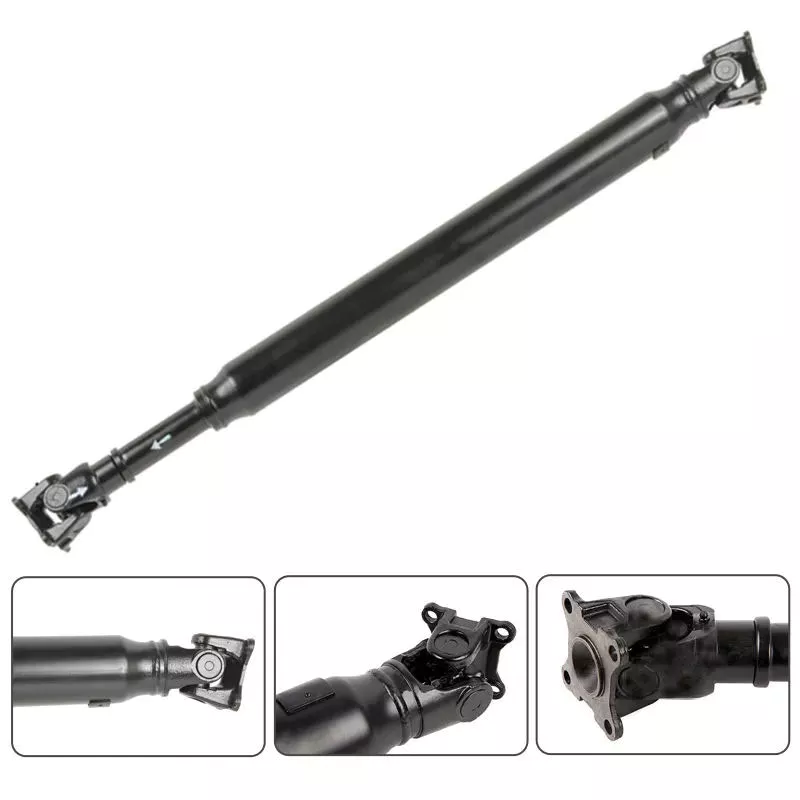
Are there any limitations or disadvantages associated with PTO shafts?
While PTO (Power Take-Off) shafts offer numerous advantages in terms of power transfer and versatility, they also have certain limitations and disadvantages. It’s important to consider these factors when using PTO shafts to ensure safe and efficient operation. Here’s a detailed explanation of some limitations and disadvantages associated with PTO shafts:
1. Safety Hazards: One of the primary concerns with PTO shafts is the potential for safety hazards. PTO shafts rotate at high speeds and can pose a significant risk if not properly guarded or handled. Accidental contact with an exposed or inadequately shielded PTO shaft can result in severe injuries, including entanglement, amputation, or even fatalities. It is crucial to follow safety guidelines, implement proper guarding, and ensure that operators are well-trained on safe handling practices to mitigate these risks.
2. Maintenance and Lubrication: PTO shafts require regular maintenance and lubrication to ensure optimal performance and longevity. The moving parts, such as universal joints and splines, need to be inspected, cleaned, and lubricated at recommended intervals. Neglecting maintenance can lead to premature wear, decreased efficiency, and potential failures. Proper maintenance practices, including regular inspections and timely lubrication, are essential to mitigate these issues.
3. Alignment and Angles: PTO shafts rely on proper alignment and angles to ensure efficient power transfer. Misalignment or excessive angles between the power source and driven machinery can cause increased wear and strain on the components, leading to premature failure. Ensuring proper alignment and angle adjustment, using adjustable sliding yokes or other means, is important to prevent excessive stress on the PTO shaft and associated equipment.
4. Length Limitations: PTO shafts have limitations on their maximum and minimum length due to engineering constraints. The telescoping design allows for some adjustment, but there is a practical limit to how much the shaft can extend or retract. If the distance between the power source and driven machinery exceeds the maximum or falls below the minimum length of the PTO shaft, alternative solutions or modifications may be required. In some cases, additional components such as drive shaft extensions or gearboxes may be necessary to bridge the distance.
5. Compatibility: While manufacturers strive to ensure compatibility, there can still be challenges in finding the right PTO shaft for specific equipment configurations. Equipment may have unique requirements in terms of spline sizes, torque ratings, or connection methods that may not be readily available or compatible with off-the-shelf PTO shafts. Customization may be required to address these compatibility issues, which can result in increased costs or lead times.
6. Noise and Vibrations: PTO shafts in operation can generate significant noise and vibrations, especially at higher speeds. This can be a nuisance for operators and may require additional measures to reduce noise levels or dampen vibrations. Excessive vibrations can also affect the overall performance and lifespan of the PTO shaft and connected equipment. Implementing vibration dampeners or using flexible couplings can help mitigate these issues.
7. Power Limits: PTO shafts have specific power limits based on their design, materials, and components. Exceeding these power limits can lead to premature wear, component failures, or even shaft breakage. It is crucial to understand and adhere to the recommended power ratings for PTO shafts to ensure safe and reliable operation. In some cases, upgrading to a higher-capacity PTO shaft or implementing additional power transmission components may be necessary to accommodate higher power requirements.
8. Complex Installation and Removal: Installing and removing PTO shafts can be a complex process, especially in confined spaces or when dealing with heavy equipment. It may require aligning splines, engaging couplings, and securing locking mechanisms. Improper installation or removal techniques can lead to damage to the shaft or associated equipment. Proper training, handling equipment, and following manufacturer guidelines are essential to simplify and ensure the safe installation and removal of PTO shafts.
Despite these limitations and disadvantages, PTO shafts remain widely used and valuable components for power transfer in various industries. By addressing these considerations and implementing proper safety measures, maintenance practices, and alignment procedures, the potential drawbacks of PTO shafts can be effectively mitigated, allowing for safe and efficient operation.
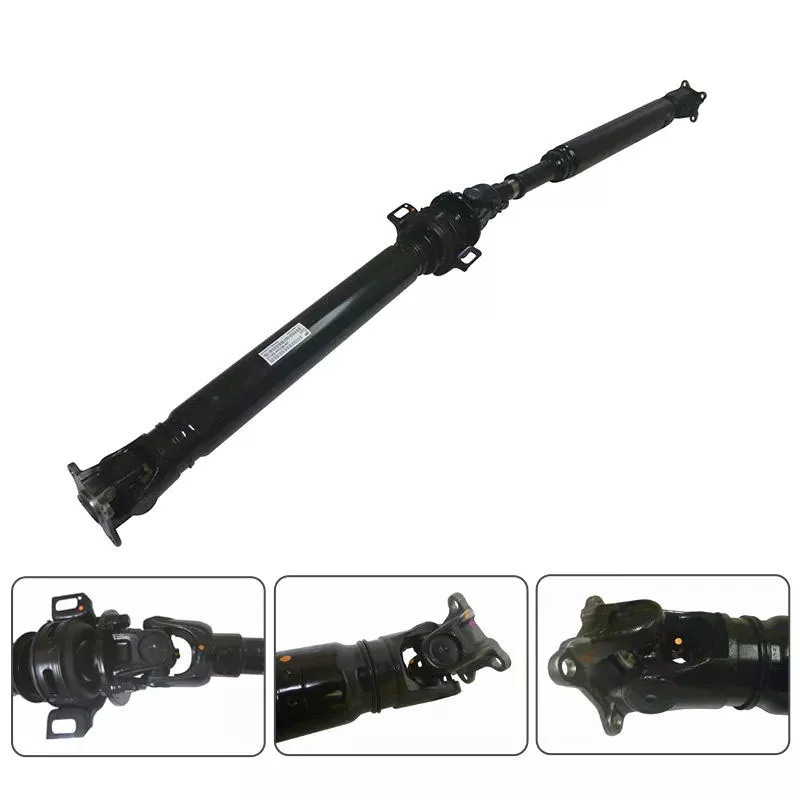
เพลา PTO มีประโยชน์อย่างไรบ้างสำหรับเครื่องจักรประเภทต่างๆ?
เพลา PTO (Power Take-Off shafts) มีข้อดีหลายประการสำหรับเครื่องจักรประเภทต่างๆ ในงานเกษตรกรรมและอุตสาหกรรม ช่วยให้การส่งกำลังมีความยืดหยุ่นและมีประสิทธิภาพ ทำให้เครื่องจักรสามารถทำงานและหน้าที่เฉพาะเจาะจงได้ ต่อไปนี้คือคำอธิบายโดยละเอียดเกี่ยวกับข้อดีของเพลา PTO สำหรับเครื่องจักรประเภทต่างๆ:
ความอเนกประสงค์: เพลา PTO ช่วยเพิ่มความอเนกประสงค์ของเครื่องจักรโดยทำให้สามารถใช้แหล่งพลังงานเดียวกัน เช่น รถแทรกเตอร์หรือเครื่องยนต์ ในการขับเคลื่อนอุปกรณ์หรือเครื่องจักรหลายอย่างได้ หมายความว่าสามารถใช้แหล่งพลังงานเดียวในการขับเคลื่อนอุปกรณ์หรือเครื่องจักรหลายชนิดได้โดยการเชื่อมต่อและถอดเพลา PTO ตัวอย่างเช่น ในภาคเกษตรกรรม รถแทรกเตอร์ที่ติดตั้งเพลา PTO สามารถขับเคลื่อนอุปกรณ์ต่างๆ เช่น เครื่องตัดหญ้า เครื่องอัดฟาง เครื่องไถพรวน เครื่องพ่นสารเคมี และเครื่องลำเลียงเมล็ดพืช ในทำนองเดียวกัน ในการใช้งานทางอุตสาหกรรม เพลา PTO ช่วยให้สามารถใช้เครื่องยนต์หรือมอเตอร์เพียงเครื่องเดียวในการขับเคลื่อนเครื่องจักรหรืออุปกรณ์ต่างๆ เช่น เครื่องกำเนิดไฟฟ้า ปั๊ม คอมเพรสเซอร์ และเครื่องผสมอุตสาหกรรม
ประสิทธิภาพ: เพลา PTO เป็นวิธีการส่งกำลังจากแหล่งพลังงานไปยังเครื่องจักรที่มีประสิทธิภาพ โดยการเชื่อมต่อแหล่งพลังงานเข้ากับเครื่องจักรโดยตรง เพลา PTO ช่วยลดการสูญเสียพลังงานที่อาจเกิดขึ้นกับวิธีการส่งกำลังแบบอื่น การส่งกำลังโดยตรงนี้ส่งผลให้ประสิทธิภาพและสมรรถนะโดยรวมของเครื่องจักรดีขึ้น นอกจากนี้ เพลา PTO ยังช่วยให้สามารถปรับความเร็วรอบและกำลังส่งออกให้ตรงกับความต้องการของเครื่องจักรเฉพาะ ทำให้มั่นใจได้ถึงการทำงานที่เหมาะสมที่สุดและลดการใช้พลังงานที่ไม่จำเป็น
การประหยัดต้นทุน: การใช้เพลา PTO สามารถช่วยประหยัดต้นทุนได้หลายวิธี ประการแรก การใช้แหล่งพลังงานเดียวในการขับเคลื่อนเครื่องจักรหรืออุปกรณ์หลายชิ้น ช่วยลดความจำเป็นในการใช้เครื่องยนต์หรือมอเตอร์แยกต่างหากสำหรับอุปกรณ์แต่ละชิ้น ซึ่งช่วยลดต้นทุนการลงทุน ประการที่สอง เพลา PTO ช่วยลดความจำเป็นในการใช้เชื้อเพลิงหรือแหล่งพลังงานเพิ่มเติม เนื่องจากสามารถดึงพลังงานจากแหล่งพลังงานที่มีอยู่แล้ว ทำให้ค่าใช้จ่ายด้านเชื้อเพลิงหรือพลังงานลดลง นอกจากนี้ ความอเนกประสงค์ของเพลา PTO ยังช่วยให้สามารถใช้งานอุปกรณ์ได้อย่างมีประสิทธิภาพมากขึ้น ส่งผลให้ผลตอบแทนจากการลงทุนสูงสุด
ความยืดหยุ่น: เพลา PTO ให้ความยืดหยุ่นในการติดตั้งและกำหนดค่าอุปกรณ์ สามารถปรับความยาวหรือติดตั้งส่วนยืดหดได้ ทำให้ปรับให้เข้ากับการจัดวางอุปกรณ์ที่แตกต่างกันและระยะห่างระหว่างแหล่งพลังงานและเครื่องจักรที่ขับเคลื่อนได้ง่าย ความยืดหยุ่นนี้ช่วยให้ผู้ใช้งานสามารถเชื่อมต่อและถอดเพลา PTO ได้อย่างรวดเร็วตามต้องการ ช่วยให้การเปลี่ยนอุปกรณ์มีประสิทธิภาพและลดเวลาหยุดทำงาน นอกจากนี้ ความสามารถในการปรับความเร็วรอบและกำลังส่งของเพลา PTO ยังเพิ่มความยืดหยุ่นยิ่งขึ้น รองรับความต้องการเฉพาะของเครื่องจักรและการใช้งานที่แตกต่างกัน
ใช้งานง่าย: เพลา PTO นั้นใช้งานค่อนข้างง่าย ทำให้ผู้ปฏิบัติงานที่มีการฝึกอบรมน้อยก็สามารถใช้งานได้ กระบวนการเชื่อมต่อและถอดเพลา PTO นั้นตรงไปตรงมา โดยส่วนใหญ่มักใช้กลไกการเชื่อมต่อหรือการล็อคแบบง่ายๆ ความง่ายในการใช้งานนี้ช่วยเพิ่มประสิทธิภาพการทำงานของอุปกรณ์ ทำให้ผู้ปฏิบัติงานสามารถสลับระหว่างอุปกรณ์หรือเครื่องจักรต่างๆ ได้อย่างรวดเร็วโดยไม่ต้องใช้ความพยายามหรือขั้นตอนที่ยุ่งยาก นอกจากนี้ การส่งกำลังโดยตรงผ่านเพลา PTO ยังช่วยลดความซับซ้อนในการทำงานของเครื่องจักร เนื่องจากเครื่องจักรสามารถใช้พลังงานจากแหล่งพลังงานที่มีอยู่แล้วได้โดยไม่จำเป็นต้องมีระบบควบคุมหรือระบบจัดการพลังงานเพิ่มเติม
เพิ่มประสิทธิภาพการทำงาน: เพลา PTO ช่วยเพิ่มผลผลิตในภาคเกษตรกรรมและอุตสาหกรรม ด้วยการทำให้สามารถใช้เครื่องจักรที่มีการกำหนดค่าที่หลากหลาย ผู้ปฏิบัติงานสามารถทำงานได้หลากหลายโดยใช้แหล่งพลังงานเพียงแหล่งเดียว ซึ่งช่วยลดความจำเป็นในการใช้แรงงานคนหรือเครื่องจักรหลายเครื่อง ทำให้ขั้นตอนการทำงานคล่องตัวขึ้นและลดเวลาที่ใช้ในการทำงานต่างๆ ประสิทธิภาพและความน่าเชื่อถือของการส่งกำลังผ่านเพลา PTO ยังช่วยเพิ่มผลผลิตโดยการรับประกันการทำงานของเครื่องจักรที่สม่ำเสมอและมีประสิทธิภาพ ส่งผลให้ผลผลิตเพิ่มขึ้นและลดเวลาหยุดทำงาน
ความปลอดภัย: แม้ว่าจะไม่เกี่ยวข้องโดยตรงกับประสิทธิภาพของเครื่องจักร แต่เพลา PTO ก็มีประโยชน์ด้านความปลอดภัยเช่นกัน การติดตั้งแผ่นป้องกันหรือตัวครอบบนเพลา PTO ช่วยป้องกันการสัมผัสโดยไม่ตั้งใจกับเพลาหมุน ลดความเสี่ยงต่อการบาดเจ็บของผู้ปฏิบัติงาน คุณสมบัติความปลอดภัยเหล่านี้ได้รับการออกแบบมาเพื่อครอบคลุมเพลาหมุนและข้อต่ออเนกประสงค์ เพื่อให้แน่ใจว่าผู้ปฏิบัติงานจะไม่สัมผัสกับชิ้นส่วนเหล่านั้นในระหว่างการทำงาน การฝึกอบรมที่เหมาะสมเกี่ยวกับการใช้งานเพลา PTO และการปฏิบัติตามแนวทางด้านความปลอดภัยจะช่วยเพิ่มความปลอดภัยของผู้ปฏิบัติงานเมื่อทำงานกับเครื่องจักรที่ขับเคลื่อนด้วย PTO
โดยสรุปแล้ว เพลา PTO มีข้อดีมากมายสำหรับเครื่องจักรประเภทต่างๆ ข้อดีเหล่านี้ได้แก่ ความอเนกประสงค์ที่เพิ่มขึ้น ประสิทธิภาพที่ดีขึ้น การประหยัดต้นทุน ความยืดหยุ่นในการกำหนดค่าอุปกรณ์ ความง่ายในการใช้งาน ผลผลิตที่เพิ่มขึ้น และความปลอดภัยของผู้ปฏิบัติงานที่ดียิ่งขึ้น เพลา PTO มีบทบาทสำคัญในงานเกษตรกรรมและอุตสาหกรรม โดยช่วยให้สามารถถ่ายโอนกำลังโดยตรงจากแหล่งพลังงานทั่วไปไปยังเครื่องจักรหรืออุปกรณ์ต่างๆ ส่งผลให้ประสิทธิภาพและประสิทธิผลในการใช้งานดีขึ้น


editor by CX 2024-02-11