ஆஸ்திரேலிய பூம் ஸ்ப்ரேயர் PTO ஷாஃப்ட் பவர்டிரெய்ன் கள வழிகாட்டி
Engineered Anti-Corrosion and High-Torque Transmission Solutions for Broadacre Farming
⚙️
Powertrain Selection Guide & Core Analytics
- Operational Environment: Boom sprayer operations expose drivetrains to highly concentrated chemical splash and severe chassis articulation. Our tractor PTO shafts utilize a proprietary 4-layer KTL anti-corrosion coating (passing 500-hour neutral salt spray tests).
- Dynamic Load Tolerance: Rated for consistent 540 RPM and 1000 RPM operation, maintaining peak torque transfer between 850 Nm and 1200 Nm to ensure zero-fluctuation suction in high-displacement diaphragm pumps.
- Articulation Capacity: Integrated 80-degree Constant Velocity (CV) joint architecture allows tractors to execute sharp headland turns without disengaging the power output, preventing chemical settle in the lines.
- Safety Certification: Equipped with CE and AS/NZS compliant anti-UV high-density shields, completely isolating operators from components rotating at lethal velocities.
- Interface Standards: Precision-machined 1-3/8″ 6-spline and 21-spline yokes ensure seamless blind-mating with all tier-one high-clearance agricultural tractors.
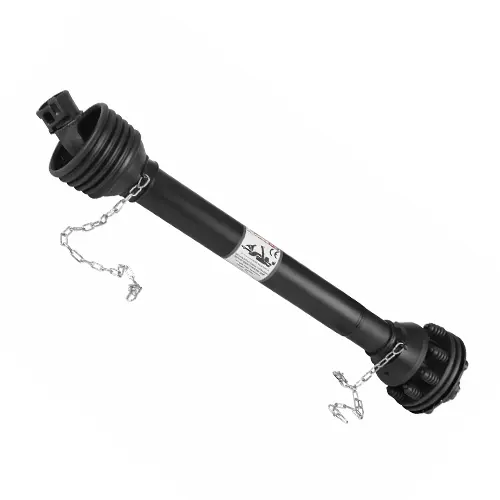
Mechanical Engineering Analysis of Boom Sprayer Power Transmission
In contemporary broadacre farming—particularly across vast wheat and canola operations—the trailed boom sprayer acts as the primary defense against crop degradation. The PTO டிரைவ் ஷாஃப்ட் functions as the critical “mechanical artery” in this system. It bridges the Tractor Power Take-Off stub to the implement’s heart: the high-pressure diaphragm or centrifugal pump.
As the prime mover generates torque, energy transfers through the forged splined yoke, across the cross and bearing kit (U-joint), and down the telescoping profile tubes to the trailing implement. Chemical application demands absolute rotational stability. A boom sprayer requires the pump to maintain an exact RPM to guarantee consistent nozzle pressure and precise droplet micron sizes (typically 200-400 microns). Any harmonic vibration or rotational shutter caused by poor driveline balancing will amplify through the rigid sprayer chassis, inducing a “whip effect” across a 36-meter or 48-meter boom. This results in disastrously uneven chemical application. Therefore, our G6.3 ISO 1940 dynamic balancing and low-friction telescoping tube technologies represent the absolute baseline for commercial yield protection.
Australian Federal Agricultural Machinery Safety & Compliance Directives
Within the Commonwealth of Australia, agricultural machinery safety is governed by rigorous statutory frameworks. According to Safe Work Australia’s Code of Practice for Managing Risks of Plant in the Workplace, and specifically aligned with the AS 1121.1-2007 Standard (Agricultural tractor power take-off (PTO) drive shafts and their guards), all exposed rotational powertrain elements must feature uncompromised mechanical shielding.
Critical Local Compliance Mandates:
- Stationary Guarding Requirement: The protective master shield must operate entirely independently of the internal drive steel. While the shaft transmits power at 1000 RPM, the outer guard must remain absolutely stationary, anchored by heavy-duty anti-rotation retaining chains.
- Extreme UV Degradation Resistance: The ultraviolet index across Western Australia and Queensland degrades standard plastics within months. Our proprietary master shields are injection-molded from modified High-Density Polyethylene (HDPE) infused with industrial UV inhibitors, engineered to resist embrittlement under the Australian sun for an extended operational lifecycle.
- Overload Interruption Protocols: Due to the risk of foreign debris causing instantaneous diaphragm pump lock-up, engineering standards dictate the integration of friction slip clutches or shear bolt torque limiters. These devices instantly sever the mechanical link during a spike, preventing catastrophic reverse-torque from shattering the tractor’s internal gearbox.
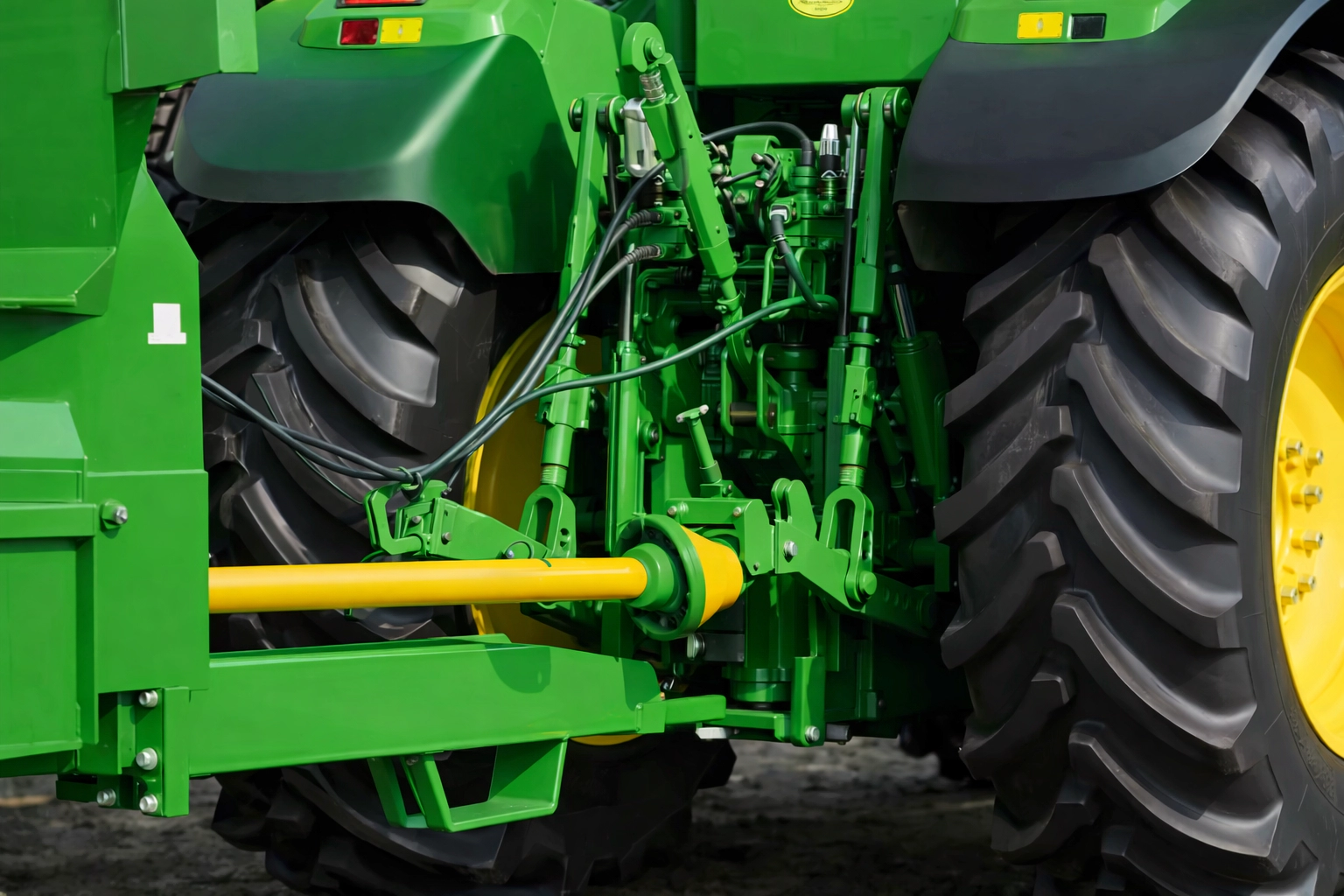
Boom Sprayer PTO Shaft Engineering Specifications Matrix
The following matrix details 28 distinct engineering parameters for our heavy-duty anti-corrosion series, calibrated specifically for high-frequency, massive-payload agrochemical spraying operations across diverse B2B applications:
| Category | Engineering Parameter | Calibration / Range | Functional Significance |
|---|---|---|---|
| Geometry & Interface | Tractor Spline Interface | 1-3/8″ 6-Spline / 1-3/8″ 21-Spline | Matches 540/1000 RPM standard outputs |
| இணைப்பைச் செயல்படுத்தவும் | 1-3/8″ 6-Spline with Friction Clutch | Shields fluid pump from instantaneous hydrostatic shock | |
| Compressed Length (Lz) | 810 mm – 1210 mm (Customizable) | Accommodates varying drawbar lengths on trailed sprayers | |
| Maximum Extended Length | 1450 mm – 1850 mm | Maintains minimum 1/3 tube overlap during cornering | |
| Cross & Bearing Size | 30.2 x 92 mm / 34.9 x 106 mm | Defines the ultimate torque transmission capacity limit | |
| Telescoping Profile | Lemon Profile / Triangular Tube | Maximizes contact area to prevent torsional buckling | |
| Tube Wall Thickness | 4.5 mm – 5.5 mm | Critical resistance against torsional deformation | |
| Constant Velocity (CV) Yoke | Single-sided 80° (Tractor End) | Permits extreme radius turning without power interruption | |
| Dynamics & Metallurgy | Rated Power (540 RPM) | 35 HP – 80 HP (26 kW – 60 kW) | Perfectly aligns with high-flow diaphragm pump draw |
| Rated Power (1000 RPM) | 55 HP – 120 HP (41 kW – 90 kW) | Increased kinetic efficiency at elevated rotational speeds | |
| Max Dynamic Torque | 1050 Nm – 1450 Nm | Absorbs transient hydraulic blockages | |
| U-Joint Metallurgy | 20CrMnTi Alloy Steel | Carburized and quenched for maximum core toughness | |
| Yoke Manufacturing Process | Closed Die Forging | Eliminates internal stress fractures and casting porosity | |
| Surface Anti-Corrosion | KTL Electrophoretic Paint + Acid Resistant Seal | Blocks aggressive sulfur/nitrogen based liquid fertilizers | |
| Dynamic Balance Grade | G6.3 per ISO 1940 | Eradicates rotational vibration, extending pump seal life | |
| Safety & Ancillary | Shield Material | Modified HDPE + UV Absorbers | Exceptional weatherability, shatter-proof under impact |
| Retaining Chain Tensile Strength | > 400 N | Secures master shield during maximum RPM operation | |
| Lubrication Requirement | Lithium Complex EP2 Grease | High water washout resistance, extreme pressure adhesion | |
| Zerk Fitting Position | Cross End-Face & Outer Tube Shield | Facilitates rapid maintenance without dismantling guards | |
| Friction Disc Material (Clutch) | Non-Asbestos Copper-Wire Composite | Environmentally compliant, highly stable friction coefficient | |
| Clutch Reset Mechanism | Belleville Spring Auto-Reset | Eliminates downtime associated with replacing shear bolts | |
| பூட்டுதல் பொறிமுறை | Quick Release Push Pin | Allows single-operator tool-less coupling in seconds | |
| Ambient Operating Temp | -20°C to +65°C | Engineered for severe frost to extreme outback heat | |
| Testing & Compliance | Torsional Fatigue Life | > 100,000 Cycle Load Reversals | Baseline reliability metric for full lifecycle operation |
| Salt Spray Validation | 500 Hours Neutral Salt Spray (NSS) | Guarantees zero red rust formation in agrochemical zones | |
| Australian Standard | Compliant with AS 1121.1-2007 | Legal foundation for Australian market deployment | |
| CE Machinery Directive | 2006/42/EC | Global unified mechanical safety benchmark | |
| Traceability Index | Laser Etched Batch & QR Matrix | Enables cloud-based lifecycle tracking and parts matching |
Global OEM Compatibility & Reverse Engineering Protocols
Our powertrain systems are the result of meticulous reverse-engineering and strict tolerance optimization, establishing them as the premier drop-in replacement for high-cost OEM components. Geometrically, the driveshafts detailed in this technical matrix perfectly substitute the world’s leading agricultural driveline architectures.
Compliance & Compatibility Disclaimer: Our PTO drive shaft systems are precision-engineered as a perfect functional replacement for OEM components found on machinery utilizing Comer™ and GKN Walterscheid™ drivelines. (Note: All manufacturer names, trademarks, and part numbers are strictly for reference purposes and model matching guidance only. EVER-POWER is an independent manufacturer and has no affiliation or endorsement from these respective brands.)
The Critical Disadvantage of Substandard Shafts: Low-cost aftermarket alternatives frequently utilize cast iron yokes, which inevitably suffer brittle fracture under the high-frequency fluid pulsation of a boom sprayer pump. EVER-POWER rigidly enforces the use of Forged Steel Yokes. Furthermore, inferior plastic shields embrittle and crack within 60 days of exposure to the Australian sun, whereas our UV-stabilized shields have been validated in the South Australian outback, assuring a drastically extended operational lifespan.
Driveline Parameter Sizing Decision Matrix
To guarantee precision procurement, strictly follow this sizing matrix. Incorrect selection—particularly regarding overall compressed length—will result in either tube separation during turns or catastrophic “bottoming out”, which physically crushes the tractor’s rear differential housing.
| Decision Phase | Measurement & Validation Criteria | Engineering Recommendation |
|---|---|---|
| Phase 1: Power Interface | Verify Tractor PTO RPM output (540 or 1000 RPM) and spline count. | Standard medium-duty sprayers operate at 540 RPM utilizing a 6-spline 1-3/8″ yoke. Massive broadacre rigs may necessitate 21-spline configurations. |
| Phase 2: Exact Length (Lz) | Hitch the sprayer. Measure from the tractor stub groove to the pump stub groove, then subtract 100mm for clearance. | Always err on the side of length (tubes can be cut on-site). Ensure the minimum overlap in the fully extended position is ≥ 1/3 of total tube length. |
| Phase 3: Overload Protection | Assess the probability of sudden pump blockage (e.g., solid particulate ingestion). | Highly recommend outfitting the implement end with a **Friction Slip Clutch**. Unlike a shear pin, it auto-resets without halting field operations. |
| Phase 4: Articulation Arc | Calculate if the angle between the tractor and sprayer drawbar will exceed 35 degrees during headland turning. | Trailed boom sprayers universally require a **Wide Angle (CV) Joint** on the tractor end to maintain constant velocity and prevent vibration. |

Rigorous Installation Protocol for Sprayer Drivelines
- Isolation & Lockout: Kill the tractor engine, remove the ignition key, and physically disengage the PTO lever into the neutral position before approaching the implement.
- Profile Trimming & Sizing: Separate the driveshaft into its two halves. Connect one to the tractor, the other to the pump. Articulate the sprayer to the absolute shortest geometric distance. Hold the two halves parallel. If they bottom out, mark the overlap. Using a hacksaw, cut *exactly equal* amounts off the inner steel tube, outer steel tube, and both plastic guard tubes.
- Deburring & Lubrication: Utilize a half-round file to meticulously remove all metal burrs from the cut ends. A single burr will score the internal profile. Apply a liberal coating of EP2 Lithium grease across the entire sliding surface.
- Implement Interface Anchoring: Mount the heavier end (housing the clutch or shear bolt) onto the sprayer’s pump input shaft. Depress the quick-release pin, slide forward, and listen for the distinct audible “click” indicating the pin is seated in the spline groove.
- Prime Mover Connection: Attach the standard or CV yoke end to the tractor’s output shaft, verifying the locking mechanism.
- Dynamic Chain Anchoring: Secure the anti-rotation chains to the tractor chassis and implement frame. Critical Note: Do not pull the chains tight. Leave sufficient slack to allow for articulation during uneven terrain travel; tight chains will instantly tear the plastic shield off the bearing rings.
Engineer’s Field Notes: Australian Terrain Adaptations
No CAD simulation can replicate the brutal reality of dust, heat, and torque. Below are direct factory case extracts from our field engineering teams across the Australian continent:
[Moree, New South Wales] Shield Meltdown Under Extreme Thermal Load
Client Pain Point: A 2000-hectare cotton farm reported that during the peak 50°C summer soil temperatures, standard PTO plastic shields from a competitor softened and wrapped into the U-joint, causing severe downtime.
EVER-POWER Engineering Solution: “Based on this specific 10-year factory case concerning extreme ambient heat, we deployed our modified high-density nylon formulation shields and increased the bearing ring thermal clearance. The client logged 12 continuous hours without a single thermal deformation. The farm manager noted, ‘It’s the only driveline we trust when the outback turns into an oven.'”
[Mildura, Victoria] Vineyard Articulation Vibration
Client Pain Point: While making 90-degree turns at the end of tight vineyard rows, trailed air-blast sprayers experienced violent pump shudder due to the non-constant velocity of standard U-joints, tearing pump mountings from the chassis.
EVER-POWER Engineering Solution: “We retrofitted their fleet with our 80° Constant Velocity (CV) Joints. The double-yoke centering-disk architecture nullified angular velocity fluctuations. Post-installation, pump RPM remained perfectly stable regardless of articulation angle.”
[Perth Outskirts, Western Australia] Broadacre Inertia Twisting
Client Pain Point: A massive multi-stage diaphragm pump powering a 48-meter boom generated so much startup inertia that standard lemon-profile tubes twisted like pretzels upon clutch engagement.
EVER-POWER Engineering Solution: “Upgraded the entire assembly to our heavy-duty Star Profile tubing with a 5.5mm wall thickness, integrated with a finely-tuned friction slip clutch calibrated precisely to 1200 Nm to absorb the startup spike. Zero torsional failures across three spraying seasons.”
[Bundaberg, Queensland] Aggressive Chemical Corrosion
Client Pain Point: Sugarcane operations utilizing highly acidic foliar fertilizers saw standard PTO telescoping tubes rust permanently shut within 30 days, causing the shaft to punch through the tractor gearbox housing on the first deep rut.
EVER-POWER Engineering Solution: “Implemented our KTL electrophoretic black paint combined with an advanced polymer internal tube coating. The barrier physically isolated the steel from the corrosive nitrates, extending telescoping life by over 400%.”
[Adelaide, South Australia] Legacy Fleet Compliance Overhaul
Client Pain Point: An operation faced massive safety fines because their imported Italian sprayers featured exposed drivelines failing the modern AS 1121.1 standard, and OEM replacement guards were obsolete.
EVER-POWER Engineering Solution: “Our engineering squad mapped the legacy splines and provided fully enclosed, drop-in replacement shafts featuring full safety cones and retention chains. The farm passed the SafeWork audit immediately, avoiding shutdown.”

Driveline Diagnostic & Corrective Action Matrix
Mechanical failures follow strict physical laws. Operators must master this core diagnostic logic to minimize field downtime:
| Failure Mode | Root Cause Analysis | Standardized Corrective Action |
|---|---|---|
| Violent Vibration / Knocking | Shattered needle bearings in the cross; yokes assembled out-of-phase (not on the same plane); operating angle exceeds standard U-joint limits. | Halt operation. Verify yoke phase alignment marks. Inspect and replace the cross/bearing kit. Upgrade to CV joints if extreme angles are unavoidable. |
| Clutch Smoke / Extreme Heat | Pump blockage causing continuous clutch slippage; Belleville spring tension degraded due to age or rust. | Clear pump obstruction. Compress clutch springs to spec using torque wrench. Replace friction discs if worn past the indicator line. |
| Telescoping Tubes Seized | Lack of grease inducing metal cold-welding; torque spike caused plastic deformation (twisting) of the profile; dried chemical buildup. | Do not use brute force. Soak in penetrating fluid. If profile is visibly twisted, it is structurally compromised and requires full shaft replacement. |
| Master Shield Spinning | Internal nylon bearing rings worn out; anti-rotation chains snapped or improperly secured. | LETHAL HAZARD. Stop immediately. Replace nylon bearing rings, apply grease to the collar, and install high-tensile retaining chains. |
Engineering & Procurement FAQ
- 1. Should my boom sprayer utilize 540 RPM or 1000 RPM powertrains?
- This is dictated exclusively by your diaphragm pump’s rated input. Medium rigs run 540 RPM (6-spline), while massive trailed rigs utilize 1000 RPM (21-spline) for higher efficiency. Mixing them will instantly blow the pump seals.
- 2. Does the orientation of the inner and outer tubes matter?
- Yes. The heavier end containing the clutch or limiter must be mounted to the implement (pump). Additionally, follow the “Tractor” decal to ensure the outer shield overlaps correctly, preventing rain from pooling inside the tubes.
- 3. How can I definitively tell when a U-joint requires replacement?
- Grasp both yokes and attempt radial twisting. Any perceptible play (backlash), or the presence of rusty powder around the grease seals, indicates pulverized needle bearings. Replace immediately.
- 4. When is a Constant Velocity (CV) shaft absolutely mandatory?
- If your headland turns force the tractor-to-sprayer angle beyond 35 degrees, and you cannot shut off the PTO during the turn. CV joints handle up to 80 degrees smoothly.
- 5. How do I calibrate the correct length for safety chains?
- Chains must have enough slack to accommodate full drawbar extension on uneven ground and tight corners. Taut chains will snap the plastic guard ring off the yoke.
- 6. Can field technicians safely cut factory-supplied standard shafts?
- Yes, most units are shipped long. You must cut exactly equal lengths from the inner profile, outer profile, and both protective shields, followed by rigorous deburring.
- 7. What pre-season maintenance is required for friction clutches?
- Friction plates rust to the metal drive plates during winter storage. Before the season, loosen the tension nuts, slip the clutch manually for two rotations to break the rust, then retorque to factory spec.
- 8. Does your factory provide bespoke anti-corrosion coatings?
- For extreme liquid fertilizer (high sulfur/nitrogen) applications, we engineer stainless-steel inner profiles and Teflon-based protective coatings to guarantee longevity.
- 9. Is this equipment legally compliant for Australian operations?
- 100% compliant. Our shielding designs have been independently audited against the AS 1121.1 standard, featuring proper safety decals and CE certification.
- 10. How do I guarantee the tubing profile is strong enough?
- Base your sizing on the implement’s power absorption, not just tractor horsepower. For systems demanding over 80 HP, we mandate our heavy-wall Star Profile to drastically raise the torsional modulus.
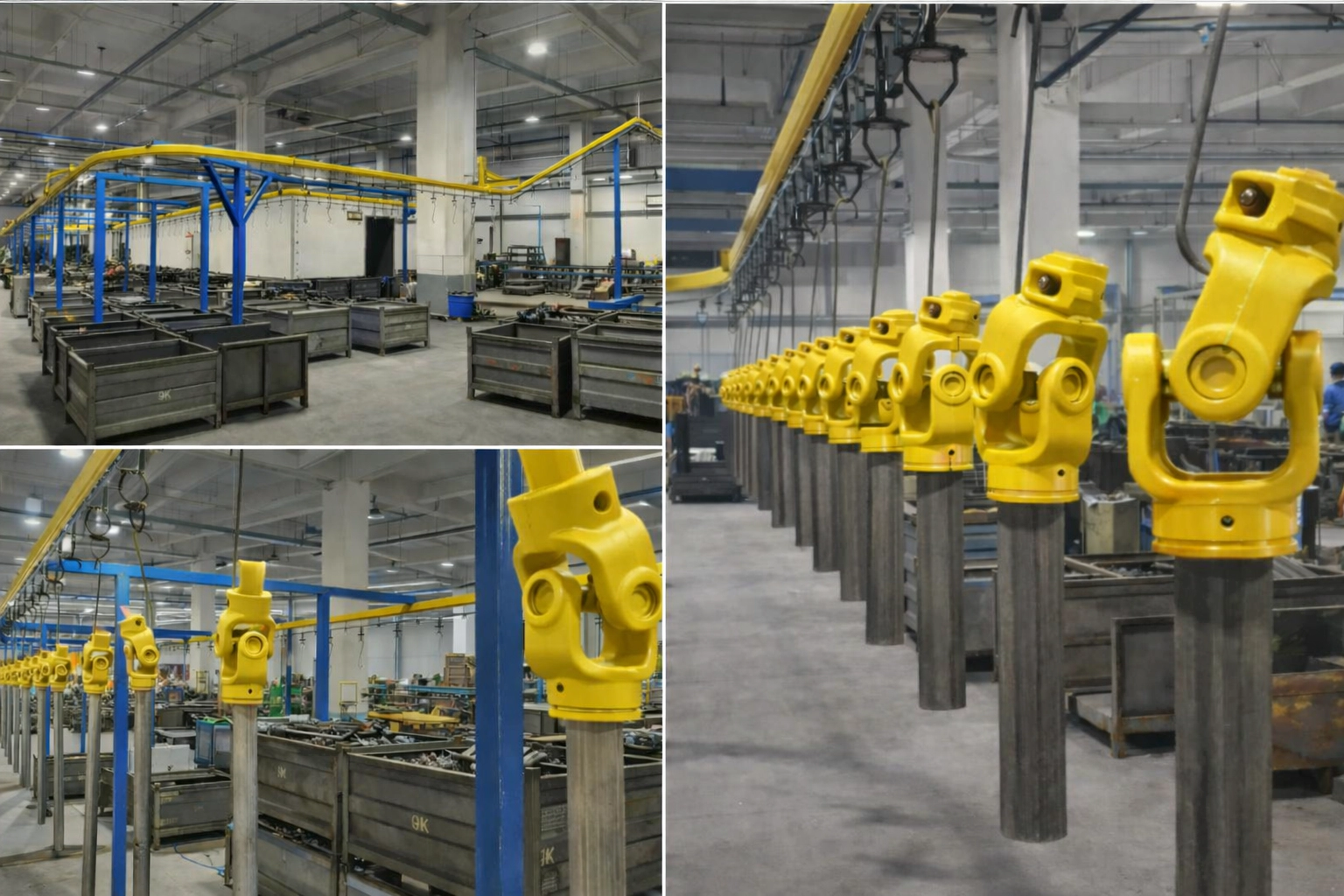
Comprehensive Powertrain Integration: Gearboxes & Hardware
A high-caliber PTO shaft requires an equally robust endpoint. As a primary manufacturer, EVER-POWER engineers and fabricates the specialized gearboxes and drivetrain peripherals required to distribute power within heavy agricultural machinery.
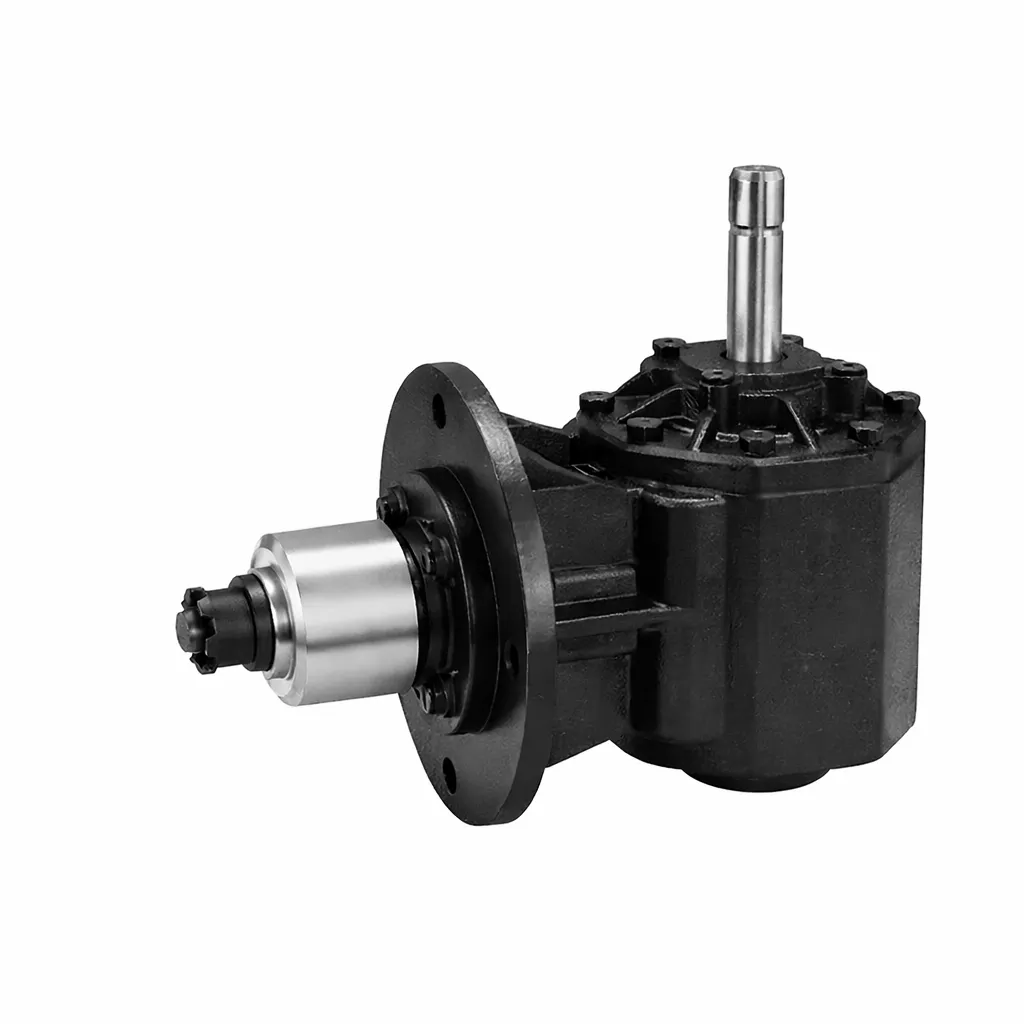
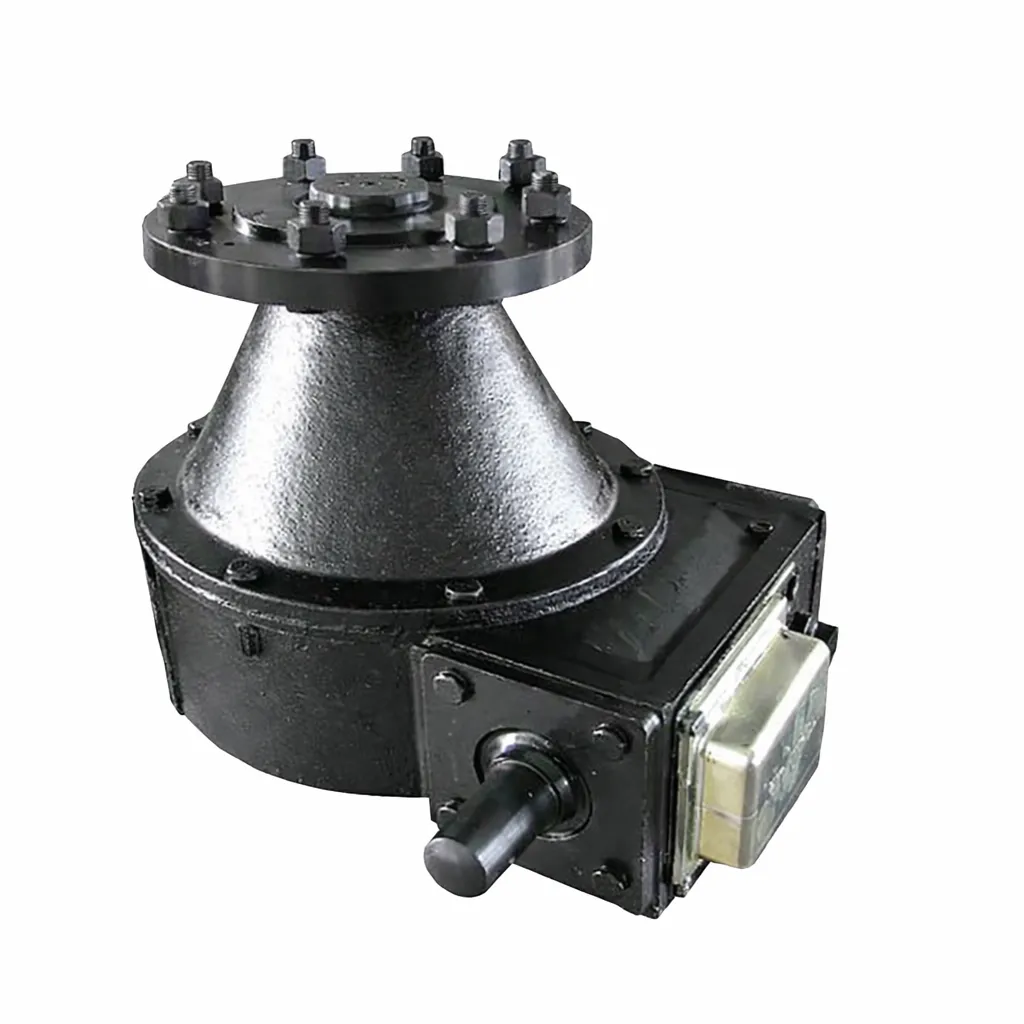
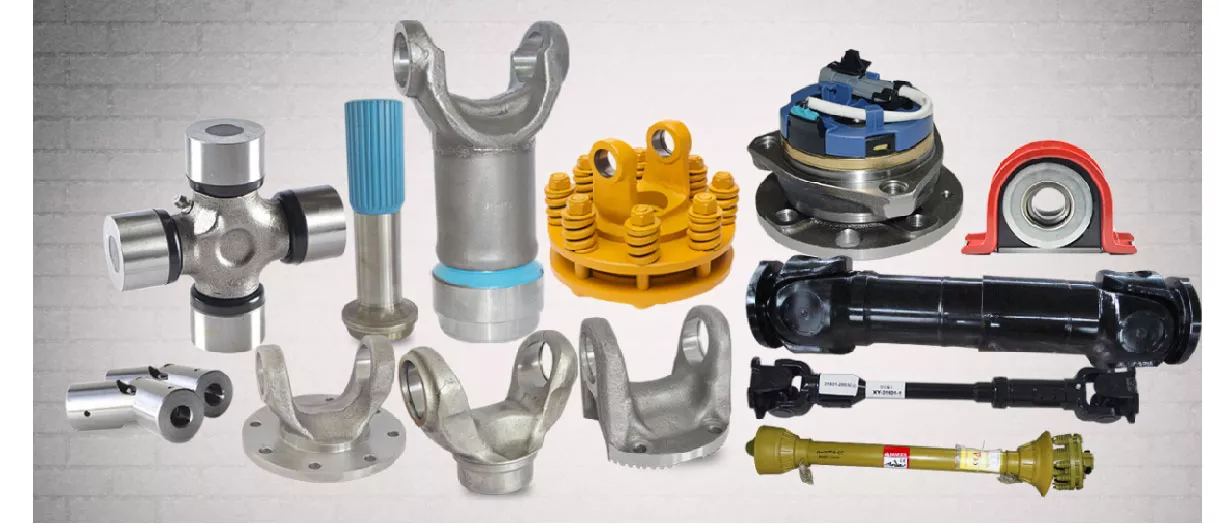
Beyond standard interfaces, our 10,000-square-meter CNC facility executes pure custom manufacturing. From converting technical drawings into physical steel, to engineering non-standard splines and unique alloy treatments, we deliver the engineering muscle to resolve the harshest powertrain bottlenecks.
Direct Factory Engineering to Conquer Extreme Ag-Conditions
We understand the catastrophic financial impact of tractor downtime. Whether you require bulk standard driveshafts or highly customized, non-standard engineering born from proprietary CAD drawings, the EVER-POWER technical unit is operational 24/7. Achieve up to 95% kinetic efficiency with our rugged powertrain architectures.