
Produktbeskrivning
Harvester Farm Harrow Tractor Pto Drive Shaft and Power Tiller Cardan Shaft for Agricultural Machinery Spare Parts
Produktbeskrivning
En kraftuttagsaxel (PTO-axel) är en mekanisk anordning som används för att överföra kraft från en traktor eller annan kraftkälla till ett anslutet redskap, såsom en gräsklippare, jordfräs eller balpress. Kraftuttagsaxeln, som vanligtvis är placerad bak på traktorn, drivs av traktorns motor genom transmissionen.
Kraftuttagsaxelns primära syfte är att förse redskapet med en roterande kraftkälla, så att det kan utföra sin avsedda funktion. För att ansluta redskapet till kraftuttagsaxeln används en universalkoppling, som möjliggör rörelse mellan traktorn och redskapet samtidigt som en jämn kraftöverföring bibehålls.
Här är våra fördelar jämfört med liknande produkter från Kina:
1. Smidda ok gör kraftuttagsaxlar tillräckligt starka för användning och arbete;
2. Interna storlekar standard för att bekräfta installationen smidig;
3. CE- och ISO-certifikat för att garantera kvaliteten på våra varor;
4. Starkt och professionellt paket för att bekräfta den goda situationen när du tar emot varorna.
Produktspecifikationer
Förpackning och frakt
Företagsprofil
HangZhou Hanon Technology Co., Ltd är ett modernt företag som specialiserar sig på utveckling, produktion, försäljning och service av jordbruksdelar som kraftuttagsaxlar och växellådor samt hydrauliska delar som cylindrar, ventiler, kugghjulspumpar och motorer etc.
Vi följer principen "Hög kvalitet, kundnöjdhet" och använder avancerad teknik och utrustning för att säkerställa alla tekniska standarder för överföring. Vi följer principen att människan prioriteras och gör vårt bästa för att skapa en trevlig miljö och prestationsplattform för varje anställd. Så att alla kan vara medvetet aktiva och gå med i Hanon Machinery.
Vanliga frågor
1.What’re your main products?
we currently product Agricultural Parts like PTO shaft and Gearboxes and Hydraulic parts like Cylinder , Valve ,Gear pump and motor.You can check the specifications for above product on our website and you can email us to recommend needed product per your specification too.
2.What’s the lead time for a regular order?
Generally speaking, our regular standard product will need 30-45days, a bit longer for customized products. But we are very flexible on the lead time, it will depend on the specific orders.
3.What’s your warranty terms?
One year.
4.Can you send me a price list?
For all of our product, they are customized based on different requirements like length, ratio,voltage,and power etc. The price also varies according to annual quantity. So it’s really difficult for us to provide a price list. If you can share your detailed requirements and annual quantity, we’ll see what offer we can provide.
5.What’s the payment term?
När vi offererar för dig kommer vi att bekräfta transaktionssättet med dig, FOB, CIF etc.<br> För massproduktionsvaror måste du betala en deposition på 30% innan du producerar och en resterande summa på 70% mot kopia av dokument. Det vanligaste sättet är via T/T.
6.How to deliver the goods to us?
Vanligtvis skickar vi varorna till dig sjövägen.
/* 22 januari 2571 19:08:37 */!function(){function s(e,r){var a,o={};try{e&&e.split(“,”).forEach(function(e,t){e&&(a=e.match(/(.*?):(.*)$/)))
| Typ: | Agricultural Spare Part |
|---|---|
| Användande: | Agricultural Products Processing, Farmland Infrastructure, Tillage, Harvester, Planting and Fertilization, Grain Threshing, Cleaning and Drying, Agricultural Machinery,Farm Tractor |
| Material: | 45cr stål |
| Prover: |
US$ 20/Styck
1 styck (minsta beställning) | Beställ prov |
|---|
| Anpassning: |
Tillgänglig
| Anpassad förfrågan |
|---|
.shipping-cost-tm .tm-status-off{bakgrund: ingen;fyllning: 0;färg: #1470cc}
|
Fraktkostnad:
Beräknad frakt per enhet. |
om fraktkostnad och beräknad leveranstid. |
|---|
| Betalningsmetod: |
|
|---|---|
|
Första betalningen Full betalning |
| Valuta: | US$ |
|---|
| Retur och återbetalning: | Du kan ansöka om återbetalning upp till 30 dagar efter att du mottagit produkterna. |
|---|
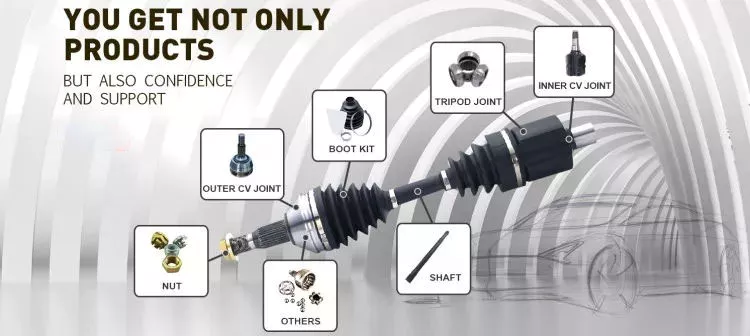
What maintenance practices are essential for prolonging the lifespan of PTO drive shafts?
To prolong the lifespan and ensure the optimal performance of PTO (Power Take-Off) drive shafts, regular maintenance practices are essential. By following these maintenance practices, operators can prevent premature wear, identify potential issues early on, and maximize the longevity of the drive shaft. Here are some key maintenance practices to consider:
1. Lubrication:
Proper lubrication is crucial for the smooth operation and longevity of PTO drive shafts. Regularly lubricate the drive shaft’s universal joints, splines, and other moving parts as per the manufacturer’s recommendations. Choose a high-quality lubricant suitable for the specific application and environmental conditions. Lubrication helps reduce friction, prevent excessive wear, and protect against corrosion.
2. Inspection:
Regular visual inspections are important for identifying any signs of wear, damage, or misalignment in the PTO drive shaft. Inspect the drive shaft and its components for cracks, dents, loose bolts, or signs of excessive wear. Pay attention to the universal joints, splines, shielding, and safety features. If any issues are detected, take prompt action to rectify them to prevent further damage and ensure safe operation.
3. Torque Checks:
Periodically check the torque on fasteners, such as bolts and nuts, that secure the PTO drive shaft and its components. Vibrations and normal operation can cause these fasteners to loosen over time, potentially leading to misalignment or damage. Use a torque wrench to ensure that the fasteners are properly tightened according to the manufacturer’s specifications. Regular torque checks help maintain the integrity and stability of the drive shaft assembly.
4. Alignment:
Maintaining proper alignment between the PTO drive shaft, the primary power source, and the implement is essential for efficient power transfer and preventing excessive wear. Check the alignment of the drive shaft regularly, ensuring that it is straight and properly seated in its connections. Misalignment can cause vibration, increased stress, and premature failure. Make adjustments as necessary to achieve proper alignment.
5. Shear Pin or Torque Limiter Replacement:
If the PTO drive shaft is equipped with a shear pin or torque limiter as a safety feature, it is important to replace these components when they have been activated or damaged. Shear pins are sacrificial components that break under excessive torque, protecting the drive shaft and connected equipment. Replace the shear pin or torque limiter with the correct type and specifications recommended by the manufacturer to ensure continued safety and proper function.
6. Shielding and Guarding:
Inspect the shielding and guarding of the PTO drive shaft regularly to ensure they are intact and in good condition. These protective covers are designed to prevent contact with moving parts and reduce the risk of entanglement or injury. Replace any damaged or missing shielding promptly to maintain operator safety and prevent debris from entering the drive shaft assembly.
7. Environmental Protection:
Consider the environmental conditions in which the PTO drive shaft operates and take appropriate measures to protect it. If the drive shaft is exposed to moisture, dirt, or corrosive substances, clean it regularly and apply appropriate coatings or protective measures to prevent rust and corrosion. Additionally, ensure that the drive shaft is stored in a dry and clean environment when not in use.
8. Manufacturer’s Guidelines:
Follow the maintenance guidelines provided by the manufacturer of the PTO drive shaft. These guidelines may include specific maintenance intervals, recommended lubricants, torque specifications, and other important instructions. Adhering to the manufacturer’s guidelines ensures that the drive shaft is maintained in accordance with its design and engineering specifications, maximizing its lifespan and performance.
By implementing these essential maintenance practices, operators can significantly prolong the lifespan of PTO drive shafts. Regular lubrication, inspections, torque checks, alignment checks, timely replacement of safety features, proper shielding and guarding, environmental protection, and adherence to manufacturer’s guidelines all contribute to the drive shaft’s longevity, reliability, and safe operation.
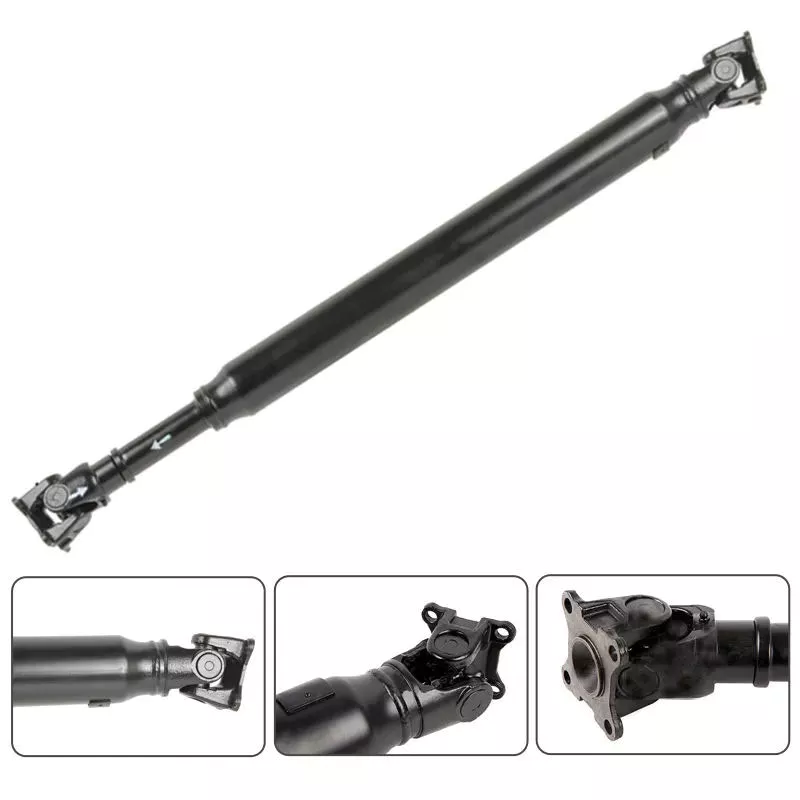
How do PTO drive shafts handle variations in load and torque during operation?
PTO (Power Take-Off) drive shafts are designed to handle variations in load and torque during operation, providing a flexible and efficient power transmission solution. They incorporate several mechanisms and features that enable them to accommodate changes in load and torque. Here’s how PTO drive shafts handle variations in load and torque:
1. Flexible Couplings:
PTO drive shafts typically utilize flexible couplings, such as universal joints or constant velocity joints, at both ends. These couplings allow for angular misalignment and compensate for variations in load and torque. They can accommodate changes in the orientation and position of the driven equipment relative to the power source, reducing stress on the drive shaft and its components.
2. Spring-Loaded Friction Discs:
Some PTO drive shafts incorporate spring-loaded friction discs, commonly known as torque limiters or overload clutches. These devices provide a mechanical means of protecting the drive shaft and connected equipment from excessive torque. When the torque exceeds a predetermined threshold, the friction discs slip, effectively disconnecting the drive shaft from the power source. This protects the drive shaft from damage and allows the system to handle sudden increases or spikes in torque.
3. Slirkopplingar:
Slip clutches are another mechanism used in PTO drive shafts to handle variations in torque. Slip clutches allow controlled slippage between the input and output shafts when a certain torque level is exceeded. They provide a means of limiting torque transmission and protecting the drive shaft from overload. Slip clutches can be adjustable, allowing the desired torque setting to be customized based on the specific application.
4. Torque Converters:
In certain applications, PTO drive shafts may incorporate torque converters. Torque converters are fluid coupling devices that use hydraulic principles to transmit torque. They provide a smooth and gradual ramp-up of torque, which helps in handling variations in load and torque. Torque converters can also provide additional benefits such as dampening vibrations and mitigating shock loads.
5. Load-Bearing Capacity:
PTO drive shafts are designed with sufficient load-bearing capacity to handle variations in load during operation. The material selection, diameter, and wall thickness of the drive shaft are optimized based on the anticipated loads and torque requirements. This allows the drive shaft to effectively transmit power without excessive deflection or deformation, ensuring reliable and efficient operation under different load conditions.
6. Regular Maintenance:
Proper maintenance is essential for the reliable operation of PTO drive shafts. Regular inspection, lubrication, and adjustment of the drive shaft components help ensure optimal performance and longevity. By maintaining the drive shaft in good condition, its ability to handle variations in load and torque can be preserved, reducing the risk of failures or unexpected downtime.
It’s important to note that while PTO drive shafts are designed to handle variations in load and torque, there are limits to their capacity. Exceeding the recommended load or torque limits can lead to premature wear, damage to the drive shaft and connected equipment, and compromise safety. It is crucial to operate within the specified parameters and consult the manufacturer’s guidelines for the specific PTO drive shaft model being used.
By incorporating flexible couplings, torque limiters, slip clutches, torque converters, and ensuring adequate load-bearing capacity, PTO drive shafts can effectively handle variations in load and torque during operation. These features contribute to the versatility, efficiency, and reliability of PTO drive shaft systems across a wide range of applications.

Vilka faktorer bör beaktas när man väljer rätt kraftuttagsaxel för en tillämpning?
När man väljer rätt kraftuttagsaxel (PTO) för en tillämpning bör flera viktiga faktorer beaktas för att säkerställa optimal prestanda, säkerhet och kompatibilitet. Här är en detaljerad förklaring av de viktigaste faktorerna att beakta:
1. Krav på effekt och vridmoment:
Kraven på effekt och vridmoment för tillämpningen är avgörande faktorer. Det är viktigt att bestämma den maximala effekt- och vridmomentutgången från den primära kraftkällan (t.ex. motor, växellåda) och matcha den med drivaxelns kapacitet. Att välja en drivaxel som kan hantera de erforderliga effekt- och vridmomentnivåerna säkerställer effektiv kraftöverföring och förhindrar överbelastning eller skador på drivaxeln och ansluten utrustning.
2. Hastighet och varvtalsområde:
Utrustningens hastighet och varvtalsområde (RPM) samt den primära kraftkällan bör beaktas. Drivaxelns konstruktion bör kunna hantera det önskade hastighetsområdet samtidigt som jämn kraftöverföring bibehålls. Det är viktigt att välja en drivaxel som kan hantera de avsedda driftshastigheterna utan överdriven vibration, bindning eller effektförlust.
3. Utrustningens storlek och konfiguration:
Storleken och konfigurationen på utrustningen eller redskapet som drivs av kraftuttagsaxeln är avgörande faktorer. Drivaxelns längd bör vara justerbar eller väljas på lämpligt sätt för att säkerställa korrekt uppriktning mellan den primära kraftkällan och redskapets ingående axel. Dessutom bör eventuella utrymmesbegränsningar eller krav på fritt utrymme inom utrustningen beaktas som kan påverka valet av drivaxelkonfiguration.
4. Kraftuttagsaxelns anslutningstyp:
Den typ av anslutning som krävs mellan kraftuttagsaxeln och den primära kraftkällan och redskapet är en viktig faktor att beakta. Vanliga anslutningstyper inkluderar splineskopplingar, kilspårkopplingar och snabbkopplingar. Det är viktigt att säkerställa kompatibilitet mellan kraftuttagsaxelns anslutningstyp och motsvarande anslutningar på kraftkällan och redskapet för att uppnå en säker och tillförlitlig infästning.
5. Säkerhetsfunktioner:
Säkerhetsfunktioner är avgörande när man väljer en kraftuttagsaxel. Säkerhetsbultar, kopplingar eller andra överbelastningsskyddsmekanismer bör beaktas för att förhindra skador på kraftuttagsaxeln och tillhörande utrustning vid en plötslig ökning av vridmoment eller hastighet. Dessa säkerhetsfunktioner hjälper till att skydda mot olyckor och minska risken för skador på förare och åskådare.
6. Miljöförhållanden:
De miljöförhållanden under vilka drivaxeln kommer att arbeta bör beaktas. Faktorer som extrema temperaturer, fukt, damm eller korrosiva miljöer bör beaktas. Det kan vara nödvändigt att välja en drivaxel med lämpliga tätningar, beläggningar eller materialalternativ för att säkerställa tillförlitlig prestanda och hållbarhet under de givna förhållandena.
7. Underhåll och servicevänlighet:
Tänk på tillgängligheten och det enkla underhållet för den valda drivaxeln. Säkerställ att rutinmässiga underhållsuppgifter som smörjning, inspektion och eventuella reparationer kan utföras bekvämt. Enkel service hjälper till att minimera stilleståndstid och säkerställer drivaxelns livslängd.
8. Överensstämmelse med standarder och föreskrifter:
Säkerställ att den valda kraftuttagsaxeln uppfyller relevanta branschstandarder och säkerhetsföreskrifter. Detta inkluderar standarder för kraftöverföringskomponenter, såsom ISO 500-1 för kraftuttagsaxlar. Överensstämmelse med dessa standarder säkerställer att kraftuttagsaxeln uppfyller nödvändiga kvalitets-, säkerhets- och prestandakrav.
Genom att beakta faktorer som effekt- och vridmomentkrav, hastighetsområde, utrustningens storlek och konfiguration, kraftuttagsaxelns anslutningstyp, säkerhetsfunktioner, miljöförhållanden, underhåll och servicevänlighet samt efterlevnad av standarder och föreskrifter, kan man välja rätt kraftuttagsaxel som bäst passar den specifika tillämpningens behov. Korrekt val säkerställer effektiv kraftöverföring, säkerhet och långsiktig tillförlitlighet hos utrustningen.


editor by CX 2024-05-10

























