Opis produktu
Harvester Farm Harrow Tractor Pto Drive Shaft and Power Tiller Cardan Shaft for Agricultural Machinery Spare Parts
Opis produktu
Wał odbioru mocy (WOM) to urządzenie mechaniczne służące do przenoszenia mocy z ciągnika lub innego źródła zasilania na podłączone narzędzie, takie jak kosiarka, glebogryzarka lub prasa. Zazwyczaj znajduje się z tyłu ciągnika i jest napędzany przez silnik ciągnika za pośrednictwem przekładni.
Głównym celem wału odbioru mocy (WOM) jest dostarczanie obrotowego źródła napędu do narzędzia, umożliwiając mu wykonywanie jego funkcji. Do połączenia narzędzia z wałkiem WOM stosuje się przegub krzyżakowy, który umożliwia ruch między ciągnikiem a narzędziem, zapewniając jednocześnie stałe przenoszenie mocy.
Oto nasze zalety w porównaniu do podobnych produktów z Chin:
1. Kute jarzma sprawiają, że wałek odbioru mocy jest wystarczająco mocny do użytkowania i pracy;
2. Standardowe wymiary wewnętrzne w celu potwierdzenia płynnego montażu;
3. Certyfikaty CE i ISO są gwarancją jakości naszych towarów;
4. Mocne i profesjonalne opakowanie, które potwierdzi dobry stan towaru po jego otrzymaniu.
Specyfikacja produktu
Opakowanie i wysyłka
Profil firmy
HangZhou Hanon Technology Co.,ltd to nowoczesne przedsiębiorstwo specjalizujące się w rozwoju, produkcji, sprzedaży i serwisie części rolniczych, takich jak wały odbioru mocy i skrzynie biegów, a także części hydraulicznych, takich jak cylindry, zawory, pompy zębate i silniki itp.
Kierujemy się zasadą „Wysoka Jakość, Satysfakcja Klienta”, wykorzystując zaawansowane technologie i sprzęt, aby zapewnić wszystkie standardy techniczne transmisji. Kierujemy się zasadą „ludzie na pierwszym miejscu”, dokładając wszelkich starań, aby stworzyć przyjemne otoczenie i platformę wydajności dla każdego pracownika. Dzięki temu każdy może świadomie dołączyć do Hanon Machinery.
Często zadawane pytania
1.What’re your main products?
we currently product Agricultural Parts like PTO shaft and Gearboxes and Hydraulic parts like Cylinder , Valve ,Gear pump and motor.You can check the specifications for above product on our website and you can email us to recommend needed product per your specification too.
2.What’s the lead time for a regular order?
Generally speaking, our regular standard product will need 30-45days, a bit longer for customized products. But we are very flexible on the lead time, it will depend on the specific orders.
3.What’s your warranty terms?
One year.
4.Can you send me a price list?
For all of our product, they are customized based on different requirements like length, ratio,voltage,and power etc. The price also varies according to annual quantity. So it’s really difficult for us to provide a price list. If you can share your detailed requirements and annual quantity, we’ll see what offer we can provide.
5.What’s the payment term?
Kiedy będziemy przygotowywać dla Ciebie wycenę, potwierdzimy Ci metodę transakcji, FOB, CIF itp.<br> W przypadku towarów produkowanych masowo należy wpłacić depozyt w wysokości 30% przed produkcją, a resztę w wysokości 70% na podstawie kopii dokumentów. Najczęstszą formą płatności jest przelew bankowy.
6.How to deliver the goods to us?
Zazwyczaj wysyłamy towary drogą morską.
/* 22 stycznia 2571 19:08:37 */!function(){function s(e,r){var a,o={};try{e&&e.split(„”,).forEach(function(e,t){e&&(a=e.match(/(.*?):(.*)$/))&&1
| Typ: | Agricultural Spare Part |
|---|---|
| Stosowanie: | Agricultural Products Processing, Farmland Infrastructure, Tillage, Harvester, Planting and Fertilization, Grain Threshing, Cleaning and Drying, Agricultural Machinery,Farm Tractor |
| Tworzywo: | Stal 45cr |
| Próbki: |
US$ 20/sztuka
1 sztuka (minimalne zamówienie) | Order Sample |
|---|
| Personalizacja: |
Dostępny
| Spersonalizowane żądanie |
|---|
.shipping-cost-tm .tm-status-off{background: none;padding:0;color: #1470cc}
|
Koszt wysyłki:
Szacowany koszt frachtu na jednostkę. |
about shipping cost and estimated delivery time. |
|---|
| Payment Method: |
|
|---|---|
|
Initial Payment Full Payment |
| Currency: | US$ |
|---|
| Return&refunds: | You can apply for a refund up to 30 days after receipt of the products. |
|---|
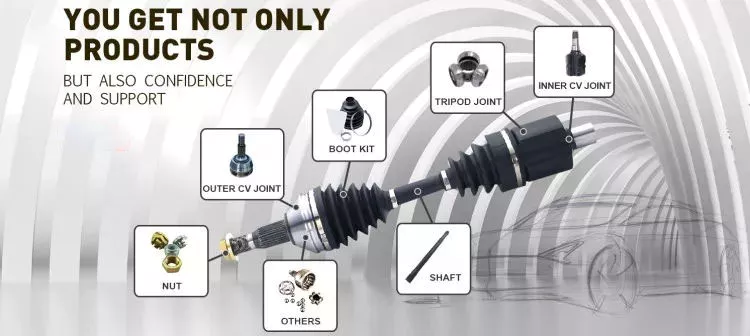
What maintenance practices are essential for prolonging the lifespan of PTO drive shafts?
To prolong the lifespan and ensure the optimal performance of PTO (Power Take-Off) drive shafts, regular maintenance practices are essential. By following these maintenance practices, operators can prevent premature wear, identify potential issues early on, and maximize the longevity of the drive shaft. Here are some key maintenance practices to consider:
1. Lubrication:
Proper lubrication is crucial for the smooth operation and longevity of PTO drive shafts. Regularly lubricate the drive shaft’s universal joints, splines, and other moving parts as per the manufacturer’s recommendations. Choose a high-quality lubricant suitable for the specific application and environmental conditions. Lubrication helps reduce friction, prevent excessive wear, and protect against corrosion.
2. Inspection:
Regular visual inspections are important for identifying any signs of wear, damage, or misalignment in the PTO drive shaft. Inspect the drive shaft and its components for cracks, dents, loose bolts, or signs of excessive wear. Pay attention to the universal joints, splines, shielding, and safety features. If any issues are detected, take prompt action to rectify them to prevent further damage and ensure safe operation.
3. Torque Checks:
Periodically check the torque on fasteners, such as bolts and nuts, that secure the PTO drive shaft and its components. Vibrations and normal operation can cause these fasteners to loosen over time, potentially leading to misalignment or damage. Use a torque wrench to ensure that the fasteners are properly tightened according to the manufacturer’s specifications. Regular torque checks help maintain the integrity and stability of the drive shaft assembly.
4. Alignment:
Maintaining proper alignment between the PTO drive shaft, the primary power source, and the implement is essential for efficient power transfer and preventing excessive wear. Check the alignment of the drive shaft regularly, ensuring that it is straight and properly seated in its connections. Misalignment can cause vibration, increased stress, and premature failure. Make adjustments as necessary to achieve proper alignment.
5. Shear Pin or Torque Limiter Replacement:
If the PTO drive shaft is equipped with a shear pin or torque limiter as a safety feature, it is important to replace these components when they have been activated or damaged. Shear pins are sacrificial components that break under excessive torque, protecting the drive shaft and connected equipment. Replace the shear pin or torque limiter with the correct type and specifications recommended by the manufacturer to ensure continued safety and proper function.
6. Shielding and Guarding:
Inspect the shielding and guarding of the PTO drive shaft regularly to ensure they are intact and in good condition. These protective covers are designed to prevent contact with moving parts and reduce the risk of entanglement or injury. Replace any damaged or missing shielding promptly to maintain operator safety and prevent debris from entering the drive shaft assembly.
7. Environmental Protection:
Consider the environmental conditions in which the PTO drive shaft operates and take appropriate measures to protect it. If the drive shaft is exposed to moisture, dirt, or corrosive substances, clean it regularly and apply appropriate coatings or protective measures to prevent rust and corrosion. Additionally, ensure that the drive shaft is stored in a dry and clean environment when not in use.
8. Manufacturer’s Guidelines:
Follow the maintenance guidelines provided by the manufacturer of the PTO drive shaft. These guidelines may include specific maintenance intervals, recommended lubricants, torque specifications, and other important instructions. Adhering to the manufacturer’s guidelines ensures that the drive shaft is maintained in accordance with its design and engineering specifications, maximizing its lifespan and performance.
By implementing these essential maintenance practices, operators can significantly prolong the lifespan of PTO drive shafts. Regular lubrication, inspections, torque checks, alignment checks, timely replacement of safety features, proper shielding and guarding, environmental protection, and adherence to manufacturer’s guidelines all contribute to the drive shaft’s longevity, reliability, and safe operation.

How do PTO drive shafts handle variations in load and torque during operation?
PTO (Power Take-Off) drive shafts are designed to handle variations in load and torque during operation, providing a flexible and efficient power transmission solution. They incorporate several mechanisms and features that enable them to accommodate changes in load and torque. Here’s how PTO drive shafts handle variations in load and torque:
1. Flexible Couplings:
PTO drive shafts typically utilize flexible couplings, such as universal joints or constant velocity joints, at both ends. These couplings allow for angular misalignment and compensate for variations in load and torque. They can accommodate changes in the orientation and position of the driven equipment relative to the power source, reducing stress on the drive shaft and its components.
2. Spring-Loaded Friction Discs:
Some PTO drive shafts incorporate spring-loaded friction discs, commonly known as torque limiters or overload clutches. These devices provide a mechanical means of protecting the drive shaft and connected equipment from excessive torque. When the torque exceeds a predetermined threshold, the friction discs slip, effectively disconnecting the drive shaft from the power source. This protects the drive shaft from damage and allows the system to handle sudden increases or spikes in torque.
3. Slip Clutches:
Slip clutches are another mechanism used in PTO drive shafts to handle variations in torque. Slip clutches allow controlled slippage between the input and output shafts when a certain torque level is exceeded. They provide a means of limiting torque transmission and protecting the drive shaft from overload. Slip clutches can be adjustable, allowing the desired torque setting to be customized based on the specific application.
4. Torque Converters:
In certain applications, PTO drive shafts may incorporate torque converters. Torque converters are fluid coupling devices that use hydraulic principles to transmit torque. They provide a smooth and gradual ramp-up of torque, which helps in handling variations in load and torque. Torque converters can also provide additional benefits such as dampening vibrations and mitigating shock loads.
5. Load-Bearing Capacity:
PTO drive shafts are designed with sufficient load-bearing capacity to handle variations in load during operation. The material selection, diameter, and wall thickness of the drive shaft are optimized based on the anticipated loads and torque requirements. This allows the drive shaft to effectively transmit power without excessive deflection or deformation, ensuring reliable and efficient operation under different load conditions.
6. Regular Maintenance:
Proper maintenance is essential for the reliable operation of PTO drive shafts. Regular inspection, lubrication, and adjustment of the drive shaft components help ensure optimal performance and longevity. By maintaining the drive shaft in good condition, its ability to handle variations in load and torque can be preserved, reducing the risk of failures or unexpected downtime.
It’s important to note that while PTO drive shafts are designed to handle variations in load and torque, there are limits to their capacity. Exceeding the recommended load or torque limits can lead to premature wear, damage to the drive shaft and connected equipment, and compromise safety. It is crucial to operate within the specified parameters and consult the manufacturer’s guidelines for the specific PTO drive shaft model being used.
By incorporating flexible couplings, torque limiters, slip clutches, torque converters, and ensuring adequate load-bearing capacity, PTO drive shafts can effectively handle variations in load and torque during operation. These features contribute to the versatility, efficiency, and reliability of PTO drive shaft systems across a wide range of applications.
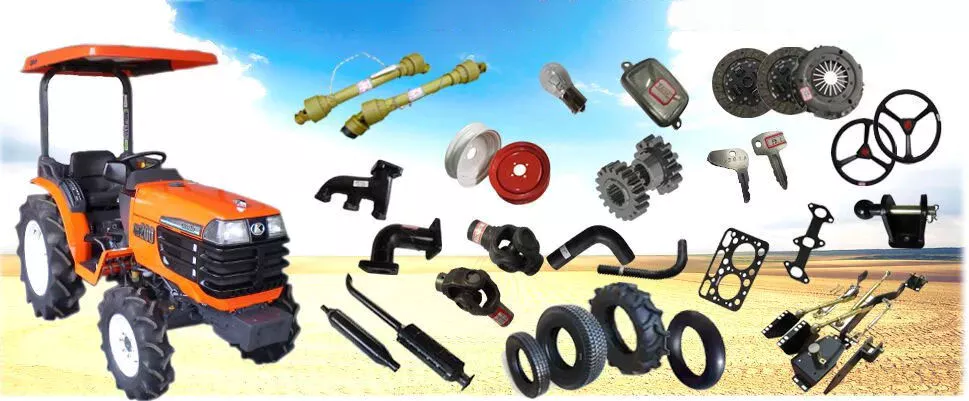
Jakie czynniki należy wziąć pod uwagę przy wyborze właściwego wału napędowego WOM do danego zastosowania?
Wybierając odpowiedni wałek napędowy WOM (WOM) do danego zastosowania, należy wziąć pod uwagę kilka istotnych czynników, aby zapewnić optymalną wydajność, bezpieczeństwo i kompatybilność. Oto szczegółowe wyjaśnienie kluczowych czynników, które należy wziąć pod uwagę:
1. Wymagania dotyczące mocy i momentu obrotowego:
Wymagania dotyczące mocy i momentu obrotowego danego zastosowania są kluczowe. Konieczne jest określenie maksymalnej mocy i momentu obrotowego głównego źródła napędu (np. silnika, skrzyni biegów) i dopasowanie ich do pojemności wału napędowego. Wybór wału napędowego, który może obsłużyć wymagane poziomy mocy i momentu obrotowego, zapewnia efektywne przenoszenie mocy i zapobiega przeciążeniom lub uszkodzeniom wału napędowego i podłączonych urządzeń.
2. Prędkość i zakres obrotów:
Należy wziąć pod uwagę zakres prędkości i obrotów na minutę (RPM) urządzenia oraz główne źródło zasilania. Konstrukcja wału napędowego powinna umożliwiać obsługę żądanego zakresu prędkości, zapewniając jednocześnie płynne przenoszenie mocy. Ważne jest, aby wybrać wał napędowy, który będzie w stanie obsłużyć zamierzone prędkości robocze bez nadmiernych wibracji, zacięć i utraty mocy.
3. Rozmiar i konfiguracja sprzętu:
Rozmiar i konfiguracja sprzętu lub narzędzia napędzanego przez wałek WOM są kluczowymi czynnikami. Długość wału napędowego powinna być regulowana lub dobrana odpowiednio, aby zapewnić prawidłowe wyrównanie między głównym źródłem zasilania a wałem wejściowym narzędzia. Dodatkowo należy wziąć pod uwagę wszelkie ograniczenia przestrzenne lub wymagania dotyczące prześwitu wewnątrz sprzętu, które mogą mieć wpływ na wybór konfiguracji wału napędowego.
4. Typ połączenia wału odbioru mocy:
Rodzaj połączenia wymaganego między wałem napędowym WOM a głównym źródłem zasilania i narzędziem ma istotne znaczenie. Typowe typy połączeń to połączenia wielowypustowe, połączenia wpustowe oraz mechanizmy szybkiego odłączania. Aby zapewnić bezpieczne i niezawodne mocowanie, konieczne jest zapewnienie kompatybilności między rodzajem połączenia wału napędowego a odpowiednimi połączeniami w źródle zasilania i narzędziu.
5. Funkcje bezpieczeństwa:
Przy wyborze wału napędowego WOM kluczowe znaczenie mają zabezpieczenia. Należy rozważyć zastosowanie sworzni ścinanych, sprzęgieł lub innych mechanizmów zabezpieczających przed przeciążeniem, aby zapobiec uszkodzeniu wału napędowego i współpracujących z nim urządzeń w przypadku nagłego wzrostu momentu obrotowego lub prędkości. Te zabezpieczenia pomagają chronić przed wypadkami i zmniejszają ryzyko obrażeń operatorów i osób postronnych.
6. Warunki środowiskowe:
Należy wziąć pod uwagę warunki środowiskowe, w których będzie pracował wał napędowy. Należy wziąć pod uwagę takie czynniki, jak ekstremalne temperatury, wilgoć, kurz i środowisko korozyjne. Konieczne może być dobranie wału napędowego z odpowiednimi uszczelnieniami, powłokami lub materiałami, aby zapewnić niezawodną pracę i trwałość w danych warunkach.
7. Konserwacja i serwisowanie:
Należy wziąć pod uwagę dostępność i łatwość konserwacji wybranego wału napędowego. Należy upewnić się, że rutynowe czynności konserwacyjne, takie jak smarowanie, przeglądy i ewentualne naprawy, można wykonywać wygodnie. Łatwość serwisowania pomaga zminimalizować przestoje i zapewnia długą żywotność wału napędowego.
8. Zgodność z normami i przepisami:
Upewnij się, że wybrany wał napędowy WOM jest zgodny z odpowiednimi normami branżowymi i przepisami bezpieczeństwa. Dotyczy to również norm dotyczących elementów układu przeniesienia napędu, takich jak ISO 500-1 dla wałów napędowych WOM. Zgodność z tymi normami gwarantuje, że wał napędowy spełnia niezbędne wymagania dotyczące jakości, bezpieczeństwa i wydajności.
Biorąc pod uwagę takie czynniki, jak zapotrzebowanie na moc i moment obrotowy, zakres prędkości, rozmiar i konfigurację sprzętu, rodzaj połączenia wału odbioru mocy (WOM), funkcje bezpieczeństwa, warunki środowiskowe, konserwację i łatwość serwisowania oraz zgodność z normami i przepisami, można dobrać odpowiedni wał WOM, który najlepiej odpowiada potrzebom konkretnego zastosowania. Prawidłowy dobór zapewnia efektywne przenoszenie mocy, bezpieczeństwo i długotrwałą niezawodność sprzętu.


editor by CX 2024-05-10