Описание продукта
Описание продукта
Product Parameters
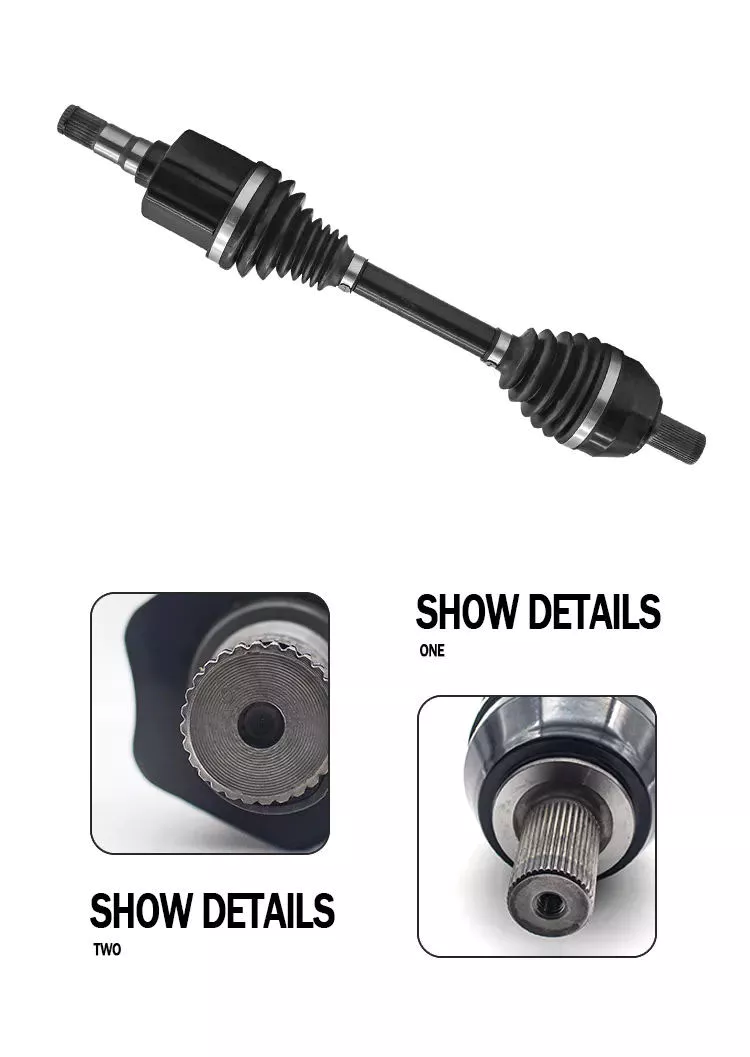
| Item | Spur Gear Axle Shaft |
| Material | 4140,4340,40Cr,42Crmo,42Crmo4,20Cr,20CrMnti, 20Crmo,35Crmo |
| OEM NO | Customize |
| Certification | ISO/TS16949 |
| Test Requirement | Magnetic Powder Test, Hardness Test, Dimension Test |
| Color | Paint , Natural Finish ,Machining All Around |
| Material | Aluminum: 5000series(5052…)/6000series(6061…)/7000series(7075…) |
| Steel: Carbon Steel,Middle Steel,Steel Alloy,etc. | |
| Stainess Steel: 303/304/316,etc. | |
| Copper/Brass/Bronze/Red Copper,etc. | |
| Plastic:ABS,PP,PC,Nylon,Delrin(POM),Bakelite,etc. | |
| Размер | According to Customer’s drawing or samples |
| Process | CNC machining,Turning,Milling,Stamping,Grinding,Welding,Wire Injection,Cutting,etc. |
| Tolerance | ≥+/-0.03mm |
| Обработка поверхности | (Sandblast)&(Hard)&(Color)Anodizing,(Chrome,Nickel,Zinc…)Plating,Painting,Powder Coating,Polishing,Blackened,Hardened,Lasering,Engraving,etc. |
| File Formats | ProE,SolidWorks,UG,CAD,PDF(IGS,X-T,STP,STL) |
| Sample | Доступный |
| Packing | Spline protect cover ,Wood box ,Waterproof membrane; Or per customers’ requirements. |
Our Advantages
Why Choose US ???
1. Equipment :
Our company boasts all necessary production equipment,
including Hydraulic press machines, Japanese CNC lathe (TAKISAWA), Korean gear hobbing machine (I SNT), gear shaping machine, machining center, CNC grinder, heat treatment line etc.
2. Processing precision:
We are a professional gear & gear shafts manufacturer. Our gears are around 6-7 grade in mass production.
3. Company:
We have 90 employees, including 10 technical staffs. Covering an area of 20000 square meters.
4. Certification :
Oue company has passed ISO 14001 and TS16949
5.Sample service :
We provide free sample for confirmation and customer bears the freight charges
6.OEM service :
Having our own factory and professional technicians,we welcome OEM orders as well.We can design and produce the specific product you need according to your detail information
Cooperation Partner
Company Profile
Our Featured Products
/* March 10, 2571 17:59:20 */!function(){function s(e,r){var a,o={};try{e&&e.split(“,”).forEach(function(e,t){e&&(a=e.match(/(.*?):(.*)$/))&&1
| Материал: | Alloy Steel |
|---|---|
| Load: | Drive Shaft |
| Axis Shape: | Straight Shaft |
| Appearance Shape: | Round |
| Rotation: | Cw |
| Yield: | 5, 000PCS / Month |
| Samples: |
US$ 0/Piece
1 Piece(Min.Order) | |
|---|
| Настройка: |
Доступный
| Индивидуальный запрос |
|---|
Are there any limitations or disadvantages associated with drive shafts?
While drive shafts are widely used and offer several advantages, they also have certain limitations and disadvantages that should be considered. Here’s a detailed explanation of the limitations and disadvantages associated with drive shafts:
1. Length and Misalignment Constraints:
Drive shafts have a maximum practical length due to factors such as material strength, weight considerations, and the need to maintain rigidity and minimize vibrations. Longer drive shafts can be prone to increased bending and torsional deflection, leading to reduced efficiency and potential driveline vibrations. Additionally, drive shafts require proper alignment between the driving and driven components. Misalignment can cause increased wear, vibrations, and premature failure of the drive shaft or its associated components.
2. Limited Operating Angles:
Drive shafts, especially those using U-joints, have limitations on operating angles. U-joints are typically designed to operate within specific angular ranges, and operating beyond these limits can result in reduced efficiency, increased vibrations, and accelerated wear. In applications requiring large operating angles, constant velocity (CV) joints are often used to maintain a constant speed and accommodate greater angles. However, CV joints may introduce higher complexity and cost compared to U-joints.
3. Maintenance Requirements:
Drive shafts require regular maintenance to ensure optimal performance and reliability. This includes periodic inspection, lubrication of joints, and balancing if necessary. Failure to perform routine maintenance can lead to increased wear, vibrations, and potential driveline issues. Maintenance requirements should be considered in terms of time and resources when using drive shafts in various applications.
4. Noise and Vibration:
Drive shafts can generate noise and vibrations, especially at high speeds or when operating at certain resonant frequencies. Imbalances, misalignment, worn joints, or other factors can contribute to increased noise and vibrations. These vibrations may affect the comfort of vehicle occupants, contribute to component fatigue, and require additional measures such as dampers or vibration isolation systems to mitigate their effects.
5. Weight and Space Constraints:
Drive shafts add weight to the overall system, which can be a consideration in weight-sensitive applications, such as automotive or aerospace industries. Additionally, drive shafts require physical space for installation. In compact or tightly packaged equipment or vehicles, accommodating the necessary drive shaft length and clearances can be challenging, requiring careful design and integration considerations.
6. Cost Considerations:
Drive shafts, depending on their design, materials, and manufacturing processes, can involve significant costs. Customized or specialized drive shafts tailored to specific equipment requirements may incur higher expenses. Additionally, incorporating advanced joint configurations, such as CV joints, can add complexity and cost to the drive shaft system.
7. Inherent Power Loss:
Drive shafts transmit power from the driving source to the driven components, but they also introduce some inherent power loss due to friction, bending, and other factors. This power loss can reduce overall system efficiency, particularly in long drive shafts or applications with high torque requirements. It is important to consider power loss when determining the appropriate drive shaft design and specifications.
8. Limited Torque Capacity:
While drive shafts can handle a wide range of torque loads, there are limits to their torque capacity. Exceeding the maximum torque capacity of a drive shaft can lead to premature failure, resulting in downtime and potential damage to other driveline components. It is crucial to select a drive shaft with sufficient torque capacity for the intended application.
Despite these limitations and disadvantages, drive shafts remain a widely used and effective means of power transmission in various industries. Manufacturers continuously work to address these limitations through advancements in materials, design techniques, joint configurations, and balancing processes. By carefully considering the specific application requirements and potential drawbacks, engineers and designers can mitigate the limitations and maximize the benefits of drive shafts in their respective systems.
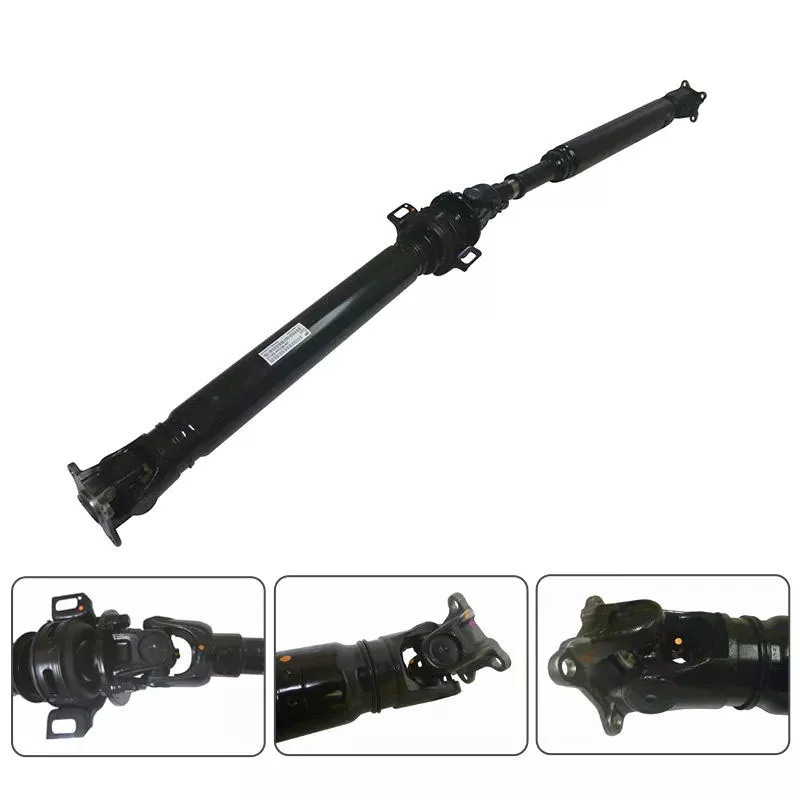
Можете ли вы привести реальные примеры транспортных средств и механизмов, использующих карданные валы?
Карданные валы широко используются в различных транспортных средствах и механизмах для передачи мощности от двигателя или источника питания к колесам или приводным компонентам. Вот несколько реальных примеров транспортных средств и механизмов, в которых используются карданные валы:
1. Автомобили:
Карданные валы широко распространены в автомобилях, особенно в тех, которые имеют задний или полный привод. В таких транспортных средствах карданный вал передает мощность от трансмиссии или раздаточной коробки к заднему или переднему дифференциалу соответственно. Это позволяет распределять мощность двигателя на колеса, приводя автомобиль в движение.
2. Грузовые автомобили и коммерческий транспорт:
Карданные валы являются важными компонентами грузовых автомобилей и коммерческого транспорта. Они используются для передачи мощности от трансмиссии или раздаточной коробки к заднему мосту или нескольким мостам в случае большегрузных автомобилей. Карданные валы в коммерческом транспорте рассчитаны на более высокие крутящие нагрузки и часто имеют большие размеры и большую прочность, чем в легковых автомобилях.
3. Строительная и землеройная техника:
Различные виды строительной и землеройной техники, такие как экскаваторы, погрузчики, бульдозеры и грейдеры, используют карданные валы для передачи мощности. Эти машины, как правило, имеют сложные системы трансмиссии, в которых карданные валы передают мощность от двигателя к колесам или гусеницам, что позволяет им выполнять тяжелые работы на строительных площадках или в горнодобывающей промышленности.
4. Сельскохозяйственная техника:
Сельскохозяйственная техника, включая тракторы, комбайны и жатки, использует приводные валы для передачи мощности от двигателя к колесам или приводным компонентам. Приводные валы в сельскохозяйственной технике часто подвергаются воздействию сложных условий эксплуатации и могут иметь дополнительные особенности, такие как телескопические секции для компенсации изменяемого расстояния между компонентами.
5. Промышленное оборудование:
В системах передачи энергии промышленного оборудования, такого как производственные установки, генераторы, насосы и компрессоры, часто используются приводные валы. Эти приводные валы передают мощность от электродвигателей, двигателей внутреннего сгорания или других источников энергии к различным приводным компонентам, позволяя оборудованию выполнять определенные задачи в промышленных условиях.
6. Морские суда:
В морских приложениях приводные валы обычно используются для передачи мощности от двигателя к гребному винту на лодках, кораблях и других водных судах. Морские приводные валы, как правило, длиннее и спроектированы таким образом, чтобы выдерживать уникальные условия водной среды, включая коррозионную стойкость и соответствующие механизмы герметизации.
7. Транспортные средства для отдыха (RV) и автодома:
В автодомах и кемперах часто используются карданные валы в качестве части трансмиссионной системы. Эти валы передают мощность от трансмиссии к задней оси, обеспечивая движение транспортного средства и привод. Карданные валы в автодомах могут иметь дополнительные элементы, такие как амортизаторы или компоненты, снижающие вибрацию, для повышения комфорта во время поездки.
8. Внедорожники и гоночные автомобили:
Внедорожники, такие как кроссоверы, грузовики и вездеходы (ATV), а также гоночные автомобили, часто используют карданные валы. Эти карданные валы разработаны для того, чтобы выдерживать суровые условия бездорожья или высокопроизводительных гонок, эффективно передавая мощность на колеса и обеспечивая оптимальное сцепление и производительность.
9. Железнодорожный подвижной состав:
В железнодорожных системах приводные валы используются в локомотивах и некоторых типах подвижного состава. Они передают мощность от двигателя локомотива к колесам или движительной системе, позволяя поезду двигаться по рельсам. Железнодорожные приводные валы, как правило, значительно длиннее и могут иметь дополнительные элементы для обеспечения сочлененности или гибкости некоторых конфигураций поездов.
10. Ветряные турбины:
Крупномасштабные ветротурбины, используемые для выработки электроэнергии, включают в свои системы передачи энергии приводные валы. Приводные валы передают вращательную энергию от лопастей турбины к генератору, где она преобразуется в электрическую энергию. Приводные валы ветротурбин рассчитаны на значительные крутящие моменты и вращательные силы, создаваемые ветром.
Эти примеры демонстрируют широкий спектр транспортных средств и механизмов, в которых приводные валы используются для эффективной передачи мощности и движения. Приводные валы являются важными компонентами в различных отраслях промышленности, обеспечивая передачу мощности от источника к приводимым компонентам, что в конечном итоге облегчает движение, работу или выполнение конкретных задач.
What benefits do drive shafts offer for different types of vehicles and equipment?
Drive shafts offer several benefits for different types of vehicles and equipment. They play a crucial role in power transmission and contribute to the overall performance, efficiency, and functionality of various systems. Here’s a detailed explanation of the benefits that drive shafts provide:
1. Efficient Power Transmission:
Drive shafts enable efficient power transmission from the engine or power source to the wheels or driven components. By connecting the engine or motor to the driven system, drive shafts efficiently transfer rotational power, allowing vehicles and equipment to perform their intended functions. This efficient power transmission ensures that the power generated by the engine is effectively utilized, optimizing the overall performance and productivity of the system.
2. Versatility:
Drive shafts offer versatility in their applications. They are used in various types of vehicles, including cars, trucks, motorcycles, and off-road vehicles. Additionally, drive shafts are employed in a wide range of equipment and machinery, such as agricultural machinery, construction equipment, industrial machinery, and marine vessels. The ability to adapt to different types of vehicles and equipment makes drive shafts a versatile component for power transmission.
3. Torque Handling:
Drive shafts are designed to handle high levels of torque. Torque is the rotational force generated by the engine or power source. Drive shafts are engineered to efficiently transmit this torque without excessive twisting or bending. By effectively handling torque, drive shafts ensure that the power generated by the engine is reliably transferred to the wheels or driven components, enabling vehicles and equipment to overcome resistance, such as heavy loads or challenging terrains.
4. Flexibility and Compensation:
Drive shafts provide flexibility and compensation for angular movement and misalignment. In vehicles, drive shafts accommodate the movement of the suspension system, allowing the wheels to move up and down independently. This flexibility ensures a constant power transfer even when the vehicle encounters uneven terrain. Similarly, in machinery, drive shafts compensate for misalignment between the engine or motor and the driven components, ensuring smooth power transmission and preventing excessive stress on the drivetrain.
5. Weight Reduction:
Drive shafts contribute to weight reduction in vehicles and equipment. Compared to other forms of power transmission, such as belt drives or chain drives, drive shafts are typically lighter in weight. This reduction in weight helps improve fuel efficiency in vehicles and reduces the overall weight of equipment, leading to enhanced maneuverability and increased payload capacity. Additionally, lighter drive shafts contribute to a better power-to-weight ratio, resulting in improved performance and acceleration.
6. Durability and Longevity:
Drive shafts are designed to be durable and long-lasting. They are constructed using materials such as steel or aluminum, which offer high strength and resistance to wear and fatigue. Drive shafts undergo rigorous testing and quality control measures to ensure their reliability and longevity. Proper maintenance, including lubrication and regular inspections, further enhances their durability. The robust construction and long lifespan of drive shafts contribute to the overall reliability and cost-effectiveness of vehicles and equipment.
7. Safety:
Drive shafts incorporate safety features to protect operators and bystanders. In vehicles, drive shafts are often enclosed within a protective tube or housing, preventing contact with moving parts and reducing the risk of injury in the event of a failure. Similarly, in machinery, safety shields or guards are commonly installed around exposed drive shafts to minimize the potential hazards associated with rotating components. These safety measures ensure the well-being of individuals operating or working in proximity to vehicles and equipment.
In summary, drive shafts offer several benefits for different types of vehicles and equipment. They enable efficient power transmission, provide versatility in various applications, handle torque effectively, offer flexibility and compensation, contribute to weight reduction, ensure durability and longevity, and incorporate safety features. By providing these advantages, drive shafts enhance the performance, efficiency, reliability, and safety of vehicles and equipment across a wide range of industries.


editor by CX 2024-02-05